
the hours that draw us into mystery, into empathy, into mercy . . .
by bam
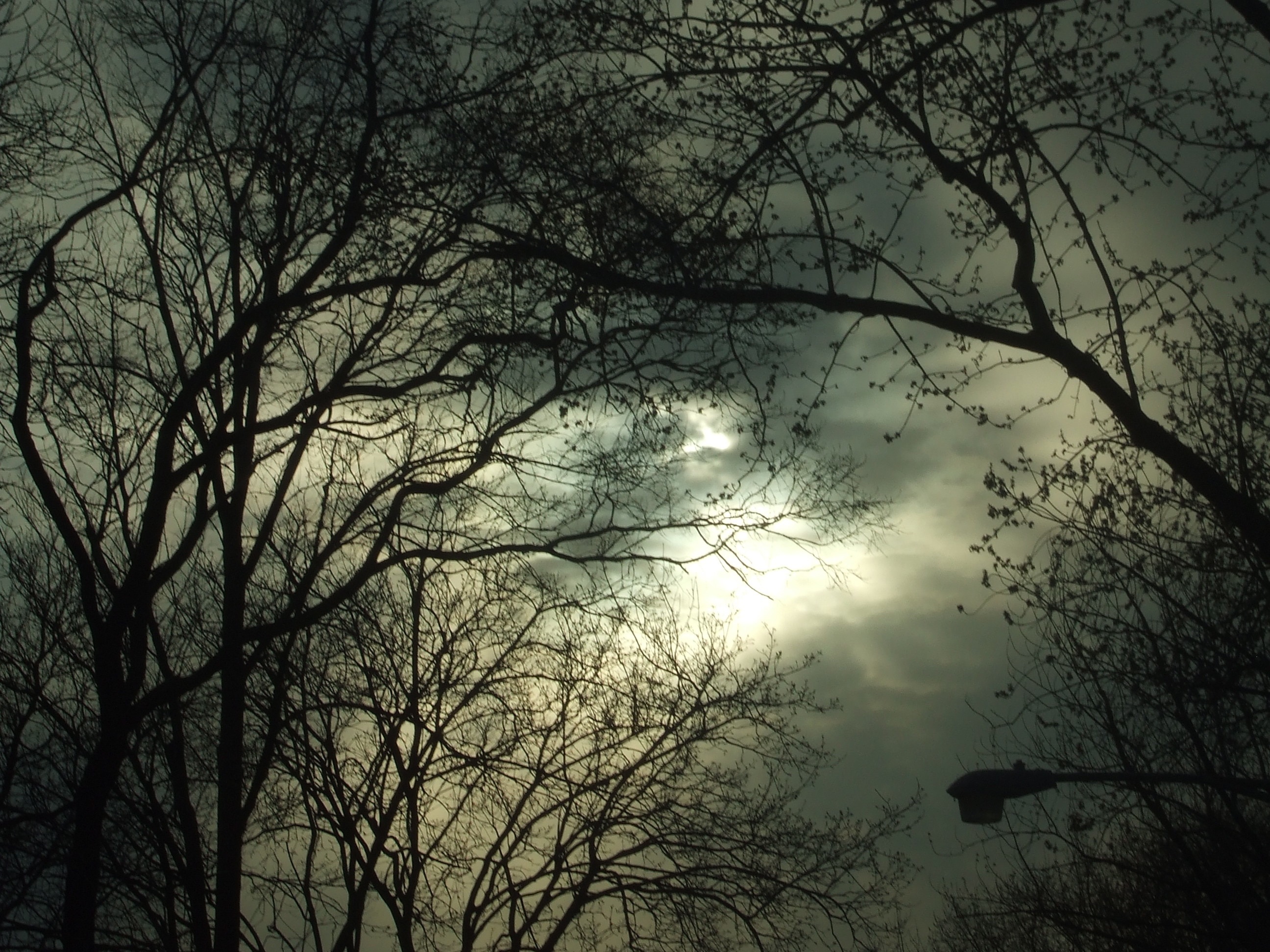
i grew up in a house where a shadow was cast over good friday. a deep and mysterious shadow. one sodden with sorrows.
i imagined a presence, imagined the whole globe bowing to the sorrows of the long ago day, the crucifixion of the jew who preached love and more love. who turned the other cheek. upturned the money tables. chastened the holier than thou. sought the solace and silence of the desert. healed the lepers. embraced the prostitute. allowed holy oils to be poured and dried with the tresses of one of the outcast.
i grew up in a house where silence was kept from noon to three in the afternoon on the shadowed friday of crucifixion. i learned to look out the window as the clock struck three, as the heavens darkened and thunder shook the sky, somewhere off in the distance. the distance being golgotha, the place of the skulls, an abandoned quarry outside the walls of jerusalem. in the realm of mystery, no distance is too far to hear the rumble of the skies being torn into two.
of all the somber days of the year, this is the most somber—for me, anyway.
i find it a telling i can sink deeply into. can imagine the pain, the humiliation, the weight of the cross. can even feel the coarse rub of the olive wood, the cedar, or cypress, can imagine the splinters digging into my shoulder. my arms giving way under the lumbering tonnage.
i wince and writhe and cry every time. i beg forgiveness for our sins. collectively. globally. and mine alone.
it is a singularly compelling bracket of time, the hours from gethsemane to golgotha.
it begins for me on the night before the cross, the night in the garden when jesus—the radical, countercultural rabbi (for rabbi means “teacher”)—went alone into the murky darkness to pray. when he begged his father God to spare him the torture to come.
i can imagine the night sky, the stars bright against the black cloth of cavernous space. can imagine the weightedness of one man’s chest as he felt the mounting climax, as the cock crowed and the hour was upon him. as the footfalls of soldiers and the one who betrayed came closer and closer.
have we not all felt ourselves in such a hollow of time? felt ourselves moving closer and closer to that which we dread?
have we not all carried some cross, the weight of it crushing?
we all have stories—stories from our families, from our religions or our histories—that draw us into their folds. that transfix us every time.
these anointed hours, these holy holy sorrowful hours, are among the ones that hold me. it is a blessed thing to be drawn deep into the marrow of the stories we are told, the ones that carry us across the generations, and the millennia.
wednesday, the night before i found myself deep in the folds of thursday’s gethsemane, i found myself around a table re-telling the ancient story of the exodus. the story of slavery and liberation. the story of becoming God’s chosen people. of plagues and the killing of firstborns. of the improbable crossing of the sea, and the inexplicable parting of waters. the line of the story that night that leapt out the most to me was the one where it was written: “when the people of Israel left Egypt, they became God’s people.”
“. . . they became God’s people.”
that line struck me because it made me think of a God who not only hovers over but harbors his people, especially a people alone, and afraid, and lost in the wilderness. a God who seeks out the suffering and the shuddering. a God of the frayed and tattered margins. of the outsider. the same God who heard the prayers of the one in the garden. the same God whom i believe heard the cry of the one on the Cross. the same one who hears all the cries of this world. the cries from Bergen-Belsen and Auschwitz, the cries from Gaza and Iran. from Ukraine and Lebanon. from Somalia, Sudan, and, long ago, from Biafra. the cries of mothers who bury their children. the cries of those who suffer unimaginable torturings.
count me with the pope who preached last sunday, palm sunday, that the prayers of those who call for violence, and killing, and the bombing of children are prayers not heard by the God of Love, of Peace, the God who preaches the blessedness of the meek and the merciful.
i close with the words of that holy, holy soul we know as Pope Leo of Chicago, a righteous pilgrim not afraid to speak out, to condemn the ways of the warmongers among us :
Brothers and sisters, this is our God: Jesus, King of Peace, who rejects war, whom no one can use to justify war. He does not listen to the prayers of those who wage war, but rejects them, saying: “Even though you make many prayers, I will not listen: your hands are full of blood” (Is 1:15).
As we set our gaze upon him who was crucified for us, we can see a crucified humanity. In his wounds, we see the hurts of so many women and men today. In his last cry to the Father, we hear the weeping of those who are crushed, who have no hope, who are sick and who are alone. Above all, we hear the painful groans of all those who are oppressed by violence and are victims of war.
and in the spirit of that final climb up the mount of golgotha, a climb long broken into fourteen scenes, known in the Christian Church as “stations,” i leave you with this quiet and spare meditation of the stations of the cross from pádraig ó tuama. and finally a poem from the late great irish poet, seamus heaney.
may your holy days, whichever stories stir you, draw you into a deeper sense of being alive and in service to the miseries of this most broken world.
what are some of the stories told, and the hours into which you surrender, year over year, that most embracingly, certainly, undeniably hold you?
Chorus from “The Cure at Troy”
by Seamus Heaney
Human beings suffer,
They torture one another.
They get hurt and get hard,
Can fully right a wrong
Inflicted and endured.
History says, Don’t hope
On this side of the grave,
But then, once in a lifetime
The longed-for tidal wave
Of justice can rise up
And hope and history rhyme.
So hope for a great sea-change
On the far side of revenge.
Believe that the farther shore
Is reachable from here.
Believe in miracles
And cures and healing wells.
Call miracle self-healing,
The utter self-revealing
Double-take of feeling.
If there’s fire on the mountain
And lightning and storm
And a god speaks from the sky
That means someone is hearing
The outcry and birth-cry
Or new life at its term.
It means once in a lifetime
That justice can rise up
And hope and history rhyme.
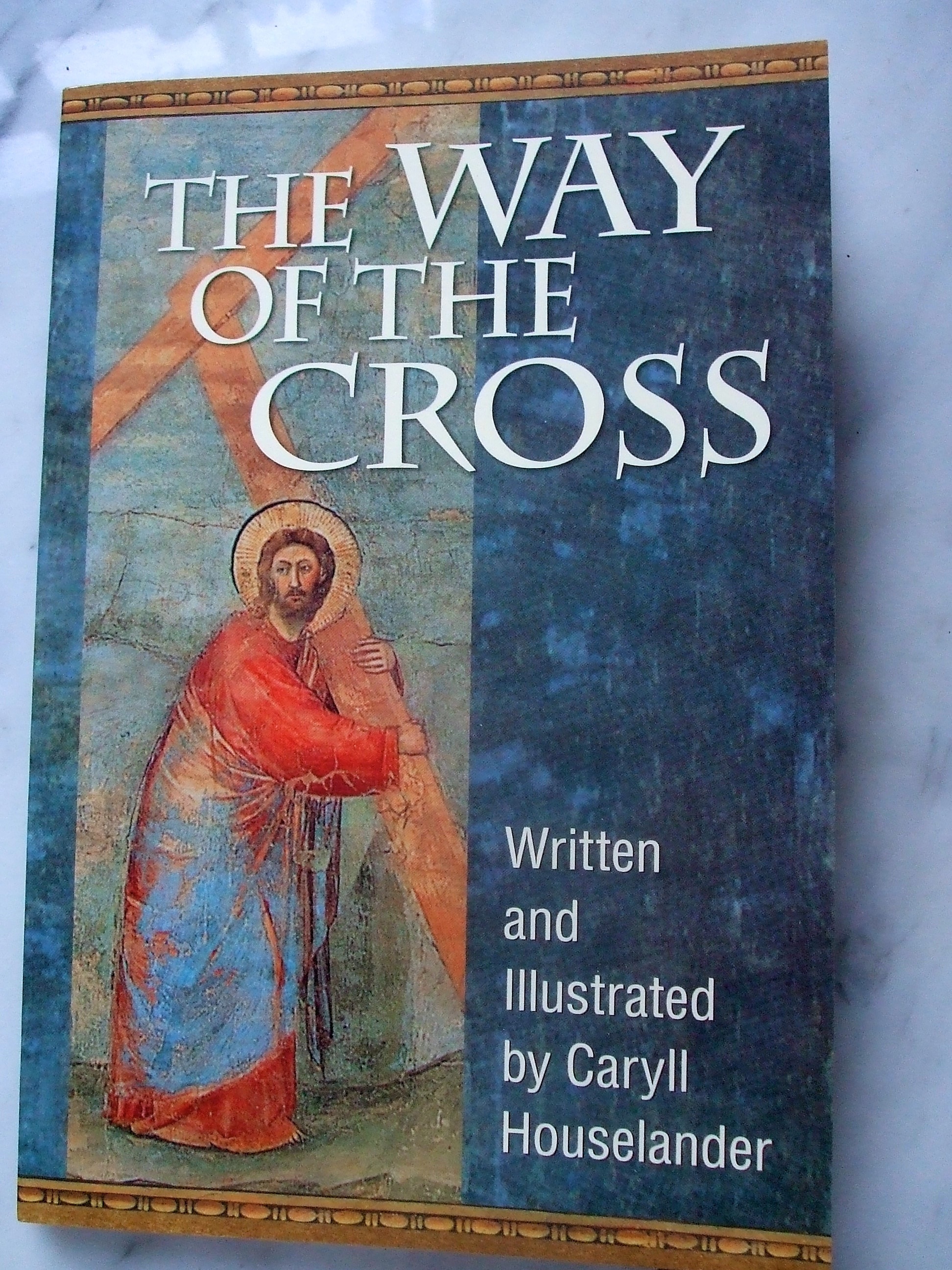
and a sobering note to close out this holy week: the global conflict tracker from the council on foreign relations
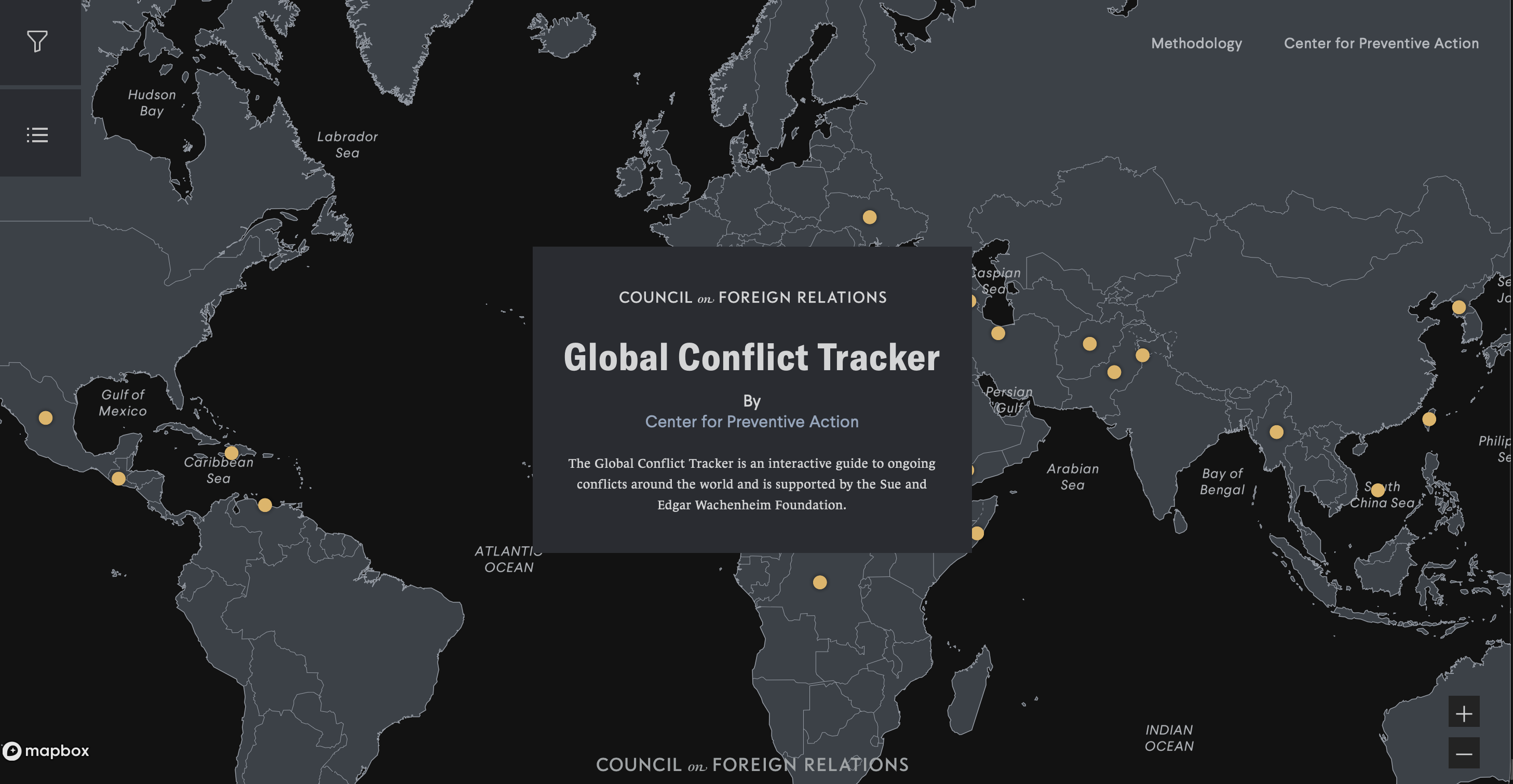
 | Russia | Russo-Ukrainian War |
 | Ukraine | Russo-Ukrainian War |
 | Israel | Israel-Palestine War |
 | Palestine | Israel-Palestine War |
 | South Sudan | Ethnic violence |
 | Mexico | Drug War |
 | Afghanistan | Civil War/Terrorist Insurgency |
 | Haiti | Civil War/Gang War |
 | Colombia | Civil War/Drug War |
 | Ecuador | Civil War/Drug War |
 | Ethiopia | Civil War |
 | Myanmar | Civil War |
 | Sudan | Civil War |
 | Yemen | Civil War |
 | Mozambique | Civil War |
 | Somalia | Civil War |
 | Central African Republic | Civil War |
 | Pakistan | Afghanistan-Pakistan Border Conflict |
*source: World Population Review, “Countries Currently at War, 2026”
Holy One of Peace, infuse us…
 pull up a chair
18 years spent at 707 and I remember those hours vividly. Certain scenes – with no way to retrieve any details – still fresh in my mind, these years later. You craft some fine sentences, such as “…the hours from gethsemane to Golgotha.”
The whole topic remains crushing to my mind, righteous warfare – growled from many sides – as if. How scant our faith, how overbearing our ego’s needs to claim the mantle of righteousness, how radical was that street preacher.
>
amen.
>
i am an avid reader of Henri Nouwen, the great Dutch Catholic theologian and priest, and as i clicked open my email just now, i found this short passage of his, which syncs so richly with what i was trying to say above. i leave you Nouwen…..
Good Friday: day of the cross, day of suffering, day of hope, day of abandonment, day of victory, day of mourning, day of joy, day of endings, day of beginnings. . . . I closed my eyes and could see his sacred body. . . . I saw the immense suffering of humanity during the centuries: people killing each other; people dying from starvation and epidemics; people driven from their homes; people sleeping on the streets of large cities; people clinging to each other in desperation; people flagellated, tortured, burned and mutilated; people alone in locked flats, in prison dungeons, in labor camps; people craving a gentle word, a friendly letter, a consoling embrace, people . . . all crying out with an anguished voice, ‘My God, my God, why have you forsaken us?’. . . With my minds’ eye I saw large crowds of isolated, agonizing individuals walking away from the cross together, bound by the love they had seen with their own eyes and touched with their own lips. The cross of horror became the cross of hope, the tortured body became the body that gives new life; the gaping wound became the source of forgiveness, healing and reconciliation.
>