pull up a chair

where wisdom gathers, poetry unfolds and divine light is sparked…

Month: April, 2026

besotted and struck: a springtime emphatically poignant

i am besotted by the world. and i do not mean the world of humans. i speak, rather, of the song that fills the air, the perfume that wafts on breeze, and the lush lush green that spreads with a river’s insistence.

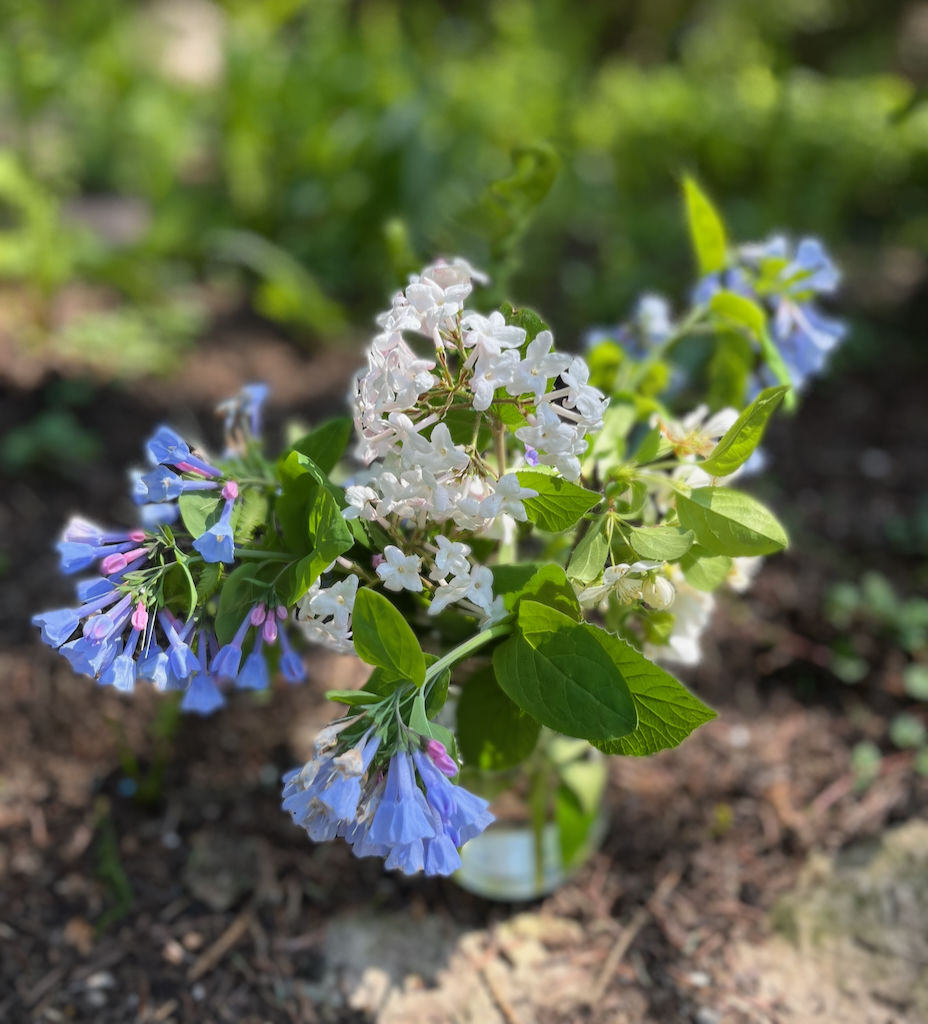
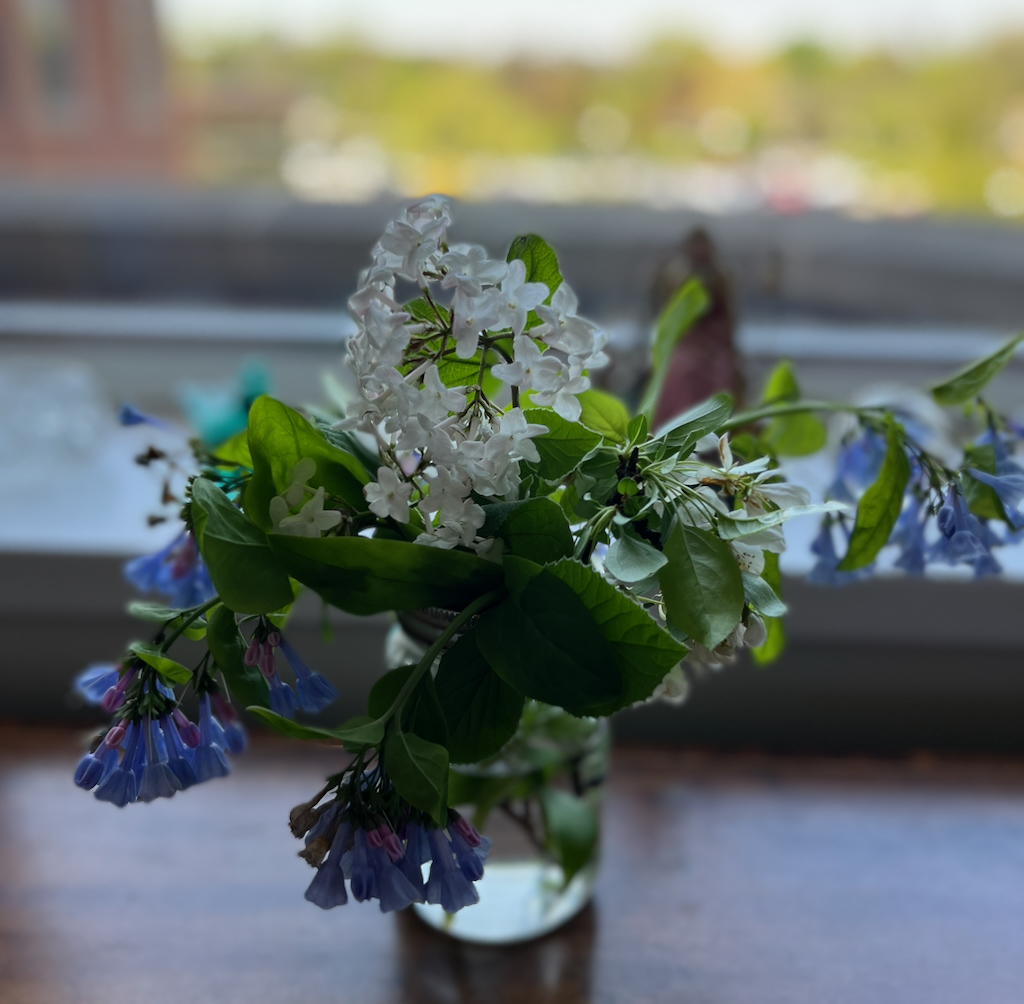
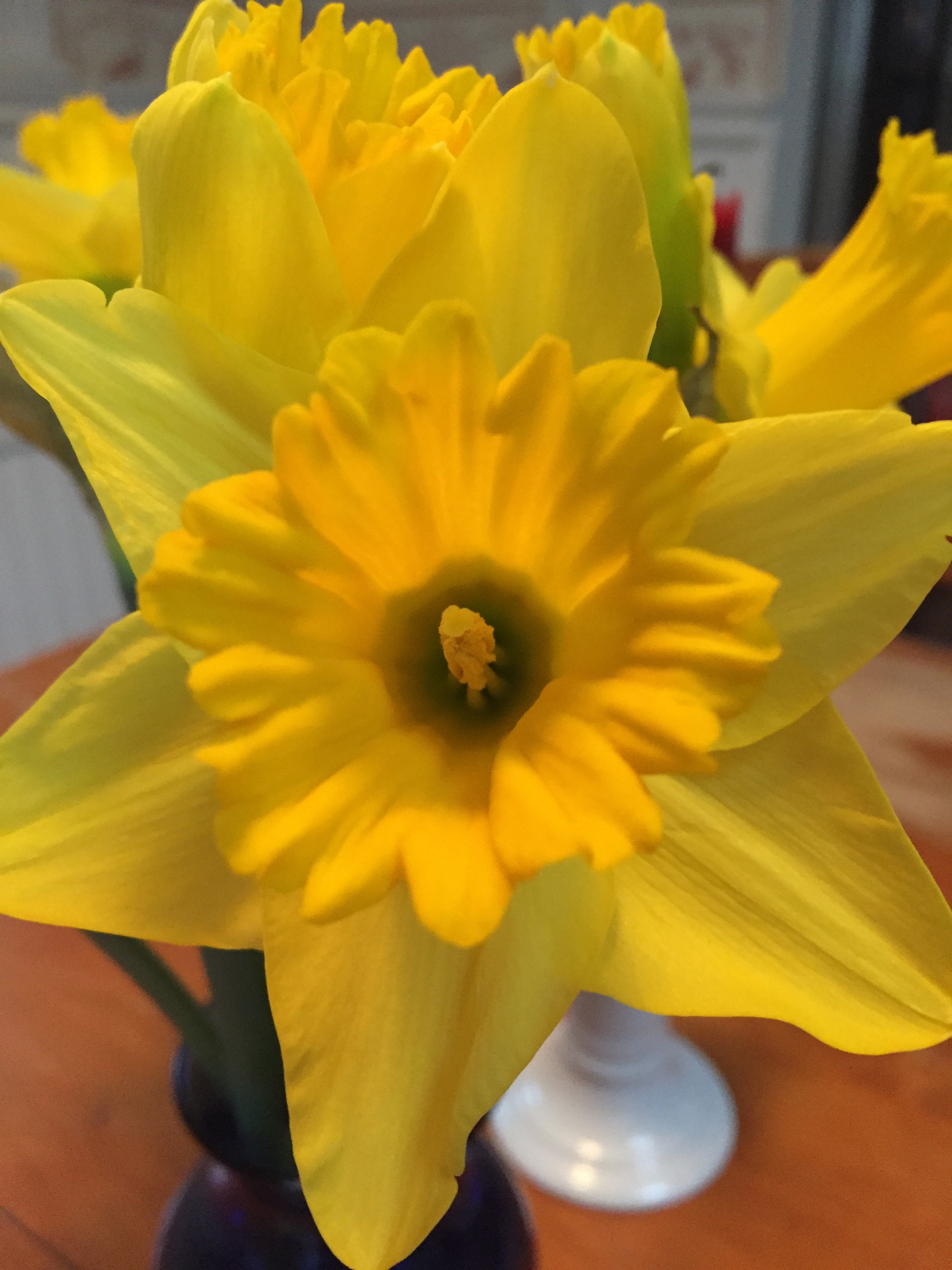
as the human inhabitants bombard, shatter, poison, crush, and bulldoze, the earth in her infinite wisdoms, her endless generosities, and incomprehensible beauties, repeats and repeats. tracing its choreography as old as time, minute by minute, our little orb turns toward the light of the great star. there it basks. and deep underground the stirring surges, evident in the leaf tips bulging by the hour, by the shocks and brushstrokes of color—of fuchsia and daffodil gold, of snow white and, my favorite, the dashes of cobalt blue—where before the world had been colorless, had been drab, a pastiche of dull brown and sooty and gray. 

have you heard the intertwining parabolas of song saturating the start-of-day soundtrack? the high-pitched white-throated sparrow piercing the dawn, the cardinal awaiting his turn. northern house wren chattering, red-winged blackbird lurching to get a note in edgewise?

more than besotted though, i am struck. struck by the profundity with which creation speaks. the way it all but shakes us by the shoulders, calls out, pay heed. this is the endosperm of it all, this way of being, of unfolding, of filling the air and the lens with beauty abundant. with grace. offering bough for the bird’s nest, pushing up an earthly apothecary. it is a masterclass in profligate goodness, “love as you would be loved” spelled out in birdsong and bloom. 

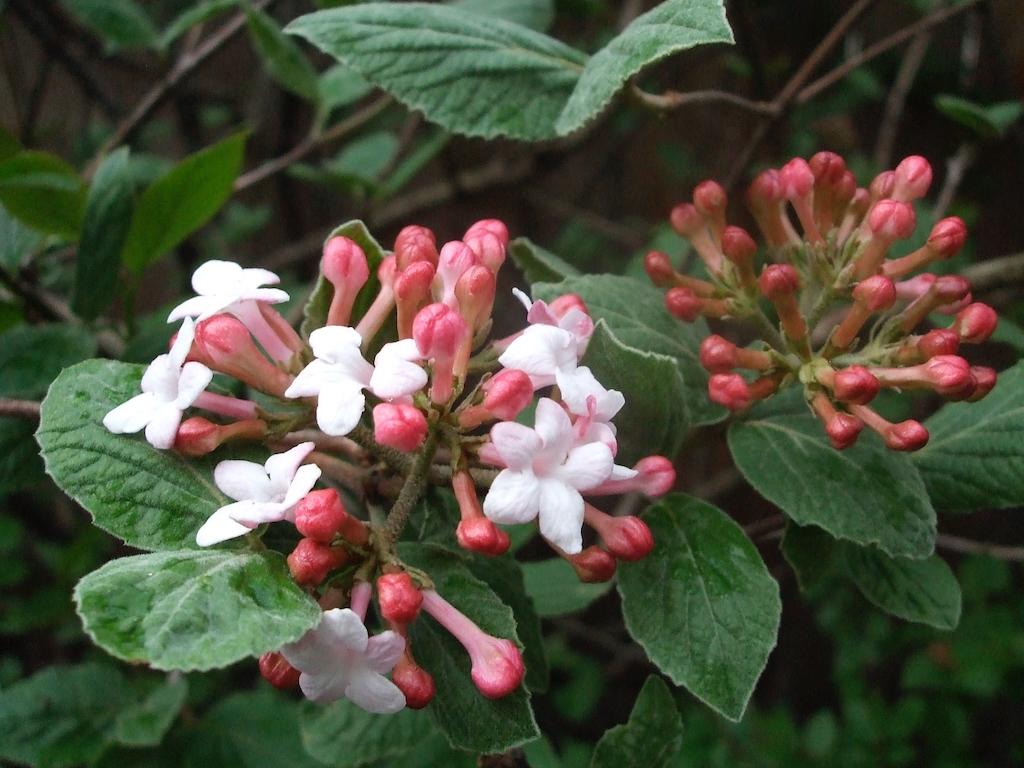
you need a short course in how to be generous? look to the viburnum who soon will be perfusing perfumes, catching you by the nose each time you waft by. perhaps a lesson in loving attention? train your eye on the nestlings and the mama robin who spends her every waking minute in search of the juiciest worm, flittering back and forth every two to three minutes, for a day’s-end tally of roughly 500 feedings.

this year, the contrast is starker than ever. the headlines and news reels are filled with rubble and gore. with vitriol and braggadocio. with ugly and uglier, day after day. 

but still springtime unfolds. it’s as if this ancient, ancient text understands how thick-headed we earthly inhabitants are. we need the lectures, the lessons, again and again: herein is the paradigm. here are the beauties. here, the graces. you could inhabit the garden of earthly diversities, the narcissus alongside the spring beauty, the red bird sharing the branch with the sparrow. 

“i will make it as plain and as clear as is possibly possible,” says the earth to the inattentive. “i will burst forth in such vibrancy you won’t look away. i will dial up the decibels, drown you in song that rises up from winged choristers. you needn’t break each other down, needn’t crush and pillage. needn’t spew hate. you are drowning the planet in the antithesis of Original Intent.”

Creation, i firmly contend, is the unabashed effusion of Godly delight. of a world we are meant to romp in, to love and love each other. that needn’t mean that we need to relish each and every one of us. but it does mean that maybe, just maybe, we look for and find the holy spark that animates us, each and every one of us. and we can make room for each other, not only in spite of but because of our differences, in this unruly paradisiacal garden that springs into joy, into improbable possibility, every quarter turn of the globe.   

may peace and beauty be with you, may tender mercies abound. so says the whisper of earth spring after spring….

we’d be wise to listen, to heed.

what whispers did you hear in Creation this week? what lessons unfolded before your eyes or ears?

a world torn by two voices . . .

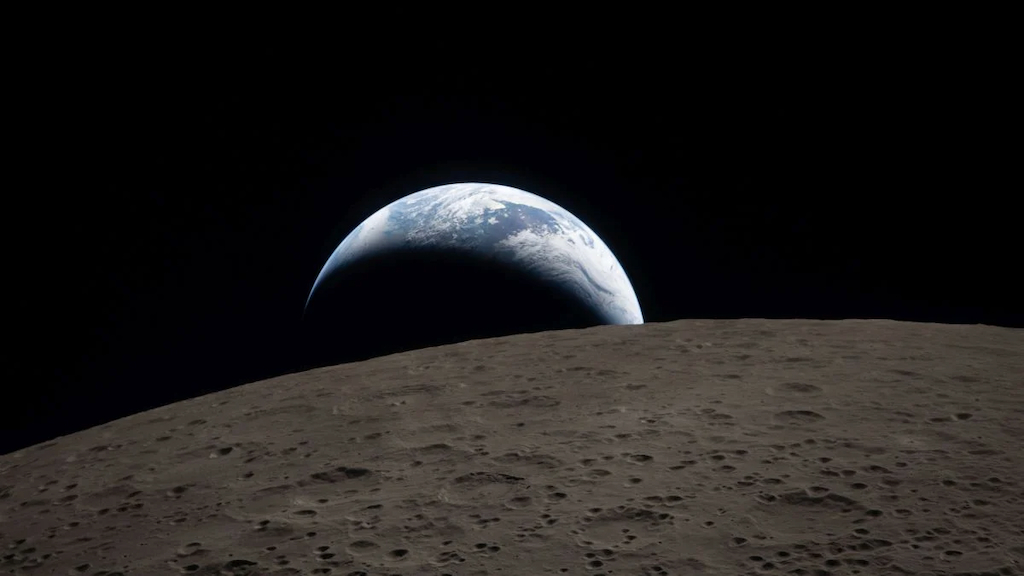
Earth rising over the lunar surface, NASA image taken from the far side of the moon

we live in surreal times. in a moment when we can look upon the planet from afar and all appears serene and blue and unscarred by borders and bombs, we know that here on the surface of that living, breathing orb it is anything but serene, unscarred. 

we scroll through the daily census of dead and wounded. the numbers nearly always contain commas, for the suffering extends far beyond the hundreds columns. it’s bomb after bomb after targeted assassination. it’s little girls’ backpacks strewn, bloodied. it’s cries from tehran, from beirut, from kyiv. 

the voices that bellow are of two ilk: those who threaten to blow a civilization into a confetti of death and destruction. to “end” it. alternatively, to blast it back to the stone age. call them the vipers. and then there is leo of chicago who will not relent, who calls a spade a deadly spade. who sees those spades for the lances of death that they are. who bores through the hypocrisy, who dares to preach that the God to whom he — and we, most of us — pray is a God who does not hear the prayers of those beseeching violence, who speak in the language of hatred. 

this is a serious moment. as sobering as any i might have known, having been born not too, too long after the holocaust’s pall still cast its shadow. this is a conflagration on the planet. how surreal that as the world is on fire, the faraway space travelers cannot make out the strife. all they see is a blue orb floating amid the heavens. as it was meant to be by the one who imagined it into creation. 

we humans are not new to evil. it has long streamed through our veins. the very purpose of religion, from the beginning, might have been to curb it. to dilute it. to turn the mothership in a new direction. away from a natural pull, the pull of destruction, of petty jealousies and sordid acts.

were i not a believer in a God of mercy, a God who preaches the beatitudes—be merciful, be humble, comfort the afflicted, seek and see the divinity in the outcast, the leper, the prostitute, yes even the tax collector—maybe i too would seek vengeance. 

coming after decades of watching religions go awry, balloon into megachurches that preach the prosperity gospel, after decades of witnessing the horrors of priests who abused their flocks, of imagining a God weeping over all of it, here comes a moment, where the world stripped of the divine, a world ruled by avarice and gilded toilets is caving in on itself, i am not alone in hearing one brave voice rising over the din. 

it is the collective voice of those who will not succumb to the demonic. who call for putting down guns, turning swords into plowshares.

those voices have ever been. across the timeline of history, there is a chain unbroken of pacifists. their volumes rise and fall. we need listen. tune our ears to their cry.

this all came rushing to me when i stumbled this week on a lament written some time in the first three centuries of the Common Era. it is a lament found in the writings of the platonic philosopher apuleius as a dialogue between teacher and student, between the ancient greek hermes trismegistus (a hellenistic figure drawn from the wisdom gods of the greek hermes and the egyptian thoth) and asclepius (the greco-roman god of medicine and the healing arts), illuminating a lament for what had become of egypt, a “land, which once was holy, a land which loved the gods, and wherein alone, in reward for her devotion, the gods deigned to sojourn upon earth, a land which was the teacher of mankind in holiness and piety, this land will go beyond all in cruel deeds.”

hermes trismegistus

listen for the resonance with our own broken moment in time…as trismegistus cries out to his student, asclepius: “do you weep at this?”

O Egypt, Egypt, of thy religion nothing will remain but an empty tale, which thine own children in time to come will not believe; nothing will be left but graven words, and only the stones will tell of thy piety. And in that day men will be weary of life, and they will cease to think the universe worthy of reverent wonder and of worship. And so religion, the greatest of all blessings, for there is nothing, nor has been, nor ever shall be, that can be deemed a greater boon, will be threatened with destruction; men will think it a burden, and will come to scorn it. They will no longer love this world around us, this incomparable work of God, this glorious structure which he has built, this sum of good made up of things of many diverse forms, this instrument whereby the will of God operates in that which be has made, ungrudgingly favouring man’s welfare, this combination and accumulation of all the manifold things that can call forth the veneration, praise, and love of the beholder.

Darkness will be preferred to light, and death will be thought more profitable than life; no one will raise his eyes to heaven ; the pious will be deemed insane, and the impious wise; the madman will be thought a brave man, and the wicked will be esteemed as good. As to the soul, and the belief that it is immortal by nature, or may hope to attain to immortality, as I have taught you, all this they will mock at, and will even persuade themselves that it is false. No word of reverence or piety, no utterance worthy of heaven and of the gods of heaven, will be heard or believed.

heed the ancient and timeless prophecy. our moment is now to bring our voices—shaky, sodden, hoarse from all our trying to be heard—to the cry of those who line up on the side of love, of mercy, of sowing the seeds of all that is good. 

or else, weep without end.

what voices have called to you this week? and what’s made you weep?

the hours that draw us into mystery, into empathy, into mercy . . .

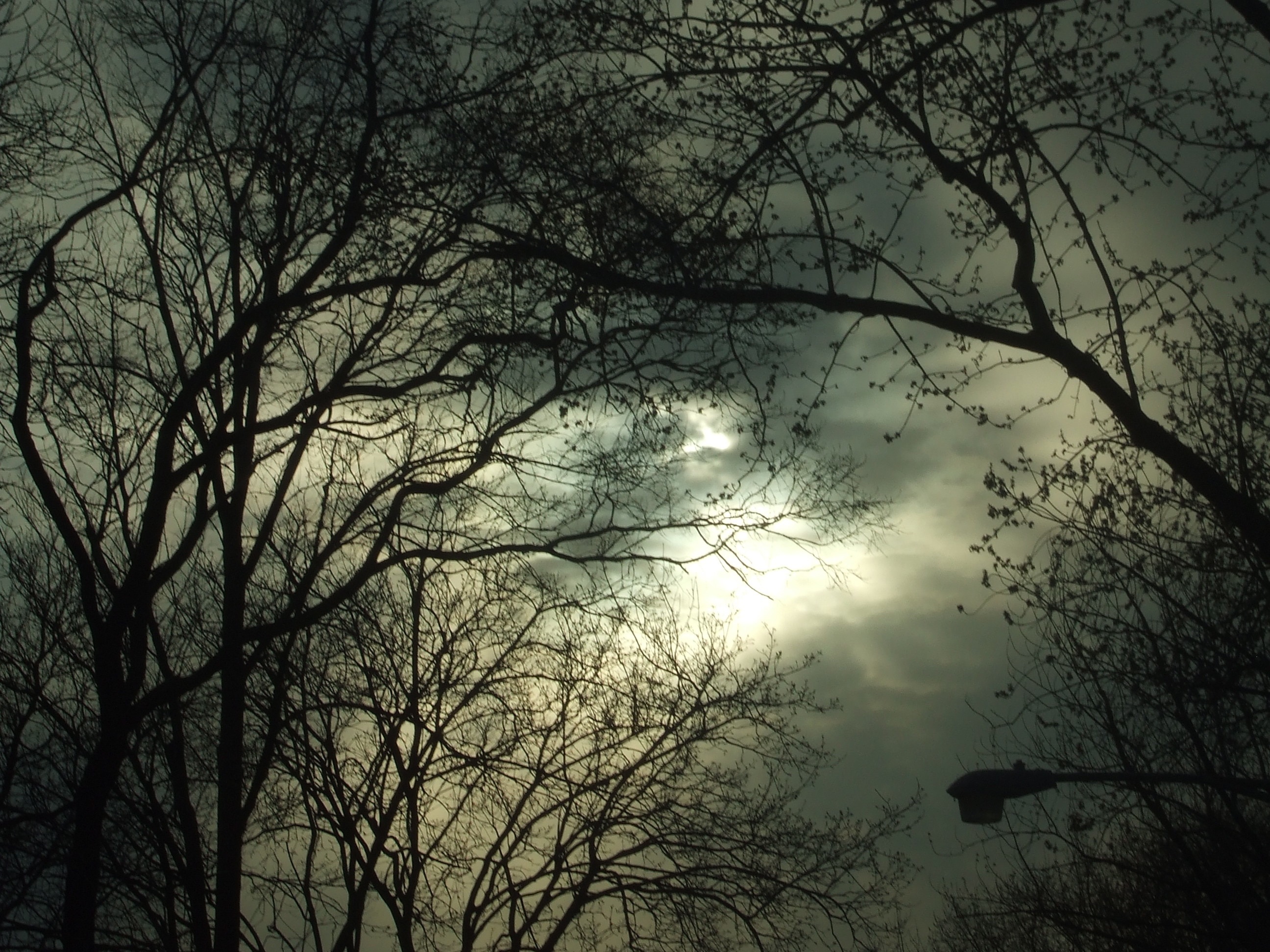
i grew up in a house where a shadow was cast over good friday. a deep and mysterious shadow. one sodden with sorrows. 

i imagined a presence, imagined the whole globe bowing to the sorrows of the long ago day, the crucifixion of the jew who preached love and more love. who turned the other cheek. upturned the money tables. chastened the holier than thou. sought the solace and silence of the desert. healed the lepers. embraced the prostitute. allowed holy oils to be poured and dried with the tresses of one of the outcast. 

i grew up in a house where silence was kept from noon to three in the afternoon on the shadowed friday of crucifixion. i learned to look out the window as the clock struck three, as the heavens darkened and thunder shook the sky, somewhere off in the distance. the distance being golgotha, the place of the skulls, an abandoned quarry outside the walls of jerusalem. in the realm of mystery, no distance is too far to hear the rumble of the skies being torn into two.

of all the somber days of the year, this is the most somber—for me, anyway. 

i find it a telling i can sink deeply into. can imagine the pain, the humiliation, the weight of the cross. can even feel the coarse rub of the olive wood, the cedar, or cypress, can imagine the splinters digging into my shoulder. my arms giving way under the lumbering tonnage. 

i wince and writhe and cry every time. i beg forgiveness for our sins. collectively. globally. and mine alone. 

it is a singularly compelling bracket of time, the hours from gethsemane to golgotha. 

it begins for me on the night before the cross, the night in the garden when jesus—the radical, countercultural rabbi (for rabbi means “teacher”)—went alone into the murky darkness to pray. when he begged his father God to spare him the torture to come. 

i can imagine the night sky, the stars bright against the black cloth of cavernous space. can imagine the weightedness of one man’s chest as he felt the mounting climax, as the cock crowed and the hour was upon him. as the footfalls of soldiers and the one who betrayed came closer and closer. 

have we not all felt ourselves in such a hollow of time? felt ourselves moving closer and closer to that which we dread? 

have we not all carried some cross, the weight of it crushing?

we all have stories—stories from our families, from our religions or our histories—that draw us into their folds. that transfix us every time. 

these anointed hours, these holy holy sorrowful hours, are among the ones that hold me. it is a blessed thing to be drawn deep into the marrow of the stories we are told, the ones that carry us across the generations, and the millennia. 

wednesday, the night before i found myself deep in the folds of thursday’s gethsemane, i found myself around a table re-telling the ancient story of the exodus. the story of slavery and liberation. the story of becoming God’s chosen people. of plagues and the killing of firstborns. of the improbable crossing of the sea, and the inexplicable parting of waters. the line of the story that night that leapt out the most to me was the one where it was written: “when the people of Israel left Egypt, they became God’s people.”

“. . . they became God’s people.” 

that line struck me because it made me think of a God who not only hovers over but harbors his people, especially a people alone, and afraid, and lost in the wilderness. a God who seeks out the suffering and the shuddering. a God of the frayed and tattered margins. of the outsider. the same God who heard the prayers of the one in the garden. the same God whom i believe heard the cry of the one on the Cross. the same one who hears all the cries of this world. the cries from Bergen-Belsen and Auschwitz, the cries from Gaza and Iran. from Ukraine and Lebanon. from Somalia, Sudan, and, long ago, from Biafra. the cries of mothers who bury their children. the cries of those who suffer unimaginable torturings. 

count me with the pope who preached last sunday, palm sunday, that the prayers of those who call for violence, and killing, and the bombing of children are prayers not heard by the God of Love, of Peace, the God who preaches the blessedness of the meek and the merciful. 

i close with the words of that holy, holy soul we know as Pope Leo of Chicago, a righteous pilgrim not afraid to speak out, to condemn the ways of the warmongers among us :

Brothers and sisters, this is our God: Jesus, King of Peace, who rejects war, whom no one can use to justify war. He does not listen to the prayers of those who wage war, but rejects them, saying: “Even though you make many prayers, I will not listen: your hands are full of blood” (Is 1:15).

As we set our gaze upon him who was crucified for us, we can see a crucified humanity. In his wounds, we see the hurts of so many women and men today. In his last cry to the Father, we hear the weeping of those who are crushed, who have no hope, who are sick and who are alone. Above all, we hear the painful groans of all those who are oppressed by violence and are victims of war.

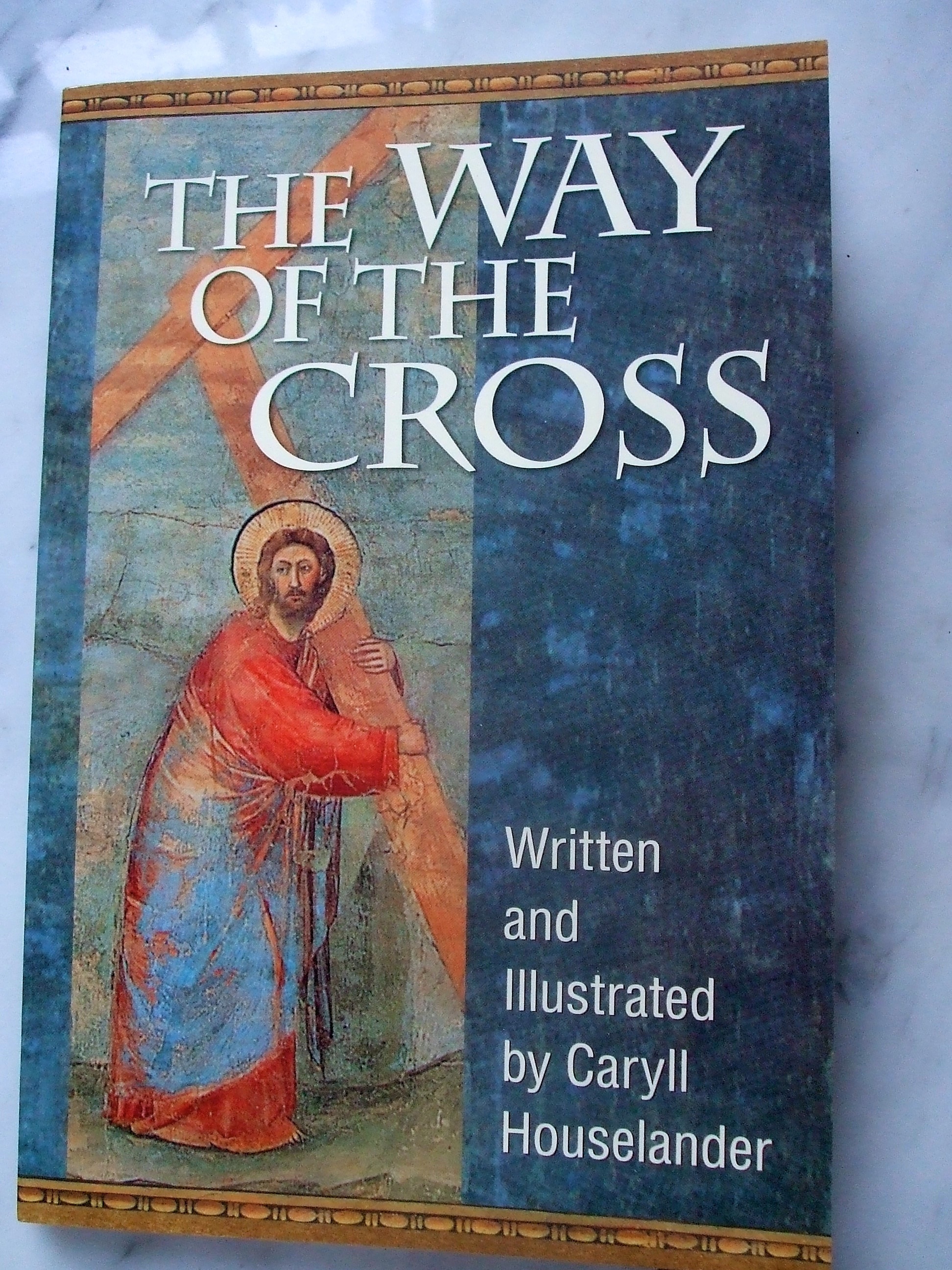
and in the spirit of that final climb up the mount of golgotha, a climb long broken into fourteen scenes, known in the Christian Church as “stations,” i leave you with this quiet and spare meditation of the stations of the cross from pádraig ó tuama. and finally a poem from the late great irish poet, seamus heaney. 

may your holy days, whichever stories stir you, draw you into a deeper sense of being alive and in service to the miseries of this most broken world.

what are some of the stories told, and the hours into which you surrender, year over year, that most embracingly, certainly, undeniably hold you?

Chorus from “The Cure at Troy”
by Seamus Heaney

Human beings suffer,
They torture one another.
They get hurt and get hard,
Can fully right a wrong
Inflicted and endured.

History says, Don’t hope
On this side of the grave,
But then, once in a lifetime
The longed-for tidal wave
Of justice can rise up
And hope and history rhyme.

So hope for a great sea-change
On the far side of revenge.
Believe that the farther shore
Is reachable from here.
Believe in miracles
And cures and healing wells.

Call miracle self-healing,
The utter self-revealing
Double-take of feeling.
If there’s fire on the mountain
And lightning and storm
And a god speaks from the sky

That means someone is hearing
The outcry and birth-cry
Or new life at its term.
It means once in a lifetime
That justice can rise up
And hope and history rhyme.

my favorite, favorite telling of good friday’s stations…

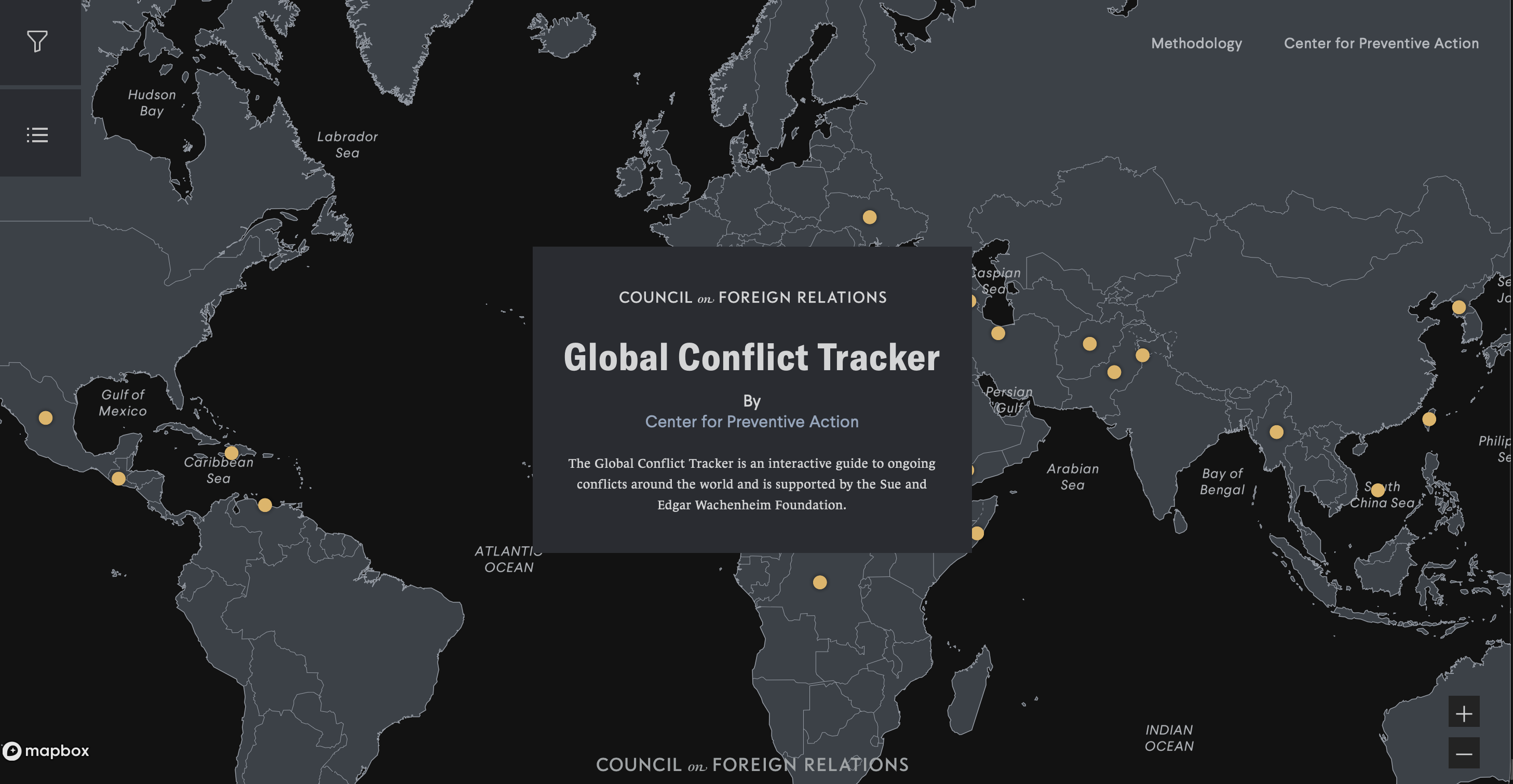
and a sobering note to close out this holy week: the global conflict tracker from the council on foreign relations

Russia FlagRussiaRusso-Ukrainian War
Ukraine FlagUkraineRusso-Ukrainian War
Israel FlagIsraelIsrael-Palestine War
Palestine FlagPalestineIsrael-Palestine War
South Sudan FlagSouth SudanEthnic violence
Mexico FlagMexicoDrug War
Afghanistan FlagAfghanistanCivil War/Terrorist Insurgency
Haiti FlagHaitiCivil War/Gang War
Colombia FlagColombiaCivil War/Drug War
Ecuador FlagEcuadorCivil War/Drug War
Ethiopia FlagEthiopiaCivil War
Myanmar FlagMyanmarCivil War
Sudan FlagSudanCivil War
Yemen FlagYemenCivil War
Mozambique FlagMozambiqueCivil War
Somalia FlagSomaliaCivil War
Central African Republic FlagCentral African RepublicCivil War
Pakistan FlagPakistanAfghanistan-Pakistan Border Conflict

*source: World Population Review, “Countries Currently at War, 2026”

Holy One of Peace, infuse us…