pull up a chair

where wisdom gathers, poetry unfolds and divine light is sparked…

Tag: prayer

light and shadow, in perpetual dance

all you need do is glance toward the sky, eyes skimming over the players on high. sunlight and cumulus. sunlight and cirrus. sunlight and nimbostratus. sunlight and cloud ever in play, in duet, in doh-si-doh of shadow and light. 

there’s a truth being told there, a universal and organizing principle of all creation. on the first day, in the second verse, there was darkness, darkness hovering over the deep. in the third verse, light. God commanded it. and God saw that it was good. 

in our lives, the leitmotif is a given. light will come. shadow will follow. light will come again. 

so it was in my reading this week, when first i tumbled deeply into a luminous shaft, a boreen* of writings from a norwegian bishop and monk, erik varden, whose power as a writer was pointed out to me by a poetry friend whose taste i know to be exquisite and deep. i swiftly realized the bishop’s thinking and writing are everything they were billed to be: rare. exquisite. deep. radiant.

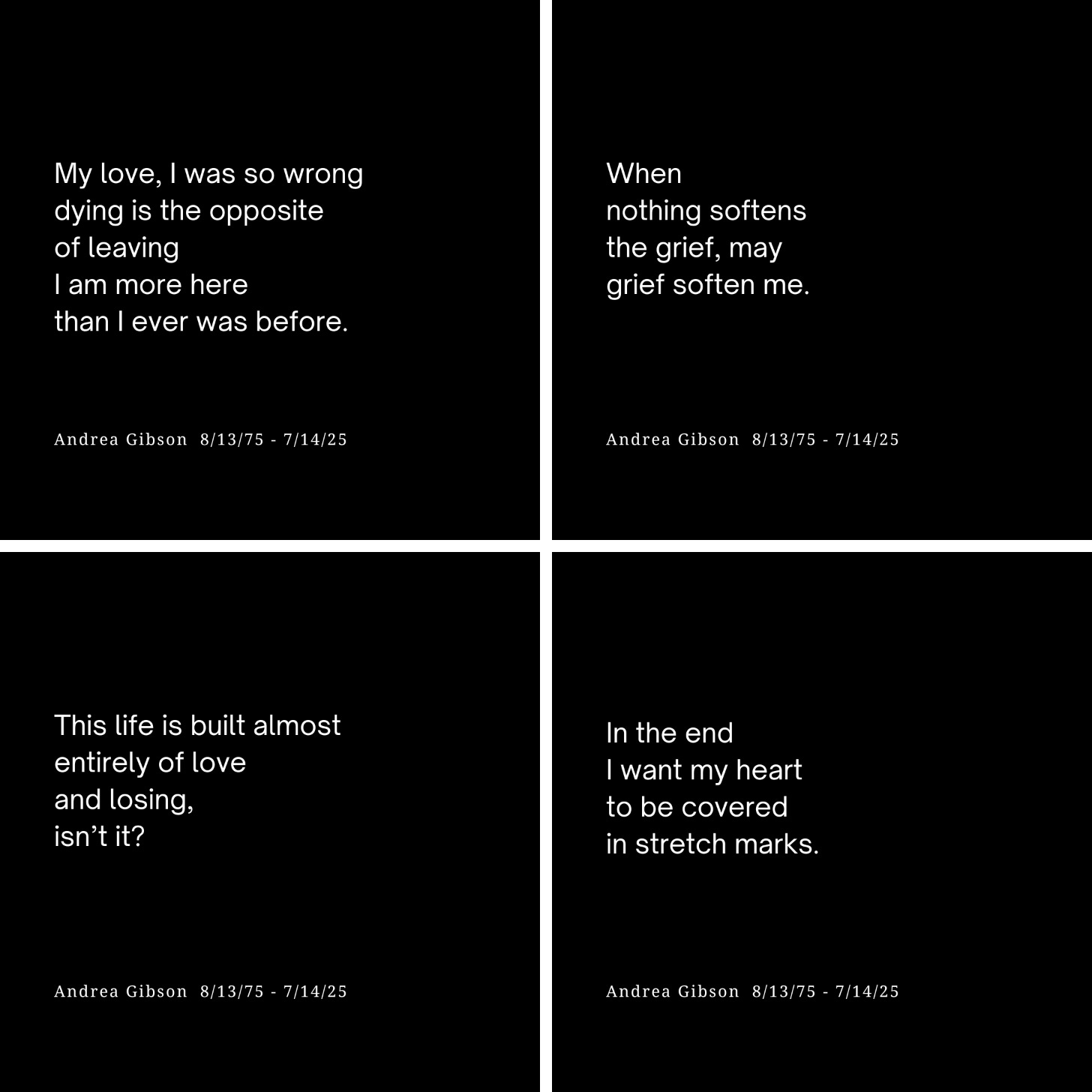
but then, hours later, shadow: i began reading a string of sentences posted from the account of one of my lifeline poets, someone you might call a patron saint of heartbreak and healing, of being more alive than you’ve ever imagined. i started to read, as if it were just another brilliant post: “Whenever I leave this world, whether it’s sixty years from now, I wouldn’t want anyone to say I lost some battle. I’ll be a winner that day.” and then i got to these words: “Andrea Gibson was a winner today. On July 14th, at 4:16AM, Andrea Gibson died…” and my legs stopped moving, and my breath was caught in midstream, and i read and read again. and then my fingers started to tremble, and my knees too. 

andrea gibson

andrea gibson, 49, colorado poet laureate in 2023, queer activist (they/them/their pronouns), who had been diagnosed with stage 4 ovarian cancer in 2021, not long after they’d started a newsletter titled “Things That Don’t Suck,” had many, many times pried open my heart, pulled out the unspoken words and the fears and set them soaring. when i too found out what it is to live with cancer as one of the nouns in my story, i drew andrea into my innermost circle. the ones who know, without you uttering a word, just what you’re thinking, you’re feeling, you’re praying. the ones who some days save you. because even though the cyberworld is distant and intangible, it works in mysterious ways, and someone with whom you’ve never breathed the same air can become someone whose voice you can hear as you flutter to sleep, and whose courage you conjure as they glide you into the sarcophagus that is your biannual CT scan.

light. shadow. light from shadow. shadow deepening light. it’s the dance of the duet, interminably entwined. one is always more beautiful because of the other’s presence, because the duet is perpetual. 

first, this week’s light:

that monk on a bicycle, spotted cycling through the garth just beyond the cloister, is all it took for me to want to whisper my vows, and cycle along. 

as i’m quick to do, i signed up for bishop varden’s website, coram fratribus, a name derived from his episcopal (meaning “of the bishop”) motto, coram fratribus intellexi, latin for “understanding with my brothers.” because the bishop is shepherd of a flock spread across 22,000 square miles in the north of norway, extending beyond the polar circle, he sees his site as a way to speak to the diaspora, to think aloud of those things he finds beautiful or challenging, to gather his flock into a communion of thought. specifically, i felt my heart quicken as i burrowed into the bishop’s collections of writings under the tabs “life illumined,” and the shorter jottings under “notebook,” which he describes thusly: 

“To scribble in the margins of texts is an ancient practice. There are people, these days, who make an academic career out of studying ancient marginalia. Any exercise of reading is fundamentally conversational. The notes collected here are brief responses to impressions received not just through books, but also through encounters, art, music, and films.”

now you see why i, a marginalian of long practice, swoon?

before i get to the paragraph in “life illumined” that drew me deep into thought, let us pause to note why we see that little outline of an owl, in the upper right corner, and hovering over every page of the site. the good bishop describes that choice thusly (emphasis mine from here on in): 

“The emblem of the site is an owl. The owl does not just wing you back to the front page. It has for centuries been a symbol of the monk. Why? Because it watches in the night, when most people sleep; because it is able to see in the dark, discerning movements and patterns, foundations of meaning, where the human eye perceives only vaguely. I am fond of this Italian doggerel:

“Sopra una vecchia quercia
c’era un vecchio gufo:
più sapeva e più taceva,
più taceva e più sapeva.

“In an old oak tree
there sat an old owl:
the more it knew, the silenter it was;
the silenter it was, the more it knew.”

what fluttered into my mailbox the other morning was a page of the monk’s notebook on the nightingale, complete with an ancient poem (from the early middle ages, written by alcuin of york, an adviser to charlemagne) mourning the absence of the wild creature and its delicate throat. a recitation in english and latin, and including a recording of the nightingale’s song. that alone was more than beautiful enough. and then my poking and peeking accelerated, and that’s how, under the “life illumined” tab, i found a break-me-open paragraph on learning to pray.

in an essay focused on the simplicity of jesus’s prayer, and the universal cry of all believers, “lord, teach us to pray,” varden paints the scene of 72 disciples who learned not simply by listening to the words of jesus in prayer, but in witness to his consuming attention to the ways and will of God. varden expounds: 

“Jesus’s teaching on prayer amounted to more than the provision of a text for recitation, that is clear. It was the sight of Jesus praying that made the disciples wish to learn prayer. The words of prayer, which touch our reason and orient our will, point towards the breaking-open of our heart, the transformation of our being as we dare to aspire, even in this life, to ‘become participants of the divine nature’.”

it is the breaking open of the heart, indeed, where the truest serum of our souls pours out. only in the last couple years have i understood that as profoundly as i do now. and, yes, that breaking so often comes with pain, or in pain, or through pain. but i’ve learned now how it truly is the propellent, the force that pushes us deeper into sacred truths than we might otherwise venture. without the breaking open, we might cling to the safer and shallower waters.

the bishop goes on. takes us beyond merely the breaking, and makes the point of its purpose. be it through prayer or through living, the breaking open is the vehicle for those who dare to aspire, in the here and now, to become participants of the divine nature. to inch as close as we can in this lifetime to something akin to sacred. i found a redemptive resonance in that line because at heart, even for the quiet ones among us, we are a people of communion, and there is a heartening, an emboldening, that comes in finding that your purpose, your aim, is not yours alone, but shared in common understanding with at least some of your sisters and brothers.

let us be broken open, then, if it points us toward our holiest purpose. through the break in the clouds, the light comes.

and onto the shadow, the eclipsing shadow…

less than one month shy of her fiftieth birthday, andrea gibson, the poet who boldly faced the coming of her death, who has been amplifying wonder, making us see the unseen, relish the oft-overlooked, took her last breath in the wee hours of monday morning.

i have been relishing her, here and in my everyday, for years now. curiously, her presence in my life spans almost precisely the arc of time in which i’ve been in the company of my own cancer. 

the month before my lung surgery, when the world felt overwhelmingly like the depths of a cave, i wrote of andrea and lines i’d inscribed on my heart: 

thanks to a friend i love with my whole heart, i stumbled on another wise soul with buckets of beauty to grace the world. a poet-activist-performer named andrea gibson, now a cancer survivor whose words might take your breath away. andrea identifies as queer, and uses the pronoun “they;” and they are known for their trademark honesty and bare-naked vulnerability, traits i find irresistible and blessed beyond words. here are just a few lines i couldn’t keep from scribbling down:

when it comes to hearts i want always to be size queen…

i love you because we both showed up to kindness tryouts with notes from the school nurse that said we were too hurt to participate….

when your heart is broken, you plant seeds in the cracks and pray for rain.

before i die, i want to be somebody’s favorite hiding place, the place they can put everything they know they need to survive, every secret, every solitude, every nervous prayer, and be absolutely certain i will keep it safe. i will keep it safe.

andrea gibson

and nearly a year ago, in a musing about scan time’s equal measures of shadow and light, i shared lines that kept me from drowning.

and just a little more than a month ago, i wrote about them and a poem i called more than enough:

yesterday, thursday, this slipped into my mailbox from andrea’s wife, meg:

A couple years ago, Andrea said, “Whenever I leave this world, whether it’s sixty years from now, I wouldn’t want anyone to say I lost some battle. I’ll be a winner that day.”

Whatever beast of emotion bucks or whimpers through you right now, I hope you can hold that line beside it: Andrea didn’t lose anything. If you had been here in our home during the three days of their dying—if you’d seen dozens of friends drift in to help, to say goodbye, to say thank you, to kiss their perfect face, if you’d felt the love that floored every hospice nurse—you would have agreed. Andrea won.

I won’t sugarcoat the fact that they desperately wanted more time on this planet that they loved so much. This planet of squirrels and romance and basketball and moonlight.

But the time they had was significant, prismatic, and wild. It was full of trampolines and mountain ranges, stage lights and pants-peeing laughter. In their words, they “juiced the sun for every holy drop.” One of the last things they said before dying was, “I fucking loved my life.” Their conviction stunned the room.

If Andrea’s life was a poem (and it was), could there be a better last line?

a little backstory, again from meg: 

In 2021, before the diagnosis, Andrea announced they were writing a newsletter, titled Things That Don’t Suck. A few weeks later, we learned they had ovarian cancer.

At first, Andrea said, “What a terrible time to be committed to writing about what doesn’t suck.” Then, almost immediately, they shifted their perspective and said, “What a perfect time.”

And so, this space was born. Part journal, part poetry, part pep talk, part treasure hunt. It became an archive of Andrea’s ability to find beauty in unlikely places, to wring gratitude from even the hardest hours. A museum of how they danced through their diagnosis, always turning their compass toward joy. It fostered a community they deeply loved.

And Andrea wanted all of it to continue.

meg tells us it will. there are reams and reams of unpublished writings, lines scribbled under the silvery light of the moon on those nights when sleep wouldn’t come. pages poured into volumes tucked away. a memoir, unfinished. half-written poems. a documentary coming this fall. 

and meg promises this: 

And there are stories of our life, and of the last months, that I, as their partner, and as a writer, feel both lucky to carry and uniquely able to tell.

As gut-wrenching, impossible, and tear-soaked as this moment is, I’m grateful beyond measure that they were so prolific. Through their books, their reels, their interviews, their albums, Andrea’s incredible mind will reverberate for a century—I’m sure of that.

and so, in the presence of the bishop monk, and the absence of the poet prophet, we shall go on. awake in the light and the shadow. and the shadow that deepens the light. 


in case you’re curious, a bit more about dear bishop varden:

it was only after absorbing so much of his writing that i circled back to learn a bit of his origin story. 

varden was born into a non-practicing lutheran family in a small village in the south of norway, and would go on to earn a doctorate in theology and religious studies at the university of cambridge, and further study in rome. a convert to catholicism at 19, he was drawn to the monastic life, and joined the mount saint bernard abbey, a cistertian monastery, in charnwood forest, in leicestershire, england. he was called to rome to be a professor of syriac language, monastic history, and Christian anthropology. and two years later, returned to the abbey when he was named its eleventh abbot. and, in 2019, pope francis named him bishop of trondheim, a nearly 22,000-square-mile prelature north of the polar circle in norway.

mount saint bernard abbey, varden’s home monastery, is where the only Trappist beer is brewed in all of England, under the name Tynt Meadow English Trappist Ale. beer to the trappists is no earthly distraction. the belgian trappists have a saying: “Beer should be liquid bread, not coloured water.”

and here’s a morsel, this one on the theology of beer, as spoken at the blessing of the monk’s brewery on st. george’s day, 2018. from Dom Erik’s address:

“One of the fascinating things about beer, is that this (potentially) sophisticated beverage is made of the simplest ingredients. By being refined to manifest their choicest qualities; by being brought together in a favourable environment; by mingling their properties and so revealing fresh potential; by being carefully stored and matured, the humble malt, hops, yeast, and water are spirit-filled and bring forth something new, something nurturing and good, that brings joy to those who share it. Considered in this perspective, the brewery provides us with a parable for our monastic life, with the Lord as virtuoso brewmaster. The Scriptures favour wine as an image of the Gospel – but that is culturally conditioned; beer, it seems to me, is a much neglected theological symbol.” 

*boreen, you might recall from a few weeks ago, is the old irish word for what we might call a pothole, a rabbit’s hole, but in ireland, an island etched with cowpaths, it’s a word derived from a meandering side path when the cow decides to venture off on her own….if language is a cumulative patchwork, boreen is a word now in my lexicon….

you’ll find a veritable font of andrea’s spoken word poems, and writings at their website, andrea gibson.org. spend some good time there.
where did you find light and shadow this week?
gravitational pull

i can’t stay away. 

etched on a map, you might not notice; its tucked-away nature is but the flint of its charm: a treasure in almost plain sight. i might have zipped by a thousand times. it only took once for curiosity’s lure to draw me into its fold. and now it won’t let me go.

i’m coming to think of it as my footpath to the wellspring where the sacred stirs me, a nowhere-else-like-it sanctuary under the arbors, carved into the banks of a slow-flowing channel, a serpentine zig and a zag, through patches of woodland and birdsong. 

as far back as i can remember, the woods behold wonder to me. my biography would be laced with a trail through woodlands and ponds and gurgling creeks. the never-ending acres of lily of the valley where my papa once drove me as a wee girl of three. the woods across from the house where i grew up, a copse that came to life in my imagination, one day a pioneer’s outpost, the next day a place to pretend i’m laura ingalls wilder in the big woods. 

trailheads beckon. the barely-noticed aperture into the brush, where suddenly suburbia is leagues and leagues away. maybe it’s my imaginative overdrive, or my storybook tendencies. but give me a path, and a parting of trees leaning this way and that, and my feet cannot but go forward.

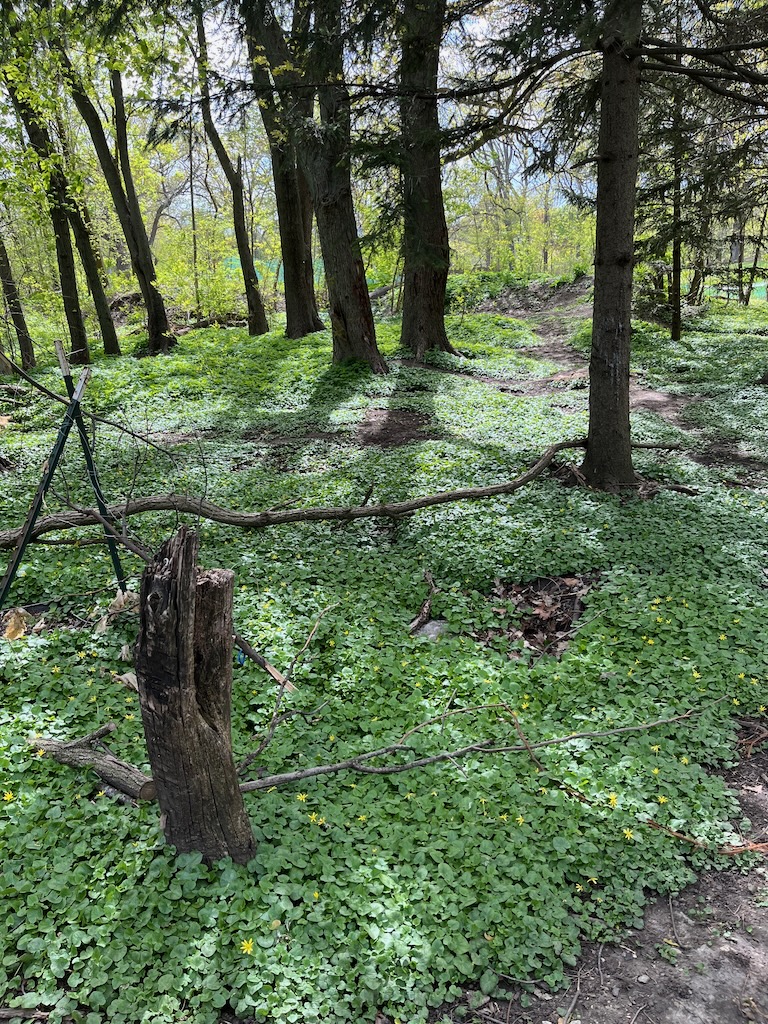
so it was on mother’s day morn when at last i found myself at the trailhead i’d vaguely noticed in the making. trees had been felled, and buckthorn burned by the wheelbarrow full. logs were yanked from where they’d fallen, and laid in a line, woodchips carpeted the paths in between. a woodland trail that meanders along and through a woods both ancient and newly imagined. 

enchanted at first footfall, the only way to describe it. the ups and the downs, the dappling of light, and the peek-a-boo shadow. i walked with my eyes and my mouth wide open. over and over i marveled. 

it’s a woods best described as delicate, at least in the moment—a petit point of vernal ephemerals stitched into the hillsides. springtime at its tenderest, springtime in may when it’s no longer tenuous. 

it’s a place that suddenly holds inexplicable pull on me. enough to lurch me out of my wintry posture, curled over a book or an alphabet keyboard, snug in the nook by the wall-to-wall windows. it’s a place that lured the prayer right out of me. a place to dwell in my quietest stillness. 

it’s my axis mundi, you see. 

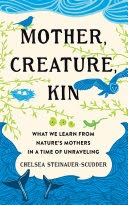
my friend chelsea steinauer-scudder, a breathtaking writer and author of the new book, mother, creature, kin: what we learn from nature’s mothers in a time of unraveling (broadleaf), explains: “i’ve heard countless stories of what i’ve come to think of as axis mundi experiences: encounters that have pulled someone into a deep experience of felt belonging upon the tiny bit of Earth that they find themselves upon. 

“…within the study of religion, an axis mundi is a sacred pole, literal or figurative, which is fixed in a particular place, connecting Earth to the realms of heaven, underworld, and divine. “

these holy places might be a mountain (the Mauna Kea on Hawaii’s Big Island, known by the Indigenous peoples to be the umbilical cord, “the place from which the world emerged”), a cosmic tree (Norse mythology), the Ka’aba in Mecca (which pilgrims encircle seven times, as within it is the stone believed to have been handed to Adam as he was banished from Eden, so his sins would thus be forgiven). 

or, in my case, an undulating woodland path along what in fact is a sanitation canal, though i pretend for the life of me that it’s an idyllic stream or a creek. one that just happens to shimmer an odd shade of aqua, a phosphoresence that might signal toxins astir. 

my friend chelsea goes on to write that “we are a species in need of centers,” and within us there is encoded “an inherent capacity for place-based awe.”

those are the places with gravitational pull. a pull from the deepest well. the sacred well. 

or, as chelsea distinguishes between the capital-A Axes Mundi (the most sacred of places so recognized by cultures or religions), and the small-a axes mundi (the ones you and i might call our own), the ones i know best are the quotidian, intimate ones, defined as “small, daily irruptions of majesty, those any-place encounters with the sacred.”

no surprise then that i can’t stay away. it’s an itch that can’t be scratched till i double-knot my sneakers, and try to remember sunscreen (i never do). 

and it’s walking through a poem, quite literally. the soundscape a montage of birdsong and trill, punctuated with quarter notes and a screech that scares off the feeble.

these are the verses i walked among on just one of my mornings traipsing along the trail: common yellowthroat; red-bellied woodpecker; swainson’s thrush; red-winged blackbird; northern cardinal; blue jay; goldfinch; baltimore oriole; rose-breasted grosbeak; gray catbird; and a hairy woodpecker to boot. it’s as if the crayola crayon box was suddenly feathered in flight. 

and in the flora department, a whole other poem: bloodroot, bluebells, celandine poppy, and columbine. lily of the valley, trout lily, spring beauty, wood anemone, and blue cohosh. jack-in-the-pulpit, shooting star, mayapples, and dutchman’s breeches. 

all these names, which whirl in me thanks to the Original Mother Nature who schooled me, got me to wondering who in the world gave the names to the winged flocks and the leafy ones too. the stories behind names are their own wonders. the ones from folklore and legend are the ones that charm me most: jack-in-the-pulpit is said, of course, to resemble a preacher spreading the Good Word; the trout lilies’ mottled leaves resemble the markings of the freshwater fish; and dutchman’s breeches clearly resemble the pantaloons of one who’d also wear wooden shoes.

those, though, are merely the preamble curiosities, the ones that loosen my soul, open me up to the prayer that burbles up whilst sauntering deeper and deeper, per God’s gravitational pull, unwilling to pause till i get there. to the place where i go to feel as saturated with the sacred as i do of the sun when at last i plop onto the stump of a log, and consecrate the most blessed moment of being.

where is your axis mundi?


wislawa szymborska

and before we part, a poem worth pondering, from the late, great polish poet and nobel prize-winner, wislawa szymborska

Life While-You-Wait

Life While-You-Wait.
Performance without rehearsal.
Body without alterations.
Head without premeditation.

I know nothing of the role I play.
I only know it’s mine. I can’t exchange it.

I have to guess on the spot
just what this play’s all about.
|Ill-prepared for the privilege of living,
I can barely keep up with the pace that the action demands.
I improvise, although I loathe improvisation.
I trip at every step over my own ignorance.
I can’t conceal my hayseed manners.
My instincts are for happy histrionics.
Stage fright makes excuses for me, which humiliate me more.
Extenuating circumstances strike me as cruel.

Words and impulses you can’t take back,
stars you’ll never get counted,
your character like a raincoat you button on the run?
the pitiful results of all this unexpectedness.

If only I could just rehearse one Wednesday in advance,
or repeat a single Thursday that has passed!
But here comes Friday with a script I haven’t seen.
Is it fair, I ask
(my voice a little hoarse,
since I couldn’t even clear my throat offstage).

You’d be wrong to think that it’s just a slapdash quiz
taken in makeshift accommodations. Oh no.
I’m standing on the set and I see how strong it is.
The props are surprisingly precise.
The machine rotating the stage has been around even longer.
The farthest galaxies have been turned on.
Oh no, there’s no question, this must be the premiere.
And whatever I do
will become forever what I’ve done.
~ Wislawa Szymborska ~

(Poems New and Collected 1957-1997, trans. S. Baranczak and C. Cavanagh)

not all gravitational pulls are without hazard

countdown. . .

i clambered up from the basement yesterday morn, and found myself face-to-face with a whiteout. snow falling in thickets. snow whirling wildly. snow, snow, and more snow for hours and hours and hours. 

it was all the currier & ives i needed to supercharge my countdown clock. the one that’s percolating at quicker and quicker clip as the days turn closer to wednesday a week, the eve of thanksgiving itself, when not just one but both of the boys i so love will––for the first time in almost a year––unfurl their dreams on the pillows of their long-ago boyhood beds, all nestled cozily under this mostly dependable, nearly centenarian roof. 

and i will savor the joy of kissing both on the forehead as i trundle off to bed hours before my wide-eyed night owls, or should we all stay up till the same insensible hour i will give it my best waltons’ bedtime holler, and call out from under my bedsheets and across the hall and down a few stairs, “good night, will. good night, Bear. good night, old house. sweet dreams, my beautiful boys.”

it’s been a long hard autumn, held in the vise of worries and fear the likes of which i’d not recommend. and so this coming thanksgiving is the emotional equivalent of frank lloyd wright’s trademark compress-and-release, in which the great architect intentionally magnified the vast spaciousness of a room by first pressing in the walls and the ceiling of the space leading into the room, so that upon stepping through the tight corridor and into the vaulted chamber the sense of openness would be perceived as vaster than ever. 

and so it is with the human dynamic of fear, grace, and gratitude: to walk through unbearable days, days that stretch into weeks, and weeks that stretch into more than a month, and then to find yourself falling into the arms of the human beings you most long to hold onto; it’s the pinnacle of paradise on earth, to be released from the vise and enwrapped in a love without end. 

cancer sharpens that point. cancer sometimes brings on seasons of uncertainty that are quickly populated with ghosts and demons that defy containment. i’m learning the undulations of cancer that are colored in shades of gray. interminable shades of gray. questions that come without answers. doctors who call with unwelcome news. and barely stay on the line long enough to answer a single question. and then you hang up and feel the floor drop out from under you. sometimes––if you’re me––you take the short road to doom. because that’s what worriers do. we worry. we pray for holy release.

in time, we get a grip. regain our bearings. hold our chin high, dry our tears, practice at being brave. whistle into the in-blowing winds. hold tight to the hands of the one or two who know how dark it’s become, and we fall to our knees, or fold to the ground and enter the depths of divine meditation. i’ve spent more hours with eyes closed, palms open, sitting in silence, beckoning the perpetual God-flame within, than ever before. i’ve been tempted to beg, “more time, please.” but i don’t any longer believe i can––or hold any special claim to––change God’s equation, so what i pray for is grace. is heightened attention. what i pray for is an emphatic aliveness that infuses each turn of the day with unbarred acceptance. i don’t want to blink and miss something holy.

those prayers––for grace, for keen attention, for seeing deeper than ever day in and day out, for pausing to savor––are answered, blessedly. and my own season of unending thanks coincides with that of this nation founded on pillars of moral perpetude, and the hope of equal justice for all.

the essence of my life’s gratitude has always been the improbable miracle that i became a mother. that i birthed not one but two glorious humans, and devoted the best of my heart, my soul, my breath, my being, to carving out for them a space in which they’d be cocooned in the purest love i could imagine, could muster. along the way, i’ve tossed every life line i could whenever they needed, and now, lo and behold, they’re the lifelines and i’m the one needing.

and so all these past 45 days, i have longed for only one thing: hours more to sit side-by-side the ones i so fervently sumptuously love. to giggle at their antics. to marvel at their wild-eyed wonder tales. to feel their hands squeeze mine, to be wrapped in their arms, my ear pressed to their chest, absorbing the heartbeat i’ve loved since the very first ultrasound when that echoing lub-dub-dub poured over and through me like the holiest chrism. 

this is a countdown like never before. and my heart is more than open for business. the business of loving my boys. in real time. under one shared and sheltering roof.

thanksgiving morn, a few years ago.

here’s a poem, fittingly, a prayer poem by the great madeleine l’engle, who lived by words but found herself wordless in prayer. which, indeed, is sometimes the way to our deepest depths…

Word

I, who live by words, am wordless when
I try my words in prayer. All language turns
To silence. Prayer will take my words and then
Reveal their emptiness. The stilled voice learns
To hold its peace, to listen with the heart
To silence that is joy, is adoration.
The self is shattered, all words torn apart
In this strange patterned time of contemplation
That, in time, breaks time, breaks word, breaks me,
And then, in silence, leaves me healed and mended.
I leave, returned to language, for I see
Through words, even when all words are ended.
I, who live by words, am wordless when
I turn me to the Word to pray. Amen.

––Madeleine L’Engle


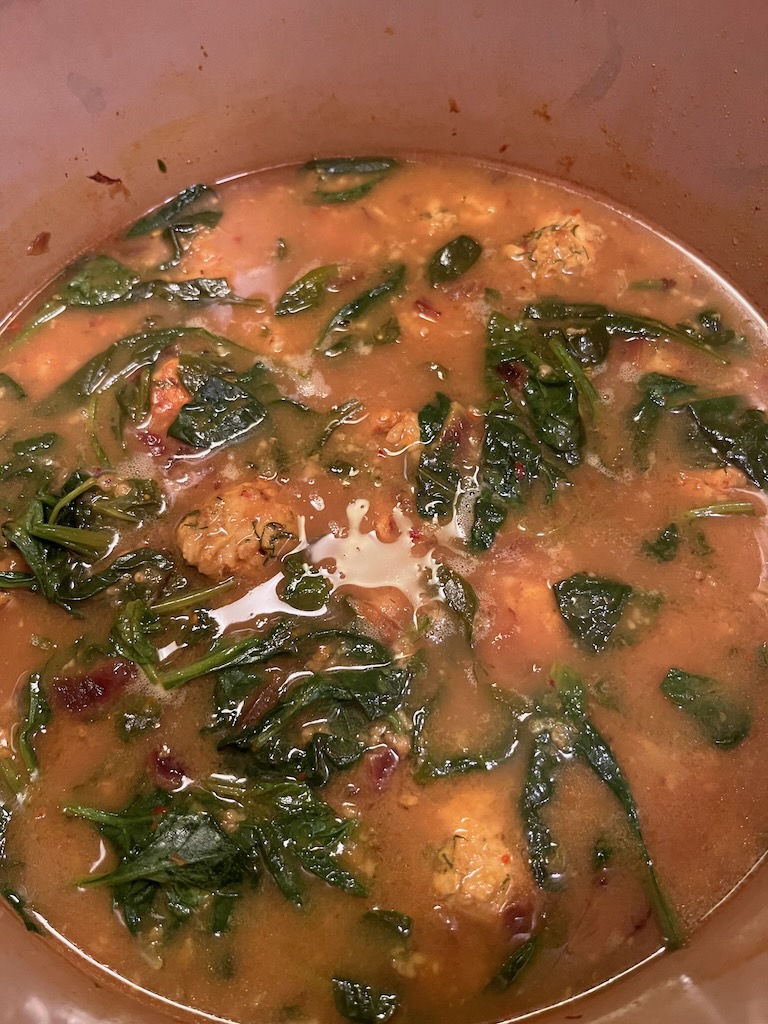
and here, because i love to imagine ladling steaming bowls of soup to people i love, is my new favorite stoup recipe, lemony chicken-feta meatball with spinach from my friends at NYT Cooking (you will be licking the bowl; it’s that good):

Lemony Chicken-Feta Meatball Soup With Spinach
By Yasmin Fahr
Yield: 4 servings
Total Time: 30 minutes

Note from NYT: Some might be suspicious of the rolled oats called for in this recipe, but used in place of breadcrumbs, they help create a light and tender chicken meatball. A half-cup more is simmered in the broth, which thickens it and provides a pleasant texture. The meatballs, made with ground chicken, feta and fresh dill, swim in a lemony, spinach-filled broth that’s comforting and light, perfect for lunch or dinner. Serve any leftovers with a fresh squeeze of lemon juice to brighten the soup.

INGREDIENTS
1 pound ground chicken or turkey, preferably dark meat (i use white meat)
½ cup crumbled feta
¾ cup old-fashioned rolled oats
1 small red onion, halved (½ diced, and ½ grated, then squeezed with a paper towel to remove excess liquid)
⅓ packed cup fresh dill leaves and fine stems, finely chopped
1 tablespoon ground cumin
½ teaspoon plus 1 tablespoon ground turmeric
Kosher salt and black pepper
3 tablespoons olive oil
½ teaspoon red-pepper flakes, plus more for serving
4 cups low-sodium chicken broth
4 packed cups baby spinach (about 5 ounces)
2 lemons (1 juiced and 1 cut into wedges for serving)

PREPARATION
Step 1
In a medium bowl, add the chicken, feta, ¼ cup oats, the grated onion, most of the dill (reserve about 2 tablespoons for garnish), the cumin, ½ teaspoon turmeric and 1 teaspoon salt. Gently combine without squeezing too hard or overworking the meat. Lightly wet your palms and shape the meat into small balls, a little smaller than the size of a golf ball, about 1½ inches. (You will have approximately 25 balls.)

Step 2
Heat the oil in a large Dutch oven or wide pot over medium until shimmering. Add the diced onion, season with salt, and cook until it begins to soften, about 2 minutes, stirring occasionally. Add the remaining 1 tablespoon turmeric and the red-pepper flakes, and stir until fragrant, about 30 seconds. Push the onions to the sides as best you can, then add the meatballs. (They will be close together, and that’s OK.) Cook until browned on two sides, 5 to 7 minutes total.

Step 3
Pour in the broth and remaining ½ cup oats, then gently tilt the pot to the right and left to distribute the oats and broth without disturbing the meatballs. Bring to a gentle boil, then immediately reduce the heat to maintain an active simmer. Season with salt. Cook, gently stirring occasionally to make sure nothing is sticking to the bottom, until the oats have softened and the meatballs are cooked through, about 4 minutes more.

Step 4
Stir in the spinach and lemon juice until the spinach is wilted, about 2 minutes more. Adjust the seasoning to taste. Spoon into bowls, top with pepper and the remaining dill. Serve with lemon wedges.

what is your heart longing for this season of through-and-through thanks?

a sky so big it holds me

when i need to talk to God, and i do plenty often these days, there is one certain place i know God will be waiting. i know it because i feel it. and feeling God is much more than knowing. at least to me it is. 

the place where God all but reaches down and swoops me into God’s arms is at the shoreline, where the vault of blue heaven is vast, is infinite, where the water’s edge might take on any one of uncountable modes: it might be uncannily calm, so calm the ripple is but a purling, a burbling so barely perceptible it’s as if the lake is tickling the sand; or it might be roiling and cacophonous, so deafening you can barely hear the words rising from your own throat. 

i could stand there all day, my toes planted in sand, my head tilted back, eyes wide. heart thrust forward and up, up. 

i’ve been walking there each day with my beloved. our footfalls in the sand the only sign we’ve been by. sometimes, if i go alone, i curl small as a hedgehog and settle into the grasses that rise from the hillocks of sand. i stay till the last of my prayers are unfolded, laid at the lap of the One Who Is Listening.

it’s as holy a place as i know. 

to feel God reach down and hold you, to know that the vastness above is deep and wide and forever enough to absorb each and every whisper and plea, to know that the deepest cries of your heart might be heard, to feel the soothing that comes as if your trembling shoulders are now wrapped in angora skeins, that is to me the very essence of a God who’s bigger and deeper, more infintely tender and close, than anything or anyone i could ever, ever imagine. or behold.

some days i need a God of extra-big volume and size. a God big enough to hold me, to press against me so firmly that all of my worries, like wrinkles, are melted away. those are the days i look to the heavenly dome. where mine is a God who knows me inside and out. sometimes my insides are so very scrambled and messy. 

it’s the closest i’ve come to that magnificent image of saint john of the cross, the one who rested his head against jesus’ chest at the very last supper, who let it be known that he was listening for the heartbeat of God. an indelible image that’s become a life-giving instructive (a particularly celtic one) for us all: to listen wherever we go for the unending pulsebeat and presence of God.

sometimes, inside the rooms of a house your worries can clang around noisily, too noisily. they can crowd out all of the air, and make you want to climb out of your skin. that’s where the heavens come in, where the shortest reach between me and my God is the indigo dome of the night at the beach, or the undulations of blues and grays in mid-afternoon. dawn at the water’s edge is a whole other slide show, one played out in the fieriest streaks of the rosy-red color wheel. 

and those are the days i all but run to the shoreline, to the water’s edge, where the alchemy of sand, sea, and sky are stirred into a medicinal balm, a sacred balm, like no other. and the God to whom i run always, always is there for me.


here’s a little extra beauty from the late poet anne sexton, whose story is drenched in struggle and sorrow, but who reached for the light coming in through the cracks. i tell a little bit of her story down below, but first, the poem:

Welcome Morning

There is joy
in all:
in the hair I brush each morning,
in the Cannon towel, newly washed,
that I rub my body with each morning,
in the chapel of eggs I cook
each morning,
in the outcry from the kettle
that heats my coffee
each morning, 
in the spoon and the chair
that cry “hello there, Anne”
each morning,
in the godhead of the table
that I set my silver, plate, cup upon
each morning.

All this is God,
right here in my pea-green house
each morning
and I mean,
though often forget,
to give thanks,
to faint down by the kitchen table
in a prayer of rejoicing
as the holy birds at the kitchen window
peck into their marriage of seeds. 

So while I think of it,
let me paint a thank-you on my palm
for this God, this laughter of the morning,
lest it go unspoken. 

The Joy that isn’t shared, I’ve heard,
dies young.

  • Anne Sexton
anne sexton

sexton, a 20th-century american poet, was considered one of the Confessional poets, along with maxine kumin, sylvia plath, and robert lowell. after the birth of her first daughter, she suffered from post-partum depression, had her first so-called nervous breakdown, and was admitted to a psych hospital. she suffered depression the rest of her life, a life that ended in suicide when she was 45.

although her poetry was criticized by some as “soap opera-ish,” others praised it for the ways it expressed “the paradoxes deeply rooted in human behavior and motivation. her poetry presents multiplicity and simplicity, duality and unity, the sacred and the profane.”

one of sexton’s earliest champions, erica jong, reviewing her 1974 The Death Notebooks, argued for sexton’s poetic significance, claiming her artistry was seriously overlooked: “she is an important poet not only because of her courage in dealing with previously forbidden subjects, but because she can make the language sing. of what does [her] artistry consist? not just of her skill in writing traditional poems … but by artistry, i mean something more subtle than the ability to write formal poems. i mean the artist’s sense of where her inspiration lies …there are many poets of great talent who never take that talent anywhere … they write poems which any number of people might have written. when anne sexton is at the top of her form, she writes a poem which no one else could have written.”

where are the places in your world where your prayers feel especially heard? where a holy comfort might enwrap you? and you just might feel held? and, thinking of sexton’s poem, if you were to write a litany of morning joys, what would be among your joys?

prayers for this country as we cross over the threshold of this next election. prayers for peace, prayers for truth, prayers for grace….

in the tabernacle of an autumn’s night

these are days of awe, all right. the earth and heavens––at least here on the northern half of the globe—are turning in, the shadows growing longer. yet the last gasps of summer’s bounty do not fade without an exuberance of autumn. the sky somehow seems more star-stitched. and the moon, the moon at its most zaftig of the month bathes all in amber wash. 

it’s as if all is ringing out in exclamation. one tree more golden than the next. berries so abundant on the bough, the boughs are bent in botanic downward dog.

i can almost hear the whisper of the woods, and even my ramshackle garden, calling out, don’t forget us, don’t forget how glorious we were and are, the delights and wonders we’ve offered since the symphony of spring began: the perfumes, the unfolding petals, the sweetness of the fruits, the earthly prayer of wind rustling through the leaves. 

it’s a paean in minor key––part elegy, but mostly gratitude and grace.

to partake of it is holy.

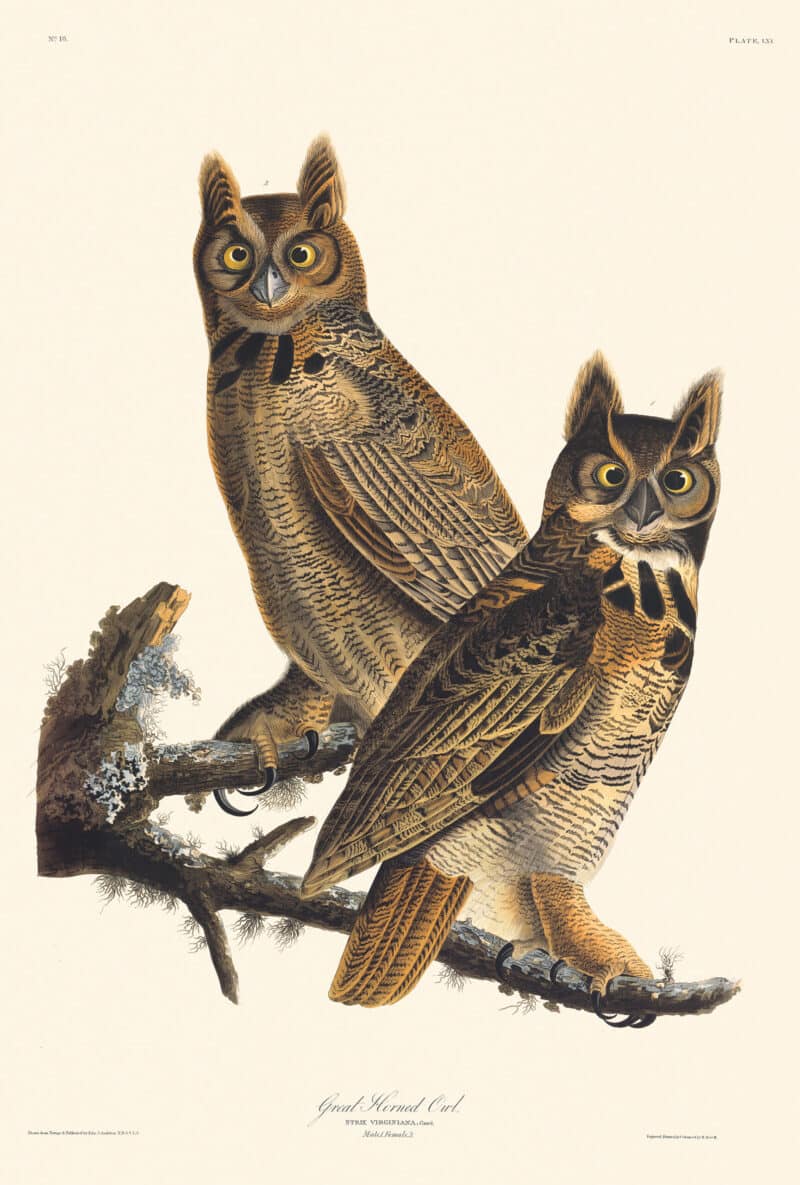
the other night i stepped into the chill of just-past dusk, ferrying a crumb-strewn pizza box to the recycling bin, and before two footfalls had crossed the bricks, the haunting whoot-whoo-whoo of a great horned owl called out from somewhere in the trees. 

john james audubon: great horned owl

owls might be my spirit bird. i learned reverence for owls from my grandma lucille, who wore one in a jeweled brooch she pinned to her bosom, and tucked in many a nook and cranny of her ivy-covered house. far back as i can remember, the front of her ice box was forever festooned with strigiform, a magnet onto which she’d glued an owlish silhouette cut from felted wool and adorned with alphabet-letter pastas as its eyes and ears and markings. not one for idling, my grandma once or twice was spied by little me with ear pressed hard to windowpane, rapt by the nightcall from the woods.

i too stand rapt. 

of all the notes that rise from avian throats, the owl’s are the ones that stir me deep down where the prayers rise up. at the first of the whoot-whoo-whoo the other night, i felt myself break out in goosebumps. then i lifted my eyes, drank in the light of that nearly full hunter’s moon, and prayed. mightily. 

i sometimes think that trips to the recycling bin are my surest daily invitation into prayer. into the cloak of night. against the silence of a day gone hush. the tabernacle in which i offer up my nightly office is one that stations me on the cracked concrete slabs of my alley. trash cans line the side aisle. and the nave is vast. is infinite. in between where trees and old garages block the view, the sky opens wide and deep. here where i live, sky is a bit of a commodity. sunsets aren’t free for the viewing, blocked by those mainstays of suburbia: house and tree and fence. but the night sky, the obsidian up above, is blocked by no one or nothing and it is enveloping enough to soak up my every verse of prayer. 

and so i stood there flinging madly. add-on after add-on. a madwoman hungrily hanging her prayers out to dry. as if a clothesline of prayer i string across the alley, flinging each one skyward as i inch my way down the line. 

it’s a sacred thing to stand beneath a wheel of yellow moon, with a whoot-whoo-whoo as chorister, and to pour out your insides to the heavens. 

i pray the heavens heard.


here’s a bit of what else stirred me this week . . .

vassar miller was an american poet and writer, who served as poet laureate of texas in 1982 and 1988. born with cerebral palsy, her father encouraged her from a young age to write by typewriter, which she did prodigiously. and powerfully. she once said that the purpose of her life was “to write. and to serve God.” it brings me great joy to bring her here to this holy table.

Morning Person

God, best at making in the morning, tossed
stars and planets, singing and dancing, rolled
Saturn’s rings spinning and humming, twirled the earth
so hard it coughed and spat the moon up, brilliant
bubble floating around it for good, stretched holy
hands till birds in nervous sparks flew forth from
them and beasts — lizards, big and little, apes,
lions, elephants, dogs and cats cavorting,
tumbling over themselves, dizzy with joy when
God made us in the morning too, both man
and woman, leaving Adam no time for
sleep so nimbly was Eve bouncing out of
his side till as night came everything and
everybody, growing tired, declined, sat
down in one soft descended Hallelujah.

+ Vassar Miller


and this beauty from christian wiman…

Prayer
By Christian Wiman

For all
the pain

passed down
the genes

or latent
in the very grain

of being;
for the lordless

mornings,
the smear

of spirit
words intuit

and inter;
for all

the nightfall
neverness

inking
into me

even now,
my prayer

is that a mind
blurred

by anxiety
or despair

might find
here

a trace
of peace.

Christian Wiman, “Prayer” from Once in the West, published by Farrar, Straus and Giroux. Copyright © 2014 by Christian Wiman.

what stirred you to awe this week?

the beauty of small things

sometimes when i pull up a chair, and plonk myself down at this table i am really only beginning to trace an idea, almost like beginning a drawing by dragging my finger through a scattering of powdered sugar. (who paints in powdered sugar, i do not know, but then my mind is a mysterious sometimes-tilted place…) 

and so, this morning, with a tidal wave of a week behind me, and a busy day ahead, i am sitting here tracing my finger along the tabletop, thinking aloud about a thought that surfaced and re-surfaced all through the week.

it’s the beauty of small things.

a few nights ago i was sitting below ground in a library where once upon a time i would have been a regular resident. i was back at my college, a college where one of the study carrels on the fourth floor of the old library all but had my name engraved in it; it certainly had my coffee stains seeped into its woodgrain. this night i was in the new iteration of what had once been my temple of memorization and occasional epiphany.

i was talking about my book, and talking about how my holiest posture, the one that stirs me most deeply, is when i feel small against the vastness of the universe. how i break out in goosebumps, the most comforting goosebumps, when i am crouched down low, arms wrapped around shins, an origami of flesh and joints folded, nestled between dune grasses, perhaps, looking up, into the star-salted heavens. 

i consider it a holy thing to know how infinitesimal we are in this vast and intricate cosmos. our modernday world could do with a very strong dose of downsizing our egos. humility is wanting in the 21st century. 

as serendipities so often happen, that one moment was followed by this:

not long after the talk had wrapped up, a jesuit priest i’d met earlier in the day––a brilliant young priest i hope to befriend, for i do believe we both felt something of a lightning bolt strike in our shared fascinations with theology and literature and their divine intertwining––my new friend father joe came bounding up to the armchair where i was still sitting, slipped a piece of paper into my hand, and began speaking in latin. yes, latin. he then told me (in english, thank heaven) that when i was talking about how i love to go small, he just happened to think of the great line from thomas aquinas, a line often quoted by pope francis: 

“not to be confined by the greatest, but able to be contained by the least, is a mark of the divine.” 

i am still marveling that i have a new friend who whips off lines from aquinas, in latin no less. and i admit to being schoolgirl-crush blushed when i learned (from a little morning-after googling around) that he earned his DPhil at oxford, and might be the closest thing to an Inkling (that literary cadre of Tolkein and CS Lewis and Oxfordian friends in the mid-20th century) in my current state of being. 

but back to small things. 

the very morning after being so taken by that line from aquinas, the first thing i happened to read was this paragraph from the japanese writer Miho Nonaka “on the beauty of small things.” 

“I am drawn to small things. I wrote the poem [“The Museum of Small Bones”] after seeing an exhibit of the skeletons of small animals like bats, moles, and baby lizards. …There was a sense of dignity to the architecture of each animal’s bones. When you see something like that, you can’t help but reflect on God’s creativity as an artist. And for me, smallness matters, because it makes God’s intentionality and investment in each creation appear that much more acute.”

the reason i read with pen and sometimes scissors in hand is because other people always say what i’m trying to say, only better than i can. and so it is with Miho: “…smallness matters, because it makes God’s intentionality and investment in each creation appear that much more acute.”

the intersection of thirteenth century aquinas, and 21st-century nonaka, is what stirs me to attention. surely there is wisdom to be plumbed, and contemplation to be unspooled in the hours and days before me, as i deep-dive further into the beauty of small things. we are living in a world of atrocity. we can be broken at any moment by the sheer evil and deceit that comes without pause, it so often seems. but there, on the simple footpath we trod, we stumble on tiny shards of shimmering light. shards that just might save us. 

and this week, the beauty of small things is the shimmering shard of thought that just might brace me against the unending brokenness. 

and on the subject of brokenness, i offer this prayer for the state of israel*…..

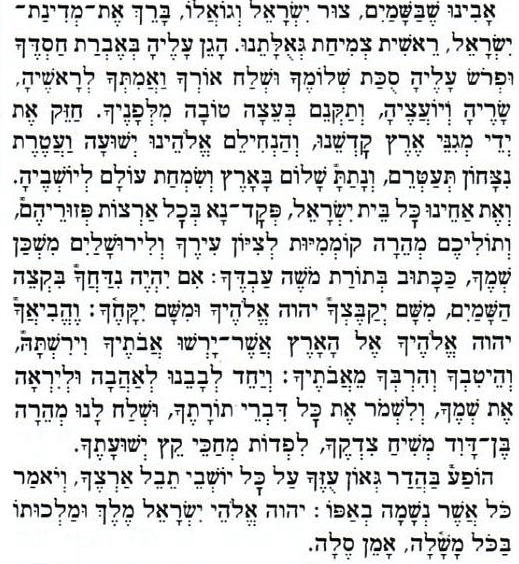
Our Father in Heaven, Rock and Redeemer of Israel, bless the State of Israel, the first manifestation of the approach of our redemption. Shield it with Your lovingkindness, envelop it in Your peace, and bestow Your light and truth upon its leaders, ministers, and advisors, and grace them with Your good counsel. Strengthen the hands of those who defend our holy land, grant them deliverance, and adorn them in a mantle of victory. Ordain peace in the land and grant its inhabitants eternal happiness.

Lead them, swiftly and upright, to Your city Zion and to Jerusalem, the abode of Your Name, as is written in the Torah of Your servant Moses: “Even if your outcasts are at the ends of the world, from there the Lord your God will gather you, from there He will fetch you. And the Lord your God will bring you to the land that your fathers possessed, and you shall possess it; and He will make you more prosperous and more numerous than your fathers.” Draw our hearts together to revere and venerate Your name and to observe all the precepts of Your Torah, and send us quickly the Messiah son of David, agent of Your vindication, to redeem those who await Your deliverance.

Manifest yourself in the splendor of Your boldness before the eyes of all inhabitants of Your world, and may everyone endowed with a soul affirm that the Lord, God of Israel, is king and his dominion is absolute. Amen forevermore.

i pray too for the innocent of gaza, for those without hope, or water, or food, or electricity. i pray and i pray. and i wonder over and over who in hell’s name beheads a child? pray for this desperate world. pray however you do, however you can…..

what saved you from brokenness this week?
*”prayer for the state of israel” from the jewish virtual library

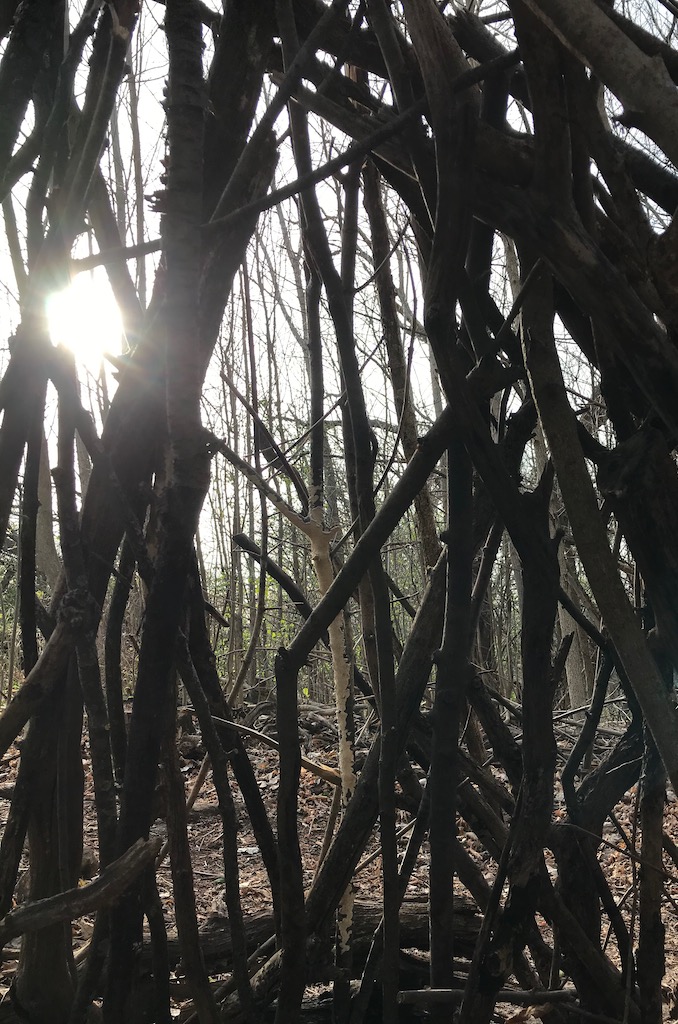
photo above by my favorite law professor, will kamin, back when he was taking AP photography his senior year of high school….

the prayer after the fall. . .

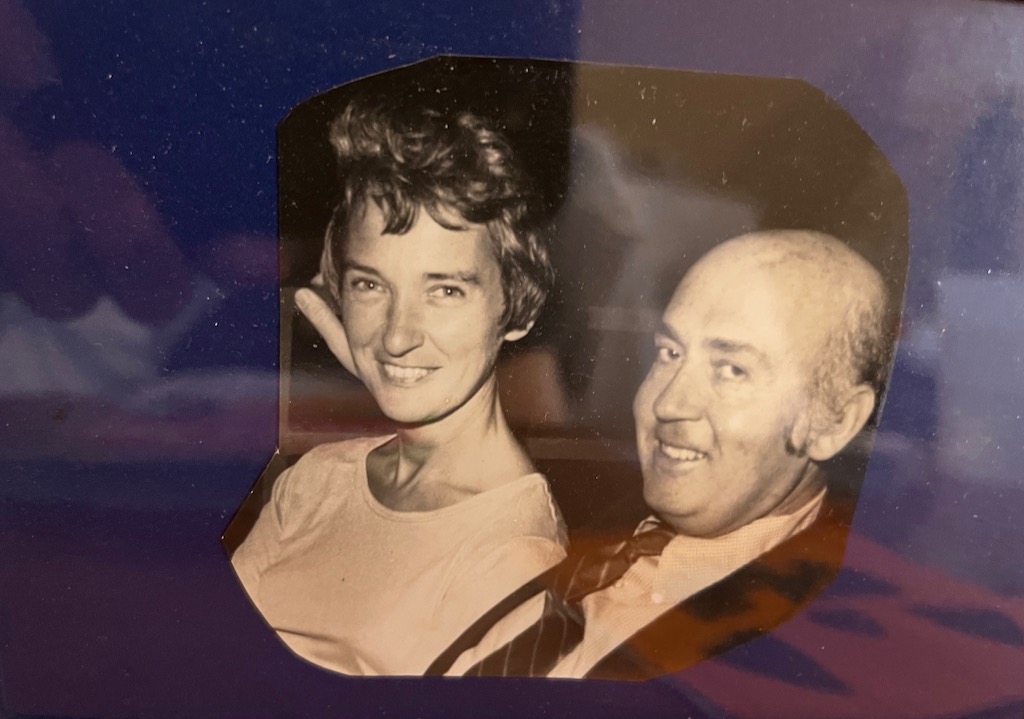
my mama and papa, a long long time ago…

it was the call you pray you never, ever get: early morning. “police and paramedics are already there.” little else known.

except that it was my mom. and she’d taken a terrible fall, a nightmare of a fall. police had broken in the front door when they saw her lying, crumpled, unresponsive, at the bottom of the stairs. a spotted trail of blood had followed her down the last eight of 14 stairs, around the landing, and onto the slate floor of the front hall, where it had pooled. 

as the pieces started to fall into place, one theory was replaced by another, and what we knew was that it was a fall from the top of the steep hardwood stairs to the hall down below. she’d been lying there almost 12 hours. 

and i was some 200 miles away, driving 70 miles per hour, suddenly fielding phone calls to and from brothers scattered across the country, detroit, california, maine, and the brother whose car was following the ambulance to the emergency room where so much of our family’s life has unfolded: death, birth, broken arms and legs and umpteen stitches, hours-long surgeries and outpatient, too, along with a few godawful diagnoses.

my mother’s most fervent prayer since a car accident two aprils ago has been “to go home.” and home to my mother is heaven. she desperately doesn’t want to be alive anymore. finds little joy in the everyday. except for the birds. and irish whiskey on the rocks, with plenty of water, at 5 p.m. sharp (or 4 if nobody’s looking). and as she said to me in a whisper from her ICU bedside the other day, “to be honest, i wish i’d gone” (meaning not waken up after the fall). “but not that way, i guess” (meaning not alone, in the dark, at the bottom of the stairs, when she thought she’d been headed into the shower, to climb into bed, for another restless night of not much sleeping). 

my mother, who is as pragmatic and plainspoken as the day is long, wasted little time in realizing “i might never be allowed to live alone again.” a dawning followed quickly by “can you take me right now to westmoreland,” which is not quite the name of the place where she’s been on a waiting list for independent living since two aprils ago, and at least four times has told them “i’m not ready” when they’ve called her with an available apartment.

she’s still not ready. not really. 

but my mother’s face and scalp and arms and legs are the color of eggplant right now. the bruising so intense it’s long past purple and deep into inky indigo. somewhere between aubergine and midnight. and that’s only what’s broken on the outside. ribs, and vertebrae, and a bone on her face, they’re broken too. 

i was lying in bed the other night, the night before we moved my mother to rehab, tallying the things my mother will miss after 60 years in the house where we all grew up, the house she would not leave because of its tall oaks, and its sunsets out the kitchen window, and the birds and the deer and the pair of ducks who waddled under the fence each and every spring. 

after all these years of knowing ours was the house at the first bend on the winding dead-end street, across from the green pond and the woods where i grew up, across from the country club where my mother for years would strap on skis after any snowfall and glide for miles across snowy greens and tees and sand traps, i am bumping into brain hiccups any time i try to wrap my head around the brand-new notion that 707 will no longer be. or no longer be ours anyway, no longer the polestar to our family chronicles. 

for now, my mother is miles away from that old house. and she’s never going back. says she doesn’t think she could bear to say one last goodbye. so we will shutter it, the five of us who know that house inside and out, who know which upstairs window was the one a brother climbed in one night too late past curfew, the sliding door where another brother was showing off his brand new BB gun and PING! the glass was shattered, the arbor of oaks under which i and my beloved were married. 

this is not the way my mama––or any of us––wanted her story to end. 

but we’ve soldiered on before. she has always taught us how. she’s not one to buckle under. 

she’s been widowed 42 years; buried a husband, and a tiny baby granddaughter atop her husband’s grave; mothered five children, each of whom has had twists and turns and upside downs. she’s had cancers of her own. 

and till now, she has not crumpled. 

even now, her faith has barely flagged. but she looks up at me, through her swollen ink-black eyes, and asks, “barbie, why won’t God take me?” 

and how can i answer that, other than to say, “mama, we don’t know. we just don’t know.”

and so i rub her back where the terrible aching is, and we find her favorite cowboy channel, and i pray and i pray. don’t think me wrong to echo my mama’s prayer. i pray too, dear God, please take her home. she wants so very, very deeply to be there…

i’m transfixed by that photo above. i stare into my mama’s long-ago glimmer. i miss them both, so deeply.

today my only questions are ones without answers…

exercise in empathy, another name for prayer

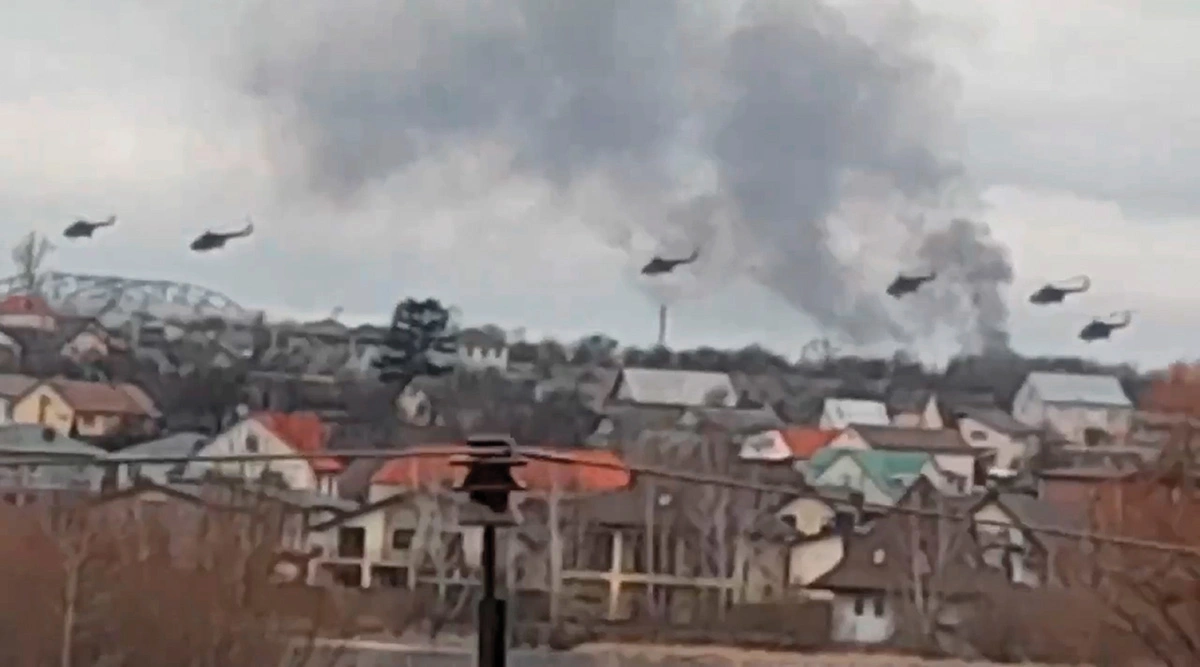
A screenshot of a video released by the Ukrainian Police Department Press Service of military helicopters, apparently Russian, flying over the outskirts of Kyiv, February 24, 2022 

can you imagine? can you imagine waking up with your bedroom windows shaking, a distant thump unmistakably drenching you in dread, even in the liminal fog of your pre-dawn dreams? 

can you imagine lifting your newborn from the crib, cradling him against your breast, and running in the cold to the nearest subway shelter, where you will then spend hours upon endless hours, hearing the faint cacophony of what you know to be bombs exploding on a land you call your own?

can you imagine? 

can you imagine rushing to your kitchen, clearing shelves of whatever might fuel you in the long hours ahead, grabbing your dog, your kids, your passport, and climbing behind the wheel of a car with only a half tank of gas, a tank you meant to fill the day before but one of the kids got cranky so you thought you’d put it off? 

can you imagine if you were due to show up for an MRI to see how far the cancer had spread, how fractured was the tibia, the hip, the wrist, but now the air-raid sirens blare through the dawn and you have to weigh a trip to the hospital or the nearest border? 

can you imagine watching your father fill his duffle bag, turning toward the door, pausing to kiss you on the forehead, watching the tears well up in your mother’s eyes, seeing how her hand now is shaking, how she clutches the sleeve of your father’s coat, and how he pulls himself away, unlocks the door and steps out into darkness? and your mother fills the sudden emptiness with a wail you’ve never heard before?

can you imagine holding a ticket to a flight out in the morning only to awake to find the airports all are closed, bombed in the night, and no air space is safe for flying?

imagining is imperative. imagining is how we weave the invisible threads that make us one united people, that make us begin to know what it is to walk in another’s hell. 

imagining is the birthing ground of empathy. 

and empathy fuels our most selfless urgent prayer. 

empathy––a necessary precondition for loving as you would be loved, the necessity of imagining another someone’s pain or fear or desperation, for sometimes imagining nothing more complicated than cold or hunger or exhaustion so overwhelming you’re sure your heart is on its last full measure––empathy is the exercise that puts form and fuel to prayer, that enfolds its stripped-down architecture in the flesh of humanity. be it agony, or terror. be it frenzy, or dizzying confusion.

empathy is what lifts our prayer out of the trench of numbness, muttering words we memorize but do not mean. empathy fine chisels each and every prayer. catapults us beyond our own self-obsessed borders, across time zone or geography. conjoins our circumstance with that of someone we have never met, someone whose predicament is dire, and is––in fact––beyond our most ignited imagination.

truth is, our empathy cannot take us the whole distance. cannot––despite our deepest straining––plant us in the fiery pit of what it is to be awaking to the bombs, watching the ones we love walk into the inky darkness, not knowing for weeks if they’re dead or alive, maimed or shackled, or someone else’s prisoners of war.

but it’s the place to begin.

and isn’t the whole point of praying to reach across the emptiness, the void, to unfurl the one first filament that might begin to bring us side-by-side, in soul and spirit if not in flesh? 

don’t we sometimes pray as if to hoist another’s leaden burden onto the yoke of our own shoulders? 

isn’t the heart of it to lift us as one? we’re not here as parties of one, churning up our own little worries, butting our place to the front of the God line. we’re here to pay attention. to scan for hurt and humiliation, to go beyond, far beyond, lip service and throw-away lines.

imagination––the exercise of empathy––is a God-given gift, it’s the thing that equips us to love as you would be loved. without it, our every petition is flat. is a waste of our breath, really.

we invoke the hand, the heart of God, yes. but isn’t it our business, our holy business, to get about the work of trying to weave us into true holy communion?

it is our empathies that just might save us as a people, that just might move us toward the place where all our prayers rise in echo, from all corners, nooks, and crannies.

it’s not often we wake up to war. but we did this week. and so we will in the weeks and weeks to come.

i awake now in unending prayer. another name for exercising empathies, to stay awake to the suffering now inflicted on ones we’re meant to love. even if we’ll never know their names.

***

i searched for a prayer for peace, and came circling back to this, from ellen bass; it is a prayer for all, no matter to whom or what or how you pray:

Pray for Peace

Pray to whomever you kneel down to:
Jesus nailed to his wooden or plastic cross,
his suffering face bent to kiss you,
Buddha still under the bo tree in scorching heat,
Adonai, Allah. Raise your arms to Mary
that she may lay her palm on our brows,
to Shekhina, Queen of Heaven and Earth,
to Inanna in her stripped descent.

Then pray to the bus driver who takes you to work.
On the bus, pray for everyone riding that bus,
for everyone riding buses all over the world.
Drop some silver and pray.

Waiting in line for the movies, for the ATM,
for your latte and croissant, offer your plea.
Make your eating and drinking a supplication.
Make your slicing of carrots a holy act,
each translucent layer of the onion, a deeper prayer.

To Hawk or Wolf, or the Great Whale, pray.
Bow down to terriers and shepherds and Siamese cats.
Fields of artichokes and elegant strawberries.

Make the brushing of your hair
a prayer, every strand its own voice,
singing in the choir on your head.
As you wash your face, the water slipping
through your fingers, a prayer: Water,
softest thing on earth, gentleness
that wears away rock.

Making love, of course, is already prayer.
Skin, and open mouths worshipping that skin,
the fragile cases we are poured into.

If you’re hungry, pray. If you’re tired.
Pray to Gandhi and Dorothy Day.
Shakespeare. Sappho. Sojourner Truth.

When you walk to your car, to the mailbox,
to the video store, let each step
be a prayer that we all keep our legs,
that we do not blow off anyone else’s legs.
Or crush their skulls.
And if you are riding on a bicycle
or a skateboard, in a wheelchair, each revolution
of the wheels a prayer as the earth revolves:
less harm, less harm, less harm.

And as you work, typing with a new manicure,
a tiny palm tree painted on one pearlescent nail,
or delivering soda or drawing good blood
into rubber-capped vials, twirling pizzas–

With each breath in, take in the faith of those
who have believed when belief seemed foolish,
who persevered. With each breath out, cherish.

Pull weeds for peace, turn over in your sleep for peace,
feed the birds, each shiny seed
that spills onto the earth, another second of peace.
Wash your dishes, call your mother, drink wine.

Shovel leaves or snow or trash from your sidewalk.
Make a path. Fold a photo of a dead child
around your Visa card. Scoop your holy water
from the gutter. Gnaw your crust.
Mumble along like a crazy person, stumbling
your prayer through the streets.

–Ellen Bass

how did you learn to pray?

a note in an age of war: when the first reports started seeping in, when the news broke the other night that shelling had started along the northern, eastern, and southern borders of ukraine, it wasn’t long till i found myself thinking of all of you here at the chair. i knew we would all be huddled on the edge of our armchairs, keeping watch, keeping terrible watch. made me wish that every once in a while we could be together in real time, with our real faces and voices. our hearts and souls come to life. maybe after two years without company, without mornings when i set out mugs and bowls spilling with clementines, i am getting hungrier for human contact. made me wonder if maybe one day soon we should gather in a zoom room. i’ll leave this as a thought. i know we’re a gaggle of rather shy souls, but even us shy ones sometimes hunger for company. true company.

p.s. haven’t heard a peep from any editors so my wait for edits continues….

in the darkness, it’s the familiar rhythms of the heart that soothe…

As the black velvet wintry curtain settles on the world outside my kitchen window, I am grounding myself in the rhythms I know nearly by heart. In the teeny stumps of clove, in the slicing of the onions, in the bay leaf pressed against the slab of beast.

When the not-yet-winter light, the stretched-thin light of middle December, slants in, it’s brisket weather once again. And this year, more than most, I am leaning into whatever is familiar, whatever might bring me a sense of rootedness in this sudden state of disorientation in which I find myself.

My brother, my just-younger brother, the one I’ve been sidling up to ever since his birth two years after mine, awoke a week ago with a lump the size of a grape on his neck. When it ballooned, within hours, to avocado-sized, he drove straight to the ER, a room we’ve visited far too often this long autumn. Before lunchtime, he’d been zapped through the CT see-through machine, and told he needed to run not walk to an oncologist, a noun that makes your insides shake like jelly, a noun that shoots you through with shivers you cannot shake, no matter how many sweaters you wrap around your shoulders, no matter how many hot baths you soak in.

He’s now seen the oncologist, he’s had the needle slid into his neck, the cells extracted and sent off to the lab where someone whose brilliance in all things pathological I am so grateful for, I am counting on, where someone we will never know will peer into a scope and spell out the cold, hard science of all that lies ahead.

We’ve been through a lot, this brother and me, over the decades (trust me, that’s one short string of words packed with understatement, profound understatement). While my other brothers have tales of shared soapbox-derby cars, and U-Hauling trailers across the Wild West, of sleeping bags under stars, and criss-crossing the country for concerts of The Who, the adventures I have had with my brother are ones across and into the deep caverns of the heart, back alleys of the soul.

Ever since we were little, when I used to tiptoe down the hall at night, perch myself on the end of his twin bed, listen to the baseball games on his staticky transistor, pull back the curtains and count the stars, we’ve shared a certain fluency, spoken in our own form of brother-sister secret code. Whether it was knowing kicks under the dinner table (an art that comes in handy with five kidlets and a wordsmithy dad sardined around the oval kitchen slab), or the shared whispers in the way back of the station wagon as it rolled across the countryside, en route from our grandma’s Cincinnati to our Chicago, the only two points on the family map that shone with honest-to-goodness incandescence.

In short order, we’ve shouldered each other through the same grade school, high school and college campuses (though his years in Milwaukee were far more animated than mine; say, the night he decided to direct traffic on the city’s main east-west boulevard with the stop sign he up and lifted from the sidewalk), we’ve borne each other’s griefs as we first buried our father, and later my brother’s first wife, who’d died of a melanoma gone ugly wild. And I’ve leapt on more last-minute flights — with tickets grabbed and paid for while sprinting down the concourse — for him than for anyone else in my life. Every single time, it turned out to be — for both of us — something of a life raft.

For reasons that nearly escaped us this past spring, on the Sunday after Easter, as COVID reached its vernal apex, and all things actual turned virtual, my piano-teaching brother (with perhaps the biggest heart known to humankind) left behind the high desert of Arizona after 35 years, and moved home to the house where we all grew up, the house where he and my mama have waited out the loneliness of this awful isolated siege. He filled her house, and her heart, with days and nights of music, of simple conversation, and with his signature brand of serendipities and joy rides. Hot dogs and fries at 3 in the afternoon, who says you can’t so indulge? Making video recordings as she rode her “red convertible” tractor mower, hiked the woods, or pressed the wrinkles from the church’s altar cloths, her weekly spin through priestly laundry, who says those treasures don’t belong in the family archives? Oh, he kept her laughing, all right. Kept her on her toes. And praying. Especially when she knew not what else to do.

And now, as this ugly awful “lower-case c” (his vernacular for the diagnosis at hand) creeps out of hiding, he is here, where once again — and emphatically — we can harbor him, and shoulder him, take him and his newly-moved-here beloved (whom we adore, by the way, for her unflappable capacity to bulldoze through any brick wall that stands between where they are and where they need to go, and for loving him in the way he’s long deserved), we can take them by the hand across the uncharted topography of ologists — oncologists and otherwise — and the cutting-edge arsenal they’ll employ to do the job, the holy job of zapping chaotic trouble-making cells, to kick them clear into oblivion, so help us God.

While we wait and wonder, wait and worry, wait and pound the heavens with our ceaseless prayer, I am straining to ground myself in the familiar, in the kindling of the winter’s lights in this season of unexpected shadow.

I am reaching for those rare few things that remind me of years and seasons past, when the darkness was not so thick.

As the kitchen fills with updrafts of clove and peppercorn and bay leaf, as the sinew of the brisket beast gives way to succulence, and the house swirls with the scents and sounds of Hanukkah, a festival of light if ever we needed one, I inscribe my prayer and my heart into each one of the words I’ve typed here. My heart, it seems, prays best against the percussions of the keys as I press my finger pads up and down the alphabet.

So consider this my prayer, my love song to my Michael, and with each word, may healing come. May burdens lift and be unloosed. May you swirl, dear M, in all the radiance you are, my blessed glorious brother whom I love. Whom I have loved since the beginning, our beginning, yours and mine entwined.

Xox


In an ordinary year, this post might have been about the birthday of the chair, 14 this year (tomorrow, in fact). But this is no ordinary anything, and the birthday ceded to my brother. The marking of time, though, the remembering back to why I first decided to pull up a chair, to invite you to do the same, brings to mind this one simple truth: it’s because I believed then and now that all our stories, the humdrum quotidian stories that unfold right here in the confines of our old familiar homes, they belong to all of us, they are all of ours. I unspool these ordinary tales from the files of my life because our stories, yours and mine, aren’t too too different, no matter where or who or when. The characters and setting might be all our own, but just beneath the surface we find the pulse beat of universal truths and narratives. We all have someone we love who will wake up one day with a diagnosis that takes our breath away. So when I tell these ordinary tales, my hope is that you might slide into the narrative, think of your own brother or sister, your own someone you love, think of your own times when you could not breathe for the fear pressing against up your chest. The hope, ultimately, is that we all share — and find each other — in the messy, gorgeous, never-ending human narrative….your story is my story, my story is yours. With a tweak here or there….

Bless you, each and every one, for being here, for pulling up a chair, a heart, and all the wisdom and goodness and gentle kindness you never fail to bring here. You have made this sacred quiet space everything I believed it might become. Thank you. Love, b.

Now, what are the rhythms that steady you, that ground you, when your world is hurling upside down?

counting my way: a centenary of thanks in the making, prayer shawl for hard times

a few years ago — i thought it was three, but in fact it was six — i stumbled into the making of a gratitude list and found myself counting to 100, which made it a centenary of thanks. i fell in love with the word, of course, and the notion of reaching toward a number so high it took concentrated attention. simone weil, of course, tells us that attention is the launch pad of prayer. only she says it more poetically. she says this: “attention, taken to its highest degree, is the same thing as prayer. absolutely unmixed attention is prayer.”

pádraig Ó tuama, the brilliant north ireland peacemaker and poet, says this about prayer: “i do love praying. like prier from french, ‘to ask.’ and what i love about that word is it doesn’t require belief. it just requires a recognition of need. and i think the recognition of need is something that brings us to a deep, common language about what it means to be human…”

and so, this year especially, when the wounds are deep, and the fears shimmer just below the surface, the sacred act of weaving ourselves and wrapping ourselves in the shawl of a gratitude litany — prayer purled — seems not only wise but necessary. surely an armament against the cold winds that will not abate.

i begin with the woods. i’m drawn there first for its tabernacle of sheltered silence, for the stirrings so faint you can hear tree trunks creaking, as if old bentwood rocking chairs, who let out a bit of a pinched and arthritic cry as they bend in the wind, rub hard against their fallen brethren.

i begin with the light there, the way the shadows play. one day dappling the leafy floor into odd-shaped checkerboard geometries, the next day diffusing the whole — the undulations of rises and hollows, the tangle of vines still holding tight to their berries — in a radiance that might be a kind of mystical halo.

the woods, a grove of old-growth oaks and a tumble of decades-old anonymous stumps, runs along a canal just a short ways from my house. i’ve taken to wandering there, squatting myself on the logs and the stumps that seem like children’s play blocks strewn from a leviathan’s toy chest. i listen and watch. a prayerful pose, if ever there was.

the litany of gratitudes tumble into my notebook, for i always carry a notepad and pen. these days, the woods are just about the holiest place i know. a tabernacle tucked under the trees.

the woods, it seems, are a fine place to sit in a time of pandemic. you might traipse through a meadow. or plunk in the sand and the sharp-bladed grasses along the lakeshore. or perhaps you’ve a river that bends, that offers up its whispering current, that serves as your launch pad for prayer.

these are the places that pay no mind to the cacophonies of the world, to the political banshee cries, to the ungodly images from inside the ICUs where breath itself verges on the impossible.

i turn, in times like these, to those carved-out holy places of God’s making. the opening in the woods, the prayer pew along the river bank or the lake’s soft edge. under the great star-salted dome of the night sky, just beyond my kitchen door.

but i might find holy altars even on the inside of my old house. at the cookstove, most certainly. that place where i stand, stirring, intermingling my incantations with the steam rising from whatever’s bubbling. call me crazy, but for me cooking, cooking for the ones i love, is nothing short of a prayer. sometimes i get lost in the launching of my litanies, and i wind up more or less burning my prayers. i’m rather infamous around here for my long record of burning the broccoli.

all this seems to be a circling around of the centenary itself. i’ve yet to get to the counting here. so perhaps the wisest thing to do is to slow count this year, to make it a week-long practice of paying simone-weil-level attention.

i’ll have an abundance of grist here: a boy i love is coming home from college, clear till the first of february. he and his papa will be motoring across the farmland of the great buckeye state, soon as we get the green light, soon as the precautionary COVID test comes back from the lab, with nary a worry.

the table this year will be sparse. only three of us. with our most essential fourth far beyond the reach of my hand, too far. but blessedly he won’t be alone.

we’ll partake of the traditional thanksgiving drive to grandma’s house, only we’ll be stationed outside. on her sidewalk, perhaps. or in the circular drive. and there won’t be any picking away at the turkey platter at her house. nor even the swapping of slices of pie.

but i promise i will make it to 100, cross that prayerful line of demarcation (i wouldn’t want to call it a finish line, as that might imply a stopping, and i’ve no intention of doing so). perhaps you might choose to play along. perhaps you’ll count to 100, too. weave your own centenary. if there are turkey trots galore this time of year, those early-morning chases down pathways and lanes, a preamble calorie burn to make room for more stuffing, there might just as well be a numerical exercise in the petitions department.

i will leave you with the breathtakingness of our friend pádraig Ó tuama who wrote this about prayer, in an essay entitled, “Oremus,” which means, in latin, “let us pray.”

“…let us pick up the stones over which we stumble, friends, and build altars. let us listen to the sound of breath in our bodies. let us listen to the sounds of our own voices, of our own names, of our own fears. let us name the harsh light and soft darkness that surround us. let’s claw ourselves out from the graves we’ve dug. let’s lick the earth from our fingers. let us look up and out and around. the world is big and wide and wild and wonderful and wicked, and our lives are murky, magnificent, malleable, and full of meaning. Oremus. let us pray.”

i invite you to pray to one hundred….

blessings and blessings upon us, in these hours of blessing to come….

even if you don’t count to 100, perhaps you’ll pay closer attention to the petitions you hold in your heart in this blessed season of gratitude. but i will see you here next week, with my centenary in hand, or rather at heart…where, and with what, will you begin?

p.s. that tepee above is a little miracle i stumbled upon in the woods yesterday. an architecture of sticks, gathered from the heap pile of fallen limbs. it hadn’t been there before and so it stirred a thousand questions: was it something for a boy scout badge? are there still children who play in the woods? was it some ancestral lodge in the making, a place from which smoky petitions might rise?

oops! i forgot that i was thinking of leaving a little something here. the other night there was a “book launch” for Stillness, and given these pandemic times, that meant a virtual gathering. so, from the cozy confines of my kitchen, we all gathered robustly. AND the wonders of technology made an instant recording, which you can click any time to play along. here’s the key to get in! (just click the word “key” and it’ll magically open the door)