pull up a chair

where wisdom gathers, poetry unfolds and divine light is sparked…

Category: holy days

the hours that draw us into mystery, into empathy, into mercy . . .
i grew up in a house where a shadow was cast over good friday. a deep and mysterious shadow. one sodden with sorrows. 

i imagined a presence, imagined the whole globe bowing to the sorrows of the long ago day, the crucifixion of the jew who preached love and more love. who turned the other cheek. upturned the money tables. chastened the holier than thou. sought the solace and silence of the desert. healed the lepers. embraced the prostitute. allowed holy oils to be poured and dried with the tresses of one of the outcast. 

i grew up in a house where silence was kept from noon to three in the afternoon on the shadowed friday of crucifixion. i learned to look out the window as the clock struck three, as the heavens darkened and thunder shook the sky, somewhere off in the distance. the distance being golgotha, the place of the skulls, an abandoned quarry outside the walls of jerusalem. in the realm of mystery, no distance is too far to hear the rumble of the skies being torn into two.

of all the somber days of the year, this is the most somber—for me, anyway. 

i find it a telling i can sink deeply into. can imagine the pain, the humiliation, the weight of the cross. can even feel the coarse rub of the olive wood, the cedar, or cypress, can imagine the splinters digging into my shoulder. my arms giving way under the lumbering tonnage. 

i wince and writhe and cry every time. i beg forgiveness for our sins. collectively. globally. and mine alone. 

it is a singularly compelling bracket of time, the hours from gethsemane to golgotha. 

it begins for me on the night before the cross, the night in the garden when jesus—the radical, countercultural rabbi (for rabbi means “teacher”)—went alone into the murky darkness to pray. when he begged his father God to spare him the torture to come. 

i can imagine the night sky, the stars bright against the black cloth of cavernous space. can imagine the weightedness of one man’s chest as he felt the mounting climax, as the cock crowed and the hour was upon him. as the footfalls of soldiers and the one who betrayed came closer and closer. 

have we not all felt ourselves in such a hollow of time? felt ourselves moving closer and closer to that which we dread? 

have we not all carried some cross, the weight of it crushing?

we all have stories—stories from our families, from our religions or our histories—that draw us into their folds. that transfix us every time. 

these anointed hours, these holy holy sorrowful hours, are among the ones that hold me. it is a blessed thing to be drawn deep into the marrow of the stories we are told, the ones that carry us across the generations, and the millennia. 

wednesday, the night before i found myself deep in the folds of thursday’s gethsemane, i found myself around a table re-telling the ancient story of the exodus. the story of slavery and liberation. the story of becoming God’s chosen people. of plagues and the killing of firstborns. of the improbable crossing of the sea, and the inexplicable parting of waters. the line of the story that night that leapt out the most to me was the one where it was written: “when the people of Israel left Egypt, they became God’s people.”

“. . . they became God’s people.” 

that line struck me because it made me think of a God who not only hovers over but harbors his people, especially a people alone, and afraid, and lost in the wilderness. a God who seeks out the suffering and the shuddering. a God of the frayed and tattered margins. of the outsider. the same God who heard the prayers of the one in the garden. the same God whom i believe heard the cry of the one on the Cross. the same one who hears all the cries of this world. the cries from Bergen-Belsen and Auschwitz, the cries from Gaza and Iran. from Ukraine and Lebanon. from Somalia, Sudan, and, long ago, from Biafra. the cries of mothers who bury their children. the cries of those who suffer unimaginable torturings. 

count me with the pope who preached last sunday, palm sunday, that the prayers of those who call for violence, and killing, and the bombing of children are prayers not heard by the God of Love, of Peace, the God who preaches the blessedness of the meek and the merciful. 

i close with the words of that holy, holy soul we know as Pope Leo of Chicago, a righteous pilgrim not afraid to speak out, to condemn the ways of the warmongers among us :

Brothers and sisters, this is our God: Jesus, King of Peace, who rejects war, whom no one can use to justify war. He does not listen to the prayers of those who wage war, but rejects them, saying: “Even though you make many prayers, I will not listen: your hands are full of blood” (Is 1:15).

As we set our gaze upon him who was crucified for us, we can see a crucified humanity. In his wounds, we see the hurts of so many women and men today. In his last cry to the Father, we hear the weeping of those who are crushed, who have no hope, who are sick and who are alone. Above all, we hear the painful groans of all those who are oppressed by violence and are victims of war.

and in the spirit of that final climb up the mount of golgotha, a climb long broken into fourteen scenes, known in the Christian Church as “stations,” i leave you with this quiet and spare meditation of the stations of the cross from pádraig ó tuama. and finally a poem from the late great irish poet, seamus heaney. 

may your holy days, whichever stories stir you, draw you into a deeper sense of being alive and in service to the miseries of this most broken world.

what are some of the stories told, and the hours into which you surrender, year over year, that most embracingly, certainly, undeniably hold you?

Chorus from “The Cure at Troy”
by Seamus Heaney

Human beings suffer,
They torture one another.
They get hurt and get hard,
Can fully right a wrong
Inflicted and endured.

History says, Don’t hope
On this side of the grave,
But then, once in a lifetime
The longed-for tidal wave
Of justice can rise up
And hope and history rhyme.

So hope for a great sea-change
On the far side of revenge.
Believe that the farther shore
Is reachable from here.
Believe in miracles
And cures and healing wells.

Call miracle self-healing,
The utter self-revealing
Double-take of feeling.
If there’s fire on the mountain
And lightning and storm
And a god speaks from the sky

That means someone is hearing
The outcry and birth-cry
Or new life at its term.
It means once in a lifetime
That justice can rise up
And hope and history rhyme.
my favorite, favorite telling of good friday’s stations…

and a sobering note to close out this holy week: the global conflict tracker from the council on foreign relations


Russia FlagRussiaRusso-Ukrainian War
Ukraine FlagUkraineRusso-Ukrainian War
Israel FlagIsraelIsrael-Palestine War
Palestine FlagPalestineIsrael-Palestine War
South Sudan FlagSouth SudanEthnic violence
Mexico FlagMexicoDrug War
Afghanistan FlagAfghanistanCivil War/Terrorist Insurgency
Haiti FlagHaitiCivil War/Gang War
Colombia FlagColombiaCivil War/Drug War
Ecuador FlagEcuadorCivil War/Drug War
Ethiopia FlagEthiopiaCivil War
Myanmar FlagMyanmarCivil War
Sudan FlagSudanCivil War
Yemen FlagYemenCivil War
Mozambique FlagMozambiqueCivil War
Somalia FlagSomaliaCivil War
Central African Republic FlagCentral African RepublicCivil War
Pakistan FlagPakistanAfghanistan-Pakistan Border Conflict

*source: World Population Review, “Countries Currently at War, 2026”

Holy One of Peace, infuse us…

hallowing the hollows

“the garden of eden with the fall of man” (ca. 1615):
Peter Paul Rubens
Jan Brueghel the Elder

i emerge here from a day of prayer, a day of poring over the sins of my soul, and the sins of us all collectively. it is a day that’s not easy to leave behind. certainly not this year.

Yom Kippur, the day of atonement, opened with the rabbi once again sharing shattering news. a horror in manchester, england, he told us, without details, had left more than one dead.

morning light streamed in.

i felt us all move in closer, a natural deeply human instinct to harbor each other. it’s those natural instincts that tend to get drowned out on ordinary days, days when it’s noisy, days when we’re so distracted we don’t pay attention to the sound of our breath, the warmth of our skin, the deeply human instinct to run toward, not away, from someone who’s hurting.

we live in a world so distant now from the original vision. from an edenic world where boughs were bent from the heaviness of their fruits, where the silence allowed for the chorus of chirring and chirping to rise from the underbrush, from the branches. in the beginning, in the genesis, after the cascade of wonders—light, darkness, seas and sky, dry land and waters, seed-bearing plants and fruits with seeds buried inside, two great lights in heaven’s vault, the demarcation of day and night, teeming waters and birds filling the air, wild beasts and slithering, down-on-the-ground ones—the one who’d imagined it all, the one we name God, God looked down and saw still a void. how would the garden be tilled? how would it be kept?

and so God made beings in God’s own image, so genesis tells us. and for a short flash of time, man and woman lived in peaceful accord. but temptation arose. and it all shattered and changed. eden was no longer. the man and the woman were banned.

and all these millennia later, we are a people plagued by temptation. temptation of power, of greed, of malice and evil, of hurtful whisper, and weapons of war.

we have fallen so far from the garden of peace and tranquility.

and so, on Yom Kippur, we atone. all world religions, as far as i know, hold confession at the core, are built on the knowing that we will go wrong, exercise evil, traffic in hate.

and so, through the day, over and over and over again, we confess. we confess in short form and long form. we confess and confess, each go at it grating closer and closer to the core.

against the backdrop of the world in which we are living, these are a few of the confessions we prayed:

“The ways we have wronged you by hardening our hearts; and the harm we have caused in Your world through careless speech.”

“The ways we have wronged You by giving in to our hostile impulses; and the harm we have caused in Your world through inflexibility and stubbornness.”

or this, one of the pleas to the Almighty and Merciful, Avinu Malkeinu:

Avinu Malkeinu, halt the reign of those who cause pain and terror.”

so ardently we confess and we pray.

to enter the sanctuary, be it the one of a synagogue or the one under the heavens in my own backyard, is to submit to a paradigm other than the distortions of a world ruled by greed, and power, and envy, and lust.

in these past godawful years, when i can almost hear the walls of decency and democracy crumbling, i retreat more and more into the sanctuary. the voice to whom i answer is that of the Merciful, Benevolent God, a God who is gentle, and tender, a God who seeps into the deepest parts of me, the parts where i surrender, where i know my place is so, so small, and yet, whatever light i can bring to this world, whatever infinitesimal flickering flame, it matters. because we are not the only flame. we inch closer together when word comes, once again, of horror and chaos and evil upon evil. we are many, many flames. or we can be. if we so choose.

it is a mighty thing to stand and sit through a day when over and over we confess our sins, our evils, our hurt-making acts. we are a nation that could do with a day of atoning.

and i am blessed that i, a lifelong believer in God’s tender mercy, was asked to atone for the sins of my own and the sins of us all.

i enter quietly back into this shattered, and shattering world.

i will not extinguish my faint little flame.

what will be your flame this holy day?


i leave you with words of john lewis, the late great hero of civil rights and warrior for justice:

Every human personality is something sacred, something special. We don’t have a right, as another person or as a nation, to destroy that spark of divinity, that spark of humanity, that is made and created in the image of God. 
—John Lewis 


and should you care to be moved by one of the gentlest, fiercest spirits ever to walk among us, this beautiful interview, recorded just last week, of jane goodall, the great primatologist and anthropologist who died at 91 on wednesday. bless her, she was deep in her last book tour when her blessed heart beat its last.

i remember how, when there was a jane goodall special on national geographic, my mother would huddle us around the TV, for she was someone worthy, and i always found her a brilliant source of hope, kindness, an uncanny attunement with nature and nature’s creatures. i have prayed all my life to live to be a wise grace-filled woman like her…..wrinkles worn with dignity, hair whitened by the sun, wrapped in her shawl, at once wise and funny, of the moment and yet timeless. . . .

let us speak of the awesomeness

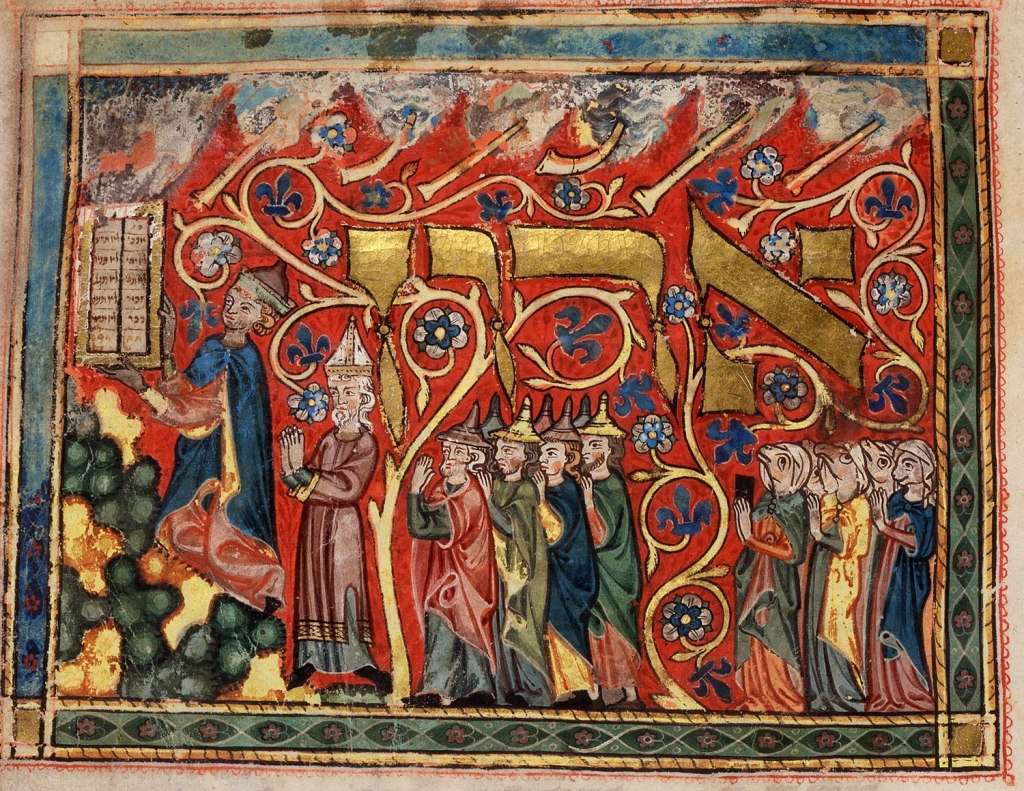
This image has an empty alt attribute; its file name is sinai.jpg

of all the majestic moments in the days to come, the days of awe to come, for this is the cusp of the jewish new year –– the hours when we drop to our knees (figuratively, for there’s not a lot of kneeling in the synagogue) in thanks for all creation, for the newbornness of the world, this world we are entrusted to keep, meaning not to possess but to preserve, to tend, to watch over as a shepherd over his lambs –– one of the moments that will stop time for me is when the chanting of the unetanneh tokef (“let us speak of the awesomeness”) begins. 

its words are as stirring as they come, deep down to the marrow. and they will stir me so deeply this year.

Unetanneh Tokef (ונתנה תקף) (“Let us speak of the awesomeness”) is a piyyut, or Jewish liturgical poem, woven into the hours of prayer of Rosh Hashanah, the new year, and Yom Kippur, the day of atonement to follow. it is chanted just before the Kedushah, the prayer in which the angels sing of the holiness of God, and when the ark that holds the Torah, or sacred scroll, is opened. 

leonard cohen sung from it. in his glorious, goosebumping “who by fire?”** 

it’s a prayer poem in which we stare into the face of our ending, our death, and examine closely the sharp edges of that terrain we so often run from. while it hurls us into attention, a mortal attention that is the base of plenty of theologies (those teachings believe we heighten our game when we’re aware it will end), it doesn’t look only at the last steps, but, too, at the ones we might take as we march there. it’s in the unflinchingness of judaism –– the bracing, no-beating-around-the-bush, straight-on-ness of it –– that so often grabs me by the scruff of the neck and keeps me transfixed. 

and certainly here, and in the hours and days ahead, when we will take public inventory of our sins, when we will stand before a body of water and along with those who stand beside us cast our sins (in the form of bread chunks) into the currents or tide. and when, in the silence of our own pews, we will once again ask these mortal questions. it is the second section of the four-part prayer-poem, the litany of not only death but life, that stirs me most profoundly. 

here are its words (with emphasis on the lines that emphasize living, not dying):

“On Rosh Hashanah will be inscribed and on Yom Kippur will be sealed – how many will pass from the earth and how many will be created; who will live and who will die; who will die after a long life and who before his time; who by water and who by fire, who by sword and who by beast, who by famine and who by thirst, who by upheaval and who by plague, who by strangling and who by stoning. Who will rest and who will wander, who will live in harmony and who will be harried, who will enjoy tranquility and who will suffer, who will be impoverished and who will be enriched, who will be degraded and who will be exalted. But Repentance, Prayer, and Charity mitigate the severity of the Decree.”

one of the prevailing pounding questions of this long hard summer has been my considerable wondering about what lies ahead for me, how many years to love on this world that i love so lavishly. it’s left me breathless, a true foggy night of the soul. and yet, as fall emerges, and the new year begins, so it’s time for me to turn (another command of the days of awe, teshuva, to turn in forgiveness, to repair what we’ve broken) to face the light of the days i won’t –– and can’t –– count. 

it’s a soul-scouring exercise, one that was flung upon me the moment i heard “it’s cancer,” and i’ve taken it to heart. spent more hours than anyone knows contemplating how i will live what remains of my portion. if i emerge living more alive than ever before, if i emerge wildly embracing each and every dawn and the day that follows, if i love as i would be loved, if i take to heart every last prompt to be gentle, to be kind, to forgive as i would be forgiven, then my prayers this year, my Unetennah Tokef, will be answered.

this is a question to be answered in your own silence: how will you live the next holy days of your one blessed life? 

the whole text, for anyone keen to read, broken into four thematic sections:

fear and trembling:

“Let us now relate the power of this day’s holiness, for it is mighty and frightening. On it Your Kingship will be exalted; Your throne will be firmed with kindness and You will sit upon it in truth. It is true that You alone are the One Who judges, proves, knows, and bears witness; Who writes and seals, Who counts and Who calculates. You will remember all that was forgotten. You will open the Book of Remembrances — it will read itself – and each person’s signature is there. And the great shofar will be sounded and a still, thin voice will be heard. Angels will be frenzied, a trembling and terror will seize them — and they will say, ‘Behold, it is the Day of Judgment, to muster the heavenly host for judgment!’ — for even they are not guiltless in Your eyes in judgment.”

God judges us:

“All mankind will pass before You like a flock of sheep. Like a shepherd pasturing his flock, making sheep pass under his staff, so shall You cause to pass, count, calculate, and consider the soul of all the living; and You shall apportion the destinies of all Your creatures and inscribe their verdict.

“On Rosh Hashanah will be inscribed and on Yom Kippur will be sealed – how many will pass from the earth and how many will be created; who will live and who will die; who will die after a long life and who before his time; who by water and who by fire, who by sword and who by beast, who by famine and who by thirst, who by upheaval and who by plague, who by strangling and who by stoning. Who will rest and who will wander, who will live in harmony and who will be harried, who will enjoy tranquility and who will suffer, who will be impoverished and who will be enriched, who will be degraded and who will be exalted. But Repentance, Prayer, and Charity mitigate the severity of the Decree.”

we are helpless:

“For Your Name signifies Your praise: hard to anger and easy to appease, for You do not wish the death of one deserving death, but that he repent from his way and live. Until the day of his death You await him; if he repents You will accept him immediately. It is true that You are their Creator and You know their inclination, for they are flesh and blood. A man’s origin is from dust and his destiny is back to dust, at risk of his life he earns his bread; he is likened to a broken shard, withering grass, a fading flower, a passing shade, a dissipating cloud, a blowing wind, flying dust, and a fleeting dream.”

God is enduring: 

“But You are the King, the Living and Enduring God.

There is no set span to Your years and there is no end to the length of Your days. It is impossible to estimate the angelic chariots of Your glory and it is forbidden to pronounce Your Name. Your Name is worthy of You and You are worthy of Your Name, and You have included Your Name in our name.”

bless you all, profoundly.

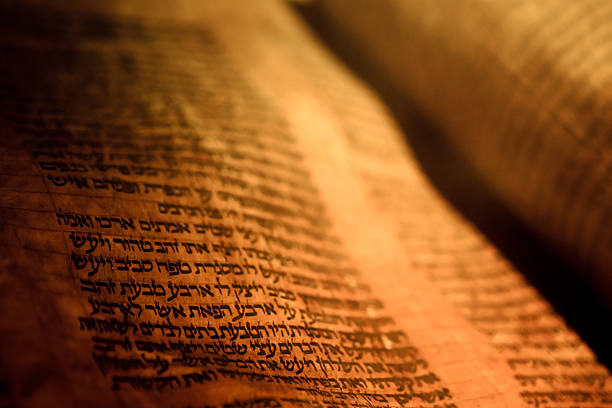
This image has an empty alt attribute; its file name is ancient-hebrew-scroll.jpg

**i tried to post a video, a glorious recording of leonard cohen singing “why by fire?” but the video seemed to be getting in the way of publishing this post, so if you’d love a musical blessing, try googling “who by fire?” by leonard cohen. it’s worth a listen. xoxox


into the depths and the darkness…

i hadn’t set out to burrow into the darknesses of history this week. but i’ve been traversing trails darker and darker, as i’ve turned the pages of jewish history, a history i entered into on sunday when i listened to a priest tell a story of holy week. drawing from the work of early christian scholars, the priest i was listening to closely laid into a tight and stark timeline an account of holy week, one i’d never quite followed so closely, one which even more poignantly drew me into the jesus for whom judaism held the holiest code.

one curiosity led to another, and notes were exchanged between the priest and i, and books were requested from the library. while i awaited the books, i wandered upstairs to the bookcase where my husband keeps his collection of jewish-themed books, from the big book of jewish humor to the wisdom of the Talmud, from chaim potok to martin buber. that’s where i found the big fat doorstopper of my people: the story of the jews, the majestic 522-page historical tome written by abba eban, the late great israeli statesmen and scholar of hebrew and arabic languages (he was fluent in 10 languages).

i pulled the book from the shelf, and started to read, and soon i was typing line after line of notes as i turned the pages of eban’s telling of jewish history, from the drama of abraham through the rise of christianity, and on through the crusades of the middle ages, through the founding of israel, straight through to the state of the middle east when eban’s book was published in 1968.

these are but some of the notes i typed, ones especially relevant to this holy week:

Jesus meticulously kept Jewish law, made pilgrimage to Jerusalem on Passover, ate unleavened bread, uttered blessing when he drank wine. “He was a Jew in word and deed.” Articulated ideas of the masses. Sermon on the Mount: “I have not come to destroy Law but to fulfill it.”

with each page’s turning it felt apt to be tracing more and more deeply the story of the jews in this particularly blessed week where our house is filled with the rhythms, once again, of passover and passion week. after spending each saturday of the year studying torah, portion by portion with a collection of inquiring minds at our synagogue, it seemed as if eban was giving me a glimpse of the whole jigsaw puzzle i’d been studying piece by piece.

but the longer i read, the darker it grew. in the name of one holy God, we have persecuted, and burned at the stake. we’ve thrown the holiest texts of the jews onto the pyres of history. we’ve forced them into ghettoes, ordered them to stay in their homes with shutters drawn on easter sunday. ordered them to wear badges, so identifying themselves as followers of the One Holy God. we’ve told centuries and centuries of stories making them out to be the ones who crucified jesus. who betrayed him in the garden, who led him before pontius pilate, mocked him and crowned him with thorns. those stories, lost in translation, lacking full context, miss plenty of points. those stories have been turned into stones to torture the jews.

Jesus meticulously kept Jewish law, made pilgrimage to Jerusalem on Passover, ate unleavened bread, uttered blessing when he drank wine. “He was a Jew in word and deed.” Articulated ideas of the masses. Sermon on the Mount: “I have not come to destroy Law but to fulfill it.”

i weep at the decimations of history, at the evil and the distortion that drives the worst of humanity. at the fact that we wage such wars under the flag of God, and of church. how dare we.

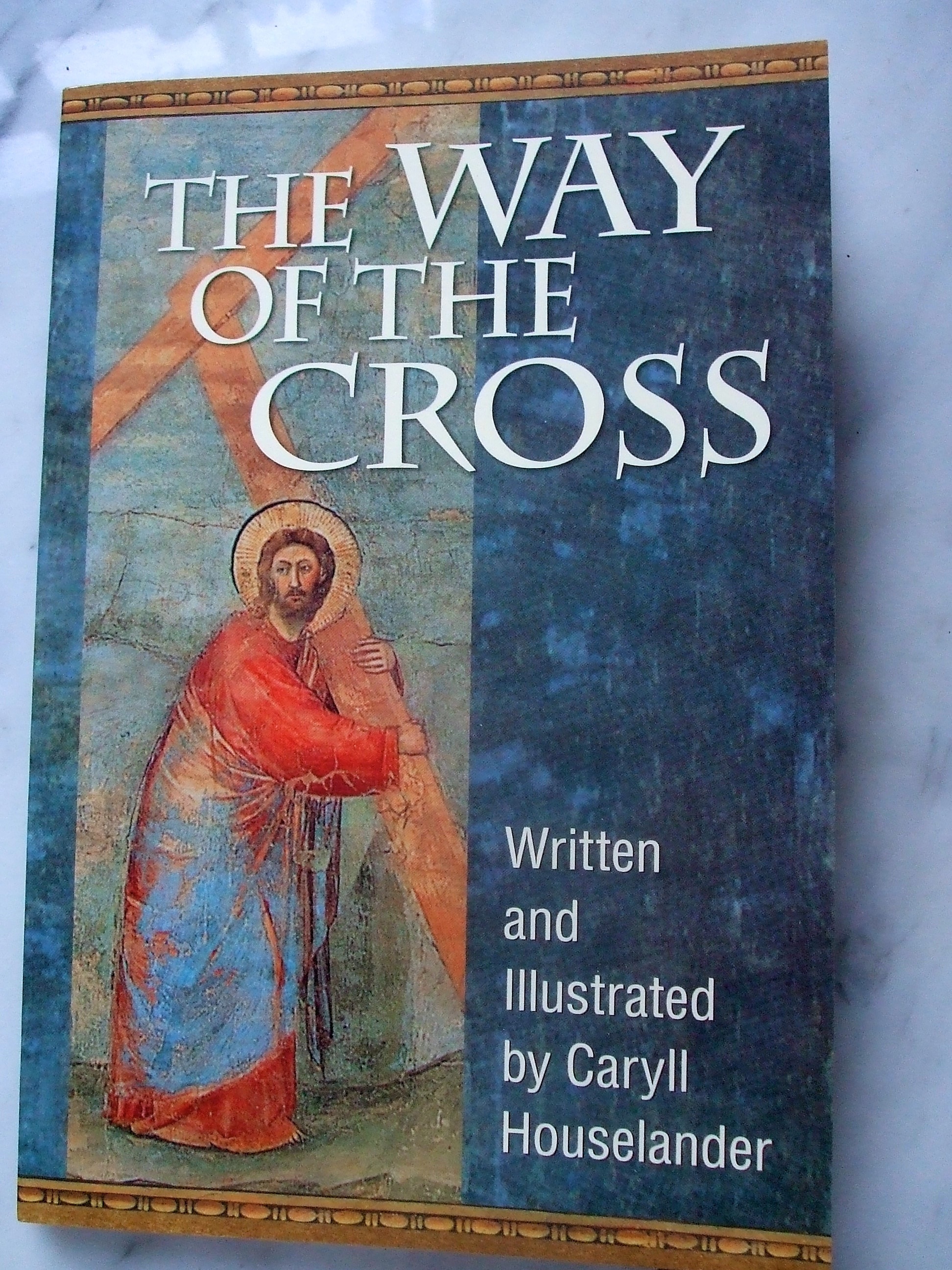
i’m 239 pages in; i’ve just read through the crusades, and the development of the ghetto in medieval europe, where “jewry was sealed off by a bolted gate.” today, i’ll put down eban, and i’ll pick up the way of the cross, by caryll houselander, the anglican mystic and artist, who curiously worked as a counselor of war-traumatized children, the war in question being the one where hitler sought to exterminate (what a detestable verb) the entire jewish population, a hatred that never seems to die.

i will read, as i always do, each station along the way of the cross, to the mount where jesus was nailed to a cross and left to die between two criminals, one who sought forgiveness and one who scoffed.

i will weep as i turn those pages, just as i’ve wept through the pages of my people.

i will ask, louder and louder, how might we have been so very wrong? and how have we dared demonize a holy people, a chosen people, a people whose truth jesus so ardently tried to tell? jesus’s holiest command, “love as you would be loved,” is in fact the jews’ central command, found in leviticus, and taught by the great hillel to be the greatest of all.

a marvelous story, in fact, is told of hillel, the gentle sage, who once was confronted by someone who wanted him to teach the whole of the Torah while standing on one foot, and to which hillel is said to have replied something along the lines of “what is hateful to you, do not do to your neighbor. that is the whole Torah; the rest is the explanation of this—go and study it!”

what is hateful to you, do not do to your neighbor.

love as you would be loved.

Father, forgive us for all of our sins, for which there are so, so many.

who taught you to love as you would be loved? and how did you see that played out in the fine grain of your life?

because friday is the day we pull up a chair, i’ve written on 17 good fridays now, and each year i seem to find a new way in. here are a few others:

way of sorrows
 
jesuit girl with jewish soul

into the depths

silence on the day that darkens

the way of sorrows

Palestine Thorn (Zizyphus spina-christi). Illustration (1881) by Edwin W. Rice.

i feel intense need for silence, as is so often my posture on this day of sorrows. no desire to add my voice to the cacophony. i turn instead to the voice of caryll houselander, a mystic and twentieth-century british catholic writer, who referred to herself as a “rocking horse catholic.” the title of her biography, written in 1962 by maisie ward (of the famous publishing house Sheed and Ward), is “that divine eccentric.”

i’ve always found the eccentric to be especially poignant. in the nooks and shadows of their beyond-the-boundaries ways of seeing, it seems the sacred makes itself especially at home. 

houselander might have been eccentric, but she stirs the soul for me. i pull her The Way of the Cross off the shelf every Holy Week. i remember well the first time i stumbled onto her stations of the cross; “the way of sorrows” is how she refers to the long dusty ascent of jesus to the hill upon which he would die. would be nailed to a cross, stripped, speared, shamed. 

her words gripped me so completely that first time, alone in a church on a dark gray Good Friday, and they’ve never ever let go. they bring good friday, the way of sorrows, to life for me, year after year. and it’s a place i choose to go, a dusty trail i am compelled to enter into, to follow footfall by footfall, year after year. 

in the depth of sorrow — so many sorrows — i find an open wound of the heart for the one who stumbled up the hill, the one who fell not once but thrice, the one who called out, “Father, forgive them, for they know not what they are doing,” as the last bitter taste of the vinegar, put to him on the end of a stick, swirled over his tongue. 

in reading even more of houselander this year, she makes the point that for most of his life jesus was hidden. little is known of his childhood, little is known of his life before he was 30 and stepped into the public square, where he preached in parable, healed the broken, toppled the hypocrites. she writes how he often dispatched alone into the desert to pray. how even on the eve of his crucifixion, he left behind his closest soulmates, went deep — and alone — into the garden of gethsemane to beg for this cup to be passed from him. 

houselander, a deeply empathetic eccentric, writes how part of the trial — little mentioned but certainly deeply real in that awful moment of time —was how this paradoxically private soul was stripped of his deeply private self.

he was exposed, made public property. stripped naked before the whole world, not only in body but in mind and in soul. to reveal not only his love, but its intimacy, its sensitivity, its humanity. “all his secrets were out,” houselander writes. i think long and hard about that exposure. i am thinking of that as i turn the page and read deeper into the way of sorrows.

she writes: “he is a man of sorrows. he is covered in bruises and stripes. he is made a laughing stock.”

i ask: how many of us have been made laughing stocks?

how many of us have felt the red tide of shame rise up and over our faces?

how many of us have ever been hit? on purpose? with a hand, or a stick, or a belt? 

“his face is covered with spittings.”

how many of us have ever been spit upon? 

“he is bound like a dangerous criminal.”

how many of us have watched the innocent be bound like a criminal?

“his friends have forsaken Him.”

how many of us have felt a friend do the same?

“the kiss of treason burns on His cheek.”

how many of us have been betrayed? and how often by someone to whom we believed we were especially close?

i leave you, quietly, with two of caryll houselander’s prayers from The Way of the Cross:

first:

“Lord, that I may see!”

“…Let me recognize You not only in saints and martyrs, in the innocence of children, in the patience of old people waiting quietly for death, in the splendor of those who die for their fellow men; …

“Let me know You in the outcast, in the humiliated, the ridiculed, the shamed; in the sinner who weeps for his sins. …”

and, this, from the moment along the way of sorrows when a woman named veronica, a compassionate woman, burst through the rabble to come face to face with the tormented jesus, and wiped his face, a soulful act of compassion if ever there was. this is houselander, with her own pleadings inspired by veronica:

give me Your eyes

to discern the beauty of your face,

hidden under the world’s sorrow.

give me the grace

to be a Veronica;

to wipe away

the ugliness of sin

from the human face,

and to see

Your smile on the mouth of pain,

Your majesty on the face of dereliction,

and in the bound and helpless,

the power of Your infinite love.

Lord take my heart

And give me Yours.

Jesus is mocked” is one of the downloadable Stations of the Cross, by Scott Erickson. featured in Image Journal, for his “Stations in the City” project, posted around the streets of Portland, OR. He writes: “I think the stations are for everyone, no matter your religious affiliation, because they are a meditation on being human, so I wanted people to see them without the hurdle of having to enter a religious space.” 

illustration above: Botanical illustration of the Zizyphus Spina Christi, the thorny bush thought to have been used for the crown of thorns placed on Jesus on that first long-ago day of crucifixion, from A pictorial commentary on the Gospel according to Mark, with the Text of the Authorized and Revised Version, (1881) by Edwin W. Rice.

my questions are in the litany above, the echoes to houselander’s cries….

how many of us have been made laughing stocks? how many of us have felt the red tide of shame rise up and over our faces? how many of us have ever been hit? on purpose? with a hand, or a stick, or a belt? how many of us have ever been spit upon? how many of us have watched the innocent be bound like a criminal? how many of us have felt forsaken? how many of us have been betrayed? and how often by someone to whom we believed we were especially close?

i believe, like Erickson, the artist above, that regardless of religious affiliation, the Stations of the Cross in so many ways are a meditation on being human, and into that holy and intimate space, i enter….

since the beginning, awe

across the years, i’ve been swept into the river of an ancient time. i wear it, almost, like a prayer shawl. wrap myself in its silken threads. inhale the sweet spice rising up from earth’s release, as summer breathes its final breaths and autumn rushes in.

it’s in the morning air, the chill that makes me pull the covers tight round my shoulders; it’s in the thin bronze light that casts its amber shadow, long across the floorboards. it’s in the withering of the garden, the last green tomato clinging, holding on for just another ray of sunlight. will it turn before the freeze?

all around, you can feel the shuddering of season folding into season, of the turning of the prayer book page.

when the new moon, in its indigo darkness, rises tonight, a holy people — the blessed jews — all around the globe will spark the first flames of the new year’s light in the kindling of the rosh hashanah candles. i will strike the match at this old house. and only two of us will bless the light, the wine, the spiraled raisin-studded challah.

we need the new year prayers more than ever, this gasping year. the burned-out brokenness is everywhere, the globe (or vast acres of it anyway) is shrouded in ashes, a more fitting metaphor it’s hard to imagine.

hope though comes in prayer — and, spine-tingly, in the science that tells us there are forest pines whose seeds can only burst new life when exposed to flame. may our prayers be those forest seeds.

prayer, for me, has become something of a force field. we fire up our deep-down jet-pack of incantation; we might, some of us, fall to our knees (a posture sure to super-launch those prayers, to propel with oomph through all the turbulence along the way). we do our part, our lowly simple part. and we realize that the more of us who fire up our prayers, the more fiercely, more mightily we put forth our voices, we just might forge an opening in heaven’s door, and our petitions — our saying we are so so sorry for the state of things, our vow to spend our living, breathing hours in pursuit of all that’s good, that’s holy — might find the way to the heart of the God to whom we are praying. it’s a collective effort, really, an all-out, all-of-us campaign to light the light, to open up the spigot of holy goodness, to let it rain down on this parched and burned-out earth.

there’s an ancient teaching, taught by long-ago rabbis and mystics, that in the beginning the light God made was so blindingly bright, it burst out of its vessel, and the shards, the sparks, the bits of flame sifted down to all creation — not unlike the embers raining down in all the smoldering forests, maybe. and from that shattering of the vessel came the first and holiest instruction, the one to carry all of humankind from that day forward: seek the shards of light, look deep into the souls of each and every someone you meet, look into the morning’s dew and the constellations strewn across the heavens, look where you least expect to find the shard, and in those places where you can’t help but see it.

and when you find it, when you gather up the bits and shards, bring your light harvest to the table, where we will all lay down our gleanings, where we will stand back and marvel. in awe. in awe for what we’ve all done, all on our own and all together. in awe for all the light that’s here to be pulled from the shadows and the darkness. in awe of how luminous it might be.

awe is what these days are called — the holy days of awe — in the great and holy tradition that unfolds at the cusp of the jewish new year. from tonight’s setting of the sun and the rising of the new moon, clear through to ten days from now, on the day of atonement, we stand in awe. we marvel at the light, holy light, that’s mustered from all the cracks and broken places in this still-holy, ever-holy earth.

it’s how we heal the world, how we make it whole — tikkun olum — repair the broken shattered world. it’s God’s command. and we begin to sew it whole with our prayer, our harvest of the light, and our undying awe.

will you join the prayer collective, do your bit to scrounge up shards of light wherever you go today, and tomorrow, and every day after? will you bring your bits of light to the shared table, so we can all of us stitch together the whole cloth of incandescence this broken world so deeply desperately needs?

an old maple table and the command to build a “little sanctuary”: a holiness story

our mikdash m’at

“over 2,000 years ago,” our rabbi began last night, “our people mourned the destruction of the temple.” the temple, of course, had been the place of worship, of prayer and sacrifice. it was the holy place of the jews. and in the year 70 of the common era, it was sacked by the romans. destroyed to dust and ashes.

but “our people” are resilient people. they are the people of the diaspora. they know what it is to wander, homeless, in the desert. to be strangers in a strange land. they know — deep in the marrow of their bones — the history of exile, the history of holocaust. of nations turning their backs on a holy people.

our rabbi went on: she taught that in the wake of mourning their holy temple’s loss, the rabbis of the time urged the people to build mikdash m’at — little sanctuaries — in their homes, to bring their prayers into where they lived and ate and drank and bathed and slept. and so, all these millennia later, when once again we have been banished — by an invisible virus — from our temples — and our churches, and our mosques, and all our holy shrines — my rabbi was urging us, on the cusp of the holy days of awe, to build mikdash m’at in our circa 2020 houses.

***

mikdash m’at
From the Talmud, Megillah 29a: The verse states: “Yet I have been to them as a little sanctuary in the countries where they have come” (Ezekiel 11:16). Rabbi Yitzḥak said: This is referring to the synagogues and study halls in Babylonia. And Rabbi Elazar said: This is referring to the house of our master, i.e., Rav, in Babylonia, from which Torah issues forth to the entire world.

מְעַט (n-m) heb

  1. littleness, few, a little, fewness
    1. little, small, littleness, fewness, too little, yet a little
    2. like a little, within a little, almost, just, hardly, shortly, little worth

***

i’d signed up for our synagogue’s workshop on creating a sanctuary in our homes for the high holidays because i am always up for carving out a sacred space. and i listened closely to the instruction: pick your prayer space, a place where you might feel elevated, outside the ordinary, at one with the sacred. a sanctuary, our rabbi explained, is a “space that’s holy or set apart.” she went on to define the ways we might fulfill God’s command, “make for me a sanctuary that I can dwell in.”

and so, once i’d sauntered back to the kitchen, as i was chopping eggplant and leaves of basil, dousing grilled peppers in balsamic glaze, i began to babble about this holy assignment. i recounted the instruction to the tall, bespectacled one with whom i share this creaky old house. i told him — in that way an eager student does — that we must pick a holy space. because, of course, the rabbi said so. and then i asked him where that might be. where would be our sanctuary for the holy days of awe? where might be the place where God — and we — could dwell?

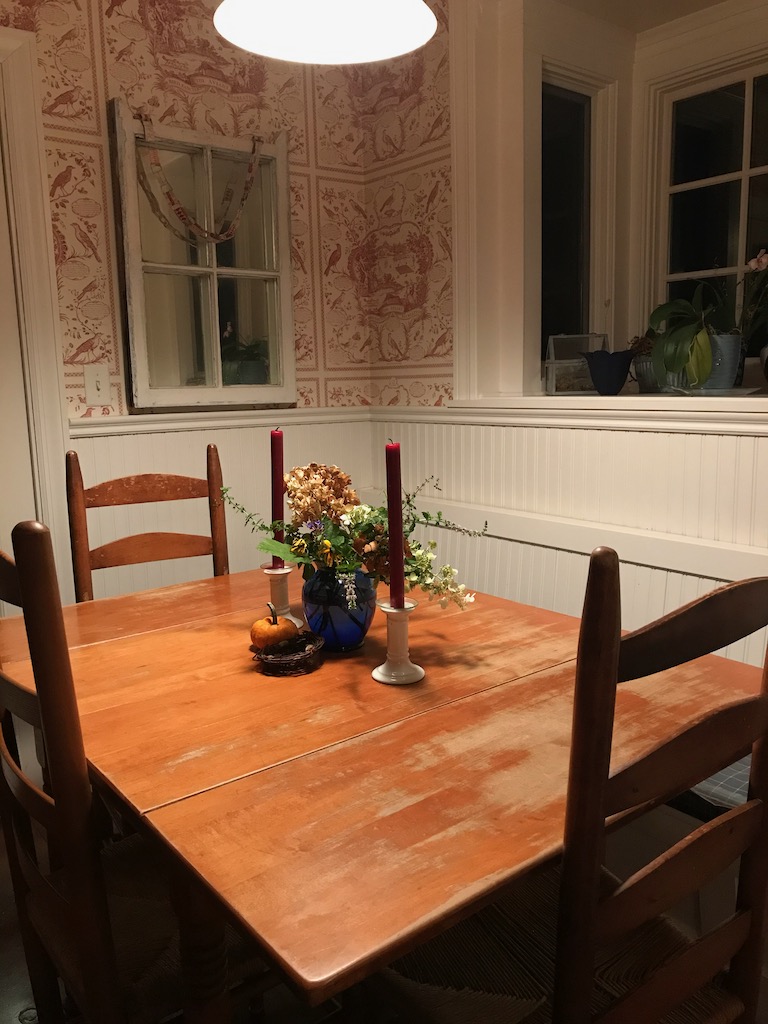
and in that knowing way of his, in that quiet, certain, deeply-rooted-without-a-drop-of-drama-ever way of his, he lifted his finger toward the old maple kitchen table tucked in the corner, and he nodded. case closed.

there was no holier place in our house, of course, than the nearly century-old, hand-me-down maple table, the table etched with imprints of penmanship from ages-ago schoolwork, the table scrubbed bare in patches of whatever stain was long ago applied by some long-ago carpenter. the table where, since moving here almost 18 years ago, umpteen thousand prayers have been unspooled, night after night, morning after morning, midday after midday. countless stories — funny ones, hold-your-breath ones, rip-your-heart-out ones — have let rip here; tears, too. deliberations have been parsed here; life courses, corrected. midnight bowls of cereal have been gobbled down, and blazing birthday cakes presented on pedestals. books have been written here, and law school papers, too. we have mourned and rejoiced here. laughed and sometimes stormed away.

as poet laureate joy harjo so gloriously put it in her kitchen-table poem, “perhaps the world ends here,” “this table has been a house in the rain, an umbrella in the sun.”

and it will be for us, in the unbroken days of awe ahead — the blessed new year, rosh hashanah, and the holiest of holy, the day of atonement, yom kippur — my bespectacled beloved and i will wrap ourselves in our prayer shawls and our prayers, we will lift ourselves out of the ordinary, and reach for the star-stitched heavens, we will hunker down at the years-worn, scruffed-up slab of old maple tree, and we will aim to dwell with the Almighty.

as it is commanded.

where would be your holy place, where would you build your little sanctuary, your mikdash m’at?

blessed interweaving: jesuit girl with jewish soul

brisket making

a few months ago, i decided it was time to find out once and for all if a speck of me was jewish. i had convinced myself i was. how else to explain the profound holiness i find inside the nooks and crannies of all things jewish — the prayers, the writings, the blessing of the candles and the challah every friday night at our old maple table? most of all, the sanctification of time. of turning of the earth and all that glimmers under heaven’s dome?

turns out, there’s not an iota of jewish DNA inside me. alas. but i decided to sit myself down — at that very maple table — string together a few sentences, and bravely knock on the window of America Magazine, the great national jesuit review. i happen to come from a long line of jesuit-schooled folk: my papa, my uncles, my brothers, my very own self. in the catholic world in which i grew up, all things jesuit were spoken of in hushed and reverential tones. their intellect, most of all. anyway, America Magazine decided to green light my little essay, to post it online and run it in the print pages, too. because the world we live in now demands that a writer “share” her work on the few social media sites that might draw one or two more eyes to the equation, some of you might have seen my posting on facebook (a rare return) or twitter. but not all of you — and certainly not my mama nor my beloved mother-in-law (whose birthday is this weekend!) — so for you, i’m posting here, direct from the pages of America Magazine. 

(next week in this old house we’ll be weaving passion week and passover once again, and i’ll be deep in matzo balls and easter baskets, so the timing is especially fitting. here tis (i’d titled the essay something along the lines of “The Jewishness That Stirs My Soul,” the America editors wrote their own headline)):

How Jewish spirituality enriches my Catholic faith

By Barbara Mahany

I propped myself against the kitchen sink not too long ago and spit into a clear plastic test tube the size of my pinkie finger. I spit and spit and spit, following directions to be sure I would sufficiently trap my DNA. Once the accumulated spit crossed the “fill to here” line, I gave my test tube an emphatic shake (again, precisely as told) and popped the whole shebang in the pre-labeled shipping box. Post haste, I motored to the drive-by mail chute in my little town, tossed my parcel into the open maw of the postal box, sat back and awaited revelation. 

Over the years, I’d had a hunch that grew and grew, and I was submitting my hunch to science. Any day now, I figured, the friendly folks at DNA Central would lift the lid on what I had decided must be a long-kept ancestral secret. Surely, I must be some percentage Jewish. At least some fraction of a fractional percent. 

That chromosomal uncovering might shed light on just why it is that I—a girl schooled by the Sisters of Loretto and a phalanx of Jesuits, a girl with a rosary for every occasion—had found, all these years later, my sense of the divine so animated by the sacred Jewish lens of wonder and wisdom. All encompassing, it is one intricately tied to the turning of the earth, the sun, the moon, the shifting of the stars stitched in heaven’s dome. 

It is as if the ancient call to Hebrew prayer has reached out across the millennia and awakened all my senses. I am stirred by the command to whisper a blessing at the unfurling of a rainbow, at the first blossom of the almond tree. I am stirred by the command to scan the night sky till I spy the first three evening stars, and only then kindle the Havdalah candle, pass the spice box and recite the prayers that draw the Sabbath to a hushed and blessed close. 

I had convinced myself that deep in my DNA there must be buried some short link confirming my genetic claim to Jewish soulful lineage, aside and apart from my nearly three decades entwined in a Jewish-Catholic marriage. 

Alas, there is not. Not one strand of Jewishness to my Irish-Catholic name, not Ashkenazi, not Sephardic. How then to explain the soul-deep burrowing into the nooks and crannies of Jewish spirituality for this lifelong post-Vatican II Catholic? 

Sure, I had married an observant Jew some 28 years before. And we had raised our two boys the only way we knew: immersed in both their Judaism and their Catholicism; first Communion and Bar Mitzvahs for both, with priests and rabbis all along the way. 

Our older son, in first grade at the time, once exclaimed that interfaith Sunday school, where the curriculum taught all things Jewish and Catholic, was not enough; he wanted more, more fluency in each of his religions. So we signed him up for CCD and Hebrew school, as well as Jewish-Catholic school, and Sunday mornings meant an eight-mile dash down Chicago’s Dan Ryan Expressway, from Old St. Pat’s in the West Loop to the Hyde Park synagogue where he learned his alefbet and all his Hebrew prayers. (That child, now a 25- year-old at Yale Law School, has trained his legal sights on the intersection—no surprise—of law and religion.) 

My own trek into the Jewish interior began with Shabbat, the holiest of Jewish holy days, one God offers at sundown every Friday, when we are commanded to kindle lights, bless bread and wine and, most of all, put down toil for the sacred arc of 25 hours, sunset to sunset plus a smidge for holy measure. The practice of slowing time, slipping into timelessness amid the cacophony of the modern-day world, is one that literally stopped me and, from the start, stirred a deeper soulful hunger. 

It was not long after our wedding under the cathedral of oaks in my mother’s garden, when I was but a young unpracticed bride, that I set our first Shabbat table, tentatively placing amid the dinner plates two Israeli candlesticks, a kiddush cup for wine and a braided loaf of challah (which I would learn to bake over time, at the side of a Holocaust survivor who became my Shabbas friend). A rite at once domestic and sacramental, Shabbat became for me a tucked-away cloister of anointed time. 

It is God whispering, I like to think. God cocking a finger, calling us home, each and every one of us. Come, be where it is still. Put time on pause. Savor this moment, this holy stretch of hours, savor each and every sense, savor and embrace the ones you love. And so, around the globe, as Friday’s sun slips from the sky, as our world dips into darkness, there is, house by house, table by table, the kindling of sacred illumination. 

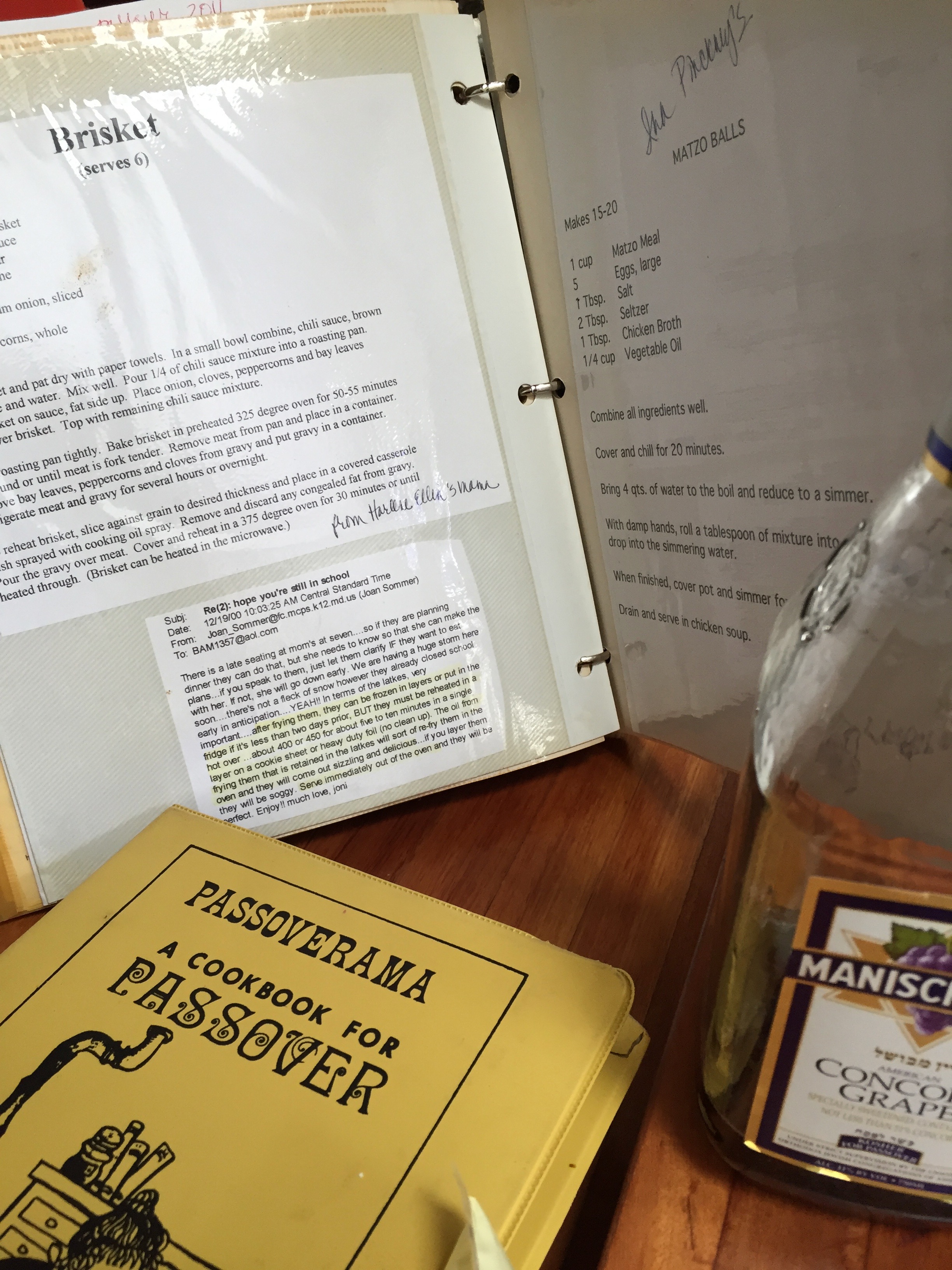
At my house, I hear the whisper early each Friday. Over the years, I have tiptoed into the kitchen at dawn to begin the alchemy of yeast and flour that becomes the challah. Awaiting its pillowy rise, I crack into the cookbooks of my various adopted Jewish mothers, peruse the spiral-bound recipes of temple sisterhoods from around the country (Bella Abzug’s Matzo Balls, among my clippings). My kitchen ministrations usher in the quietude, the prayerfulness, that has become my coveted weekly office. By the time I have set the table, ferried plates to the dining room, pulled out chairs for whoever has shown up (our Shabbat tables have often been populated by an eclectic roster of professors and scribes), I am, curiously, the Catholic who finds “church” in the holiest of the Jewish holy days. 

Time and again in synagogue, on Friday nights or during the long hours of the High Holy Days, I find my soul soaring as the cantor lifts his voice in the minor-key call to prayer, as my husband beside me bends his knees, bows from his waist, wraps himself in his prayer 

shawl. The rhythms of the Hebrew prayer, even when the words escape me, tap the sacred within. I perk my ears to the still small voice that calls us, each and all. Sh’ma Yisrael, “Hear, O Israel,” begins the holiest of all the prayers. And my soul listens. 

That blessed once-a-week Sabbath interlude—and an urge to know more, to follow some sacred cord—led me into the Jewish bookshelf, where I discovered, among others, no finer poet of Shabbat than Abraham Joshua Heschel, who wrote: “Judaism is a religion of time, aiming at the sanctification of time. Unlike the space-minded man to whom time is unvaried, iterative, homogenous, to whom all hours are alike, qualitiless, empty shells, the Bible senses the diversified character of time. There are no two hours alike. Every hour is unique and the only one given at the moment, exclusive and endlessly precious.” 

Heschel only whetted my appetite for deeper and more nuanced reading—even of the Torah. I explored such sacred instruction as the one for the harvest festival of Sukkot when, through the roof of the sukkah (a temporary shelter built for the eight-day celebration), we are commanded to be able to see the stars in the heavens. Or the Talmudic teaching to recite 100 blessings every day, a call to attention if ever there was. Inscribed in Jewish text, there is a blessing for hearing thunder, another one for when you see a shooting star. 

It is this ancient, agrarian-rooted call to see God’s wonder all around that I find woven into Jewish spirituality, and it is now an inseparable thread of my own, though I remain Catholic as ever. 

Perhaps it is the echo of ancestral Celtic spirituality or the Ignatian instruction to see God in all things, that pulsing sense that every moment of the day is a vessel of the holy. According to Celt or Jesuit or Jew, all we need do to anoint that holiness, to make it evident, unmistakable, is to bless it with our attention. And our simple prayer. 

In a word, it is “hierophany,” the place where secular and sacred meet, a “manifestation of the sacred,” a belief that dates back to ancient Greece. What stirs me most about Jewish hierophany is that it is infused with the astonishments of the cosmos, a core belief that creation is God’s first best text. Or in the words of Psalm 19, verse 1: “The heavens are telling the glory of God / and the firmament proclaims his handiwork.” 

It is this understanding that even before the Word, God gave us the litany of Genesis. And if we read closely the book of nature, if we surrender to the rhythms of season unfolding into season, if we allow ourselves to startle at the nascent vernal shoots, the newborn green pushing through the thawing crust of winter’s end, if we heed the mournful cry of geese in chevron streaking autumn sky, hold ourselves rapt when first snowflakes fall, if we witness the hand of God in the ever-shifting kaleidoscope of wonder, we cannot help but feel ourselves cradled in the outstretched palm of the one who breathed and birthed it all. 

And so it is, in the particular and timeless attention Jews pay to the turning of earth and heaven’s dome, in the liminal hours of dawn and dusk and depth of night, hours the Jews consider the holiest of holy, that I find myself wrapped in the most sacred prayer shawl, one I had never known was mine. 

But now, it deeply is. Even if my DNA claims otherwise.

as published in America Magazine, April 9, 2019

on the soulful journey that is your own, have you been surprised by where you’ve found epiphanies and hallelujahs?

p.s. happy blessed birthday, VPK, and ellabellabeautiful, too!

improbably, the prayer shawl

will BK AZk bar mitzvah photo

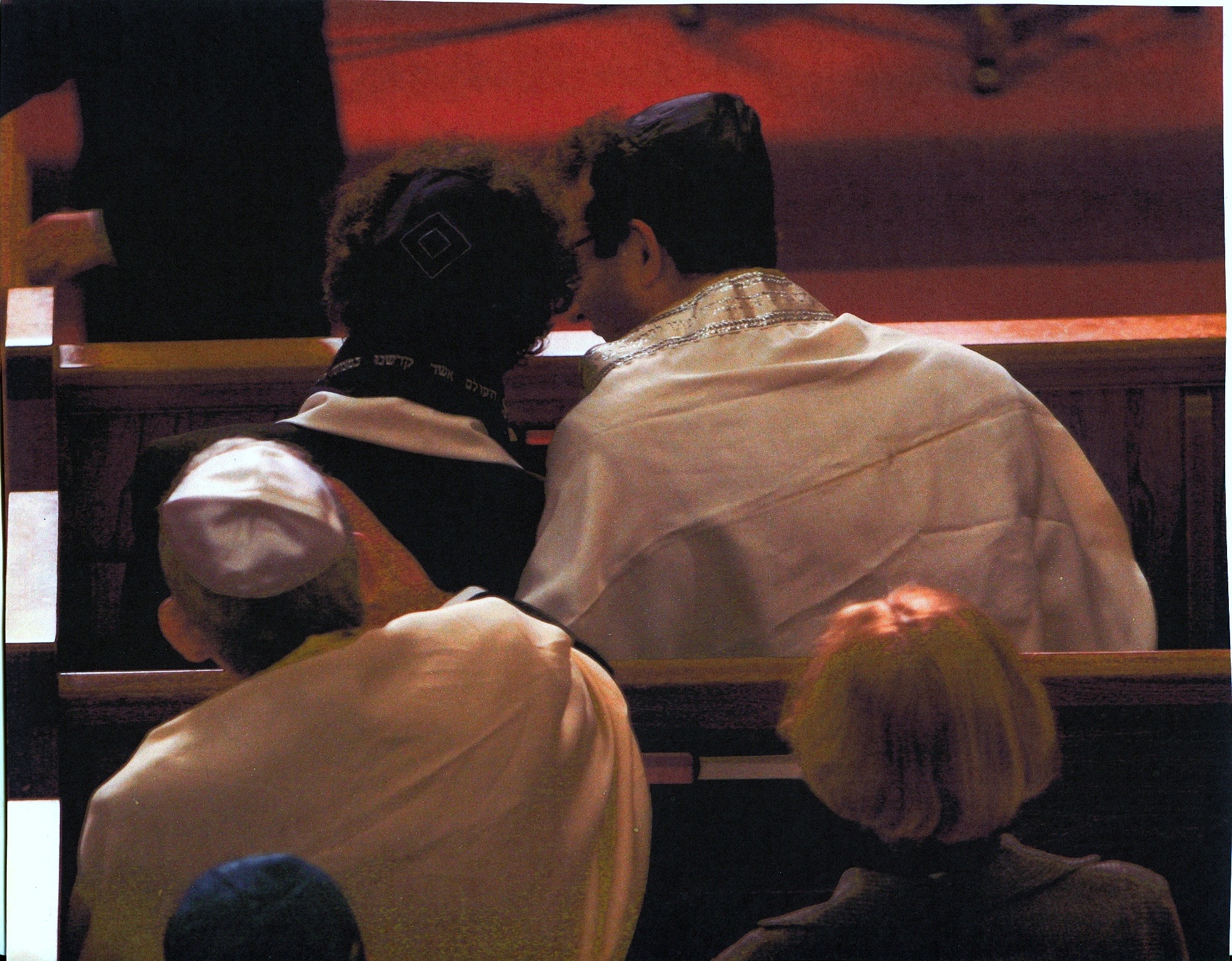
a triptych of prayer shawls: three generations wrapped in sacred thread

it’s as if the voice calls to me from an ancient canyon, a hallowed space carved through time and history. the history of this perpetually-spinning planet and its holy peoples, and, now, the history that is mine, carved across the years.

i yearn to wrap myself in the folds of the prayer shawl. to cloak my shoulders, burrow my arms, to bend my knees and bow down in the way i have long watched my prayerful beloved. a part of me, yes, aches to be enfolded, to feel the soft threads against my bare skin, but more against my heart. to be swept into the incantations of long ago and forever. to confess and call out to the God who is Avinu Malkeinu, “loving parent, Sovereign of our souls,” in the translation of our synagogue’s new prayer book.

i immerse myself in this span of holy time — the days of awe, rosh hashanah, the jewish new year, through to yom kippur, the day of deepest atonement — as if a tide pool that washes over and through me. it’s at once a cleanse and elevation, a surrender to another key, a frequency and melody and language that carries me to another plane. an otherworldly plane.

and yet, it’s one that comes on and through the worldliest of channels: the trip to the butcher shop, the spice jars pulled from the shelves. the chopping and stirring at the kitchen counter. the strolling through the garden, cutting stems to tuck in wide-mouthed jars and pitchers strewn across the table. the gathering of pomegranates, apples, acorns — sweet fruits of the new year, blessed offerings of the season of sacred bounty.

i have always loved the whole-body immersion of judaism, the ancient call to prayerfulness, the stories set in desert and dry land, the image of the sacred quenching that comes through the oasis, the raining down of sustenance from heaven, the voice that calls out, unseen but deeply heard.

these days i seem to be wrapping myself in all sorts of unfamiliar sacred threads, in threads finer-grained in their unfamiliarity, because their language is new to me, the constructions of sentences, the word choice, the tales they choose to tell. i’ve been going all summer to a just-past-dawn service in an episcopal chapel, one presided over and preached by women. wise women. soulful women. women priests.

it is a soul-stirring thing in the landscape of religion to walk into an unfamiliar place, to listen to the unfolding of an unfamiliar script, to feel each word and gesture as if new (because to me it is new). and thus to feel it so deeply fully.

it’s the element of exposure. the eyes-open willingness to surrender. to submit to that which by definition is foreign, uncharted, able to come up and grasp you, unsuspecting. nothing’s dulled; it’s all bristling, and stands at full alert. you never know what might be around the next bend. and thus you enter wide-eyed, scanning. catching every shift and nuance, passing through the sieve of your soul as if the first rinse.

so it’s always been for me in the folds of judaism, the religion i’ve stepped into because my heart and soul pulled me toward this man who is my beloved, my much-tested companion on this long journey called our married life. i feel it wholly because it’s new to me in so many ways, and now, 30 years after i first stepped — quaking — into my then-beau’s synagogue, its refrains come washing over me with decades of resonance. i find my place, i pull familiar threads round my shoulders, taut against my heart. i am cloaked and covered, kept safe, and free to burrow deep inside, to pore over the holy text, to consider prayers and, most of all, the image of the God who puts pause to the mad dash of the everyday. who awaits our urge to surrender. to bow down and pay attention. to hold high the sanctified blessing of the gifts that abound at the cusp of this new and holy year.

in the cry of the shofar, the coiled ram’s horn that calls out the new year. in the minor chords that rise up from our soul’s deepest depths. in the warm notes of spices saved for now. and in the prayers unfurled in each day of the days to come…..

i find my shelter and my refuge, my call to courage, and the certain whisper of the Most Holy. here, in the soft folds and sacred threads, i pull the prayer shawl round my shoulders. improbably, i tumble toward my heart’s deepest resonance.

l’shanah tovah u’metukah — may it be a good and sweet new year…

have you ventured into a sacred landscape that at first was unfamiliar, and did it sharpen all your senses, and draw you deeper into some universal understanding, some fine-grained sense of holy truths? 

p.s. my friday mornings these days include a drive to the far side of this little town to drop my sweet boy off at the faraway high school campus where he is shepherding the new freshmen into their high school adventures. this puts a bit of a pause in my morning writing, and thus delays its arrival in your mailbox, if you’re one who receives this by e-post. apologies for the delay, but this is my last chance, my last year, of dropping my sweet boy at the schoolhouse door, and i am relishing every drop of it. (even the days when we are running late and i am not quite as “chill” as he wishes me to be….)

into the depths

IMG_9145

all week in this old house, we’ve been burrowing deep into ancient and timeless stories. the story of the exodus, pesach, the retelling of the jews’ escape from slavery in egypt, a retelling that elie wiesel, the late great nobel laureate and holocaust survivor, called “a cry against indifference, a cry for compassion.” it is a retelling stitched with blessing, and question, and story.

its leitmotif, “you were strangers in a strange land,” God’s words to Abram, a call to radical empathy, a call to ever open our hearts to those who are strangers, marginalized, in our midst.

after three nights of seder, of coming to tables filled with people we love, after cups of wine, and reciting of plagues, after singing dayenu (the hebrew word for “enough,” as in God’s love would have been more than enough, in a rising series of praises — “if God had only created the world and not brought us out of egypt, it would have been enough”), we pivot to the holiest hours of holy week — or i do anyway.

i am deep now and deepening. i hear the cry of my soul, being pulled into timelessness, into sacred hours and space. i burrow into the stories of the last supper (the seder of Jesus and his twelve apostles), of gethsemane, of the betrayal by Judas, of the mocking and crowning with thorns, of the bone-crushing cross shouldered by Jesus as he stumbled along the trail to his crucifixion at golgotha, the hill just outside jerusalem, the hill where he cried out, “Father, why have you forsaken me,” and then, “Father, forgive them for they know not what they are doing.” the whole arc of anguish and redemption in two short utterances.

it never fails to draw me deep into the nautilus of prayer.

and so, late yesterday, as the slant of light grew thin and thinner, i was pulled into a jewel box of a medieval stone chapel, its leaded windows a mosaic of cobalt and ruby and aquamarine. i was alone. i had only my prayer and my deepening.

today will be more of the same. the hours of silence, from noon till three, the hour, we’re told, when Jesus let out his final surrender, “Into your hands I commend my spirit,” when he breathed his last, and the sun’s light was extinguished, i will do as generations before me have done: utter not a word, follow my prayer to the hushed place within. i will keep my holy vigil for the suffering that once was, and the suffering that goes on to this day, to this hour.

in both the story of exodus and the story of the crucifixion, we are called not only to honor them as ancient and long-ago narratives. we’re to infuse them with the now. to employ them as holy script, as instruction, imperative, to find in their depths the modern-day call to action: search for the stranger, embrace the stranger. set a place at your table, and make it the finest you have. love even your enemy. forgive your enemy.

turn yourself wholly and finally to God.

both stories, a call to radical empathy. both stories, imploring divine surrender.

both stories i’m burrowing into this week. this week of ancient and timeless holiness. this week with wisdom for now.

may your holy days — however they come — be deep and be blessed.

and happy blessed birthday to my beautiful little ella today turning eight, and to my beloved mother-in-law ginny (the chair’s most loyal reader perhaps) whose day is tomorrow.