i grew up in a house where a shadow was cast over good friday. a deep and mysterious shadow. one sodden with sorrows.
i imagined a presence, imagined the whole globe bowing to the sorrows of the long ago day, the crucifixion of the jew who preached love and more love. who turned the other cheek. upturned the money tables. chastened the holier than thou. sought the solace and silence of the desert. healed the lepers. embraced the prostitute. allowed holy oils to be poured and dried with the tresses of one of the outcast.
i grew up in a house where silence was kept from noon to three in the afternoon on the shadowed friday of crucifixion. i learned to look out the window as the clock struck three, as the heavens darkened and thunder shook the sky, somewhere off in the distance. the distance being golgotha, the place of the skulls, an abandoned quarry outside the walls of jerusalem. in the realm of mystery, no distance is too far to hear the rumble of the skies being torn into two.
of all the somber days of the year, this is the most somber—for me, anyway.
i find it a telling i can sink deeply into. can imagine the pain, the humiliation, the weight of the cross. can even feel the coarse rub of the olive wood, the cedar, or cypress, can imagine the splinters digging into my shoulder. my arms giving way under the lumbering tonnage.
i wince and writhe and cry every time. i beg forgiveness for our sins. collectively. globally. and mine alone.
it is a singularly compelling bracket of time, the hours from gethsemane to golgotha.
it begins for me on the night before the cross, the night in the garden when jesus—the radical, countercultural rabbi (for rabbi means “teacher”)—went alone into the murky darkness to pray. when he begged his father God to spare him the torture to come.
i can imagine the night sky, the stars bright against the black cloth of cavernous space. can imagine the weightedness of one man’s chest as he felt the mounting climax, as the cock crowed and the hour was upon him. as the footfalls of soldiers and the one who betrayed came closer and closer.
have we not all felt ourselves in such a hollow of time? felt ourselves moving closer and closer to that which we dread?
have we not all carried some cross, the weight of it crushing?
we all have stories—stories from our families, from our religions or our histories—that draw us into their folds. that transfix us every time.
these anointed hours, these holy holy sorrowful hours, are among the ones that hold me. it is a blessed thing to be drawn deep into the marrow of the stories we are told, the ones that carry us across the generations, and the millennia.
wednesday, the night before i found myself deep in the folds of thursday’s gethsemane, i found myself around a table re-telling the ancient story of the exodus. the story of slavery and liberation. the story of becoming God’s chosen people. of plagues and the killing of firstborns. of the improbable crossing of the sea, and the inexplicable parting of waters. the line of the story that night that leapt out the most to me was the one where it was written: “when the people of Israel left Egypt, they became God’s people.”
“. . . they became God’s people.”
that line struck me because it made me think of a God who not only hovers over but harbors his people, especially a people alone, and afraid, and lost in the wilderness. a God who seeks out the suffering and the shuddering. a God of the frayed and tattered margins. of the outsider. the same God who heard the prayers of the one in the garden. the same God whom i believe heard the cry of the one on the Cross. the same one who hears all the cries of this world. the cries from Bergen-Belsen and Auschwitz, the cries from Gaza and Iran. from Ukraine and Lebanon. from Somalia, Sudan, and, long ago, from Biafra. the cries of mothers who bury their children. the cries of those who suffer unimaginable torturings.
count me with the pope who preached last sunday, palm sunday, that the prayers of those who call for violence, and killing, and the bombing of children are prayers not heard by the God of Love, of Peace, the God who preaches the blessedness of the meek and the merciful.
i close with the words of that holy, holy soul we know as Pope Leo of Chicago, a righteous pilgrim not afraid to speak out, to condemn the ways of the warmongers among us :
Brothers and sisters, this is our God: Jesus, King of Peace, who rejects war, whom no one can use to justify war. He does not listen to the prayers of those who wage war, but rejects them, saying: “Even though you make many prayers, I will not listen: your hands are full of blood” (Is 1:15).
As we set our gaze upon him who was crucified for us, we can see a crucified humanity. In his wounds, we see the hurts of so many women and men today. In his last cry to the Father, we hear the weeping of those who are crushed, who have no hope, who are sick and who are alone. Above all, we hear the painful groans of all those who are oppressed by violence and are victims of war.
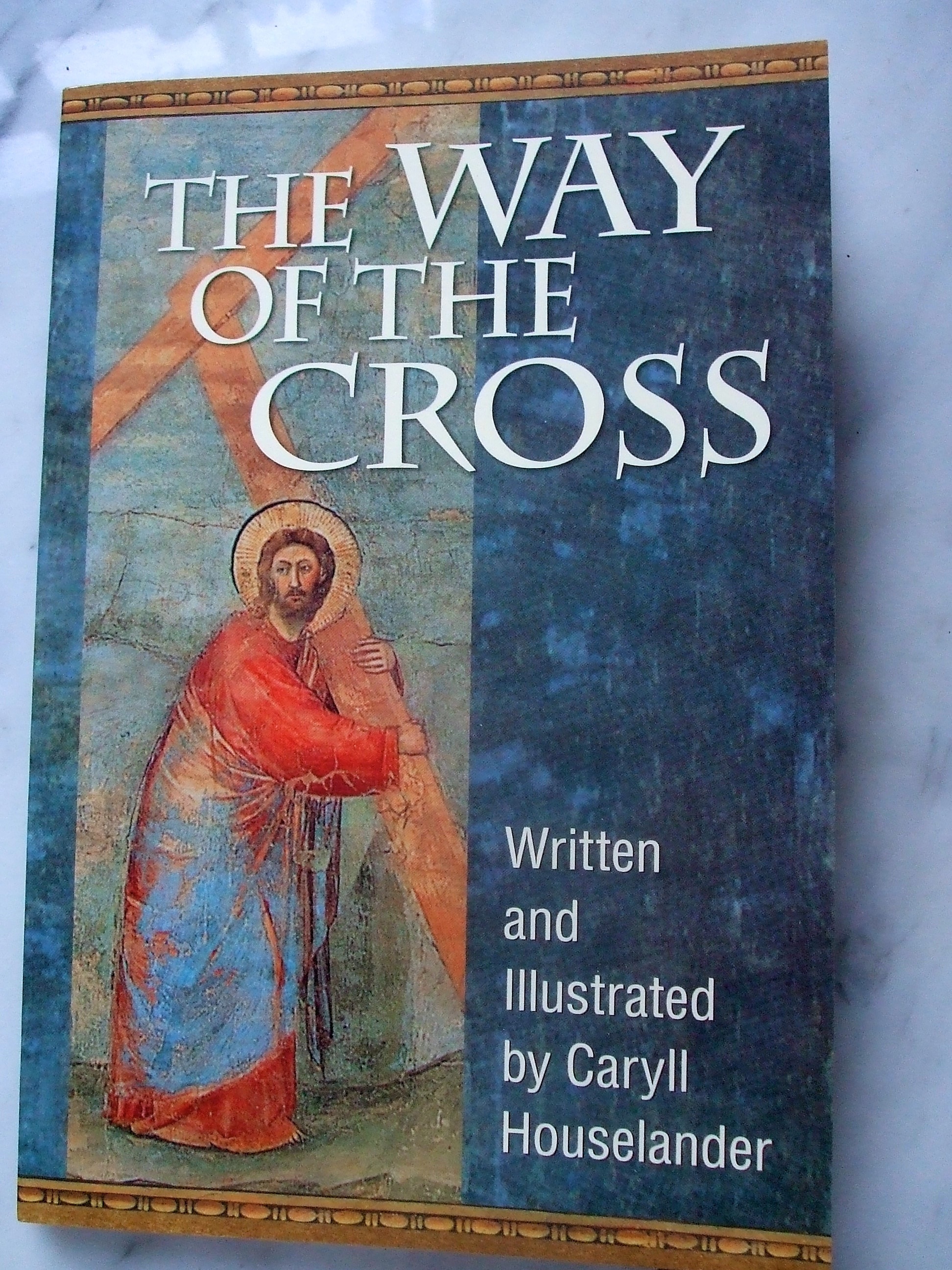
and in the spirit of that final climb up the mount of golgotha, a climb long broken into fourteen scenes, known in the Christian Church as “stations,” i leave you with this quiet and spare meditation of the stations of the cross from pádraig ó tuama. and finally a poem from the late great irish poet, seamus heaney.
may your holy days, whichever stories stir you, draw you into a deeper sense of being alive and in service to the miseries of this most broken world.
what are some of the stories told, and the hours into which you surrender, year over year, that most embracingly, certainly, undeniably hold you?
Chorus from “The Cure at Troy” by Seamus Heaney
Human beings suffer, They torture one another. They get hurt and get hard, Can fully right a wrong Inflicted and endured.
History says, Don’t hope On this side of the grave, But then, once in a lifetime The longed-for tidal wave Of justice can rise up And hope and history rhyme.
So hope for a great sea-change On the far side of revenge. Believe that the farther shore Is reachable from here. Believe in miracles And cures and healing wells.
Call miracle self-healing, The utter self-revealing Double-take of feeling. If there’s fire on the mountain And lightning and storm And a god speaks from the sky
That means someone is hearing The outcry and birth-cry Or new life at its term. It means once in a lifetime That justice can rise up And hope and history rhyme.
my favorite, favorite telling of good friday’s stations…
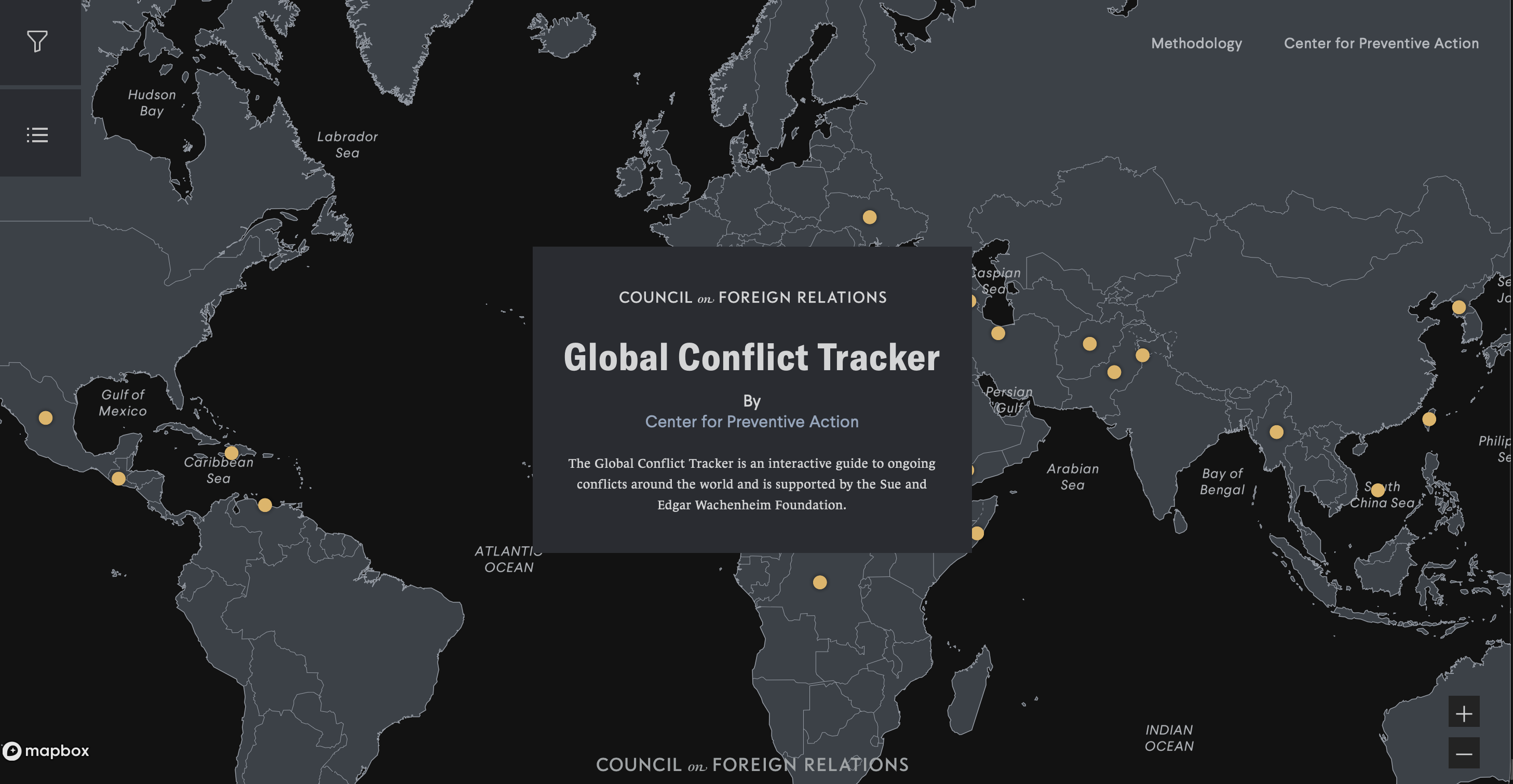
and a sobering note to close out this holy week: the global conflict tracker from the council on foreign relations
i am, as i so often am, late to the game. late to the nick cave game. i’ve known of his profound capacity to pierce the armament of the contemporary human wardrobe: the shield that keeps us at a distance from our own vulnerability. i’d heard rumor that he was a writer’s writer. but i’d never really dived in.
until now.
when a beloved, beloved friend sent me a letter he’d written that rang so, so close to truth — to my truth, anyway — i signed right up for more, more, more.
nick cave, in case he’s floated outside your circle of knowing, is, in a nutshell, a once-upon-a-time choir boy from australia, who went on to a wild ride through the early punk rock scene, and with his shock of black black hair and an emaciated profile, might aptly be described as a goth pioneer (note to mom: that means someone who takes on a wardrobe that’s something of a cross between a corpse and your most ghoulish uncle, and wallows in the literature and the language and the aesthetic of similar darkness, verging on the macabre). in time, he moved into the quieter, more contemplative lane of soulful song. his trademark, a baritone so deep it feels pulled from igneous rock, is fittingly in sync with the haunting, soulful lyrics he’s come to write.
nick cave
i’d known that tragedy struck dear nick, when his then 15-year-old son, arthur, fell from a cliff near brighton, england, and seven years later another son, jethro, died at 31, a death he doesn’t talk about, abiding by the wishes of jethro’s mother. i’d read bits of his writings about grief.
It seems to me, that if we love, we grieve. That’s the deal. That’s the pact. Grief and love are forever intertwined. Grief is the terrible reminder of the depths of our love and, like love, grief is non-negotiable. There is a vastness to grief that overwhelms our minuscule selves. We are tiny, trembling clusters of atoms subsumed within grief’s awesome presence. It occupies the core of our being and extends through our fingers to the limits of the universe. Within that whirling gyre all manner of madnesses exist; ghosts and spirits and dream visitations, and everything else that we, in our anguish, will into existence. These are precious gifts that are as valid and as real as we need them to be. They are the spirit guides that lead us out of the darkness.
but never have i read any of the longer works i will now go find (faith, hope and carnage, an extended interview with the journalist seán o’hagan.) what’s intrigued me most, in poking around and gathering bits in the ways of magpie (a bird known for scavenging trinkets hither and yon), is his take on religion. it’s always the soulful entrée where i find my curiosities leading me. this paragraph alone shouts, read, read, read more to me….
Cave is an avid reader of the Bible. In his recorded lectures on music and songwriting, Cave said that any true love song is a song for God, and ascribed the mellowing of his music to a shift in focus from the Old Testament to the New. He has spoken too of what attracts him to belief in God: “One of the things that excites me about belief in God is the notion that it is unbelievable, irrational and sometimes absurd.”When asked if he had interest in religions outside of Christianity, Cave quipped that he had a passing, sceptical interest but was a “hammer-and-nails kind of guy.” Despite this, Cave has also said he is critical of organised religion. When interviewed by Jarvis Cocker of Pulp on 12 September 2010, for his BBC Radio 6 show Jarvis Cocker’s Sunday Service, Cave said that “I believe in God in spite of religion, not because of it.”
*(emphasis, mine; in the case of “hammer-and-nails” it just struck my funny bone.)
the red hand files is the name of his blog, where he writes perhaps his most spontaneous writing (the hidden beauty of blogging [among the uglier words in the lexicon]). started years ago, it was a place for nick cave fans to send him questions, questions he’d sift through and choose to answer—or not. it seems to have morphed into a place of profound nakedness, another name for truth in unprotected, unshielded, undressed form.
here, the letter that drew me in, or most of that letter anyway:
As the ground shifts and slides beneath us, and the world hardens around its particular views, I become increasingly uncertain and less self-assured. I am neither on the left nor on the right, finding both sides, as they mainly present themselves, indefensible and unrecognisable. I am essentially a liberal-leaning, spiritual conservative with a small ‘c’, which, to me, isn’t a political stance, rather it is a matter of temperament. I have a devotional nature, and I see the world as broken but beautiful, believing that it is our urgent and moral duty to repair it where we can and not to cause further harm, or worse, wilfully usher in its destruction. I think we consist of more than mere atoms crashing into each other, and that we are, instead, beings of vast potential, placed on this earth for a reason – to magnify, as best we can, that which is beautiful and true. I believe we have an obligation to assist those who are genuinely marginalised, oppressed, or sorrowful in a way that is helpful and constructive and not to exploit their suffering for our own professional advancement or personal survival. I have an acute and well-earned understanding of the nature of loss and know in my bones how easy it is for something to break, and how difficult it is to put it back together. Therefore, I am cautious with the world and try to treat all its inhabitants with care.
I am comfortable with doubt and am constitutionally resistant to moral certainty, herd mentality and dogma. I am disturbed on a fundamental level by the self-serving, toddler politics of some of my counterparts – I do not believe that silence is violence, complicity, or a lack of courage, but rather that silence is often the preferred option when one does not know what they are talking about, or is doubtful, or conflicted – which, for me, is most of the time. I am mainly at ease with not knowing and find this a spiritually and creatively dynamic position. I believe that there are times when it is almost a sacred duty to shut the fuck up.
I’m not particularly concerned about where people stand – I’ve met some of the finest individuals from across the political spectrum. In fact, I take pride and immense pleasure in having friends with divergent views. My life is significantly more interesting and colourful with them in it.
Perhaps this all amounts to very little, but I suppose, in the end, I value deeds over words. I see my own role as a musician, songwriter, and letter writer as actively serving the soul of the world, and I’ve come to understand that this is the position that I must adopt in order to attempt to cultivate genuine change. In fact, I am now beginning to understand where I do stand, Alistair – I stand with the world, in its goodness and beauty. In these hysterical, monochromatic, embattled times, I call to its soul, the way musicians can, to its grieving and broken nature, to its misplaced meaning, to its fragile and flickering spirit. I sing to it, praise it, encourage it, and strive to improve it – in adoration, reconciliation, and leaping faith.
Love, Nick
but that’s not all….
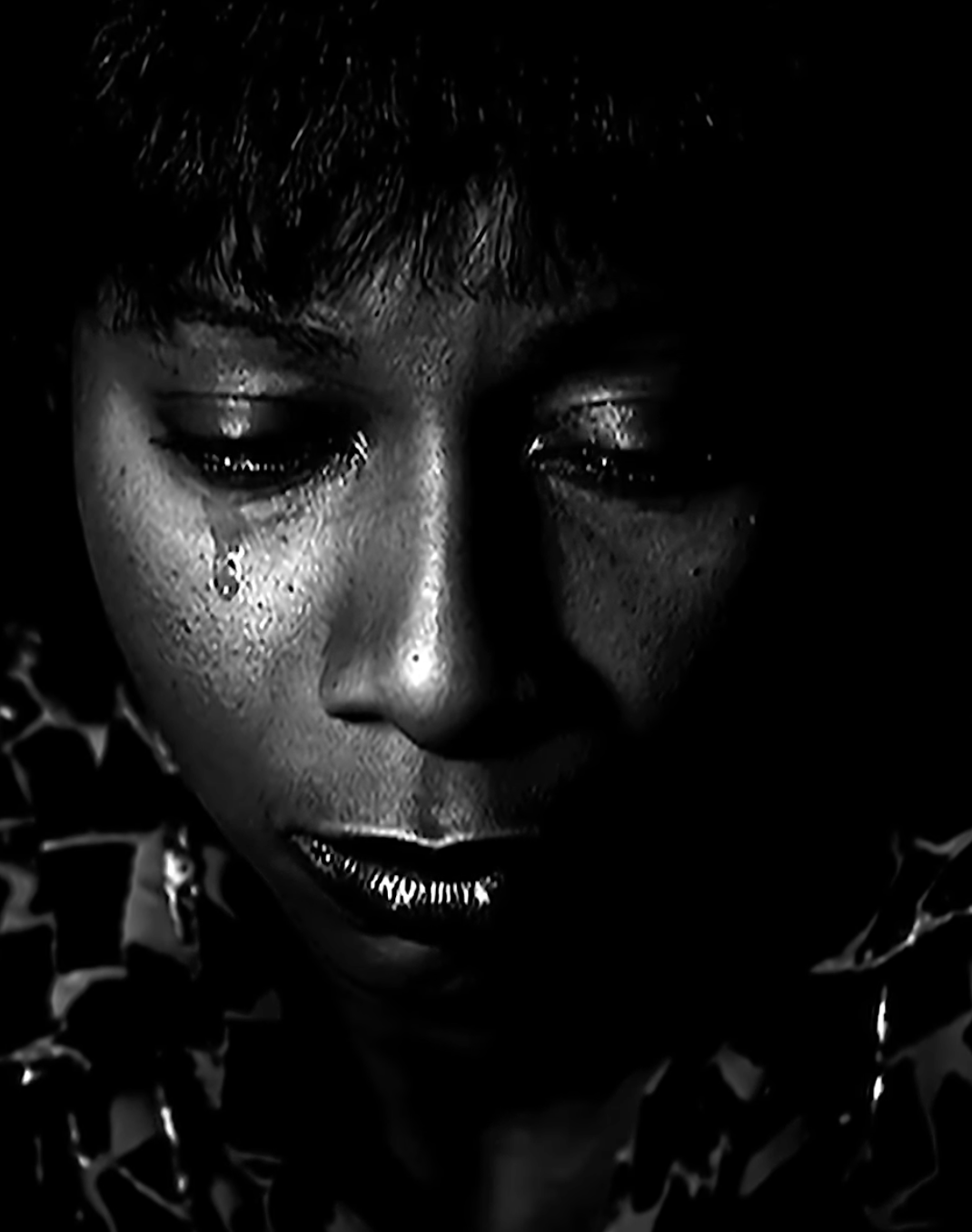
maybe what we need in this age is to move beyond words. to use our eyes more than our ears. to look and look closely at the common bonds of our humanity, and herein is precisely the study we might need, to see the human visage wrought by sorrow, or grief: on the brink of tears, fighting tears, to watch the flinching of muscle, the biting of lips, the contortion of muscle, pulled by nerves tied to whatever is the emotional core of us. to see how the human face on the brink of tears is sooooo deeply universally understood, felt, responded to. maybe in that place of wordlessness we can remember that we are all one, of one species, and that within us all is the emotion called grief, called sorrow. and we’d do well to remember that we are all always on the verge of brokenness. and, too, we might be the arms that reach out to dry the tear, to hold the quivering shoulders, to brace the wobbling spine against whatever strength we might muster. maybe we need to remember how tender we all are, somewhere, somewhere deep inside…..
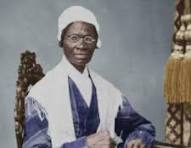
only one poem this week, and it wasn’t actually written as a poem, but laid out that way here it works mightily. it’s excerpted from abolitionist Sojourner Truth’s “Ain’t I a Woman” address, in the version published in 1863. The speech was originally delivered in the 1851 Women’s Rights Convention in Akron, Ohio. we might do well to ask, in the face of so much inhumanity, if swapping out the word “human” for “woman” stirs its own seeds of compassion….i am bereft; hollowed, haunted by the stories of immigrants pulled from their churches, their cars, their homes, flung to the ground, stomped on, kicked, living in fear…..
sojourner truth (unknown birth date; died 1883)
but this, as written, is more than mighty as is…..
Ain’t I A Woman?
That man over there says that women need to be helped into carriages, and lifted over ditches, and to have the best place everywhere. Nobody ever helps me into carriages, or over mud-puddles, or gives me any best place! And ain’t I a woman?
Look at me! Look at my arm! I have ploughed and planted, and gathered into barns, and no man could head me! And ain’t I a woman?
I could work as much and eat as much as a man — when I could get it — and bear the lash as well! And ain’t I a woman?
I have borne thirteen children, and seen most all sold off to slavery, and when I cried out with my mother’s grief, none but Jesus heard me! And ain’t I a woman? . . . Then that little man in black there, he says women can’t have as much rights as men, ’cause Christ wasn’t a woman! Where did your Christ come from? Where did your Christ come from? From God and a woman! Man had nothing to do with Him.
If the first woman God ever made was strong enough to turn the world upside down all alone, these women together ought to be able to turn it back, and get it right side up again! And now they is asking to do it, the men better let them!
+ Sojourner Truth
because you are all so wise in so many ways, what thoughts might you add to a conversation on love and grief, and the intermingling therein?
i’m off to my 50th high school reunion this weekend, a date that gives me pause, as it was one of the tenderest times in my life 50 years ago, a time that marked me through all these years. it was a steep uphill climb for a long time there. and thank holy God i lived long enough to get here. my prayer is that those who show up find compassion and grace, and that those who choose to stay home look around and see lives that have grown beyond the bounds of whatever have been the obstacles.
and i pray, oh i pray, for this world. no kings rally tomorrow….i heard a story this week about the not-far-away catholic church where ICE agents filled the parking lot during spanish-language mass, targeting the prayerful inside. so the priest becalmed those in the pews, locked the church doors, promised protection to his flock, and a brigade of rapid-response volunteers drove parishioners safely to their homes. cars had to be left behind. prayers were laced with terror. this is not the america my uncle died for, bayoneted in the night in a tent on iwo jima….
as my beloved friend fanny put it, “they come after us because we’re brown.”
let me begin by saying i have no business commenting on national affairs. and i confess to brandishing naivete at the highest level. but, in that way i always do come friday mornings, i scan the week and pluck the one particular thing that zings me the most. this week it’s war. it’s the word war. it’s opting for war instead of defense, it’s heralding a drive toward muscularity of the violent sort.
i’ve been studying Torah week after week for a few years now, more than long enough to know this tendency toward warring, toward violence, be it in the name of protection or crushing the opposition, stealing land, or seeking fortune, is as hard-wired into the human species as can be.
and yet…
and yet, there are those who’d see a rock and build it into a cairn, a path marker signaling to the stranger who comes behind, this is the way. this is the way toward a holiness, a holy place.
and there are those who see a rock and stoop to pluck it from the ground and fling it. where it lands, be damned. who or what it shatters, oh well.
i grew up on a street where there were rock flingers and cairn pilers. some of us played in the woods, being careful not to step on the trillium. some rode their bikes through the woods, fast and furious and zooming off logs piled for the purpose of velocity. crushing was part of the point. speed, the aim.
i live now in a country where the department of defense is considering a change of name, department of war. for all i know it’s happened overnight in one of those postings that now serve as executive orders. of all the countless assaults in a nation where rockets red glare once was a line in a patriotic hymn, why is one three-letter word so crushing to me?
because at heart i want to build cairns. i don’t want to be of a nation that only sees force as the way out. i know there’s a God seen as vengeful in the pages of ancient sacred text. but i know there came in time a Godly voice who took to the mountaintop and spoke: blessed are the peacemakers, blessed are the poor in spirit. blessed are the meek, the humble, the merciful.
that’s my tribe. by creed and by blood. but mostly by spirit.
and as the years accrue, as i have deepened into a sacred hollow, found my peace and my bliss there, i cannot fathom nor abide a mindset that heralds its predilection for bombs, for guns, for ballistics.
is there not might in the pen—the aphorism says that there is, that it’s mightier. is there not might in working it out, coming to the table with an understanding that we are but one tiny blue marble in the vastness of space, and we’ve been adorned with more than plenty, and all we need do is work out our share. the lines drawn in the sand are just that: subject to rearranging winds.
we needn’t turn into hermits, each in our own secluded and faraway hut (though it’s an idea that sometimes appeals to me). but we might be a village. a village where my empty cupboard is stocked when i need it by yours. where my faltering gait is held steady by you, because you respond to the impulse as hardwired into us as the rock-flinging one, the one that rushes to pluck the fallen from the sidewalk.
i am wise enough to know that’s not necessarily the dominant instinct, the peacemaking one. but i know there are ways to bolster it. it might be in following the lead of the everyday saints in our midst, the ones who rush to wherever there’s pain, or loss, or lacking. or the ones who quietly, quietly get the job done. it might be deep in the countless pages of ink poured over the millennia, the ones that brilliantly brilliantly illuminate a holier truth. the way toward blessedness is the path of the peacemaker.
i know my weighing in on the matter verges on silly. who am i but one breath in the wilds?
and all i’m saying is i am crushed, crushed, by one three-letter word.
and so very much more…
a choice: what crushed you this week? or what bolstered you?
i happen to have a big brother, his name is john, and he is marking a big birthday today. and so, i pause for a moment here (sometimes he pulls up a chair) to send a boatload of blessings and love. he’s been looking out for me since my beginning….(in this very old photo, he is kindly helping me climb into a little red car; he in red cap, me in the blue….)
this is from one of our ol’ home movies, a famous scene in family lore. i am soon either pushed over or assisted into car, depends on your perspective. since it’s his birthday, let’s give dear john the benefit of the doubt: he’s assisting. (though the next frame has me splat on the ground!)
all you need do is glance toward the sky, eyes skimming over the players on high. sunlight and cumulus. sunlight and cirrus. sunlight and nimbostratus. sunlight and cloud ever in play, in duet, in doh-si-doh of shadow and light.
there’s a truth being told there, a universal and organizing principle of all creation. on the first day, in the second verse, there was darkness, darkness hovering over the deep. in the third verse, light. God commanded it. and God saw that it was good.
in our lives, the leitmotif is a given. light will come. shadow will follow. light will come again.
so it was in my reading this week, when first i tumbled deeply into a luminous shaft, a boreen* of writings from a norwegian bishop and monk, erik varden, whose power as a writer was pointed out to me by a poetry friend whose taste i know to be exquisite and deep. i swiftly realized the bishop’s thinking and writing are everything they were billed to be: rare. exquisite. deep. radiant.
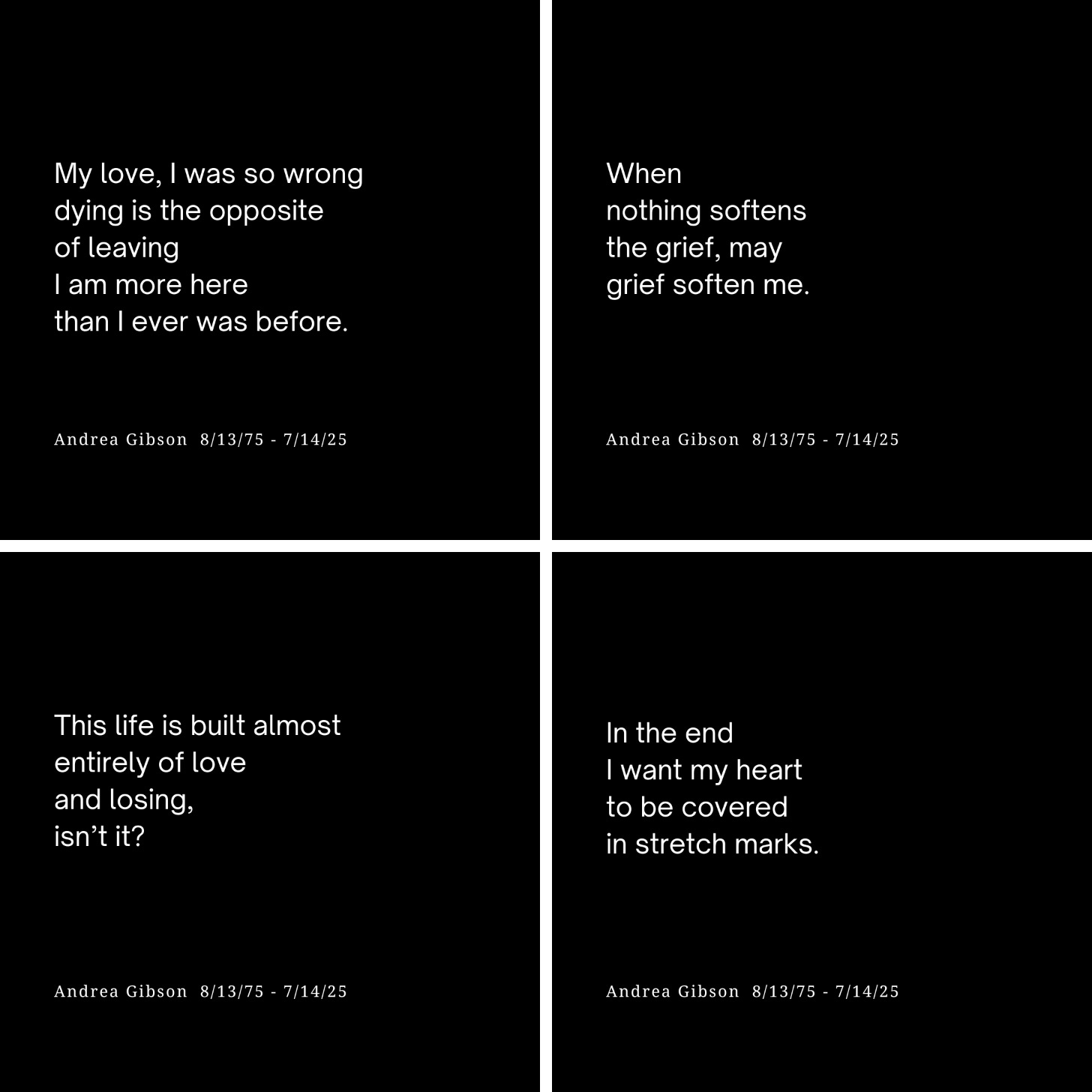
but then, hours later, shadow: i began reading a string of sentences posted from the account of one of my lifeline poets, someone you might call a patron saint of heartbreak and healing, of being more alive than you’ve ever imagined. i started to read, as if it were just another brilliant post: “Whenever I leave this world, whether it’s sixty years from now, I wouldn’t want anyone to say I lost some battle. I’ll be a winner that day.” and then i got to these words: “Andrea Gibson was a winner today. On July 14th, at 4:16AM, Andrea Gibson died…” and my legs stopped moving, and my breath was caught in midstream, and i read and read again. and then my fingers started to tremble, and my knees too.
andrea gibson
andrea gibson, 49, colorado poet laureate in 2023, queer activist (they/them/their pronouns), who had been diagnosed with stage 4 ovarian cancer in 2021, not long after they’d started a newsletter titled “Things That Don’t Suck,” had many, many times pried open my heart, pulled out the unspoken words and the fears and set them soaring. when i too found out what it is to live with cancer as one of the nouns in my story, i drew andrea into my innermost circle. the ones who know, without you uttering a word, just what you’re thinking, you’re feeling, you’re praying. the ones who some days save you. because even though the cyberworld is distant and intangible, it works in mysterious ways, and someone with whom you’ve never breathed the same air can become someone whose voice you can hear as you flutter to sleep, and whose courage you conjure as they glide you into the sarcophagus that is your biannual CT scan.
light. shadow. light from shadow. shadow deepening light. it’s the dance of the duet, interminably entwined. one is always more beautiful because of the other’s presence, because the duet is perpetual.
first, this week’s light:
that monk on a bicycle, spotted cycling through the garth just beyond the cloister, is all it took for me to want to whisper my vows, and cycle along.
as i’m quick to do, i signed up for bishop varden’s website, coram fratribus, a name derived from his episcopal (meaning “of the bishop”) motto, coram fratribus intellexi, latin for “understanding with my brothers.” because the bishop is shepherd of a flock spread across 22,000 square miles in the north of norway, extending beyond the polar circle, he sees his site as a way to speak to the diaspora, to think aloud of those things he finds beautiful or challenging, to gather his flock into a communion of thought. specifically, i felt my heart quicken as i burrowed into the bishop’s collections of writings under the tabs “life illumined,” and the shorter jottings under “notebook,” which he describes thusly:
“To scribble in the margins of texts is an ancient practice. There are people, these days, who make an academic career out of studying ancient marginalia. Any exercise of reading is fundamentally conversational. The notes collected here are brief responses to impressions received not just through books, but also through encounters, art, music, and films.”
now you see why i, a marginalian of long practice, swoon?
before i get to the paragraph in “life illumined” that drew me deep into thought, let us pause to note why we see that little outline of an owl, in the upper right corner, and hovering over every page of the site. the good bishop describes that choice thusly (emphasis mine from here on in):
“The emblem of the site is an owl. The owl does not just wing you back to the front page. It has for centuries been a symbol of the monk. Why? Because it watches in the night, when most people sleep; because it is able to see in the dark, discerning movements and patterns, foundations of meaning, where the human eye perceives only vaguely. I am fond of this Italian doggerel:
“Sopra una vecchia quercia c’era un vecchio gufo: più sapeva e più taceva, più taceva e più sapeva.
“In an old oak tree there sat an old owl: the more it knew, the silenter it was; the silenter it was, the more it knew.”
what fluttered into my mailbox the other morning was a page of the monk’s notebook on the nightingale, complete with an ancient poem (from the early middle ages, written by alcuin of york, an adviser to charlemagne) mourning the absence of the wild creature and its delicate throat. a recitation in english and latin, and including a recording of the nightingale’s song. that alone was more than beautiful enough. and then my poking and peeking accelerated, and that’s how, under the “life illumined” tab, i found a break-me-open paragraph on learning to pray.
in an essay focused on the simplicity of jesus’s prayer, and the universal cry of all believers, “lord, teach us to pray,” varden paints the scene of 72 disciples who learned not simply by listening to the words of jesus in prayer, but in witness to his consuming attention to the ways and will of God. varden expounds:
“Jesus’s teaching on prayer amounted to more than the provision of a text for recitation, that is clear. It was the sight of Jesus praying that made the disciples wish to learn prayer. The words of prayer, which touch our reason and orient our will, point towards the breaking-open of our heart, the transformation of our being as we dare to aspire, even in this life, to ‘become participants of the divine nature’.”
it is the breaking open of the heart, indeed, where the truest serum of our souls pours out. only in the last couple years have i understood that as profoundly as i do now. and, yes, that breaking so often comes with pain, or in pain, or through pain. but i’ve learned now how it truly is the propellent, the force that pushes us deeper into sacred truths than we might otherwise venture. without the breaking open, we might cling to the safer and shallower waters.
the bishop goes on. takes us beyond merely the breaking, and makes the point of its purpose. be it through prayer or through living, the breaking open is the vehicle for those who dare to aspire, in the here and now, to become participants of the divine nature. to inch as close as we can in this lifetime to something akin to sacred. i found a redemptive resonance in that line because at heart, even for the quiet ones among us, we are a people of communion, and there is a heartening, an emboldening, that comes in finding that your purpose, your aim, is not yours alone, but shared in common understanding with at least some of your sisters and brothers.
let us be broken open, then, if it points us toward our holiest purpose. through the break in the clouds, the light comes.
and onto the shadow, the eclipsing shadow…
less than one month shy of her fiftieth birthday, andrea gibson, the poet who boldly faced the coming of her death, who has been amplifying wonder, making us see the unseen, relish the oft-overlooked, took her last breath in the wee hours of monday morning.
i have been relishing her, here and in my everyday, for years now. curiously, her presence in my life spans almost precisely the arc of time in which i’ve been in the company of my own cancer.
the month before my lung surgery, when the world felt overwhelmingly like the depths of a cave, i wrote of andrea and lines i’d inscribed on my heart:
thanks to a friend i love with my whole heart, i stumbled on another wise soul with buckets of beauty to grace the world. a poet-activist-performer named andrea gibson, now a cancer survivor whose words might take your breath away. andrea identifies as queer, and uses the pronoun “they;” and they are known for their trademark honesty and bare-naked vulnerability, traits i find irresistible and blessed beyond words. here are just a few lines i couldn’t keep from scribbling down:
when it comes to hearts i want always to be size queen…
i love you because we both showed up to kindness tryouts with notes from the school nurse that said we were too hurt to participate….
when your heart is broken, you plant seeds in the cracks and pray for rain.
before i die, i want to be somebody’s favorite hiding place, the place they can put everything they know they need to survive, every secret, every solitude, every nervous prayer, and be absolutely certain i will keep it safe. i will keep it safe.
yesterday, thursday, this slipped into my mailbox from andrea’s wife, meg:
A couple years ago, Andrea said, “Whenever I leave this world, whether it’s sixty years from now, I wouldn’t want anyone to say I lost some battle. I’ll be a winner that day.”
Whatever beast of emotion bucks or whimpers through you right now, I hope you can hold that line beside it: Andrea didn’t lose anything. If you had been here in our home during the three days of their dying—if you’d seen dozens of friends drift in to help, to say goodbye, to say thank you, to kiss their perfect face, if you’d felt the love that floored every hospice nurse—you would have agreed. Andrea won.
I won’t sugarcoat the fact that they desperately wanted more time on this planet that they loved so much. This planet of squirrels and romance and basketball and moonlight.
But the time they had was significant, prismatic, and wild. It was full of trampolines and mountain ranges, stage lights and pants-peeing laughter. In their words, they “juiced the sun for every holy drop.” One of the last things they said before dying was, “I fucking loved my life.” Their conviction stunned the room.
If Andrea’s life was a poem (and it was), could there be a better last line?
a little backstory, again from meg:
In 2021, before the diagnosis, Andrea announced they were writing a newsletter, titled Things That Don’t Suck. A few weeks later, we learned they had ovarian cancer.
At first, Andrea said, “What a terrible time to be committed to writing about what doesn’t suck.” Then, almost immediately, they shifted their perspective and said, “What a perfect time.”
And so, this space was born. Part journal, part poetry, part pep talk, part treasure hunt. It became an archive of Andrea’s ability to find beauty in unlikely places, to wring gratitude from even the hardest hours. A museum of how they danced through their diagnosis, always turning their compass toward joy. It fostered a community they deeply loved.
And Andrea wanted all of it to continue.
meg tells us it will. there are reams and reams of unpublished writings, lines scribbled under the silvery light of the moon on those nights when sleep wouldn’t come. pages poured into volumes tucked away. a memoir, unfinished. half-written poems. a documentary coming this fall.
and meg promises this:
And there are stories of our life, and of the last months, that I, as their partner, and as a writer, feel both lucky to carry and uniquely able to tell.
As gut-wrenching, impossible, and tear-soaked as this moment is, I’m grateful beyond measure that they were so prolific. Through their books, their reels, their interviews, their albums, Andrea’s incredible mind will reverberate for a century—I’m sure of that.
and so, in the presence of the bishop monk, and the absence of the poet prophet, we shall go on. awake in the light and the shadow. and the shadow that deepens the light.
in case you’re curious, a bit more about dear bishop varden:
it was only after absorbing so much of his writing that i circled back to learn a bit of his origin story.
varden was born into a non-practicing lutheran family in a small village in the south of norway, and would go on to earn a doctorate in theology and religious studies at the university of cambridge, and further study in rome. a convert to catholicism at 19, he was drawn to the monastic life, and joined the mount saint bernard abbey, a cistertian monastery, in charnwood forest, in leicestershire, england. he was called to rome to be a professor of syriac language, monastic history, and Christian anthropology. and two years later, returned to the abbey when he was named its eleventh abbot. and, in 2019, pope francis named him bishop of trondheim, a nearly 22,000-square-mile prelature north of the polar circle in norway.
mount saint bernard abbey, varden’s home monastery, is where the only Trappist beer is brewed in all of England, under the name Tynt Meadow English Trappist Ale. beer to the trappists is no earthly distraction. the belgian trappists have a saying: “Beer should be liquid bread, not coloured water.”
and here’s a morsel, this one on the theology of beer, as spoken at the blessing of the monk’s brewery on st. george’s day, 2018. from Dom Erik’s address:
“One of the fascinating things about beer, is that this (potentially) sophisticated beverage is made of the simplest ingredients. By being refined to manifest their choicest qualities; by being brought together in a favourable environment; by mingling their properties and so revealing fresh potential; by being carefully stored and matured, the humble malt, hops, yeast, and water are spirit-filled and bring forth something new, something nurturing and good, that brings joy to those who share it. Considered in this perspective, the brewery provides us with a parable for our monastic life, with the Lord as virtuoso brewmaster. The Scriptures favour wine as an image of the Gospel – but that is culturally conditioned; beer, it seems to me, is a much neglected theological symbol.”
*boreen, you might recall from a few weeks ago, is the old irish word for what we might call a pothole, a rabbit’s hole, but in ireland, an island etched with cowpaths, it’s a word derived from a meandering side path when the cow decides to venture off on her own….if language is a cumulative patchwork, boreen is a word now in my lexicon….
you’ll find a veritable font of andrea’s spoken word poems, and writings at their website, andrea gibson.org. spend some good time there.
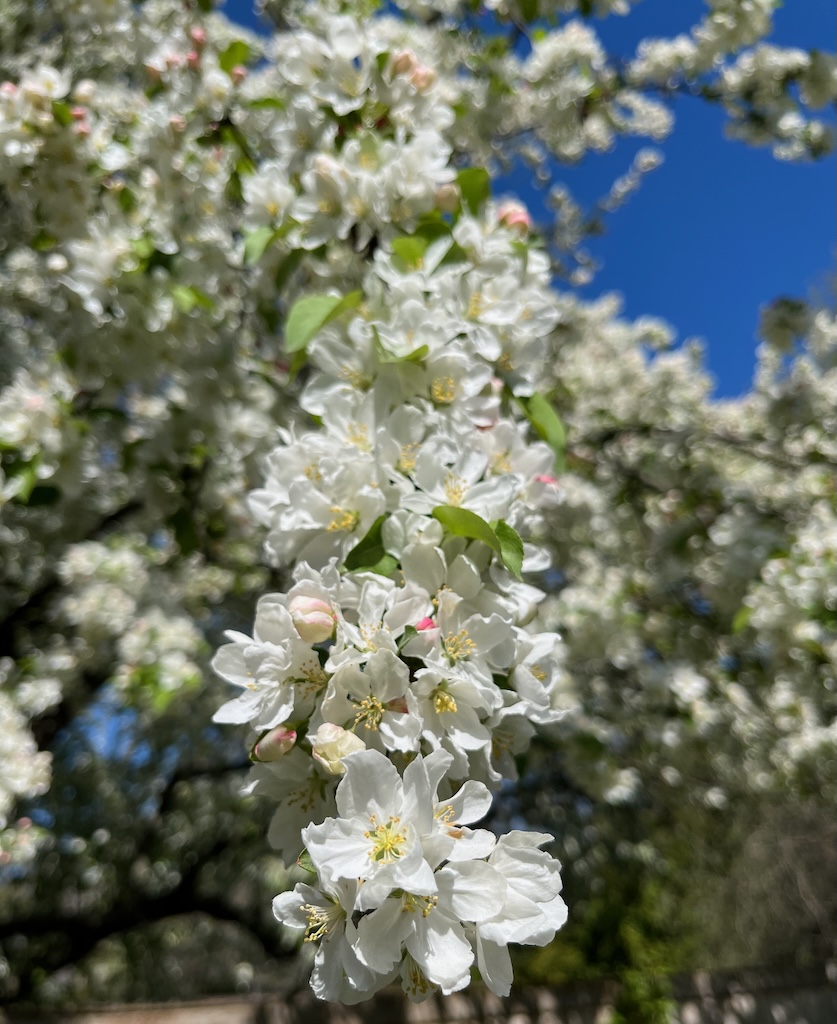
sometimes a batch of words comes tumbling into our world, fluttering onto the path we cross as if the petals from an apple blossom whose bloom has expired. the words come unannounced, and lay there waiting for us to notice. once we read them we can’t think of anything else. all day long, all our thoughts come round to them again and again.
so it was when a friend whose grief is without measure sent along these words the other morning:
I have been telling myself that I don’t know how to do this, that nothing has prepared me.
i’ve been thinking long and hard about those loads we’re tasked to carry. how every one of us, at some time or another, is bound to have one. a load so beyond measure, a load we never saw coming, it simply stumbles us, knocks us flat and gasping. and in the depth of our hollows — if we’re telling truth — we mouth those very words: “i don’t know how to do this. . . . nothing has prepared me.”
all we see is steep climbing ahead. a load we don’t know how to hold. and all we’ve got to bear it are our stubby shuffling feet, and a ribcage that holds the parts of us that breathe and pump the oxygen. our shoulders and our spine we fear will crumple under the weight of it.
and then there’s the beehive of a brain, where all the wiring and the worrying, where all the remembering and the grieving and the what-iffing and the if-onlying whirs in and out at every turn in every hour of the day.
the poet and collagist jan richardson put it like this in her “blessing for the dailiness of grief”:
It will take your breath away, how the grieving waits for you in the most ordinary moments.
It will wake with your waking.
It will sit itself down with you at the table, inhabiting the precise shape of the emptiness across from you.
It will walk down the street with you in the form of no hand reaching out to take yours. . . .
but here, maybe, is what we need to remember, to bear the load we’re sure will finally be the one we cannot budge or bear: our whole life long, we’ve been preparing. every hurt and insult hurled our way. the time in third grade when we cried because the kid one desk over made fun of our clunky shoes. but, next morning, we tied their laces into bows and we walked back in the classroom, and sat there all day long, learning how it is to become more than the stubby shoes that were not penny loafers. the time in high school, when someone in the hall pointed at us and said our face looked like someone smashed us flat against a wall. and it stung for weeks after, every time we stood before a mirror and turned this way and that to measure just how flat our irish face really was.
and then the big ones come: the time the doctor walked up to the knot of us coagulated in the hospital corridor, and simply said, “i’m sorry.” and we were left without air in our lungs, and with the sudden senseless knowing that the brightest light in our existence had just gone dark. forever.
or the night the clots kept coming. and at last the tiny, tiny arms and legs, the intricately blessed face i’ll never forget, as the baby i thought i was having was cupped in the palms of my bloody hands, the miscarriage that hurt the most.
the litany is plenty long. and we sometimes never notice just how much each ache is strengthening the fibers of the muscle group without a name, the one that holds us up — yes, wobbling at first; yes, stained with umpteen tears; yes, with sleepless sleepless night — but the one that, in the end, does not fail us.
we are stronger than we know. and, all along, we’ve been piling on the sinew, deepening the courage, deep breathing the determination, to look that unbearable load square in the eyes, to say, “climb on. i’ll carry you.”
just watch.
and then, at last, there comes this (jan richardson again, this time “blessing of breathing”):
That the first breath will come without fear. That the second breath will come without pain.
The third breath: that it will come without despair.
until at last . . .
When the tenth breath comes, may it be for us to breathe together, and the next, and the next,
until our breathing is as one, until our breathing is no more.
my dear and blessed friend, and all who bear loads they deem unbearable, you do know how to do this. deep in your marrow, you know. your whole life long you’ve been growing strong and stronger. you’ve got this, and you’ve got this. and if and when you stumble, we are here with our simple grace and our love that will not falter.
where did you find the strength you did not know was yours?
PS (note the all caps!): it’s the birthday sunday of one of the wise women of the chair, our very own lamcal, and i can’t gather up enough love in my bouquet to sufficiently surround her. she is beyond measure! happy blessed day, beautiful one. xoxox and happy mothering day who all who love in that way that knows no end….
according to celestial alignments, the shadow now is equal, light and dark. the sun has crossed the equator, and here on the northern half of the orb, spring is upon us. except that as i type, snow is blanketing my tender spring tendrils, and the walk is slick, and, well, tis the very picture of springtime here in the heartlands, where you’re wise not to count your blooms before the ides of may.
my heart too is heavy, beating in time with that of a mother i know who is off in the mountains of northern california searching for her blessed daughter who went hiking from the tassajara zen mountain center on monday, and five days and cold dark nights later still has not been found. i ask for prayers for caroline.
motherhearts are a communal collective. we cannot pause the pounding against our own chest wall, we cannot sleep soundly, when we know profoundly of another mother in unimaginable distress. be it the mothers of syria, or gaza, or israel’s kibbutzim, or my long-ago newsroom compatriot now strapped into her hiking boots, hearing only the echo of her own cry as she walks the remote yet exquisite topography where, somewhere, her firstborn is lost, is lying, is awaiting her mama’s arms and a wrapping in blankets.
my prayers have been looping nonstop, clouding out most other thoughts, since i first heard word. caroline’s mama is a woman of incredible, unbreakable faith. the notes she is sending back home, here in chicago, bolster my faltering. “my gratitude and hope outweigh my fears,” she wrote in her last short update, teaching me a thing or two about how to be strong in the face of the unbearable.
because the promise of springtime is, indeed, equal parts shadow and light, i turn to the poets for a dappling of light. and we begin with emily, the belle of amherst, and quickly turn to the little-known artist who inspired her:
“to be a flower,” emily dickinson wrote in her 1865 poem, “bloom,” considered a pre-ecological work, “is profound responsibility.”
clarissa munger badger
a passionate lifelong gardener, emily D (“a keen observer of the house of life who made of it a temple of beauty,” as cultural critic maria popova once put it) had fallen under the spell of wildflowers as a teenager while composing her herbarium of 424 blooms native to new england. but, writes popova, it was an “uncommonly beautiful” book her father gave her just before she turned thirty that rocket-blasted her poetic passion for nature’s own garden: wild flowers drawn and colored from nature by the botanical artist and poet clarissa munger badger (may 20, 1806–december 14, 1889).
published in 1859, the same year charles darwin’s on the origin of species shook science, badger’s book “contained twenty-two exquisite scientifically accurate paintings of common new england wildflower species — violets and harebells, the rhododendron and the honeysuckle — each paired with a poem bridging the botanical and the existential: some by titans like percival and longfellow, some by long-forgotten poets of her time and place, some by badger herself,” writes popova.
seven years later, badger brought her brush to the beauty of wildflowers’ domestic counterparts, the blooms of greenhouse and garden: the pansy and the lily, the day-blazing geranium and the night-blooming cactus, the tulip and the rose, and once again pairing her paintings with poems, she celebrated garden flowers as “brilliant hopes, all woven in gorgeous tissues,” as “stars… wherein we read our history.”
bluebellhawthorne
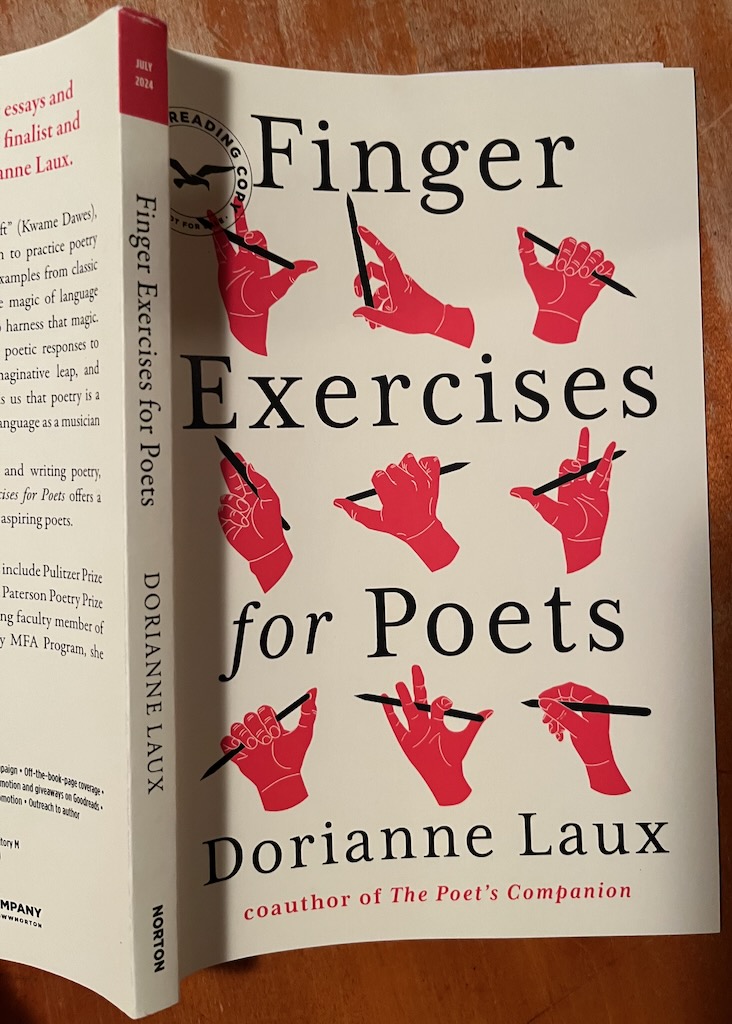
another poet, one i dream of sitting down to dinner with, or more in keeping with her ilk, plopping on a porch swing, she with cigarette burning orange against the black of night, me, merely pumping my merry little legs. dorianne laux is her name, and you’ve seen me write of her here. she has a brand new craft book, companion of sorts to her earlier the poet’s companion, and the new book, finger exercises for poets, is “an engaging invitation to practice poetry alongside a master,” and it’ll be out this july from w.w. norton & company. (they still send me advance reader copies; bless them.)
here’s a passage i knew i needed to share, from glorious, glorious dorianne’s introduction:
“My instrument is the immensity of language, the techniques and effect of crafting images, shaping sound and rhythm, creating new combinations with the single notes of words, each colliding or coming together, meshing or crashing, standing firm or tumbling. There are eighty-eight keys on a piano, six hundred thousand words in the English language. The patterns, the sequences, and permutations of both are endless. For me, language is another kind of music.
“I practice poetry. This book invites you to practice along with me.”
and i close, this snowy spring morning, with yet another master of language, and truth-telling: james baldwin. (this comes to me from a french monk whose writing i follow; laurence freeman is his name, and here’s a bit of what he sent this week from the bonnevaux centre for peace, in the southwest of france): “toward the end of his life, baldwin gave a television interview in which he was asked to reflect on the essential subject of his classic, groundbreaking novel, giovanni’s room. baldwin’s answer is an extraordinary meditation on love, and in particular, how it can serve a kind of educational purpose in our lives.” here’s what baldwin said, laid out as a poem.
Q: What’s the novel, Giovanni’s Room, about?
Baldwin’s answer:
It’s about what happens to you if you can’t love anybody. It doesn’t make any difference whether you can’t love a woman, or can’t love a man — if you can’t love anybody, you’re dangerous. Because you’ve no way of learning humility. No way of learning that other people suffer. No way of learning how to use your suffering, and theirs, to get from one place to another.
In short, you fail the human responsibility, which is to love each other.
+ James Baldwin
what are the lessons of love you learned in this week of shadow and light?
my “springtime” garden, whitened.
p.s. illustration at the top is indeed one of clarissa munger badger’s beauties. and i will ask once again, please please offer up prayers for rescue for blessed, blessed caroline, her mama, her papa, and all who are holding their most sacred breath…..
i’ll be honest (as if i’m ever not): this was an unbearably hard week. and i am exhausted to the bone. the horrors of the world––images and stories i could barely take in––shred us, and scare us; make me wonder if we’re teetering on another apocalyptic precipice. and within the world’s horrors, there is a much-closer-to-home struggle that’s absorbed my every ounce of attention and strength: the not-insurmountable, steep incline of moving my mother into the next much-dreaded chapter of her life. a chapter she had adamantly refused to consider until the bones in her body were broken and the home she has loved for six decades can no longer be a place of safety and refuge.
the days have been long, have been wearing. but time and again through the week, my eyes fell on words that all but saved me. i gathered them up each time, hungrily. voraciously. as if the ones who spoke the words, or wrote the words, or somehow laid the words all in a life-saving line had reached out through the darkness to give me their hand. each time i held on tight. here are the words that steadied me this week. maybe they’ll steady you too.
i turn first to the irish, because where better to turn in the face of a broken world, and a battered heart: this comes from pádraig Ó tuama, who wrote: “there’s an irish phrase, ‘Is olc liom do bhris,’ which we say during a time of grief. a literal translation is ‘your brokenness brings me horror.'”
i couldn’t pronounce the irish if you paid me, but i love that the irish soul immediately understands that sometimes we’re not simply saddened but out-and-out broken under the weight of our sorrows.
but then, at the very moment i needed it, anne sexton came along: as i sat there watching my mother, now bent over a walker, sometimes crying out in pain, i watched my somewhat shy mother shuffle into a dining room filled with strangers. i watched her gently lay her hand on the shoulder of someone she was shuffling by, and i heard her say, “hello, i’m barbara, i’m new here.” and i felt my belly gurgling like jelly, as in the days when i pressed my ear against the kindergarten door, praying my firstborn would make it through the morning, my tender brave boy in a sea of new faces and voices. i watched my mother show me courage in the face of everything she’d prayed would never come to her. and then anne sexton’s words slipped under my nose. and i thought for a minute the heavens must have been listening, or maybe instructing.
Courage
It is in the small things we see it. The child’s first step, as awesome as an earthquake. The first time you rode a bike, wallowing up the sidewalk. The first spanking when your heart went on a journey all alone. When they called you crybaby or poor or fatty or crazy and made you into an alien, you drank their acid and concealed it.
Later, if you faced the death of bombs and bullets you did not do it with a banner, you did it with only a hat to cover your heart. You did not fondle the weakness inside you though it was there. Your courage was a small coal that you kept swallowing. If your buddy saved you and died himself in so doing, then his courage was not courage, it was love; love as simple as shaving soap.
Later, if you have endured a great despair, then you did it alone, getting a transfusion from the fire, picking the scabs off your heart, then wringing it out like a sock. Next, my kinsman, you powdered your sorrow, you gave it a back rub and then you covered it with a blanket and after it had slept a while it woke to the wings of the roses and was transformed.
Later, when you face old age and its natural conclusion your courage will still be shown in the little ways, each spring will be a sword you’ll sharpen, those you love will live in a fever of love, and you’ll bargain with the calendar and at the last moment when death opens the back door you’ll put on your carpet slippers and stride out.
~ Anne Sexton ~
(The Awful Rowing Toward God)
and then, the news of the death of louise glück, the nobel prize-winning poet from cambridge, mass. a poet i once sat inches away from in a bookstore in harvard square, so close to me that i could feel the whoosh of her hand as she swept it through the air, punctuating one of her lines, pushing back her lioness locks of silver-streaked hair. louise died of cancer, and her beautiful words held a deep resonance in this week when i found myself talking to the kindest physician i’ve met in a long summer of looking for answers. in between worrying about my mother, i remembered i too am still looking for light in my own shrouded tunnel. a doctor from mass general, just down the road from cambridge, gave me that light. and she was more than kind in doling it out. but here’s louise:
CROSSROADS by Louise Glück
My body, now that we will not be traveling together much longer I begin to feel a new tenderness toward you, very raw and unfamiliar, like what I remember of love when I was young —
love that was so often foolish in its objectives but never in its choices, its intensities Too much demanded in advance, too much that could not be promised —
My soul has been so fearful, so violent; forgive its brutality. As though it were that soul, my hand moves over you cautiously,
not wishing to give offense but eager, finally, to achieve expression as substance:
it is not the earth I will miss, it is you I will miss.
and those are the words i clung to this week, the words that carried me across an awful abyss.
what words carried you?
p.s. there’s one other poem that saved me this week, because it always saves me: naomi shihab nye’s kindness. here tis:
KINDNESS
Before you know what kindness really is you must lose things, feel the future dissolve in a moment like salt in a weakened broth. What you held in your hand, what you counted and carefully saved, all this must go so you know how desolate the landscape can be between the regions of kindness. How you ride and ride thinking the bus will never stop, the passengers eating maize and chicken will stare out the window forever.
Before you learn the tender gravity of kindness, you must travel where the Indian in a white poncho lies dead by the side of the road. You must see how this could be you, how he too was someone who journeyed through the night with plans and the simple breath that kept him alive.
Before you know kindness as the deepest thing inside, you must know sorrow as the other deepest thing. You must wake up with sorrow. You must speak to it till your voice catches the thread of all sorrows and you see the size of the cloth.
Then it is only kindness that makes sense anymore, only kindness that ties your shoes and sends you out into the day to mail letters and purchase bread, only kindness that raises its head from the crowd of the world to say It is I you have been looking for, and then goes with you everywhere like a shadow or a friend.
it was the call you pray you never, ever get: early morning. “police and paramedics are already there.” little else known.
except that it was my mom. and she’d taken a terrible fall, a nightmare of a fall. police had broken in the front door when they saw her lying, crumpled, unresponsive, at the bottom of the stairs. a spotted trail of blood had followed her down the last eight of 14 stairs, around the landing, and onto the slate floor of the front hall, where it had pooled.
as the pieces started to fall into place, one theory was replaced by another, and what we knew was that it was a fall from the top of the steep hardwood stairs to the hall down below. she’d been lying there almost 12 hours.
and i was some 200 miles away, driving 70 miles per hour, suddenly fielding phone calls to and from brothers scattered across the country, detroit, california, maine, and the brother whose car was following the ambulance to the emergency room where so much of our family’s life has unfolded: death, birth, broken arms and legs and umpteen stitches, hours-long surgeries and outpatient, too, along with a few godawful diagnoses.
my mother’s most fervent prayer since a car accident two aprils ago has been “to go home.” and home to my mother is heaven. she desperately doesn’t want to be alive anymore. finds little joy in the everyday. except for the birds. and irish whiskey on the rocks, with plenty of water, at 5 p.m. sharp (or 4 if nobody’s looking). and as she said to me in a whisper from her ICU bedside the other day, “to be honest, i wish i’d gone” (meaning not waken up after the fall). “but not that way, i guess” (meaning not alone, in the dark, at the bottom of the stairs, when she thought she’d been headed into the shower, to climb into bed, for another restless night of not much sleeping).
my mother, who is as pragmatic and plainspoken as the day is long, wasted little time in realizing “i might never be allowed to live alone again.” a dawning followed quickly by “can you take me right now to westmoreland,” which is not quite the name of the place where she’s been on a waiting list for independent living since two aprils ago, and at least four times has told them “i’m not ready” when they’ve called her with an available apartment.
she’s still not ready. not really.
but my mother’s face and scalp and arms and legs are the color of eggplant right now. the bruising so intense it’s long past purple and deep into inky indigo. somewhere between aubergine and midnight. and that’s only what’s broken on the outside. ribs, and vertebrae, and a bone on her face, they’re broken too.
i was lying in bed the other night, the night before we moved my mother to rehab, tallying the things my mother will miss after 60 years in the house where we all grew up, the house she would not leave because of its tall oaks, and its sunsets out the kitchen window, and the birds and the deer and the pair of ducks who waddled under the fence each and every spring.
after all these years of knowing ours was the house at the first bend on the winding dead-end street, across from the green pond and the woods where i grew up, across from the country club where my mother for years would strap on skis after any snowfall and glide for miles across snowy greens and tees and sand traps, i am bumping into brain hiccups any time i try to wrap my head around the brand-new notion that 707 will no longer be. or no longer be ours anyway, no longer the polestar to our family chronicles.
for now, my mother is miles away from that old house. and she’s never going back. says she doesn’t think she could bear to say one last goodbye. so we will shutter it, the five of us who know that house inside and out, who know which upstairs window was the one a brother climbed in one night too late past curfew, the sliding door where another brother was showing off his brand new BB gun and PING! the glass was shattered, the arbor of oaks under which i and my beloved were married.
this is not the way my mama––or any of us––wanted her story to end.
but we’ve soldiered on before. she has always taught us how. she’s not one to buckle under.
she’s been widowed 42 years; buried a husband, and a tiny baby granddaughter atop her husband’s grave; mothered five children, each of whom has had twists and turns and upside downs. she’s had cancers of her own.
and till now, she has not crumpled.
even now, her faith has barely flagged. but she looks up at me, through her swollen ink-black eyes, and asks, “barbie, why won’t God take me?”
and how can i answer that, other than to say, “mama, we don’t know. we just don’t know.”
and so i rub her back where the terrible aching is, and we find her favorite cowboy channel, and i pray and i pray. don’t think me wrong to echo my mama’s prayer. i pray too, dear God, please take her home. she wants so very, very deeply to be there…
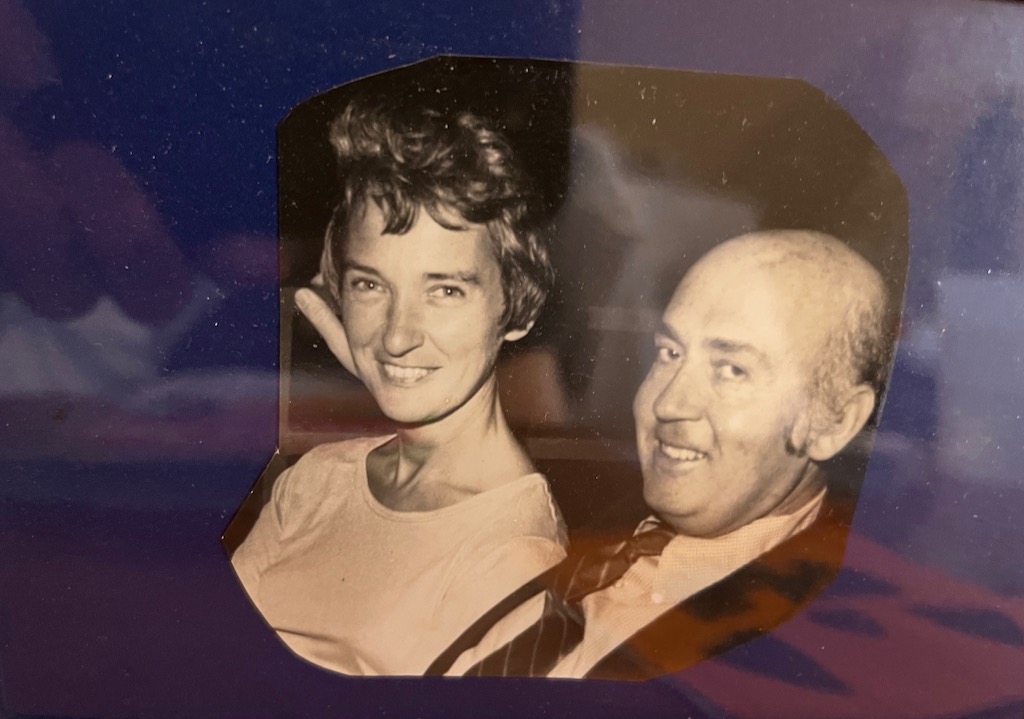
i’m transfixed by that photo above. i stare into my mama’s long-ago glimmer. i miss them both, so deeply.
dispatch from 75005 paris, in which one of us is very much missing as we stroll the bedazzled city of lights . . .
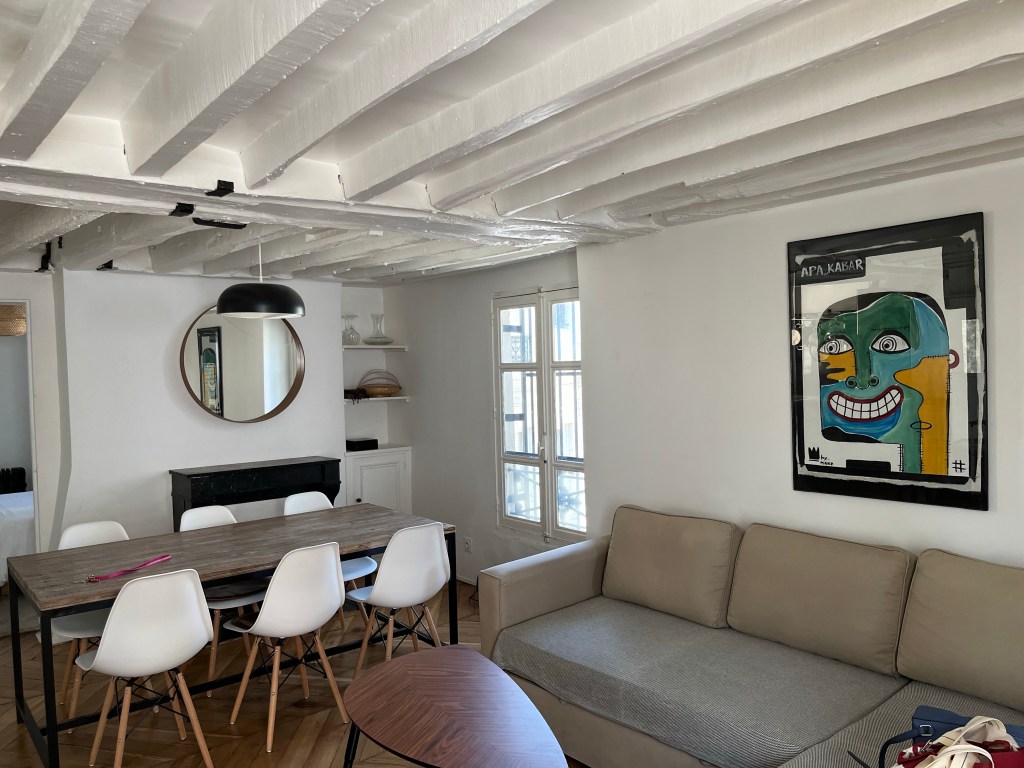
there must be a rule about not being allowed to be heartsick in paris, but i’m breaking it. three of us are here, in a fifth-floor aerie beside the luxembourg garden, where the buttery scents of the creperie below slither in through the wide-open windows. but one of us is very much not here.
amid the myriad rules the french seem to have drawn up but kept close to the vest (more on that in a minute…), there is the one that insists your passport is valid for 90 days after you leave the country. well, our very own law professor, not having memorized the fine print of french law, found out at check-in saturday night that his passport, valid until august 27, falls 11 days short of that bar. so: no “valid” passport, no boarding pass, no way to get in.
for five anguishing days, he and we and a superhero named mary (my long-adored once-upon-a-time babysitter-slash-make-believe sister who’s never even met the professor in person, but who made it her mission to move this immovable mountain) tried every last trick in the emergency-passport book: standing in line at 6 a.m. at the US Passport Agency in washington, d.c., where not an appointment was granted (and without an appointment, no chance at a passport); trying to get in the door at the french embassy, where the professor wasn’t even allowed to stand near the door and ordered to move across the street; even a wild-eyed last-ditch scheme to fly to calgary, canada, where a rare passport appointment slot was to be had (but mary’s 11th-hour call to her immigration lawyer—yes, she happens to have one—revealed that the emergency passport he might get there would still not get him into the country). so, hearts sunk and throbbing with hurt, we declared it a loss and canceled the last flight united airlines was offering. (they admitted that when we bought the tickets to paris way back in january, the agent we talked to might have been wise to mention the so-called schengen rule, and thus they had been willing to rebook his flight until wednesday, insisting he should have had time to fix le probleme.)
tears have been wept here in paree. and very good thing the gendarmes seem not to have noticed. there might be a rule and, mais oui, a penalty.
the whole point of this trip, from beginning to end, was a very rare chance—after three years of covid, after law school, after college, and emphatically after a surgery that knocked the breath right out of me—to bask in the light of simply being together. without distraction. without deadline.
for weeks now, while my lung and its new metal threads stitched themselves back together again, and i learned how to take a deep breath again, i pictured one simple scene, one that carried me across many a bump in my most recent road: i imagined looking up from my chair in a bistro, at the radiant glow of my beautiful boys circling the table—mid-laugh, mid-long-winded tale, mid the most simple treasure of being together.
not too many weeks ago i was weighing five-year survival rates, and when that becomes your math, each day’s import is quadrupled, quintupled, or more. so, yes, this city amazes and charms at every twist and turn in the ancient allees and at every wide-open vista along the grand boulevards. but part of me is very much missing, and if the doctors looked at my heart this very minute, they’d declare it a sick little ticker, missing a part of its most heavenly beat.
adding insult to injury in the annals of this unforgettable trip, sweet boy No. 2 was yesterday all but accosted by a phalanx of gendarmes who rushed onto our train car as we neared our station, home from versailles, asked to see our tickets, rattled off something menacing en francais, then pulled out a laminated card and something about “penalty 60 Euro.” we sat bewildered (and alarmed that the next thing we’d see was a dangling pair of silvery cuffs). and tried to insist we’d seen not a warning, nor quite understood. mais non! the crime for which he was fined: resting the edge of his shoe on the edge of the seat across from him.
the morals of this sorrowful tale: check your dang passport, check the intricacies of crossing any international border (see: Schengen Rule), and don’t rest your sole on the edge of the train seat.
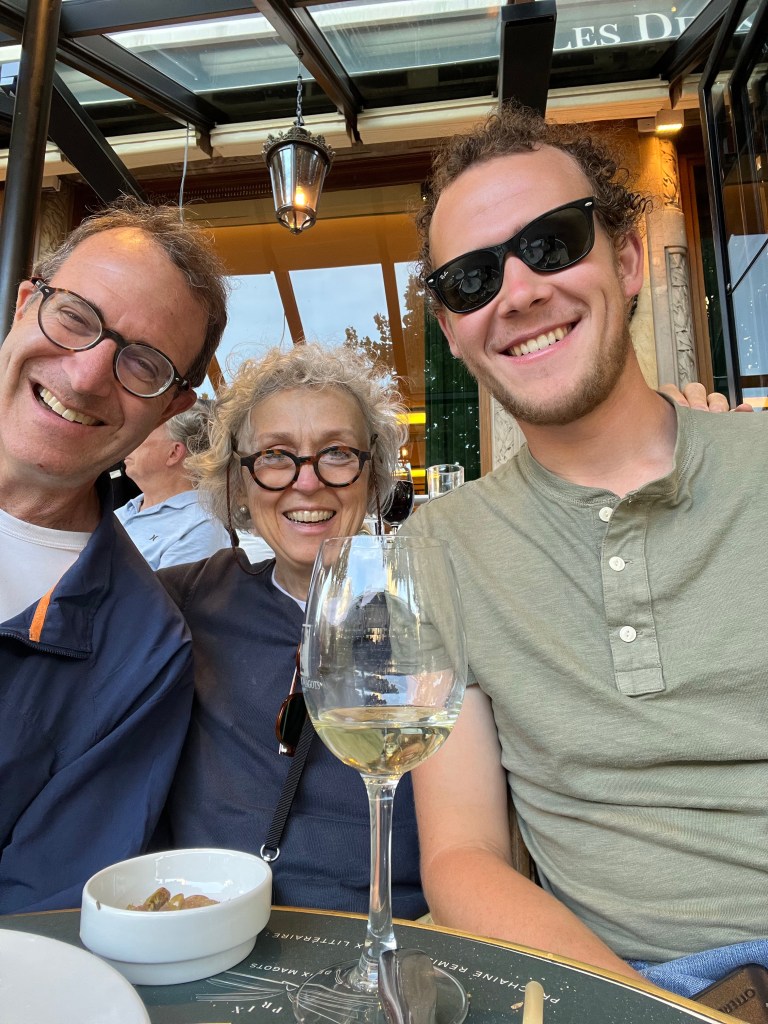
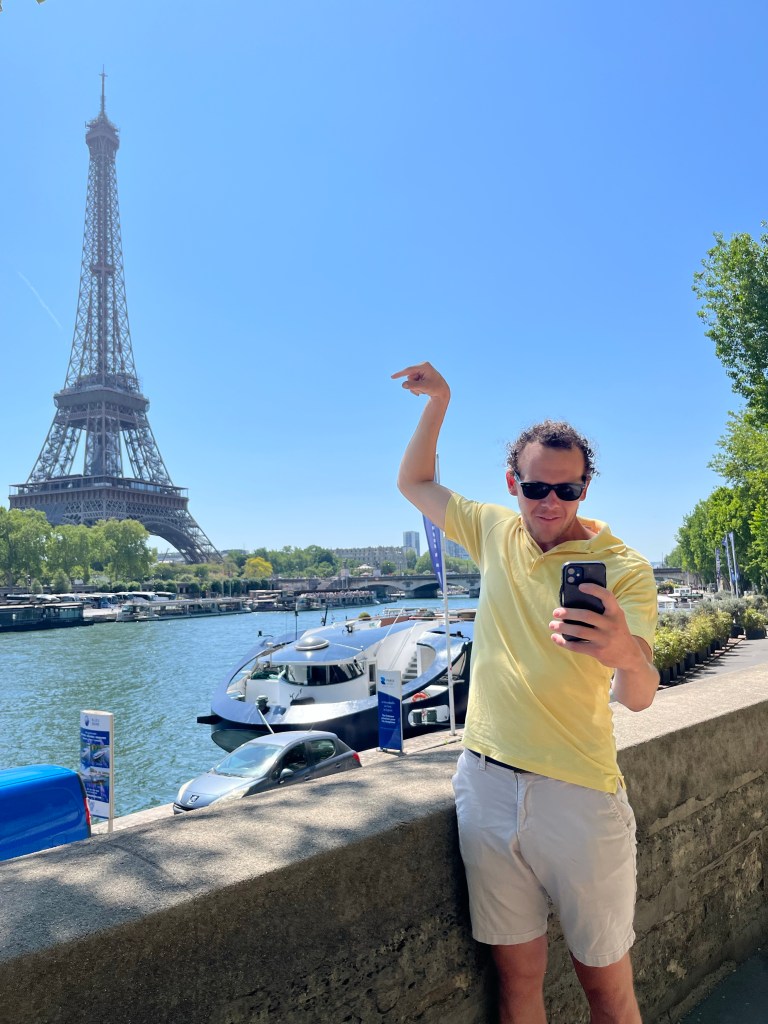
other than that, all is charmed in the city of so many bedazzling lights. (see photos below.)
and i’ll just have to wait till we’re back in the states to plop myself down with all three of my boys. no passport required.
of course you expected no dispatch so glum, certainly not from the home of the crepe and escargot, and i’m trying my darnedest to savor each hour. just telling the truth, as is always my promise.
what vacation mishaps do you have to tell?and how did you manage to make it all right? or at least glean a wisdom from out of the ashes?
the creperie down belowprettiest patisserie i’ve ever seen eiffel tower selfie trickour very own architecture critic discourses on the matter of the lori er and its pyramidal add-onour little aerie
the days of late have been plenty gray, sodden gray, gray the color of chimney ash.
the gray started seeping into me especially this week when someone i love lost her father who might have qualified as one of the dearest men on earth. he was 97 and as alive and filled with curiosity and charm as anyone whose tales i’ve ever known through the close transitive property of one shared soul. i’d never met him, though i longed to, but he came alive to me because his daughter, our very own amy of the chair, told the most animated love-drenched stories of him. his last name was neighbour, and i am pretty sure his amy must have grown up thinking the whole world was singing along with mister rogers when the sweatered one belted, “won’t you be my neighbour?” because who wouldn’t want to be hub neighbour’s neighbor??
the grayness, though, started to shatter when i looked up late yesterday afternoon and saw not one, not three, but six scarlet cardinals circling round my feeder, taking turns at the 0s where the seed dribbles down for the plucking.
that’s all it took to remind me to count my blessings.
so i begin with six: cardinals, all in a ring, chasing away the murky gloom of twilight, chasing away the murky shadow that’s been eclipsing a chunk of my soul. . .
more blessings:
the boy driving home from college on sunday. the dinner i’ll serve, a birthday feast for my very own mama who turned 92 this week, and who longs for birthdays to end, so she can “go home,” to the heaven she pines for. . .
the boy flying home on thanksgiving morn, when his hours among us are brief, too brief, but at least he’ll be here long enough for me to reach under the table and give his fingers a squeeze. and that hallowed night i’ll fall asleep to the sounds of two boys in two ‘cross-the-hall rooms rustling the sheets of their boyhoods, snug in their long-ago beds. . .
the faraway cousin who bathes me in books, this week’s batch a quartet on the birds and wild herbs and trees and critters of ireland, complete with marvelous lore and legend. (according to one celtic telling, the robin is the bird thought to bring comfort to the wounded and suffering. and here’s my favorite part: the plump little bird came to boast its red breast, according to the heavenly irish, when it pulled either a thorn from Jesus’s crown while he hung on the cross, or a nail from his hands or his feet, so Jesus’s blood spattered on the robin and thus it became red-breasted.) . . .
the husband who sits across from me at dinner each night, fielding my curiosities and never ever failing to say thank you for a dinner he always claims “delicious,” (even, i swear, when it’s not). and who, even after all these years, can set my heart soaring because of the way he captures a thought or a phrase, and whose unheralded kindnesses often only i witness. . .
these lines i read from rabbi jonathan sacks’ posthumously published, studies in spirituality: a weekly reading of the jewish bible (more on this some other friday), in a chapter on judaism as a religion of listening . . .
“If I were asked how to find God, I would say: Learn to listen. Listen to the song of the universe in the call of the birds, the rustle of trees, the crash and heave of the waves. Listen to the poetry of prayer, the music of the Psalms. Listen deeply to those you love and who love you. Listen to the words of God in the Torah and hear them speak to you. Listen to the debates of the sages through the centuries as they tried to hear the texts’ intimations and inflections.
“Don’t worry about how you or others look. The world of appearances is a false world of masks, disguises, and concealments. Listening is not easy. I confess I find it formidably hard. But listening alone bridges the abyss between soul and soul, self and other, I and the Divine.”
Rabbi Jonathan Sacks
the poet friend who’s found the courage to once again plunk herself at my so-called kitchen table writing school (virtually, this go-around), so we can try to chase away whatever demons spook her into thinking she can’t write when in fact she writes in a way that takes my breath away. . .
the friend who never fails to ping me when there’s a glorious moon rising or looming out my late-night window. . .
every single one of you who pulls up a chair. for all these years, known or unknown, you have graced me and blessed me. . .
that’s more blessings than i can count, and i am only just beginning.
what lines are you adding to your litany of gratitudes this year?
*photo by will kamin, from his AP art photo portfolio from his senior year of high school. now professor kamin, our very own assistant professor of law….
please keep our amy in your prayers. and the soul of her papa.






























 pull up a chair