in which we begin with news: ol’ babs signed a book contract yesterday; the book, it so happens, is already written (sorta unfurled swiftly, once i started to type), and already back from being edited (the contract was agreed upon back in may, but these things take time to get shuffled around the publisher’s desk.) and now i’m knee-deep in responding to edits, cranking the dial in an attempt to make it worthy of the paper on which it shall be printed, and the bookshelves on which it might take up real estate. more details shall come but what i can tell you now is that the working title is When Evening Comes: An Urgent Call to Love, and the epigraph pretty much points to the heart of the book:
“When the evening of this life comes,” says St. John of the Cross, “you will be judged on love.” The only question asked about the soul . . . “Have you loved well?” ––Evelyn Underhill, The House of the Soul
in a nutshell, it’s a collection of essays exploring the spiritual awakening and very real tremblings that come with cancer. a subject with which i’ve been living for the last two years. so, while i’m deep in the fine art of toiling over the words that will or won’t wind up in the book, i leave you today with the simple tomato, summer’s drippiest fruit, and my all-star contender for the juiciest mouthful of summer.
it’s summer and living is easy. and beginning to drip down our chins. at least in the tomato aisle, that is. because i am deep in the task laid out above, i am leaving you today with the simple tomato. and pablo neruda’s sumptuous ode…
my recipe is this:
pluck the reddest orb faintly tender to the touch.
slice, or halve into hemispheres, if you’re the poet neruda.
sprinkle with a dusting of sea salt.
add a grind or three of tellicherry peppercorns.
lean over sink.
employ your top teeth and your jaw.
clamp down.
dribble.
repeat.
and now for the ode, one of the many neruda wrote in the later chapters of his life. what’s more than charming—and so very wise—is that neruda, the chilean poet and nobel laureate, wrote odes to the simplest things, training a poet’s eye—and thus ours—on the wonders right before us. it’s a lifework worth emulating.
while poking around, i found a marvelous ode to the odester on the website of a chap named huck gutman, who happens to be not only a professor of english at the university of vermont, but the former chief of staff to bernie sanders. who knew?!?!
of pablo neruda, the great chilean poet, huckman writes that he is particularly fond of his late ‘odes’. he goes on:
the good poet pablo
“I love these poems in praise of his socks, his suit, lemons, and other everyday objects. They speak to me very powerfully about the wonderful world we inhabit. His aim, as I say in the long introduction to his poem, was to speak to those he lived with about the shared wonder of our world. He set out to speak not to intellectuals or ‘lovers of poetry,’ but to his neighbors in the small coastal town in northern Chile where he lived. The language of his odes is simple, the imagery rich but drawn from the experience all humans share. In a century when too frequently poetry seems divorced from the concerns and language of everyday life, Neruda embraced the commonplace and made it uncommon, though still shared.
“Neruda’s love of the richness of the world was hard-earned. He lived a full life, of sorrow and suffering as well as joy and love. He was acquainted with alienation and oppression, with persecution and exile; he also knew the glories of tomatoes.
“One of his close friends was Salvador Allende, the socialist who was elected President of Chile and then overthrown by Chile’s right-wing military (with, tragically, the collusion of the American CIA). Neruda, already ill with cancer, died shortly after Allende perished in the coup which ended both his presidency and Chilean democracy.”
Ode to Tomatoes by Pablo Neruda
The street filled with tomatoes, midday, summer, light is halved like a tomato, its juice runs through the streets. In December, unabated, the tomato invades the kitchen, it enters at lunchtime, takes its ease on countertops, among glasses, butter dishes, blue saltcellars. It sheds its own light, benign majesty. Unfortunately, we must murder it: the knife sinks into living flesh, red viscera, a cool sun, profound, inexhaustible, populates the salads of Chile, happily, it is wed to the clear onion, and to celebrate the union we pour oil, essential child of the olive, onto its halved hemispheres, pepper adds its fragrance, salt, its magnetism; it is the wedding of the day, parsley hoists its flag, potatoes bubble vigorously, the aroma of the roast knocks at the door, it’s time! come on! and, on the table, at the midpoint of summer, the tomato, star of earth, recurrent and fertile star, displays its convolutions, its canals, its remarkable amplitude and abundance, no pit, no husk, no leaves or thorns, the tomato offers its gift of fiery color and cool completeness.
which lines made you marvel? what’s making your mouth water these days?
tomato madness: slow-roasted cherries from the vine out back
all you need do is glance toward the sky, eyes skimming over the players on high. sunlight and cumulus. sunlight and cirrus. sunlight and nimbostratus. sunlight and cloud ever in play, in duet, in doh-si-doh of shadow and light.
there’s a truth being told there, a universal and organizing principle of all creation. on the first day, in the second verse, there was darkness, darkness hovering over the deep. in the third verse, light. God commanded it. and God saw that it was good.
in our lives, the leitmotif is a given. light will come. shadow will follow. light will come again.
so it was in my reading this week, when first i tumbled deeply into a luminous shaft, a boreen* of writings from a norwegian bishop and monk, erik varden, whose power as a writer was pointed out to me by a poetry friend whose taste i know to be exquisite and deep. i swiftly realized the bishop’s thinking and writing are everything they were billed to be: rare. exquisite. deep. radiant.
but then, hours later, shadow: i began reading a string of sentences posted from the account of one of my lifeline poets, someone you might call a patron saint of heartbreak and healing, of being more alive than you’ve ever imagined. i started to read, as if it were just another brilliant post: “Whenever I leave this world, whether it’s sixty years from now, I wouldn’t want anyone to say I lost some battle. I’ll be a winner that day.” and then i got to these words: “Andrea Gibson was a winner today. On July 14th, at 4:16AM, Andrea Gibson died…” and my legs stopped moving, and my breath was caught in midstream, and i read and read again. and then my fingers started to tremble, and my knees too.
andrea gibson
andrea gibson, 49, colorado poet laureate in 2023, queer activist (they/them/their pronouns), who had been diagnosed with stage 4 ovarian cancer in 2021, not long after they’d started a newsletter titled “Things That Don’t Suck,” had many, many times pried open my heart, pulled out the unspoken words and the fears and set them soaring. when i too found out what it is to live with cancer as one of the nouns in my story, i drew andrea into my innermost circle. the ones who know, without you uttering a word, just what you’re thinking, you’re feeling, you’re praying. the ones who some days save you. because even though the cyberworld is distant and intangible, it works in mysterious ways, and someone with whom you’ve never breathed the same air can become someone whose voice you can hear as you flutter to sleep, and whose courage you conjure as they glide you into the sarcophagus that is your biannual CT scan.
light. shadow. light from shadow. shadow deepening light. it’s the dance of the duet, interminably entwined. one is always more beautiful because of the other’s presence, because the duet is perpetual.
first, this week’s light:
that monk on a bicycle, spotted cycling through the garth just beyond the cloister, is all it took for me to want to whisper my vows, and cycle along.
as i’m quick to do, i signed up for bishop varden’s website, coram fratribus, a name derived from his episcopal (meaning “of the bishop”) motto, coram fratribus intellexi, latin for “understanding with my brothers.” because the bishop is shepherd of a flock spread across 22,000 square miles in the north of norway, extending beyond the polar circle, he sees his site as a way to speak to the diaspora, to think aloud of those things he finds beautiful or challenging, to gather his flock into a communion of thought. specifically, i felt my heart quicken as i burrowed into the bishop’s collections of writings under the tabs “life illumined,” and the shorter jottings under “notebook,” which he describes thusly:
“To scribble in the margins of texts is an ancient practice. There are people, these days, who make an academic career out of studying ancient marginalia. Any exercise of reading is fundamentally conversational. The notes collected here are brief responses to impressions received not just through books, but also through encounters, art, music, and films.”
now you see why i, a marginalian of long practice, swoon?
before i get to the paragraph in “life illumined” that drew me deep into thought, let us pause to note why we see that little outline of an owl, in the upper right corner, and hovering over every page of the site. the good bishop describes that choice thusly (emphasis mine from here on in):
“The emblem of the site is an owl. The owl does not just wing you back to the front page. It has for centuries been a symbol of the monk. Why? Because it watches in the night, when most people sleep; because it is able to see in the dark, discerning movements and patterns, foundations of meaning, where the human eye perceives only vaguely. I am fond of this Italian doggerel:
“Sopra una vecchia quercia c’era un vecchio gufo: più sapeva e più taceva, più taceva e più sapeva.
“In an old oak tree there sat an old owl: the more it knew, the silenter it was; the silenter it was, the more it knew.”
what fluttered into my mailbox the other morning was a page of the monk’s notebook on the nightingale, complete with an ancient poem (from the early middle ages, written by alcuin of york, an adviser to charlemagne) mourning the absence of the wild creature and its delicate throat. a recitation in english and latin, and including a recording of the nightingale’s song. that alone was more than beautiful enough. and then my poking and peeking accelerated, and that’s how, under the “life illumined” tab, i found a break-me-open paragraph on learning to pray.
in an essay focused on the simplicity of jesus’s prayer, and the universal cry of all believers, “lord, teach us to pray,” varden paints the scene of 72 disciples who learned not simply by listening to the words of jesus in prayer, but in witness to his consuming attention to the ways and will of God. varden expounds:
“Jesus’s teaching on prayer amounted to more than the provision of a text for recitation, that is clear. It was the sight of Jesus praying that made the disciples wish to learn prayer. The words of prayer, which touch our reason and orient our will, point towards the breaking-open of our heart, the transformation of our being as we dare to aspire, even in this life, to ‘become participants of the divine nature’.”
it is the breaking open of the heart, indeed, where the truest serum of our souls pours out. only in the last couple years have i understood that as profoundly as i do now. and, yes, that breaking so often comes with pain, or in pain, or through pain. but i’ve learned now how it truly is the propellent, the force that pushes us deeper into sacred truths than we might otherwise venture. without the breaking open, we might cling to the safer and shallower waters.
the bishop goes on. takes us beyond merely the breaking, and makes the point of its purpose. be it through prayer or through living, the breaking open is the vehicle for those who dare to aspire, in the here and now, to become participants of the divine nature. to inch as close as we can in this lifetime to something akin to sacred. i found a redemptive resonance in that line because at heart, even for the quiet ones among us, we are a people of communion, and there is a heartening, an emboldening, that comes in finding that your purpose, your aim, is not yours alone, but shared in common understanding with at least some of your sisters and brothers.
let us be broken open, then, if it points us toward our holiest purpose. through the break in the clouds, the light comes.
and onto the shadow, the eclipsing shadow…
less than one month shy of her fiftieth birthday, andrea gibson, the poet who boldly faced the coming of her death, who has been amplifying wonder, making us see the unseen, relish the oft-overlooked, took her last breath in the wee hours of monday morning.
i have been relishing her, here and in my everyday, for years now. curiously, her presence in my life spans almost precisely the arc of time in which i’ve been in the company of my own cancer.
the month before my lung surgery, when the world felt overwhelmingly like the depths of a cave, i wrote of andrea and lines i’d inscribed on my heart:
thanks to a friend i love with my whole heart, i stumbled on another wise soul with buckets of beauty to grace the world. a poet-activist-performer named andrea gibson, now a cancer survivor whose words might take your breath away. andrea identifies as queer, and uses the pronoun “they;” and they are known for their trademark honesty and bare-naked vulnerability, traits i find irresistible and blessed beyond words. here are just a few lines i couldn’t keep from scribbling down:
when it comes to hearts i want always to be size queen…
i love you because we both showed up to kindness tryouts with notes from the school nurse that said we were too hurt to participate….
when your heart is broken, you plant seeds in the cracks and pray for rain.
before i die, i want to be somebody’s favorite hiding place, the place they can put everything they know they need to survive, every secret, every solitude, every nervous prayer, and be absolutely certain i will keep it safe. i will keep it safe.
yesterday, thursday, this slipped into my mailbox from andrea’s wife, meg:
A couple years ago, Andrea said, “Whenever I leave this world, whether it’s sixty years from now, I wouldn’t want anyone to say I lost some battle. I’ll be a winner that day.”
Whatever beast of emotion bucks or whimpers through you right now, I hope you can hold that line beside it: Andrea didn’t lose anything. If you had been here in our home during the three days of their dying—if you’d seen dozens of friends drift in to help, to say goodbye, to say thank you, to kiss their perfect face, if you’d felt the love that floored every hospice nurse—you would have agreed. Andrea won.
I won’t sugarcoat the fact that they desperately wanted more time on this planet that they loved so much. This planet of squirrels and romance and basketball and moonlight.
But the time they had was significant, prismatic, and wild. It was full of trampolines and mountain ranges, stage lights and pants-peeing laughter. In their words, they “juiced the sun for every holy drop.” One of the last things they said before dying was, “I fucking loved my life.” Their conviction stunned the room.
If Andrea’s life was a poem (and it was), could there be a better last line?
a little backstory, again from meg:
In 2021, before the diagnosis, Andrea announced they were writing a newsletter, titled Things That Don’t Suck. A few weeks later, we learned they had ovarian cancer.
At first, Andrea said, “What a terrible time to be committed to writing about what doesn’t suck.” Then, almost immediately, they shifted their perspective and said, “What a perfect time.”
And so, this space was born. Part journal, part poetry, part pep talk, part treasure hunt. It became an archive of Andrea’s ability to find beauty in unlikely places, to wring gratitude from even the hardest hours. A museum of how they danced through their diagnosis, always turning their compass toward joy. It fostered a community they deeply loved.
And Andrea wanted all of it to continue.
meg tells us it will. there are reams and reams of unpublished writings, lines scribbled under the silvery light of the moon on those nights when sleep wouldn’t come. pages poured into volumes tucked away. a memoir, unfinished. half-written poems. a documentary coming this fall.
and meg promises this:
And there are stories of our life, and of the last months, that I, as their partner, and as a writer, feel both lucky to carry and uniquely able to tell.
As gut-wrenching, impossible, and tear-soaked as this moment is, I’m grateful beyond measure that they were so prolific. Through their books, their reels, their interviews, their albums, Andrea’s incredible mind will reverberate for a century—I’m sure of that.
and so, in the presence of the bishop monk, and the absence of the poet prophet, we shall go on. awake in the light and the shadow. and the shadow that deepens the light.
in case you’re curious, a bit more about dear bishop varden:
it was only after absorbing so much of his writing that i circled back to learn a bit of his origin story.
varden was born into a non-practicing lutheran family in a small village in the south of norway, and would go on to earn a doctorate in theology and religious studies at the university of cambridge, and further study in rome. a convert to catholicism at 19, he was drawn to the monastic life, and joined the mount saint bernard abbey, a cistertian monastery, in charnwood forest, in leicestershire, england. he was called to rome to be a professor of syriac language, monastic history, and Christian anthropology. and two years later, returned to the abbey when he was named its eleventh abbot. and, in 2019, pope francis named him bishop of trondheim, a nearly 22,000-square-mile prelature north of the polar circle in norway.
mount saint bernard abbey, varden’s home monastery, is where the only Trappist beer is brewed in all of England, under the name Tynt Meadow English Trappist Ale. beer to the trappists is no earthly distraction. the belgian trappists have a saying: “Beer should be liquid bread, not coloured water.”
and here’s a morsel, this one on the theology of beer, as spoken at the blessing of the monk’s brewery on st. george’s day, 2018. from Dom Erik’s address:
“One of the fascinating things about beer, is that this (potentially) sophisticated beverage is made of the simplest ingredients. By being refined to manifest their choicest qualities; by being brought together in a favourable environment; by mingling their properties and so revealing fresh potential; by being carefully stored and matured, the humble malt, hops, yeast, and water are spirit-filled and bring forth something new, something nurturing and good, that brings joy to those who share it. Considered in this perspective, the brewery provides us with a parable for our monastic life, with the Lord as virtuoso brewmaster. The Scriptures favour wine as an image of the Gospel – but that is culturally conditioned; beer, it seems to me, is a much neglected theological symbol.”
*boreen, you might recall from a few weeks ago, is the old irish word for what we might call a pothole, a rabbit’s hole, but in ireland, an island etched with cowpaths, it’s a word derived from a meandering side path when the cow decides to venture off on her own….if language is a cumulative patchwork, boreen is a word now in my lexicon….
you’ll find a veritable font of andrea’s spoken word poems, and writings at their website, andrea gibson.org. spend some good time there.
If the intensity of my curiosities in this world were put to trial, and I was pressed to answer what question stirs me most, it would be the realm of the God I reach for as my North Star. I ruminate on the presence of God, the proximity of what I know as tender ballast, and though the edge of my knowing falls into a liminal mist, I aim anyway to live by what seems to be the timeless code of a just and loving, most merciful God.
Poetry, a gossamer web of knowing and unknowing, seems to be the closest frame through which to ask those questions, to rummage in the dim light and the darkness. It’s the poetry that rubs up against what seems true, and then falls swiftly away, that for me lasts and lingers. More so than sacred Scripture, I find myself venturing closest to the heavens when I follow poets unafraid to ask the unanswerable. The poets, so often, are my priests, my conduits from this much-battered planet to the uncharted heavens. Palpably alive and paying attention to the tiniest shards among us—the broken clock, the fallen sparrow, the furrow of a brow—the poet then leaps beyond or into, catapulting us into the vast, where the questions linger and the answers merely hover. Epiphany sometimes strikes. And we go forth, fortified.
I am particularly taken by those poets unafraid of doubt. As, truth be told, we live in mystery. It is those willing to expose their wrestling, their quest to question, that I find most resonant. Most true.
And when one of those poets dies, a volume closes; the possibility of question falls silent. We no longer knot our life raft to her fearless oceangoing vessel.
The world of poetry, from Ocean Vuong to those on the masthead at The Paris Review, mourned the loss this week of Fanny Howe (1940–2025), who died on Wednesday at 84. Over recent months, Howe, the daughter of an Irish playwright and a Harvard legal historian whose family traced its roots to the Boston Brahmin Quincy family, had been in conversation with the poet and translator Chloe Garcia Roberts, as part of the review’s Art of Poetry series. In a prelude I found as delicious as some of the conversation itself, Roberts sets the stage thusly in a piece published just last month:
“Howe has a sparrowlike figure and a blue peregrine stare. We met for this interview every few weeks over the course of several months from fall to spring, as she was moving out of her garden-level apartment in Cambridge into an assisted living facility just down the road. I would arrive midmorning, bearing scones and coffee with extra sugar cubes wrapped in napkins, and we’d talk each time for an hour or so. Our conversations circled family, motherhood, failure, race, and faith. After we were done recording, we’d gossip about the poetry scene and the succession of Pope Francis.”
And from there begins the interview, from which I pluck just a few snippets, and some of the Review’s own words (emphasis mine):
“I’d always been looking for a revelation that would open the whole universe for me and make it all have sense,” began Howe, who described herself as a “pagan Catholic,” and who converted to the faith at forty-one, counting among her guides Simone Weil, Giorgio Agamben, and the monks of Glenstal Abbey** in County Limerick, Ireland, with whom she stayed every summer for twenty years and whom she later watched on TV every Sunday, her personal Mass.
Howe was the author of an astonishing body of work—including twenty-five books of poetry, twelve novels, two story collections, and also essays, pulp romances, and young adult fiction. Her poems often enact the shock of belief, taking their power not from their devotional qualities—in fact, Howe avoided words like devotion and prayer—but their combination of faith and doubt. “I would think of poetry as a place where you connect your doubts to the things you don’t doubt,” she said. “Free-floating doubt wouldn’t trigger the lightning that contradiction does.”
In one of the hours of interviews, Howe let on that she considered it her “job” to be antidote to cynicism. When Roberts asked her to say more, she elaborated:
fanny in 1972 with her son, maceo
If I could say I was assigned something at birth, it would be to keep the soul fresh and clean, and to not let anything bring it down. And that’s the spirit of childhood, usually. Once you know that that’s what you’re doing, even when you’re walking through a war field, you’re carrying something to keep it safe. It’s invisible but you know it’s there, and it’s a kind of vision and a weight.
(You can listen to Howe, warbly voice and all, speak those very words here.)
Is it not all of our jobs—or certainly the job of some of us—to labor to keep the soul fresh and clean, to strain to not let anything bring it down? It is our singular entity, the one form over which we and we alone can steer the vessel, make the choices, choose love not hate, choose silence not bitter words, it is ours to keep, to draw in all the light we can muster. Our bodies, I’ve learned, are not under our control. Pathogens come, and cancers too. We crumble under the weight of time and toil. Our skin wrinkles, breaks out in bumps. But not our soul. Our soul is eternal, is timeless. Our soul is what we make of it.
The work of my soul is abetted, most often, by those whose words I read, by those whose way of being I watch. It is, so often, in the smallest, quietest of kindnesses. The triumphs of spirit over the temptations to turn away, to forgo the sharp edge, the blunt force.
Ours is an ongoing work in progress.
In her role as perhaps a patron saint of doubt within the amalgam of faith, Howe staked her claim in her introduction to George Bernanos’s 1937 novel of the 14-year-old French peasant girl, Mouchette: “Like a healthy human heartbeat, which has an intrinsic irregular system, the body of an artwork gets its vitality from a rhythm based in uncertainty. (Sick hearts have a dull regular thump.)”
Among the many lauds that poured forth in the wake of her death, Kazim Ali, the poet and co-founder of the small indie press, Nightboat Books, wrote this of Howe, the first author Nightboat published:
It would be wrong to say she was a polar star or a beacon in the darkness, because Fanny believed in mystery, in unknowing, in bewilderment. She didn’t mean to shine a light, but rather to see in the darkness.
Fanny once told me, in our life-long conversation about God, literature, and the world, that she thought Gnosticism was evil. What she found so evil was the belief that the material world was inferior to, or somehow separate from, the spiritual one. This world was the world to Fanny. “Human was God’s secret name,” she said in one poem. “If this life isn’t enough, then an afterlife won’t be enough,” she said in another.
To live in this rich, infinite world was the most important thing to her. “One cathedral is equal to the sky,” she wrote. And to God, she begged, “no answers, please, to any of my questions.”
Her life and work were conjoined in a long, lucid series of questions. How lucky we all are to have heard her askings.
may her askings live on, and her memory be a blessing. rest in knowing, dear fanny.
other than life itself and living, how have you encountered wrestling with doubt? is it a plain that animates you, or is it a space from which you run? (as always these questions are meant to be considered in the solitude and sanctity of your own quiet womb.)
i nearly forgot! should you choose to dig in to a bit of fanny howe and her wrestling with faith, the two books you might seek (mine is coming from interlibrary loan) are Love and I: Poems (2019) and Gone (2003). in both she writes about her conversion to Catholicism, and her relationship to faith.
**because i’ve not found many a rabbit hole into which i’ve chosen not to burrow, my reading of howe led me to Glenstal Abbey, a place i now dream of tucking into for a fulsome contemplative spell. it’s a benedictine monastery in county limerick, ireland, housed in a 19th-century normanesque castle, surrounded by 500 acres of farmland, forests, lakes, and stream. you might just want to join me there…(and you can tune in any time for matins, lauds, vespers, compline, or daily Mass, in both recordings and livecam.)
and one more thing before i go. it seems bishop marian budde, she who gained fame (and infamy in some quarters) presiding over the prayer service at washington’s national cathedral following the inauguration, has now launched a substack, where she will gather her writings, and broaden the scope of her reach. she introduces herself with these words. . .
“On January 21, 2025, the day after President Trump’s inauguration as our 47th president, I chose to conclude my sermon at a Prayer Service for the Nation, held at the Washington National Cathedral, with a call for mercy:
“Let me make one final plea, Mr. President. Millions have put their trust in you and, as you told the nation yesterday, you have felt the providential hand of a loving God. In the name of our God, I ask you to have mercy upon the people in our country who are scared now.”
she stirred up good trouble with those words. and in her new space on substack, she lays out her mission—”to live as best we can according to the highest aspirations of humankind revealed to us in Jesus” (also in Gandhi, in Buddha, in Brahma, in Allah, in Yahweh)—with this litany:
to recognize the inherent, God-given dignity of every human being
to love our neighbors as ourselves, and even to love our enemies
to share what we have and to strive for an equitable and just society
to refrain from evil and refuse to hate
to be mindful of the power of our words, and to speak without malice or contempt
to forgive, as we have been forgiven
to live in hope
to be willing to sacrifice, even our very lives, for the sake of love.
she concludes with these words:
“In this space, I hope to encourage a kind of human discourse in which we don’t have to see the world the same way, but we can all agree that we all belong in this world.
“In a culture of contempt, may we speak with dignity.
“In a world of mean-spiritedness, may we act with kindness and love.”
annagh river at kildimo south, my ancestral land, as it flows toward the sea at spanish point
i don’t want to wash it off. instead, i am in that necessary liminal state of in-betweens, when a newfound knowing needs time and space and silence to seep in. when we’re wise to open wide our pores, to fill our lungs, to allow our synapses to affix to new neural pathways. to come to indelible understanding.
if that seems an odd way to describe an adventure, so be it. my days in ireland were so much more than a “trip,” a “vacation,” a “getaway”—banal descriptors for folderol and whimsy, with suitcase attached. instead, my days in dublin, cork, and county clare were something of a journey in its deepest form: a coming to know someone, some place, i’ve always known but not yet fully met. and that someone, in fact, was me. a deep-down part of me long stirring, long felt, but not yet seen in fine focus. as if untold parts of me longed to know from whence they came. and not just my affinity for cloudy days and wit and poetry. and why i feel the hand of God so profoundly in the morning’s mist, and the moonbeams’ amber glow.
or maybe it was propelled by a yearning never sated, a yearning my whole life long to know the people from whom i sprang. the grandmother whose stories have stirred me from the start. the father who spoke so little of his past, and whose answers to my questions died when he breathed his last in 1981.
maybe my search was a daughter’s reaching for the hem of her father’s cloak. to run my fingers along its nubby threads, to stitch in quilt squares where the cloth had worn too thin. maybe there is something of longed-for re-union in my diligent tracings of ancestral ties and tales. maybe my father is who i try still to reach.
and then there’s the radiant present, the crucible of time that amplifies the here and now, the intense knowing that each and every hour is a gift, and before it ends, i intend to magnify the time, to expand the boundaries of my heart, to leave tracings on the ones i love so that my imprint might not fade so quickly. so that some part of me forever lingers in the one place where it matters: their blessed hearts.
i remember, in the darkest turns of these past two years, and especially at the turning of my latest birthday, how deep the wish i made, when i closed my eyes and drew a deep, deep breath, one that filled my lung and a half. i wished with all my might for precious time with my boys, time huddled close, time punctuated with the percolations of laughter without end. time punctuated with the sort of silence that is sodden even its wordlessness, because you know each other so well, so adoringly, you’ve room for time inside the vault of your own thoughts.
my wishes, every one of them, came tumbling true in the trek we took these past eight days, returning to the homeland of my soul, my spirit, my way of being.
in that uncanny way we can reach across time, reach into a past that was not ours, i’ve long felt that tugging cord to my grandma anna mae, the kentucky schoolteacher whose papa, thadius shannon, hailed from the granite house at annagh bridge, in county clare, on the wedge of land squeezed between the confluence of the annagh and the kildimo rivers as they flow into the sea at spanish point.
annagh riverancestral home, the annagh bridge house built 1726, at kildimo south
to press my sole onto that soil, to walk the land and listen to the rush of water playing over rocks, to do so with my boys at my side, and my God shining down and through me, was to feel bathed and baptized in life as sweet as it allows.
it’s too soon, really, to step back and make sense of all of it, so at this just-home stage i’ve little but a mosaic of moments i’ll not forget, and which i’m scrambling to scribble onto the page in hopes of holding on for a good long while. among the litany i’m pressing to my heart, re-looping through the sleepless jet-lagged night, there are these:
awaking on a rain-sodden morning when the country lane was still puddled, and the branches dripping diamond-like droplets of morning drink, and stepping into the soundscape of magpie and rook and lowing cows and calves. the whir of the milking machines beginning to rumble before the roar.
arms that reached out to wrap me in the minute i knocked on the door and introduced myself as a long-lost cousin, no questions asked. the rounds of drink at the pub that night where we gathered to tell tales above the lilt of harp and fiddle. and the hilarity of the cousin who moaned, “oh jezus!” when i asked if they might have a prosecco. and when i leapt into the self-mockery right along with her, she continued on, “you’re in a pub in a wee town, jezus, what are ya thinkin’?” or words nearly to that effect.
harp and fiddle in the “snug” at friel’s pub in milltown malbayshannon cousins huddled at friel’s pub and fueled by pint
driving down country lanes that turned like corkscrews (in fact one set of directions included the name “corkscrew hill,” and i feared dear blair’s heart might skip a beat or two, if not pause altogether), and threaded through ancient arbors where branches on each side of the road reached out to join hands.
the plates of food that arrived with herbs from the sea and tendrils of sweet pea, the butter from cows who sleep in the fields, under stars and moon each night and chew the sweet grasses by day, the fish you imagine leapt from streams just beyond the kitchen where little more than heat was put to flesh.
the hilarity and wit. of just about everyone. from the taxi drivers in dublin to the tattoed and multi-pierced fellow clearing away your luncheon plates.
the charms of signs like: “matchmaking goat farm.” do they matchmake goats or give you a choice? a mate or a goat, your pick. (photo to come!)
the english food market in cork, a veritable labyrinth of fresh-from-the-earth-and-sea delicious. a butter chicken pie in a crust so flaky the only apt desciption, according to what i witnessed in the expressions of my boys, might be (excuse my language) “orgasmically delicous.”
a whole museum that heralds words, and language, poetry and wit, the Museum of Literature Ireland, where Copy Number One of Ulysses basks under glass, and whole rooms are filled with epigraph upon epigraph, one of those rare places on the globe where human language and its infinite configurations are held up as priceless treasure.
the straight-from-a-storybook propietor of the Dublin pharmacy, Sweny, where on page 88 of Ulysses, in the chapter “Lotus Eaters,” Leopold Bloom buys his lemon soap. the drippingly elegant gent who, upon barely-whispered request, broke into Gaelic song while sipping from his vat of burgundy wine on the eve of Bloomsday.
i’ll turn it over here to a bit of Joyce and his telling of Sweny’s:
“The chemist turned back page after page. Sandy shrivelled smell he seems to have. Shrunken skull. And old. Quest for the philosopher’s stone. The alchemists. Drugs age you after mental excitement. Lethargy then. Why? Reaction. A lifetime in a night. Gradually changes your character. Living all the day among herbs, ointments, disinfectants. All his alabaster lilypots. Mortar and pestle.”
seán of seán’s bookshop
the bookseller Séan in Milltown Malbay, the town from which my people hail, whose shelves near collapsed under the weight of thousands upon thousands of tomes, with that telltale musty smell of words embalmed in ancient ink, and dusts of time a welcome attribute.
the countless times we heard the sympathies for us pitiable americans who at the moment seem to find ourselves under the rule of the “feckin ijeet.” eye rolls every time only served to emphasize the point. one cousin told us they keep keen eye on news from america as if it’s real-time soap opera leaping from the daily news.
the infinitely comforting knowing that 45 years after my first and only other trek to the land of forty shades of green, it’s truly not too changed. sure, there are homes built bigger and sturdier than i’d seen before, but ancient thatched roofs are not a rarity, stone walls still scythe the hillsides, a geometric grid that bespeaks hard labor never shirked and an undying reliance on the old ways, and town centres present row after row of storefronts in kaleidoscopic colors, no pink too pink, no purple or orange too vivid. as one new friend, a poet and old irish professor, told us: in a land so gray, a language rife with wit, and a townscape of vivid palate is but necessity.
my friend Tadhg Ó Dúshláine, poet, writer, professor of Irish
and i shall let my poet and professor friend tadhg close us out here with these words sent to me upon our arrival home….
It’s just after 8.00 a.m. here in West Kerry, as I look out at the sun rising over the top of Mount Brandon, the holy mountain of the Navigator, across the bay of Smerwick Harbour (google Battle of Smerwick). The ebb and flow of the sea and the steadfast reassurance of the mountain reminds us that the flux, change, coming and going, restlessness, which is part of the human condition, is reflected in the sea; just as our eternal destiny is represented by the mountain, to which we lift up our eyes, in the awesome wonder of faith and hope. At times like this I embrace Isaiah’s vision: ‘… and they shall beat their swords into ploughshares’, le cúnamh Dé.
Bíodh lá maith agat agus fan slán.
Tadhg.
may you too take the necessary journeys of your heart and soul.
while away, i got notice from my little library that a book i’d requested was waiting on the “hold shelf,” and before i got back in the door, i began to read. it is so fine a read, i am leaving it here on the table should you be poking around for a summer wonder. a new read: raising hare: a memoir, by chloe dalton, described as “a moving and fascinating meditation on freedom, trust, loss, and our relationship with the natural world, explored through the story of one woman’s unlikely friendship with a wild hare.”
and whilst in the little town of milltown malbay (pop. 921), from where my people hail, we stumbled into Seán’s Bookshop, an emporium of well-read books all but falling off the shelves, and curated by a bookseller with twinkle in his eye, and tales to tell till midnight sundown. there, i plucked a tome from a poet i’ve read too sparsely till now. the book, rapture, by carol ann duffy, winner of the 2005 t.s. eliot prize, is aptly described (per the irish times): “brilliant, beautiful, and heart-aching.” here’s but one of its beauties:
p.s. happy blessed birthday this sunday to my most beloved firstborn, and law professor, will. soon to be teaching within a morning’s drive away, at the university of notre dame law school, another dream come true, prayer answered, and holy wonder for all time.
sweet will with one of ireland’s top barristers, brendan grehan, who shared his silks and wig for the occasion.
what journeys home have called to you, those taken or not yet taken?
and may the full sunlight of the solstice warm you and bring radiance to your soul….
i promised some iteration of a summer reading club, as in the days of yore when a little card at the public library was slipped in an envelope and marked with an empty grid, and for every book i slipped off the shelf, carried home to devour, the lovely librarian rewarded me with an ink-stamped icon of summer. an ice cream, a fish, a globe of the world. a deep-sea diver. each, a trophy for tucking myself away in the summer’s quiet, blocking out even the buzz of the vexatious mosquito, and turning page after page—finding myself in the big woods, the little house on the prairie, mary’s secret garden, or robert louis stevenson’s pages and pages of rhyme.
to garner an ink-stamp for adventuring away, for riding the winds of farflung imagination, was over-abundance defined. the reading, the being carried away, the learning to trust the deep powers of my mind’s true colors, that was the abundance. the gift. the one i’ll never surrender.
ever since those bicycling-to-the-library summery days, for me the span between the last and the first school bells of the year has long been synonymous with hours unspooled within the wingspan of a book.
the world we live in today doesn’t always require wingspans. sometimes what beckons us is flat on a screen and glows space-age eerie against the darkness. sometimes the words that stir me most in a week are words i’m able to copy and paste, words plucked from the cyberletters that waft my way.
and in those cases, this summer reading club might become more of a book report club, in which i bring to the table the one single snippet that most caught my breath in the week. this week it’s one single poem. a poem from one of my true lifelines—andrea gibson, the queer activist and poet with an ovarian cancer deemed incurable two years ago. she reminds that though the soul is my true work in progress, the thing i pray is alive into the forever, in whatever form that will be, the vessel into which it’s been stuffed is mighty miraculous too.
i’ve never quite given my physical being enough credit. i’ve not paused to marvel at many parts of it, save for the five digits extending from each palm, gobsmacked at however that ingenious appendage was wholly imagined, evolved. that we can pick up a slip of paper, or a rose petal fallen to the ground, that we can hold the hand of the one we love, or the stranger whom we know is afraid, is trembling, is nothing short of divine genius.
the priest who along with a rabbi amid our tiny city garden was blessing our newborn firstborn once gave a teaching focusing our attention on the genius of the elbow, a hinge without which we’d ever be at arm’s length, unable to bring a fork to our own mouths, or button our buttons, or zipper our zippers.
it’s ironic that for as desperately as i want my old resilient heart to keep lub-dubbing, and my little air sacs to keep being my wee vital accordions, expanding and whooshing the air in and out, as much as i think of those majordomos, i forget the rest of the bodily wonders: the way eyes crinkle when they’re in the thick of a heart-melting smile; the way the tears know just how and when to fall; that stubby little toe that in fact keeps us from toppling. . .
andrea gibson
andrea, though, as do all the best poets, makes us pause to pay attention. holy attention. to the quirks and the nooks and the crannies, the history told through flesh, bones, and sinew. and all the overlooked bits: the loose tooth of long ago, the goosebumps over the years, the boing in our hair we once tried to hide. andrea makes us take note of how holy, how blessed, these chipped, wrinkled, creaky old soul vessels truly are. the infinite ways our multiple parts—incidental and otherwise—have carried us through the years.
to do so, she puts the soul into the driver’s seat and allows it to look back, longingly, lovingly. and along the way, directs our attention. . .
here’s andrea:
For the Days I Stop Wanting a Body
Imagine when a human dies the soul misses the body Actually grieves the loss of its hands And all they could hold Misses the throat closing shy Reading out loud on the first day of school
Imagine the soul misses the stubbed toe The loose tooth The funny bone The soul still asks “Why does the funny bone do that? It’s just weird.”
Imagine the soul misses the thirsty garden cheeks Watered by grief Misses how the body could sleep through a dream What else can sleep through a dream What else can laugh What else can wrinkle the smile’s autograph Imagine the soul misses each falling eyelash Waiting to be wished Misses the wrist screaming away the blade The soul misses the lisp The stutter The limp The soul misses the holy bruise Blue from that army of blood rushing to the wound’s side When a human dies The soul searches the universe for something blushing Something shaking in the cold Something that scars Sweeps the universe for patience worn thin The last nerve fighting for its life The voice box aching to be heard
The soul misses the way the body would hold another body And not be two bodies but one pleading God doubled in grace The soul misses how the mind told the body “You have fallen from grace.” And the body said, “Erase every scripture that doesn’t have a pulse There isn’t a single page in the Bible that can wince That can clumsy That can freckle That can hunger.”
Imagine the soul misses hunger Emptiness Rage The fist that was never taught to curl, curls The teeth that were never taught to clench, clench The body that was never taught to make love, makes love Like a hungry ghost digging its way out of the grave The soul misses the un-forever of old age The skin that no longer fits The soul misses every single day the body was sick The now it forced The here it built from the fever Fever is how the body prays How it burns and begs for another average day
The soul misses the legs creaking up the stairs Misses the fear that climbed up the vocal chords To curse the wheelchair The soul misses what the body could not let go What else could hold on that tightly to everything What else could hear the chain of a swing set and fall to its knees What else could touch a screen door and taste lemonade What else could come back from a war and not come back But still try to live Still try to lullaby
When a human dies the soul moves through the universe Trying to describe how a body trembles when it’s lost Softens when it’s safe How a wound would heal given nothing but time
Do you understand Nothing in space can imagine it No comet No nebula No ray of light can fathom the landscape of awe The heat of shame The fingertips pulling the first grey hair And throwing it away “I can’t imagine it.” The stars say “Tell us again about goosebumps. Tell us again about pain.” —Andrea Gibson
what might your soul miss about your beautiful body?
and before i shuffle off, happy blessed day to two true loves of this ol’ chair: amy from illinois, as she was first made known to me, and nan P, who’s been the beating heart of the tenderest, bravest moments for years beyond years. one of you passes the birthday baton to the next, and a pairing as sweet it’s hard to imagine. love to you both, and bless these beautiful days in which we dwell on the light you bring to this world.
in a very few days,my sweet boys and i fly to the island of my dreams, the land from which i feel my ancestors calling so deeply. i’ll be in dublin when i next write. see you from there. i’ve been teaching myself irish for months, and will be meeting up with a professor of irish poetry, who mostly writes in what we’d call “old irish,” so i need to keep practicing, thus: beannachtí. (blessings.)
(these summerly trips with the boys the past few years all fall under the category “live your dreams while you can.” bless the little legs and the lungs that will carry me there…..i hope to fill those wee air sacs with the holiest breath the coast of ireland offers…)
etched on a map, you might not notice; its tucked-away nature is but the flint of its charm: a treasure in almost plain sight. i might have zipped by a thousand times. it only took once for curiosity’s lure to draw me into its fold. and now it won’t let me go.
i’m coming to think of it as my footpath to the wellspring where the sacred stirs me, a nowhere-else-like-it sanctuary under the arbors, carved into the banks of a slow-flowing channel, a serpentine zig and a zag, through patches of woodland and birdsong.
as far back as i can remember, the woods behold wonder to me. my biography would be laced with a trail through woodlands and ponds and gurgling creeks. the never-ending acres of lily of the valley where my papa once drove me as a wee girl of three. the woods across from the house where i grew up, a copse that came to life in my imagination, one day a pioneer’s outpost, the next day a place to pretend i’m laura ingalls wilder in the big woods.
trailheads beckon. the barely-noticed aperture into the brush, where suddenly suburbia is leagues and leagues away. maybe it’s my imaginative overdrive, or my storybook tendencies. but give me a path, and a parting of trees leaning this way and that, and my feet cannot but go forward.
so it was on mother’s day morn when at last i found myself at the trailhead i’d vaguely noticed in the making. trees had been felled, and buckthorn burned by the wheelbarrow full. logs were yanked from where they’d fallen, and laid in a line, woodchips carpeted the paths in between. a woodland trail that meanders along and through a woods both ancient and newly imagined.
enchanted at first footfall, the only way to describe it. the ups and the downs, the dappling of light, and the peek-a-boo shadow. i walked with my eyes and my mouth wide open. over and over i marveled.
it’s a woods best described as delicate, at least in the moment—a petit point of vernal ephemerals stitched into the hillsides. springtime at its tenderest, springtime in may when it’s no longer tenuous.
it’s a place that suddenly holds inexplicable pull on me. enough to lurch me out of my wintry posture, curled over a book or an alphabet keyboard, snug in the nook by the wall-to-wall windows. it’s a place that lured the prayer right out of me. a place to dwell in my quietest stillness.
it’s my axis mundi, you see.
my friend chelsea steinauer-scudder, a breathtaking writer and author of the new book, mother, creature, kin: what we learn from nature’s mothers in a time of unraveling(broadleaf), explains: “i’ve heard countless stories of what i’ve come to think of as axis mundi experiences: encounters that have pulled someone into a deep experience of felt belonging upon the tiny bit of Earth that they find themselves upon.
“…within the study of religion, an axis mundi is a sacred pole, literal or figurative, which is fixed in a particular place, connecting Earth to the realms of heaven, underworld, and divine. “
these holy places might be a mountain (the Mauna Kea on Hawaii’s Big Island, known by the Indigenous peoples to be the umbilical cord, “the place from which the world emerged”), a cosmic tree (Norse mythology), the Ka’aba in Mecca (which pilgrims encircle seven times, as within it is the stone believed to have been handed to Adam as he was banished from Eden, so his sins would thus be forgiven).
or, in my case, an undulating woodland path along what in fact is a sanitation canal, though i pretend for the life of me that it’s an idyllic stream or a creek. one that just happens to shimmer an odd shade of aqua, a phosphoresence that might signal toxins astir.
my friend chelsea goes on to write that “we are a species in need of centers,” and within us there is encoded “an inherent capacity for place-based awe.”
those are the places with gravitational pull. a pull from the deepest well. the sacred well.
or, as chelsea distinguishes between the capital-A Axes Mundi (the most sacred of places so recognized by cultures or religions), and the small-a axes mundi (the ones you and i might call our own), the ones i know best are the quotidian, intimate ones, defined as “small, daily irruptions of majesty, those any-place encounters with the sacred.”
no surprise then that i can’t stay away. it’s an itch that can’t be scratched till i double-knot my sneakers, and try to remember sunscreen (i never do).
and it’s walking through a poem, quite literally. the soundscape a montage of birdsong and trill, punctuated with quarter notes and a screech that scares off the feeble.
these are the verses i walked among on just one of my mornings traipsing along the trail: common yellowthroat; red-bellied woodpecker; swainson’s thrush; red-winged blackbird; northern cardinal; blue jay; goldfinch; baltimore oriole; rose-breasted grosbeak; gray catbird; and a hairy woodpecker to boot. it’s as if the crayola crayon box was suddenly feathered in flight.
and in the flora department, a whole other poem: bloodroot, bluebells, celandine poppy, and columbine. lily of the valley, trout lily, spring beauty, wood anemone, and blue cohosh. jack-in-the-pulpit, shooting star, mayapples, and dutchman’s breeches.
all these names, which whirl in me thanks to the Original Mother Nature who schooled me, got me to wondering who in the world gave the names to the winged flocks and the leafy ones too. the stories behind names are their own wonders. the ones from folklore and legend are the ones that charm me most: jack-in-the-pulpit is said, of course, to resemble a preacher spreading the Good Word; the trout lilies’ mottled leaves resemble the markings of the freshwater fish; and dutchman’s breeches clearly resemble the pantaloons of one who’d also wear wooden shoes.
those, though, are merely the preamble curiosities, the ones that loosen my soul, open me up to the prayer that burbles up whilst sauntering deeper and deeper, per God’s gravitational pull, unwilling to pause till i get there. to the place where i go to feel as saturated with the sacred as i do of the sun when at last i plop onto the stump of a log, and consecrate the most blessed moment of being.
where is your axis mundi?
wislawa szymborska
and before we part, a poem worth pondering, from the late, great polish poet and nobel prize-winner, wislawa szymborska
Life While-You-Wait
Life While-You-Wait. Performance without rehearsal. Body without alterations. Head without premeditation.
I know nothing of the role I play. I only know it’s mine. I can’t exchange it.
I have to guess on the spot just what this play’s all about. |Ill-prepared for the privilege of living, I can barely keep up with the pace that the action demands. I improvise, although I loathe improvisation. I trip at every step over my own ignorance. I can’t conceal my hayseed manners. My instincts are for happy histrionics. Stage fright makes excuses for me, which humiliate me more. Extenuating circumstances strike me as cruel.
Words and impulses you can’t take back, stars you’ll never get counted, your character like a raincoat you button on the run? the pitiful results of all this unexpectedness.
If only I could just rehearse one Wednesday in advance, or repeat a single Thursday that has passed! But here comes Friday with a script I haven’t seen. Is it fair, I ask (my voice a little hoarse, since I couldn’t even clear my throat offstage).
You’d be wrong to think that it’s just a slapdash quiz taken in makeshift accommodations. Oh no. I’m standing on the set and I see how strong it is. The props are surprisingly precise. The machine rotating the stage has been around even longer. The farthest galaxies have been turned on. Oh no, there’s no question, this must be the premiere. And whatever I do will become forever what I’ve done. ~ Wislawa Szymborska ~
(Poems New and Collected 1957-1997, trans. S. Baranczak and C. Cavanagh)
i was, for reasons that escape me, something of a reluctant suitress this year. the season’s slow-building seductions did little to seduce. i turned a blind eye. gave the cold shoulder.
harumph.
spring wasn’t an easy sell this time round. it came on thin, and unconvincingly. it taunted, played catch-me-if-you-can. and i couldn’t. couldn’t catch it.
i worried it might wholesale evade me this year. where was the catch in the throat, in the heart, in the soul, that usually caught me? had i been numbed, beaten down by the thrum of the world? was the malaise of the moment eclipsing the vernal exuberance?
but then, this week, it opened the spigot, came on rushingly, came on like a buttery rivulet poured on a mound of mash. i couldn’t resist.
i fell hard. have found myself dizzily staring out windows. even more dizzily tracing the garden’s edge. staring. marveling. asking again and again how it does it. how it knows. how, year after year, for all the inhales and exhales of the millennia of this holy Earth, does it find the oomph to give forth again and again and again?
if there’s wisdom in this year’s slow coming—and we know there is, for the earth is the vessel of wisdom without end—it must be one of patience. of giving it time. no need to go anxious when the oomph isn’t there. “live the questions,” taught rilke, in the one phrase we’re most apt to remember. but it came at the end of a wisdom more fulsome in the whole:
“Be patient toward all that is unsolved in your heart and try to love the questions themselves, like locked rooms and like books that are now written in a very foreign tongue. Do not now seek the answers, which cannot be given you because you would not be able to live them. And the point is, to live everything. Live the questions now. Perhaps you will then gradually, without noticing it, live along some distant day into the answer.”
so much of life swirls in the liminal time of not knowing, of waiting, of dwelling in the not-yet.
so this spring was for me. i knew what the calendar said. i knew how the sun had crossed its equinox, how light and shadow had fallen in equal measure and we were now slithering toward light and more light.
but the light out my window didn’t convince me. nor the nubs of green pushing up from their winter’s retreat. maybe it was the noise of the world blocking the sense that something lush and luscious might really be coming.
and then the abundance came. the climbing hydrangea emphatically leafed and greened, all but tapping at my kitchen window, come rub your nose in us. the viburnum buds about to burst with their pyrotechnic perfumery. the nodding heads of bluebell and snowflake. the aubade of the cardinal. the rampant rufflings of feather as sparrow mounts sparrow in the delirious dance of procreation.
and when the wind blows, which it has quite often this year, magnolia petals take flight, filling the air with what appear to be wings. a fluttering of perfumed birds playing on the breeze.
fibonacci spiral
it might have been the question mark of a woodland fern unfurling that first stopped me on a path this week. a flock of inquiry rising from the garden, in all the shadowed places. it’s the mystery of the universal spiral that catches me by the throat, the fibonacci spiral a leitmotif of all creation. born of the mysterious fibonacci sequence of 1, 1, 2, 3, 5, 8, 13, 21—wherein each number is the sum of the preceding two, beginning with 0—the spiral is the geometry laid upon that very grid. a geometric pattern constructed by connecting the corners of squares whose side lengths are consecutive fibonacci numbers, the spiral (sometimes known as the golden spiral) pervades the cosmos, from the spiral in a sunflower, to the question mark arising from my garden, to the scales of a pine cone, to the swirls of the chambered nautilus.
chou Romanesco, or Romanesco cauliflower
i sometimes imagine God so delighting in the whorl that the divine enthusiasms couldn’t be tamped, and thus its profligate presence wherever we look: into the vast galaxies above or the dappled woodlands below.
i often sense the spiral is but a trace of the soul’s very geometry, the innermost chamber tightly held at the apex. but what i don’t know is whether we spend our lives unfurling, from the nucleus of the sacred from which we divide and multiply in the womb, or whether ours is a journey inward, inching closer and closer into the fertile and eminently holy nub.
is it furl or unfurl? twining in or unspooling beyond?
such are the questions that arise from the earth’s thawing, such are the questions put before me, whirling within me, as the season begs only one thing: come close, bend low, watch what arises. from the earth, yes, but more so your soul.
a poem plucked from the book of garden wisdoms….
this is the recipe of life said my mother as she held me in her arms as i wept think of those flowers you plant in the garden each year they will teach you that people too must wilt fall root rise in order to bloom –The Sun and Her Flowers by Rupi Kaur
what stopped you in your tracks this week?
a few summers ago, in one of the wonders of my life, my beloved friend kat the priest handed me a ticket to a summer course at yale divinity school, a course i came to call my “poetry school.” my firstborn (now the law professor) was at law school there at the time, and for the summer had shuffled off to DC, meaning there was an empty apartment where i could play house–or college–for the week. so every morning i shuffled down the lanes of new haven and settled in for a day of poetries with a professor who happens to be named david mahan–yes, exactly like my last name, only without the “y”. when he wasn’t brilliantly teaching poetry, he was running a glorious something called the Rivendell Institute, which “seeks to examine and advance the contribution of a Christian vision of life to human flourishing and the common good within the academy and contemporary culture.” within the institute there is another something called the Rivendell Center for Theology and the Arts (RCTA), and their mission is “curating conversations between a variety of interlocutors.” long story short, this week, in their spring issue of Among Winter Cranes, RCTA published an excerpt from my Book of Nature, and since publishers love eyeballs, here’s the link to the essay, On Paying a Particular Attention.
when i need to talk to God, and i do plenty often these days, there is one certain place i know God will be waiting. i know it because i feel it. and feeling God is much more than knowing. at least to me it is.
the place where God all but reaches down and swoops me into God’s arms is at the shoreline, where the vault of blue heaven is vast, is infinite, where the water’s edge might take on any one of uncountable modes: it might be uncannily calm, so calm the ripple is but a purling, a burbling so barely perceptible it’s as if the lake is tickling the sand; or it might be roiling and cacophonous, so deafening you can barely hear the words rising from your own throat.
i could stand there all day, my toes planted in sand, my head tilted back, eyes wide. heart thrust forward and up, up.
i’ve been walking there each day with my beloved. our footfalls in the sand the only sign we’ve been by. sometimes, if i go alone, i curl small as a hedgehog and settle into the grasses that rise from the hillocks of sand. i stay till the last of my prayers are unfolded, laid at the lap of the One Who Is Listening.
it’s as holy a place as i know.
to feel God reach down and hold you, to know that the vastness above is deep and wide and forever enough to absorb each and every whisper and plea, to know that the deepest cries of your heart might be heard, to feel the soothing that comes as if your trembling shoulders are now wrapped in angora skeins, that is to me the very essence of a God who’s bigger and deeper, more infintely tender and close, than anything or anyone i could ever, ever imagine. or behold.
some days i need a God of extra-big volume and size. a God big enough to hold me, to press against me so firmly that all of my worries, like wrinkles, are melted away. those are the days i look to the heavenly dome. where mine is a God who knows me inside and out. sometimes my insides are so very scrambled and messy.
it’s the closest i’ve come to that magnificent image of saint john of the cross, the one who rested his head against jesus’ chest at the very last supper, who let it be known that he was listening for the heartbeat of God. an indelible image that’s become a life-giving instructive (a particularly celtic one) for us all: to listen wherever we go for the unending pulsebeat and presence of God.
sometimes, inside the rooms of a house your worries can clang around noisily, too noisily. they can crowd out all of the air, and make you want to climb out of your skin. that’s where the heavens come in, where the shortest reach between me and my God is the indigo dome of the night at the beach, or the undulations of blues and grays in mid-afternoon. dawn at the water’s edge is a whole other slide show, one played out in the fieriest streaks of the rosy-red color wheel.
and those are the days i all but run to the shoreline, to the water’s edge, where the alchemy of sand, sea, and sky are stirred into a medicinal balm, a sacred balm, like no other. and the God to whom i run always, always is there for me.
here’s a little extra beauty from the late poet anne sexton, whose story is drenched in struggle and sorrow, but who reached for the light coming in through the cracks. i tell a little bit of her story down below, but first, the poem:
Welcome Morning
There is joy in all: in the hair I brush each morning, in the Cannon towel, newly washed, that I rub my body with each morning, in the chapel of eggs I cook each morning, in the outcry from the kettle that heats my coffee each morning, in the spoon and the chair that cry “hello there, Anne” each morning, in the godhead of the table that I set my silver, plate, cup upon each morning.
All this is God, right here in my pea-green house each morning and I mean, though often forget, to give thanks, to faint down by the kitchen table in a prayer of rejoicing as the holy birds at the kitchen window peck into their marriage of seeds.
So while I think of it, let me paint a thank-you on my palm for this God, this laughter of the morning, lest it go unspoken.
The Joy that isn’t shared, I’ve heard, dies young.
Anne Sexton
anne sexton
sexton, a 20th-century american poet, was considered one of the Confessional poets, along with maxine kumin, sylvia plath, and robert lowell. after the birth of her first daughter, she suffered from post-partum depression, had her first so-called nervous breakdown, and was admitted to a psych hospital. she suffered depression the rest of her life, a life that ended in suicide when she was 45.
although her poetry was criticized by some as “soap opera-ish,” others praised it for the ways it expressed “the paradoxes deeply rooted in human behavior and motivation. her poetry presents multiplicity and simplicity, duality and unity, the sacred and the profane.”
one of sexton’s earliest champions, erica jong, reviewing her 1974 The Death Notebooks, argued for sexton’s poetic significance, claiming her artistry was seriously overlooked: “she is an important poet not only because of her courage in dealing with previously forbidden subjects, but because she can make the language sing. of what does [her] artistry consist? not just of her skill in writing traditional poems … but by artistry, i mean something more subtle than the ability to write formal poems. i mean the artist’s sense of where her inspiration lies …there are many poets of great talent who never take that talent anywhere … they write poems which any number of people might have written. when anne sexton is at the top of her form, she writes a poem which no one else could have written.”
where are the places in your world where your prayers feel especially heard? where a holy comfort might enwrap you? and you just might feel held?and, thinking of sexton’s poem, if you were to write a litany of morning joys, what would be among your joys?
prayers for this country as we cross over the threshold of this next election. prayers for peace, prayers for truth, prayers for grace….
i am sitting here in a shaft of golden light spilling across the worn planks of this old maple table. i am looking out at a world ablaze in iterations of gold. as if the world out my window is a benjamin-moore paint strip, all in the key of saffron.
i sighed a deep sigh when i tiptoed down the stairs this morning, and filled my lungs with the glorious knowing that this day held no appointments. no doctors. no dentists. no needs to stand or sit in front of a crowd and talk about the words i’d poured onto a page.
this day is a big blank slate. a slate to fill with the simple wonders of being alive. and i intend not to waste it, not a drop of it. and urgently so.
it’s the unintended gift of holding on for dear life to the life that you love with every cell of your being.
it’s a day i might otherwise not have noticed quite so keenly. but i see more vividly now. the blessing of holding on dearly to life is that you see each new dawn for the miracle that it is.
it might have been just another weekday. but suddenly, perceptibly, it is the answer to my deepest prayer, a day to simply be alive and breathing it in. every pore of it. the earthy rummesence of autumn leaves crisping and crinkling and falling in heaps to the ground. the last gasp of the garden, exploding in singular vibrancies that beg to be remembered all through the winter. the air, a mix of chill with undertones of heat as if the earth’s autumnal respirations draw forth the last breaths from summer’s stockpiled embers.
to knowingly not waste a day is to live at fullest attention. while we can. while we’re upright and ambulant.
sometimes we realize we shan’t take it for granted.
sometimes we need a reminder.
i am reminded.
i am living inside a body that reminds me to savor it, to inhale it. to all but rub it over my skin, to let it soak in through each wide-open pore.
we all have days when our hours are clogged with the usual distractions. we forget the marvel of a friday reliably following a thursday. we look to the calendar as if it’s the sovereign of how we spend our time. we are chained and unchained. we’re obliged to to-do’s, and we forget that all the in-betweens might just be the hours we’re most deeply alive. we might, at any moment, put down the chores, surrender the assignments. we might seize the day in whatever outline or equation rises from the blur.
we might call a friend whose voice we’ve not heard in too long. we might find a log in the woods, plop ourselves down, and keep watch––close watch. we might fill a bowl with the indulgences of autumn, the leaves and the seeds and the roots, all meant for seasonal sustenance.
we might light a candle. sit in a shaft of sunlight, watching the dust motes ride the air. we might roll up our sleeves, or get down on our knees, and plant a few bulbs for the joy of it––for the allure and the promise and perpetual hope of the springtime to come.
more and more, one of the first prophets i turn to for wisdom is the incomparable maria popova, she of marginalian wonders. in a cataloging of eighteen wisdoms she’s extracted from her eighteen years of gathering wisdoms (she must have started her brain pickings––now re-named the marginalian––a mere two months before the first chair was pulled up, for we too are about to mark 18 years of chairing), she included this bit of wonder and wisdom that says it as beautifully as it might be said:
Choose joy. Choose it like a child chooses the shoe to put on the right foot, the crayon to paint a sky. Choose it at first consciously, effortfully, pressing against the weight of a world heavy with reasons for sorrow, restless with need for action. Feel the sorrow, take the action, but keep pressing the weight of joy against it all, until it becomes mindless, automated, like gravity pulling the stream down its course; until it becomes an inner law of nature. If Viktor Frankl can exclaim “yes to life, in spite of everything!” — and what an everything he lived through — then so can any one of us amid the rubble of our plans, so trifling by comparison. Joy is not a function of a life free of friction and frustration, but a function of focus — an inner elevation by the fulcrum of choice. So often, it is a matter of attending to what Hermann Hesse called, as the world was about to come unworlded by its first global war, “the little joys”; so often, those are the slender threads of which we weave the lifeline that saves us.
and she includes these lines from poet and former zen monk jane hirshfield’s “the weighing”:
So few grains of happiness measured against all the dark and still the scales balance.
and if all that isn’t enough joy stoking for the day, here’s one other wonder and wonder-soul i learned of this week at a book talk where to my delight and pure joy i was pointed toward good souls i fully intend to get to know more deeply and intimately. (i never cease to be amazed at the goodness lurking in utterly unexpected nooks and crannies of this world.)
here is a woman—one with a PhD in human anatomy and cell biology, no less—who happens to live in a house with a four-acre flower garden who coaxes beauty from the earth for the sole purpose of giving it all away, filling the flower fridges at hospices and homeless shelters, and the larders at food pantries near and far. she calls it the backyard flower lab. and it sounds like a holy slice of sustenance to me. i intend to point my old wagon in the direction of her flower farm before the sun sets on this day, and i will see where the adventure takes me. her name is april potterfield (which sounds to be a perfect plucked-from-the-storybook name for someone who grows beauty for joy), and you can find her on instagram at @thebackyardflowerlab.
what prompts you to find joy and seize the slender threads of which we weave our lifelines? and what are some of your favorite ways of doing so?
the cobalt beauty perched on the windowsill above is an autumn vibrancy from my garden, the closing note of a summer’s-long love song. i call it monkshood, but it has other names: aconite, wolfsbane, leopard’s bane, devil’s helmet, or blue rocket.the name aconitum comes from the greek word ἀκόνιτον, which may derive from the greek akon for dart or javelin, the tips of which were poisoned with the substance, or from akonae, because of the rocky ground on which the plant was thought to grow.
deep thanks to maria popova who week after week for years now has filled me with wonder, with curiosities, and most of all with the breathtaking beauty of her intellect and imagination…
these are days of awe, all right. the earth and heavens––at least here on the northern half of the globe—are turning in, the shadows growing longer. yet the last gasps of summer’s bounty do not fade without an exuberance of autumn. the sky somehow seems more star-stitched. and the moon, the moon at its most zaftig of the month bathes all in amber wash.
it’s as if all is ringing out in exclamation. one tree more golden than the next. berries so abundant on the bough, the boughs are bent in botanic downward dog.
i can almost hear the whisper of the woods, and even my ramshackle garden, calling out, don’t forget us, don’t forget how glorious we were and are, the delights and wonders we’ve offered since the symphony of spring began: the perfumes, the unfolding petals, the sweetness of the fruits, the earthly prayer of wind rustling through the leaves.
it’s a paean in minor key––part elegy, but mostly gratitude and grace.
to partake of it is holy.
the other night i stepped into the chill of just-past dusk, ferrying a crumb-strewn pizza box to the recycling bin, and before two footfalls had crossed the bricks, the haunting whoot-whoo-whoo of a great horned owl called out from somewhere in the trees.
john james audubon: great horned owl
owls might be my spirit bird. i learned reverence for owls from my grandma lucille, who wore one in a jeweled brooch she pinned to her bosom, and tucked in many a nook and cranny of her ivy-covered house. far back as i can remember, the front of her ice box was forever festooned with strigiform, a magnet onto which she’d glued an owlish silhouette cut from felted wool and adorned with alphabet-letter pastas as its eyes and ears and markings. not one for idling, my grandma once or twice was spied by little me with ear pressed hard to windowpane, rapt by the nightcall from the woods.
i too stand rapt.
of all the notes that rise from avian throats, the owl’s are the ones that stir me deep down where the prayers rise up. at the first of the whoot-whoo-whoo the other night, i felt myself break out in goosebumps. then i lifted my eyes, drank in the light of that nearly full hunter’s moon, and prayed. mightily.
i sometimes think that trips to the recycling bin are my surest daily invitation into prayer. into the cloak of night. against the silence of a day gone hush. the tabernacle in which i offer up my nightly office is one that stations me on the cracked concrete slabs of my alley. trash cans line the side aisle. and the nave is vast. is infinite. in between where trees and old garages block the view, the sky opens wide and deep. here where i live, sky is a bit of a commodity. sunsets aren’t free for the viewing, blocked by those mainstays of suburbia: house and tree and fence. but the night sky, the obsidian up above, is blocked by no one or nothing and it is enveloping enough to soak up my every verse of prayer.
and so i stood there flinging madly. add-on after add-on. a madwoman hungrily hanging her prayers out to dry. as if a clothesline of prayer i string across the alley, flinging each one skyward as i inch my way down the line.
it’s a sacred thing to stand beneath a wheel of yellow moon, with a whoot-whoo-whoo as chorister, and to pour out your insides to the heavens.
i pray the heavens heard.
here’s a bit of what else stirred me this week . . .
vassar miller was an american poet and writer, who served as poet laureate of texas in 1982 and 1988. born with cerebral palsy, her father encouraged her from a young age to write by typewriter, which she did prodigiously. and powerfully. she once said that the purpose of her life was “to write. and to serve God.” it brings me great joy to bring her here to this holy table.
Morning Person
God, best at making in the morning, tossed stars and planets, singing and dancing, rolled Saturn’s rings spinning and humming, twirled the earth so hard it coughed and spat the moon up, brilliant bubble floating around it for good, stretched holy hands till birds in nervous sparks flew forth from them and beasts — lizards, big and little, apes, lions, elephants, dogs and cats cavorting, tumbling over themselves, dizzy with joy when God made us in the morning too, both man and woman, leaving Adam no time for sleep so nimbly was Eve bouncing out of his side till as night came everything and everybody, growing tired, declined, sat down in one soft descended Hallelujah.

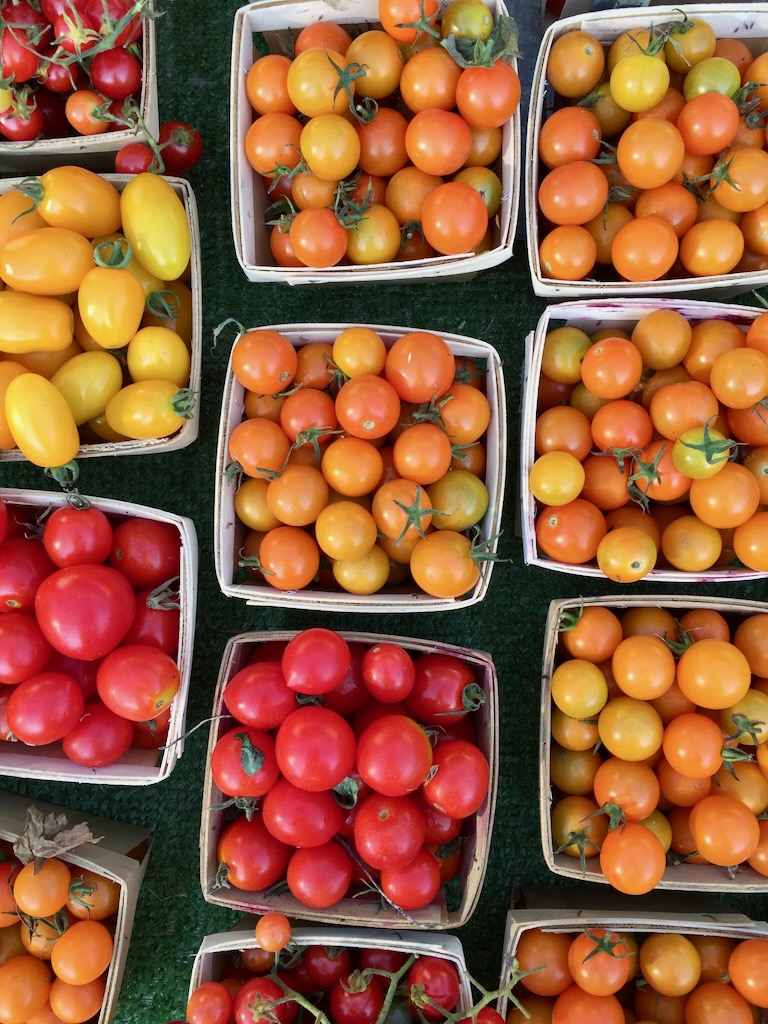


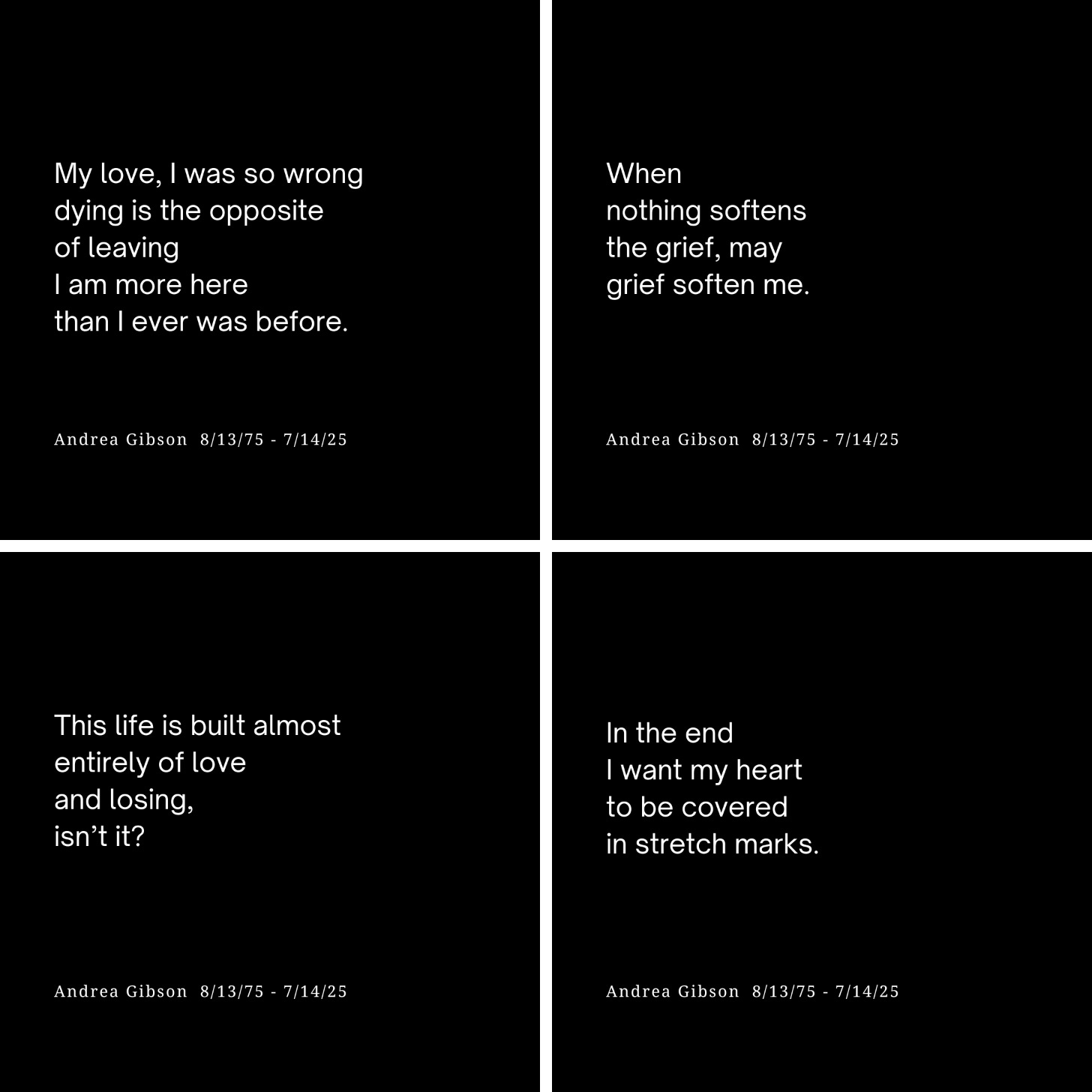
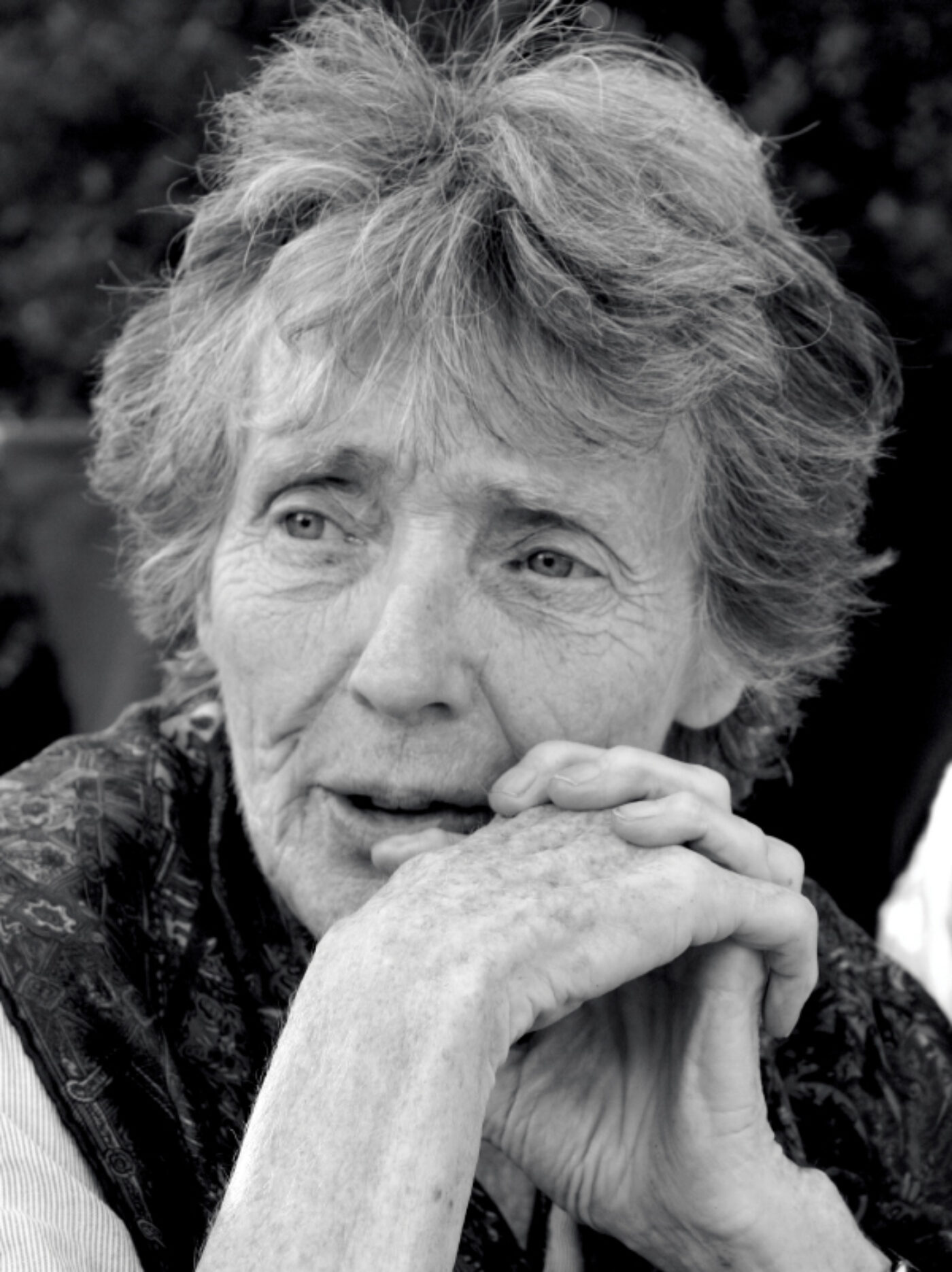

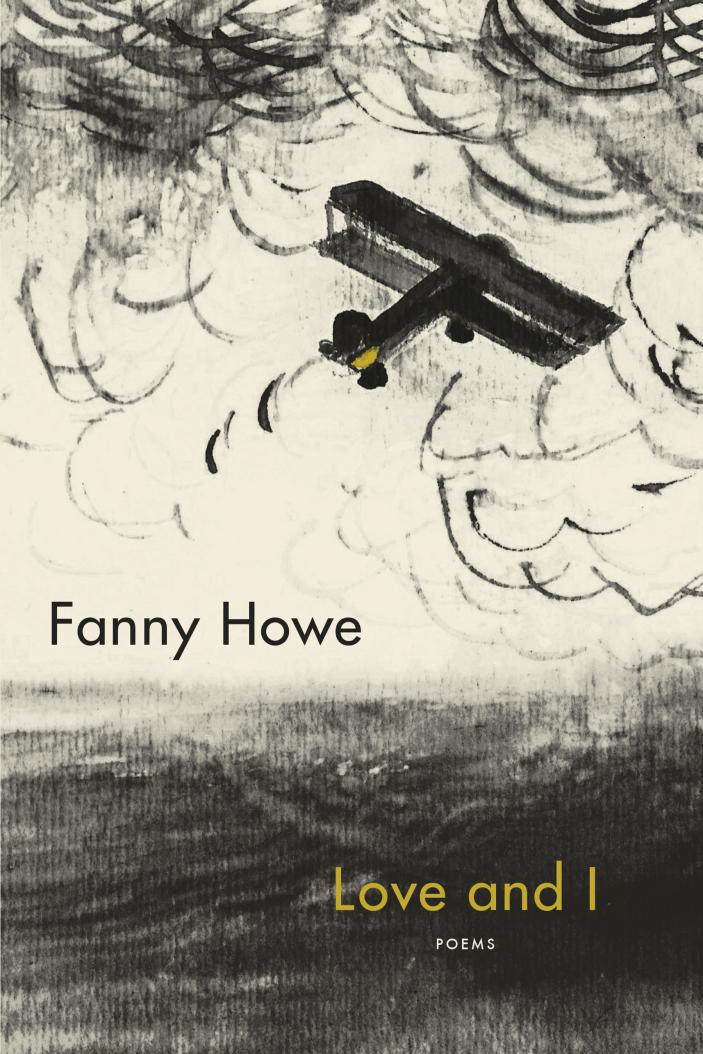

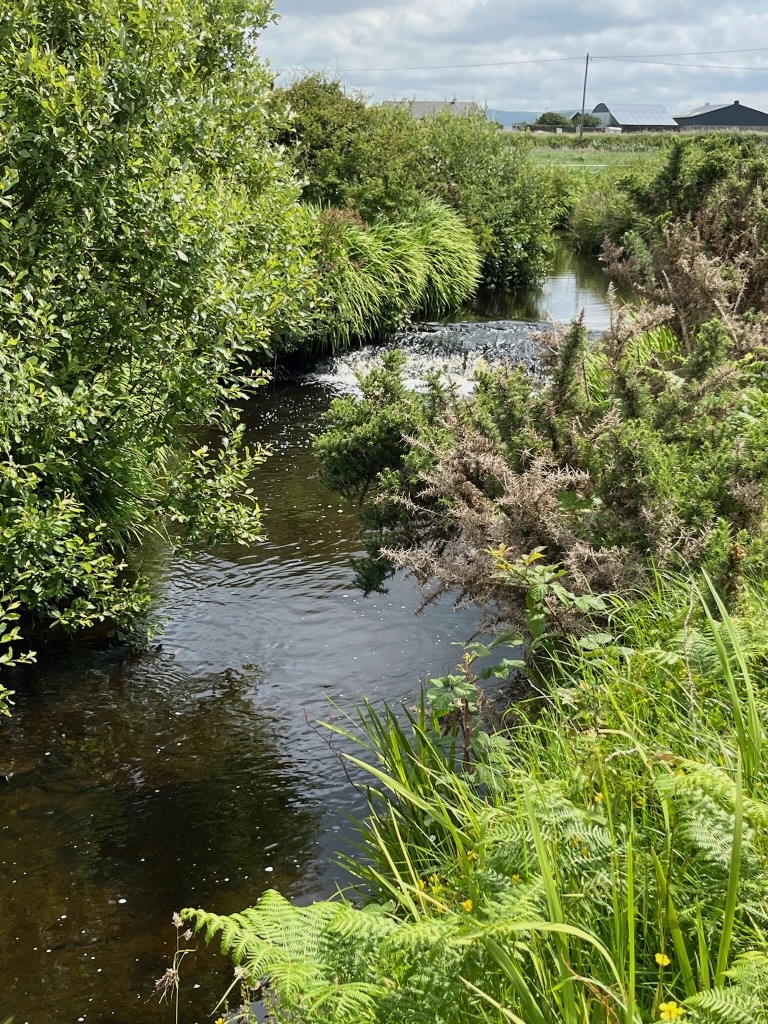

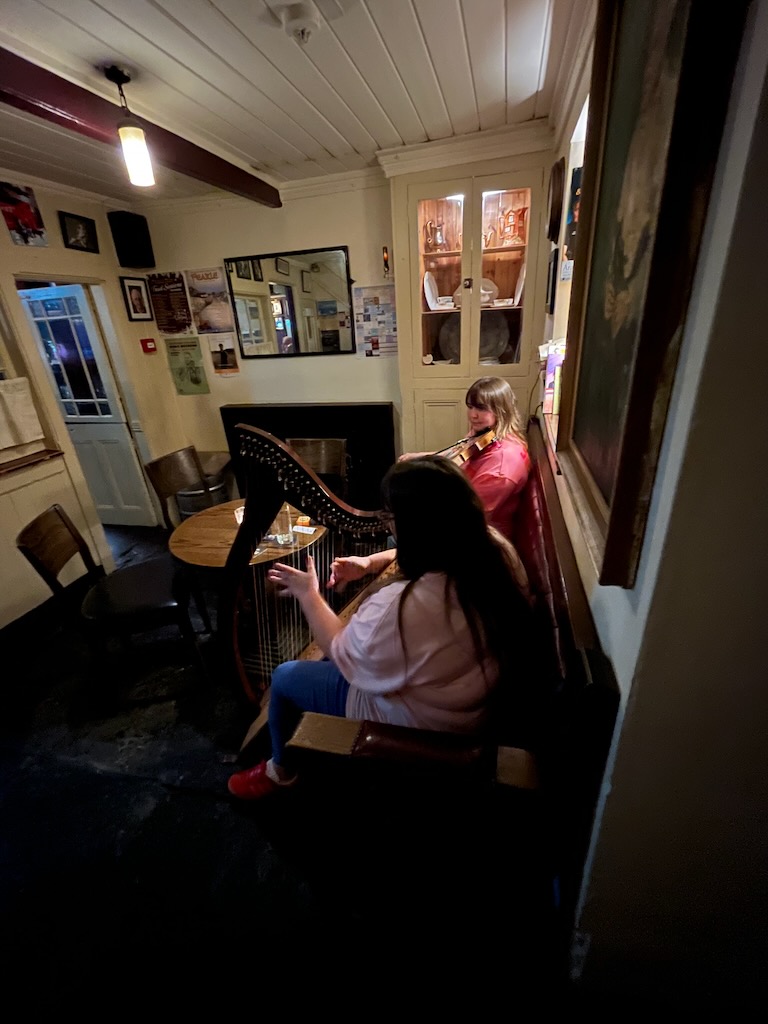


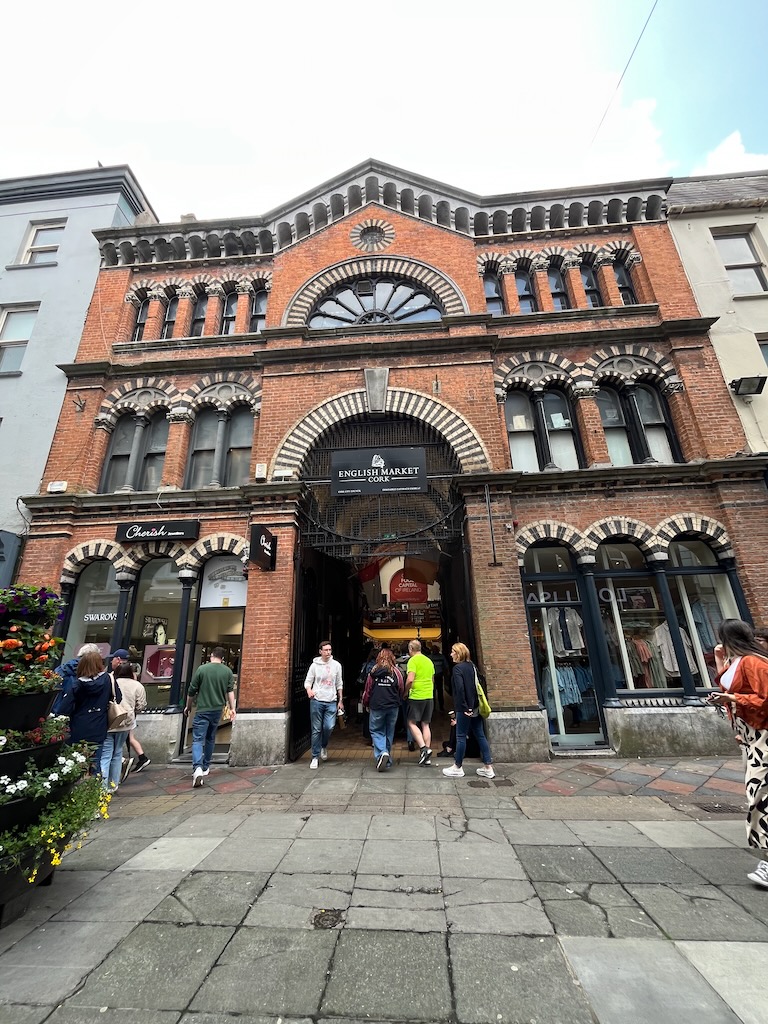


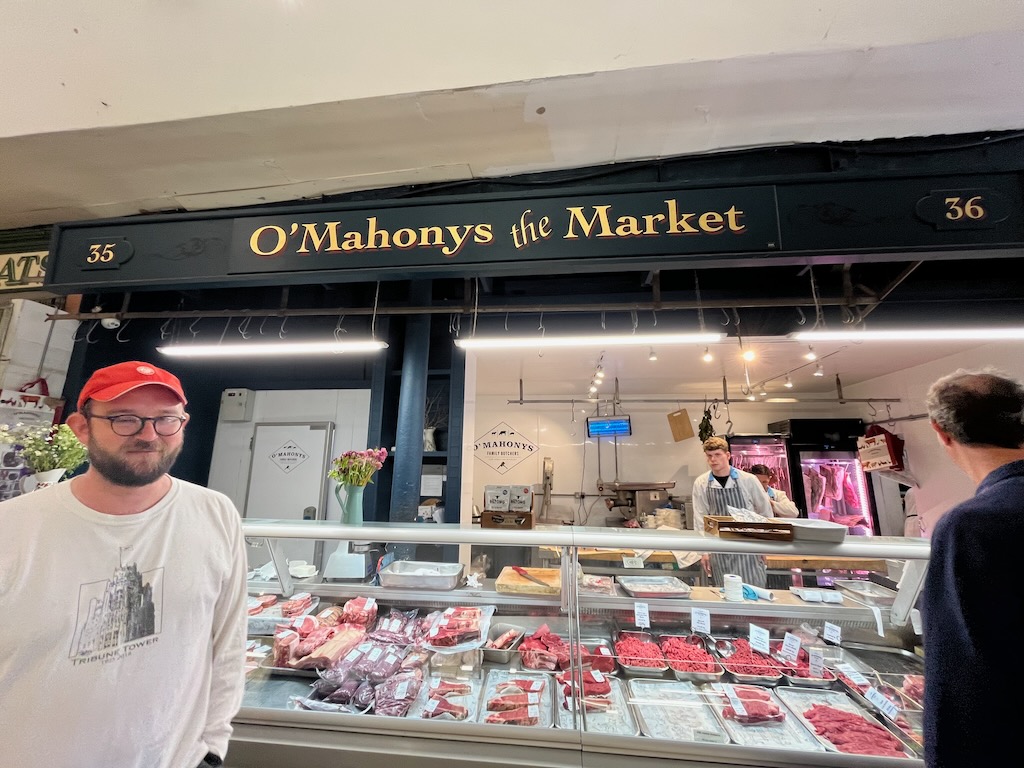
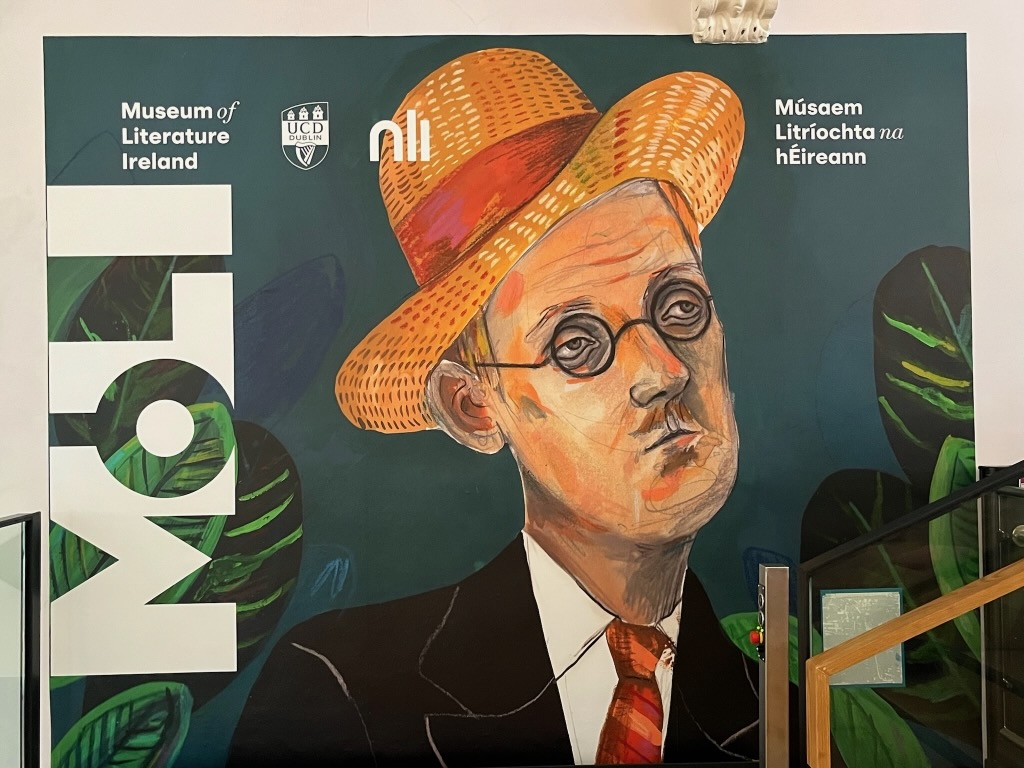

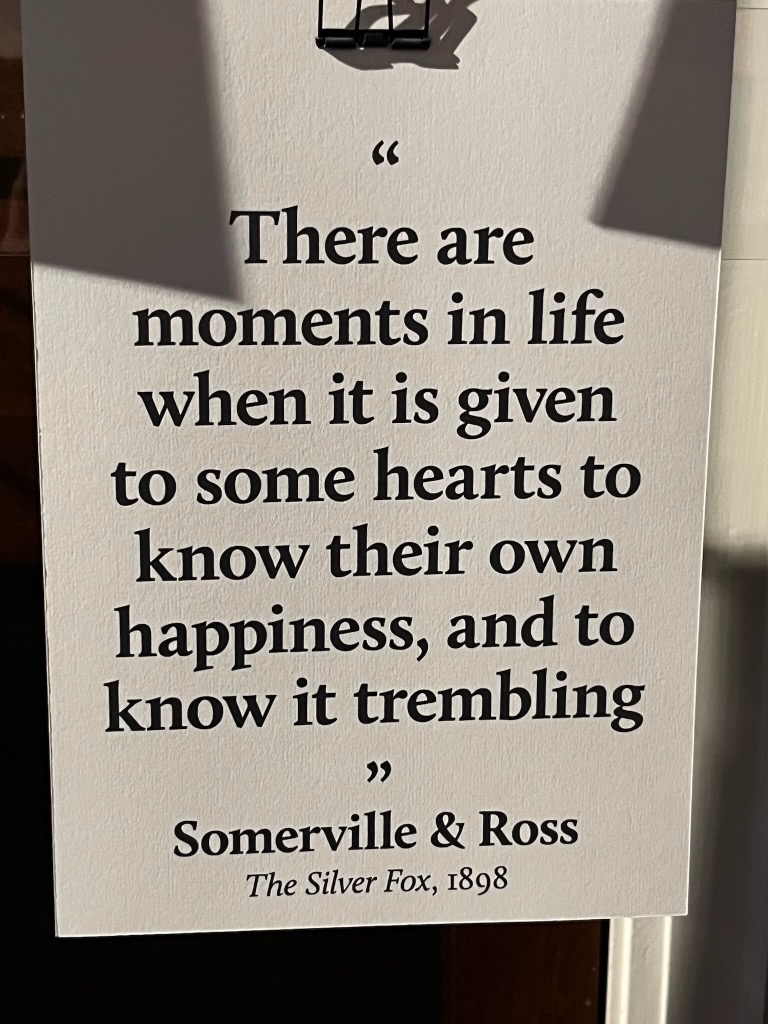


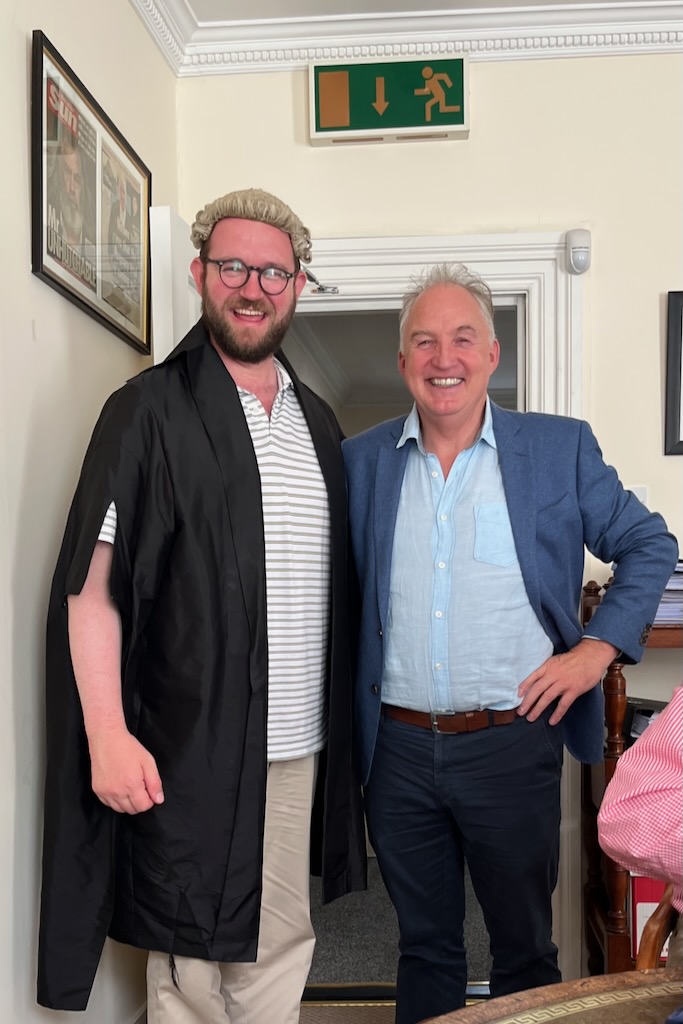


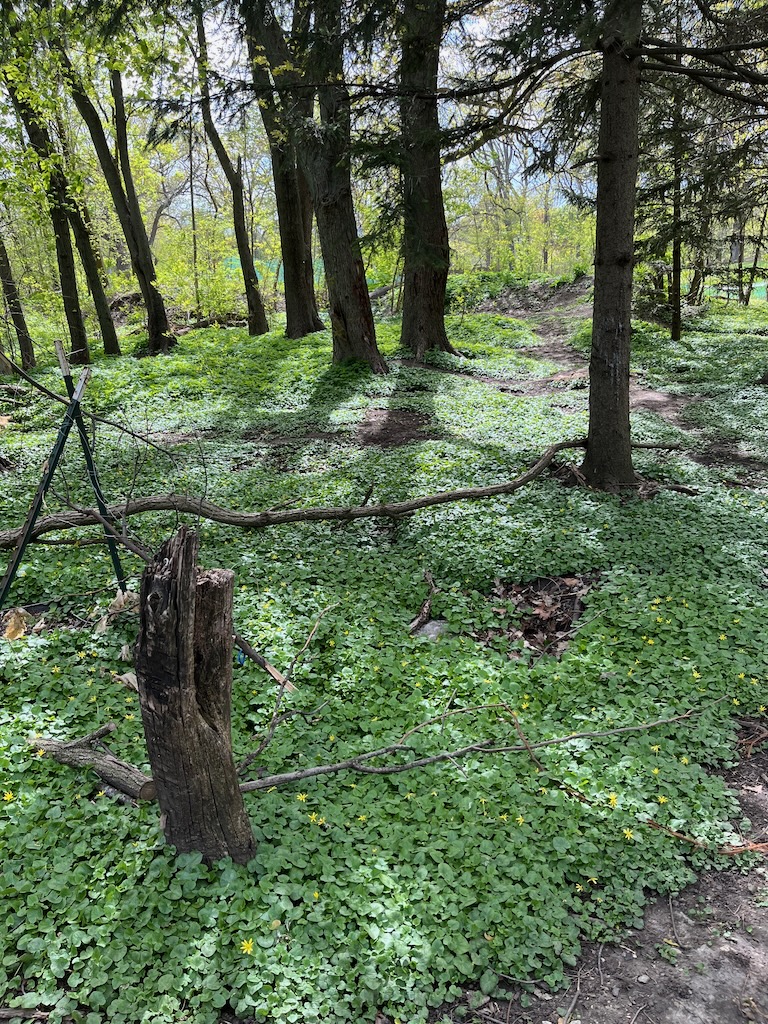


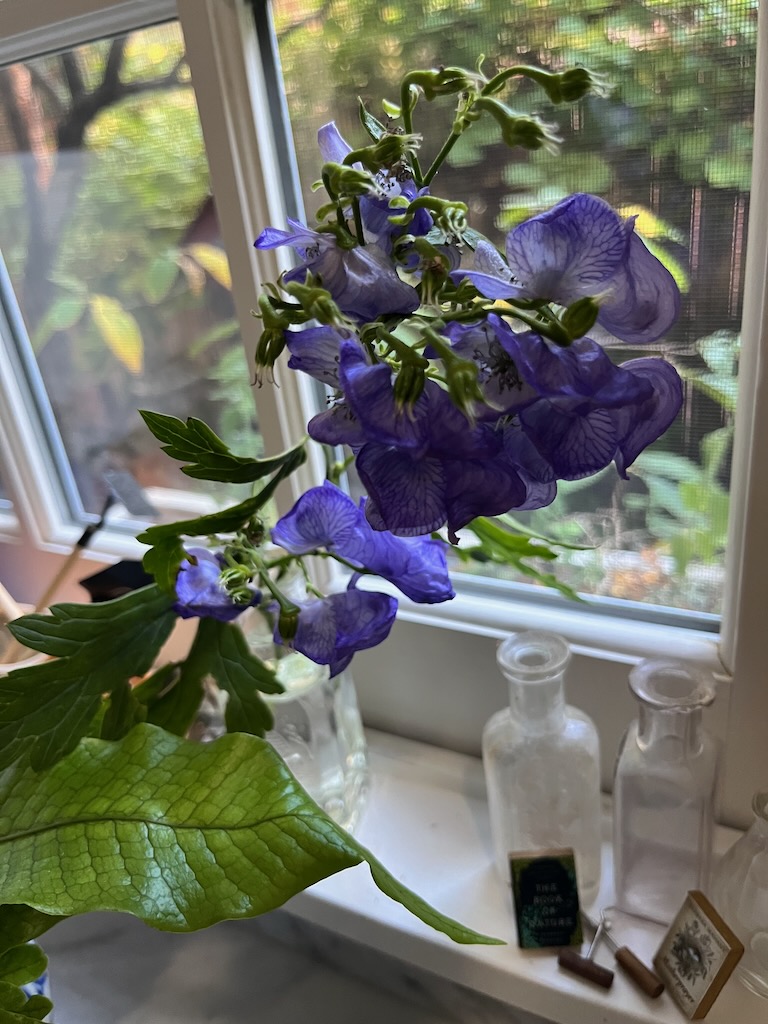

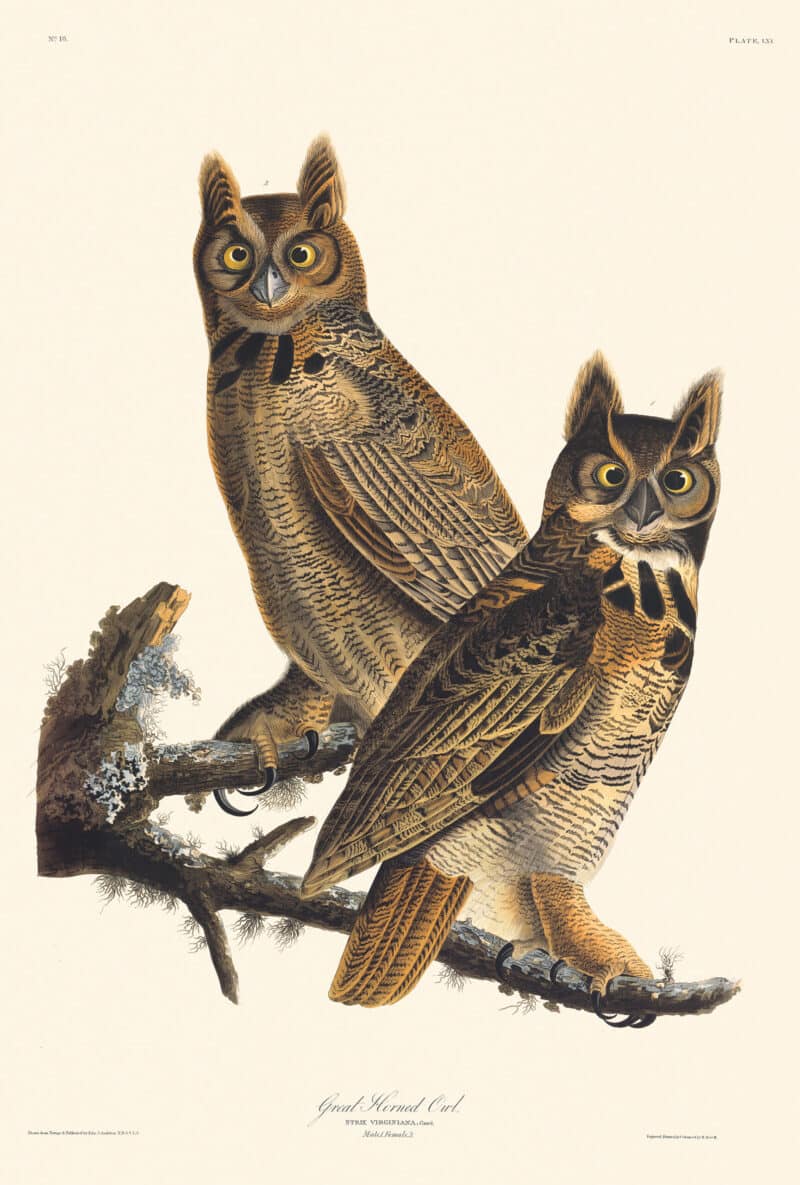
 pull up a chair