pull up a chair

where wisdom gathers, poetry unfolds and divine light is sparked…

Tag: poet

keening.

the winds have been howling all night, a rushing, a roaring of air on amphetamines. sometimes the sound rises in pitch, almost a keening, the sound of a soul in mourning.

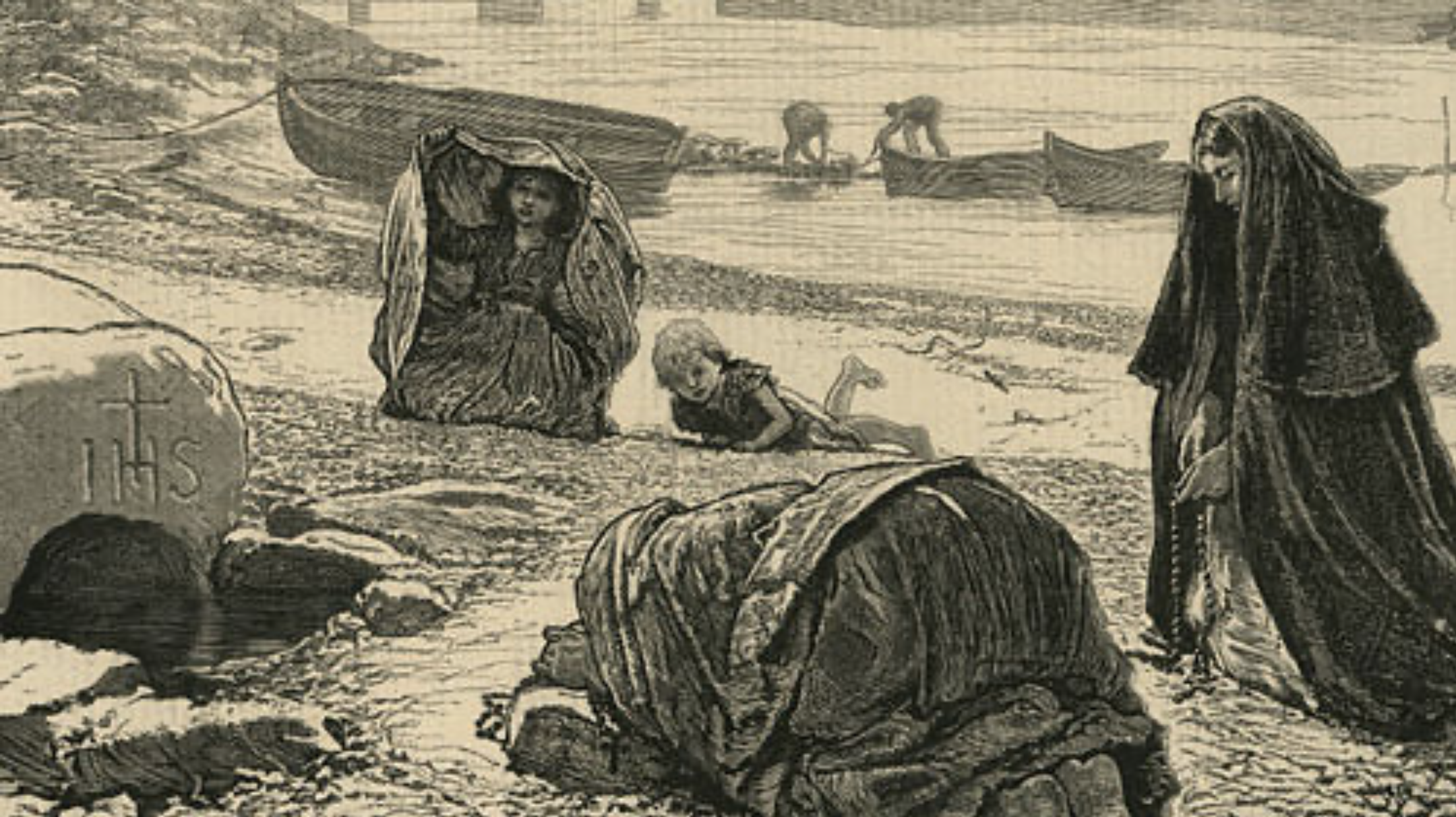
keening, a word that draws me half around the world to the banshees of that faraway island from which my people came (a good half of my people, actually, but it seems the half i’m rooted in). it’s a word that places me in a dark and damp room where a fire roars, and the people are circled in sorrow, cloaked in black woolen wraps. swaying and rocking, the sound that rises up is the sound that lives at the pit of us, the sound that rises when our heart or our soul is shattered. cracked wide open. it’s the ooze of anguish that comes without volition. keening sometimes comes without knowing. it just is. it’s primal. a reservoir so deep inside us it takes velocities of sorrow to tap into it, to draw from its well.

i might have keened once or twice, but i barely remember. both times someone had died, and it felt like part of me did as well. i remember the sound, remember i barely knew where it rose from, or that i’d had it inside.

the God who imagined us imagined so far beyond the imaginable. the God who imagined us gave us a sound, buried it deep, deep inside, where it awaits necessity. there are in our lives times when only that keening will do. that high pitched guttural whoosh that captures the unspeakable, a whoosh that rises and falls, traces the scale from basso, the animal roar, to mezzo soprano, up high where it’s piercing.

and why would the wind be keening?

look around.

listen.

don’t let us dull to the litany.

waking up to find we live in a pariah nation is one. but that’s almost too big for my head. i tend to operate in the finer grain. and the closest i came to keening this week was the news that the poet had been shot through the head.

what poet, you might ask?

the one in minnesota. the one whose first description i read was “37-year-old, mother of a six-year-old, award-winning poet.”

who shoots a poet? how often does the descriptor of a violent death include the word poet?

poets are porous. poets live in the world permeable to the little-noticed. poets process what’s breathtaking and put it, miraculously, to words. poets, the ones i love, the ones whose words put form and frame to unutterable parts of me, they’re among the most gentle-souled humans i’ve known.

renée good was a poet. a mother. and she died at 37, in the front seat of her maroon van we’ve all now watched over and over.
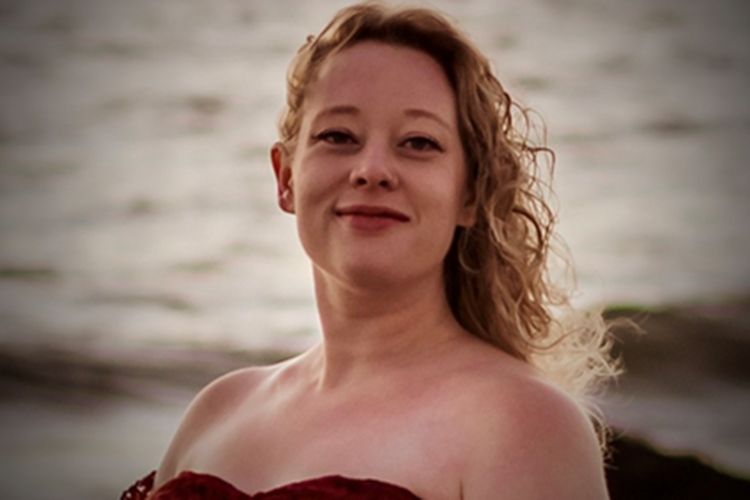
renée nicole good

renée good, back when she went by the name renée nicole macklin, won the 2020 academy of american poets prize. that’s not a prize for a piker. that’s a real-deal prize, a trophy worth tucking on the highest shelf in your house. she won it for a poem curiously titled “On Learning to Dissect Fetal Pigs.” now, that might not be the first thing that stirs me to want to write a poem. but poets begin in curious places sometimes and take us into terrain where wisdom or epiphany comes.

when we become a nation where a poet is shot through the windshield, just minutes after dropping her six-year-old off at school, we need to ask who in the world we’ve become. it only becomes more twisted when we can see for ourselves how the scene unfolded, and the people in charge, the ones holding the guns, the ones not letting a doctor rush to the scene, tell us that we didn’t see what we saw.

i wonder how apt this headline would be: good is dead.

that would be the headline atop the poet’s obituary. rachel good, award-winning poet and mother of three, was shot through the head. by federal agents. who then refused to let a doctor rush to the front seat of her bloodied, bloodied minivan. and waited too many fading heartbeats before giving the okay to call 9-1-1.

no wonder the wind is keening.

no wonder the world is tapping into its most guttural cries.

not long before i’d found myself tripping over the violent death of rachel good, i’d been thinking deeply about poets. thinking about a breed of poets i’d likened to “a tribe of saintesses.” that’s a feminization of saint, an intentional genderizing, if you will, because the poets i’m most drawn to might technically, and in an old-time world, be coined poetesses, and because the ones to which i am most deeply drawn are ones who weave the sacred, even the liturgical, into the vernacular from which they write. because the saintesses to whom i am most drawn are the ones whose verse scans the divine, shimmers at the edge of the ineffable, catches me unaware, but grounds me in a certainty more certain than many a gospel, i turn to them for edification and plain old uplift of my weary soul.

i keep them in close reach.

sitting just beside me here at this old maple table are two such poet saints, the ones whose lines leave me gasping, my spine tingling as if something holy has just wafted by and through me. because it has.

here’s one. her name is kathleen hirsch, and this is from her mending prayer rugs (finishing line press, 2025). it’s the last stanza of her poem “prayer rugs” (emphasis mine):

I bend in blessing toward all that breathes
May each hour enlarge the pattern—
rose dawn, wind song, tender shoots of faith—
that I may see the weft of the hidden weaver.

or, also sitting right by my elbow, jan richardson’s how the stars get in your bones: a book of blessings (wanton gospeller press, 2025), i flip through pages and pluck just one, titled “the midwife’s prayer.” it begins:

Keep screaming, little baby girl.
Keep practicing using those lungs
and do not stop,
because hollering will help
to ease the shock
every time you go through
another birth.

the saintesses, i swear, speak from a godly vernacular. they see deeper than the rest of us, dwell deeper too. their gift is the gift taken away at Babel. while all the rest of us were stripped of the powers of universal understanding, the saintesses kept on. they speak words that speak to all of us—if we listen closely. if we trace our fingers across the lines they offer, sacramental lines, lines that lift off the page, lift us off the page and into the transcendent, where for just a moment we get to reside.

i don’t know the rest of rachel good’s poems. but i know she was a poet. and the silence where once she spun the words of the unspoken, the little-heard voice, that silence now is cacophonous.

and even the winds are keening.


you can read the whole of rachel good’s prize-winning fetal-pig poem here.

and here are the first few lines…

On Learning to Dissect Fetal Pigs
by Renée Nicole Macklin

i want back my rocking chairs,

solipsist sunsets,
& coastal jungle sounds that are tercets from cicadas and pentameter from the hairy legs of cockroaches.

i’ve donated bibles to thrift stores
(mashed them in plastic trash bags with an acidic himalayan salt lamp—
the post-baptism bibles, the ones plucked from street corners from the meaty hands of zealots, the dumbed-down, easy-to-read, parasitic kind):

keening in minnesota on the block where rachel good was killed

what shall we do to quell the need for keening? and what poets draw you into the depths of the Holy?
on faraway sands, the poets of war spoke to me

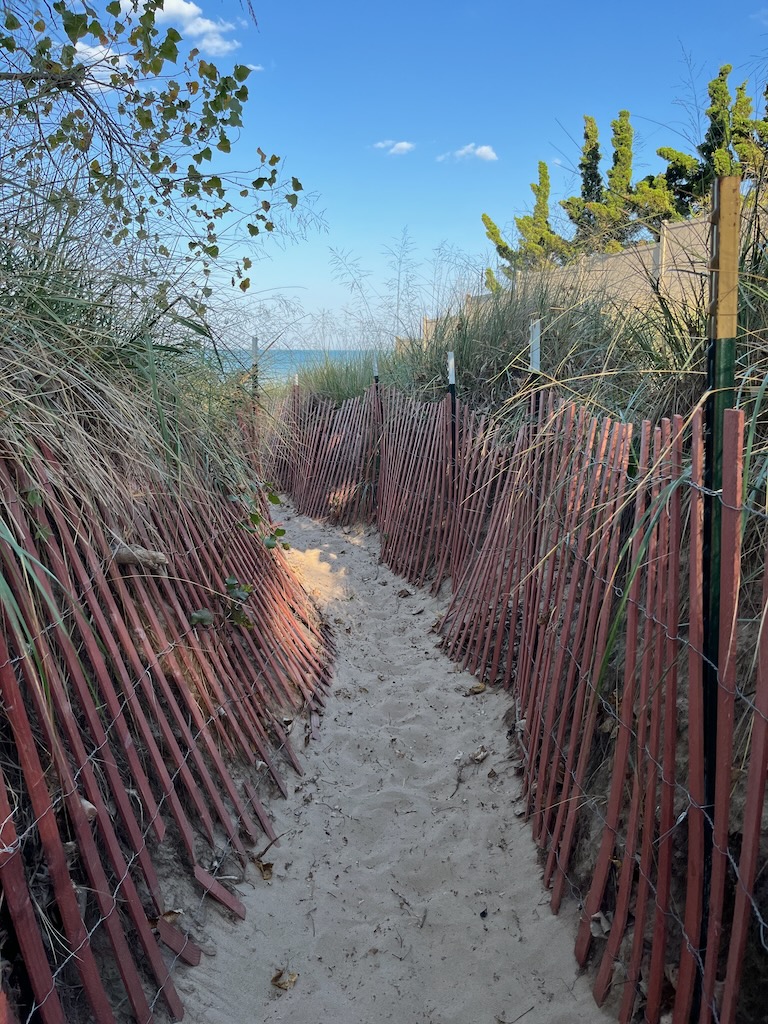
i was alone for the day, a whole sumptuous day of solitude and silence. so i, like half the rest of the world it seemed, was pulled to the water’s edge. i carried but a book and a bottle of water. i knew the week ahead would be rough, though i hadn’t a clue yet quite how rough. (two beloved souls, my exact age, died suddenly, one falling to her death*, another simply dying in his sleep.)

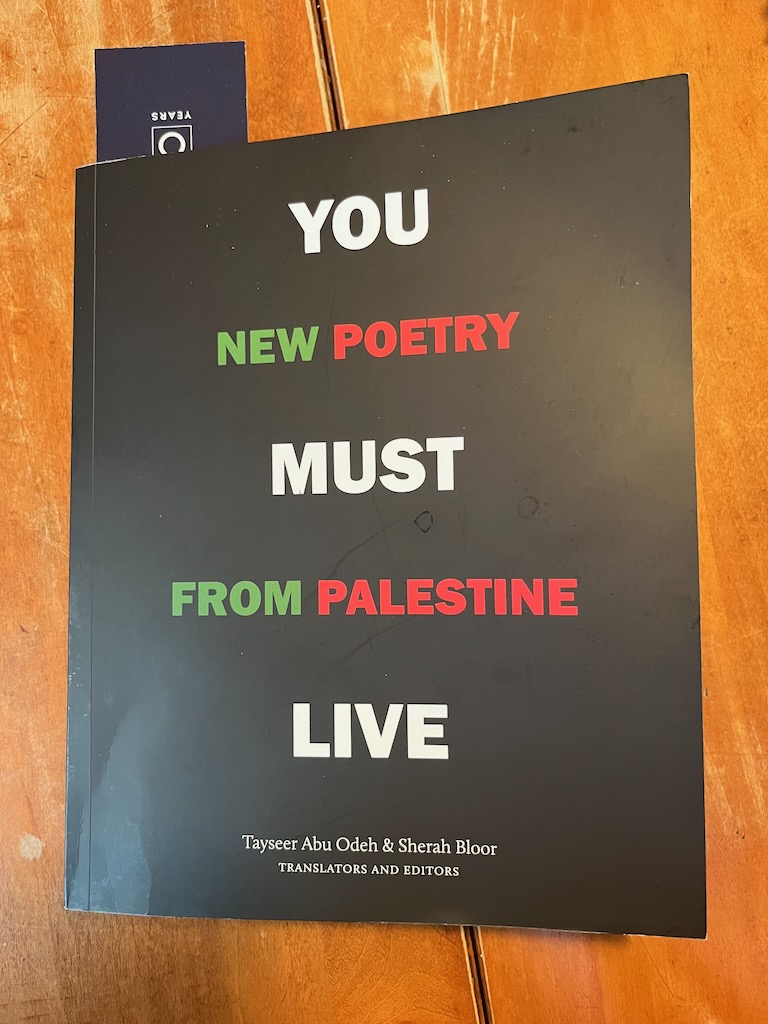
the book i carried is one i’d yearned to crack into, and as i sat there allowing its truths to wash over me, as the waves of the lake just across the sand washed over the shoreline again and again, i felt every drop of its anguish and truth. it was a book of poems written by thirty poets in gaza, and four from the west bank.

once upon a time, for ten good years, i gathered up each month for the chicago tribune a collection of three books that had most stirred my soul. they might be children’s books, or poetries, or memoirs and stories of the holiest people. the gatherings were vast, and some of those publishers still send me books, knowing full well my readers now are not the millions from the tribune and beyond, but rather the cherished friends of the chair.

this book i bring today is one worth clutching in your hands, pressing hard against your heart. it might be even more poignant against the improbable news that a cease fire in gaza has begun and some twenty living israeli hostages will soon be released.

its title, you must live: new poetry from palestine (copper canyon press, 2025), only begins to tell the story, only hints at the horrors and tendernesses within. but you can hear the pleas, the cries rising up from the rubble. it’s a bilingual anthology of poetries from gaza and the west bank, translated from the arabic and edited by Tayseer Abu Odeh and Sherah Bloor, with guest editor Jorie Graham, and it’s written not by poets who’ve somehow escaped, left behind the ravages of war, but rather it’s written by those still there. in poring over its pages—slowly and with prayerful intent—you hear the murmurs perhaps unheard by anyone else, you hear the lone voice rising from dust, you hear the whimper of a child left alone in the world, in the shattered brokenness of a world that no longer stands.

“especially now,” the editors write, “it is crucial to attend to those whose voices are under threat of elimination.”

ocean vuong called it “a light beam of a collection in our dark hours.” ilya kaminsky, the great poet most famous for his deaf republic, has written that it’s a book “filled with poems of utter urgency, poems that give us wisdom, in the face of devastation, in spite of devastation.”

i was as moved by the story behind the poems, as by some of the poems themselves. for starters, editing in a war zone is no feat for the timid. the editors write that at first they didn’t realize that every time someone’s phone connected to a satellite (to reply to an editing question) they became a target. to get a clear signal, the editors write, meant a life-or-death decision: standing atop rubble is where the signal is sharpest, and yet of course that means the poet is risking her or his life to reply.

consider that.

the editors write too that every time a reply did come through, be it a response about punctuation or diction, the editors sighed with relief. “they were still with us.” imagine being willing to die over a comma rather than a semicolon. consider that the next time you make a simple correction in a sentence you’re typing.

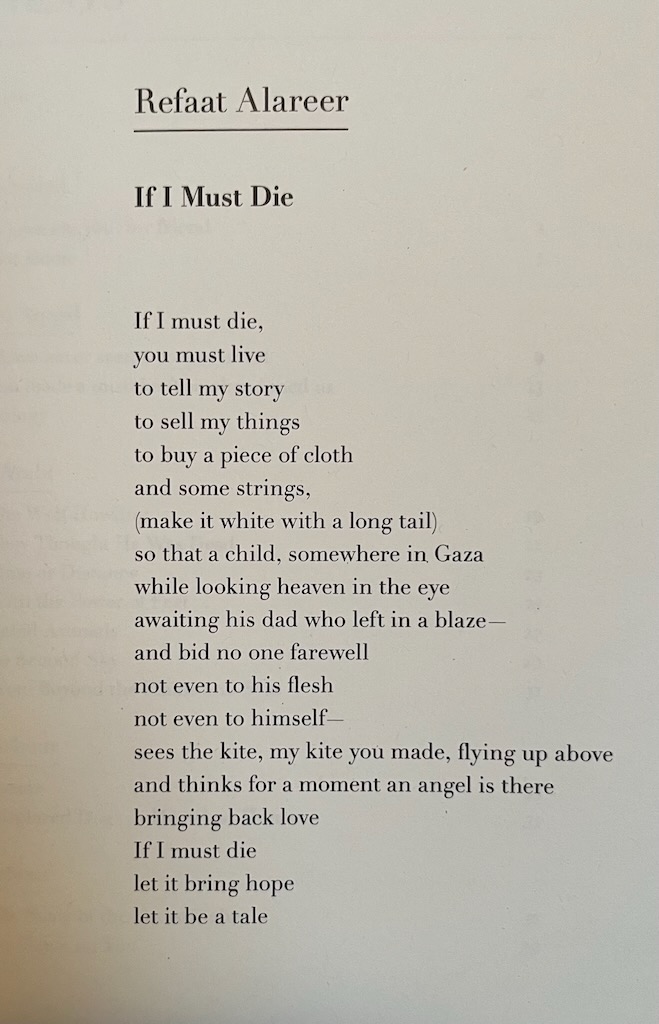
the collection begins with a poem that’s become fairly widely known, “if i must die,” by the late Refaat Alareer. the editors write: “this poem stands in for all those poets we failed to reach in time. their poems—chalked onto collapsed walls, or on the blackboards of schools-turned-shelters-turned-bombsites, traced in sand, or shared in private messages—will never reach us.”

the silence is stunning. the silence demands our reverence.

the editors call the poems a “poetry of witness,” speaking from a war zone deadly for journalists, a war zone where so many stories would otherwise go untold. the poets paint the portrait. and it is seizing with humanity. humanity crushed. humanity pummeled. human refusing to extinguish its tender, fragile beauties. we must know what we, humanity all, have wrought.

here are a few samples, barely enough to give you a sense of the pathos within, the pathos that rises from this old globe like a poisonous cloud desperate for one breath of air….

here is the poet Waleed al-Aqqad’s elegy for a young friend, set at the boy’s funeral, and tenderly describing the mutilations of his war-torn body:

We said goodbye
to you in your small death like the death
of sparrows.
We rearranged you.
We placed your severed hand across your chest,
covered your wounds with flowers,
cried as you wanted.

or this, from Ala’a al-Qatrawi’s poem to her children, two daughters and two sons, all under the age of six, all killed in an air strike on their home. she addresses her babies in heaven, offers her own body parts to her daughter, Orchida, as if she could piece her body back into her embrace:

And give my lungs to her.
Without them, maybe she suffocated.
Maybe she couldn’t call my name.
The rubble would have been too heavy for her.

it is wrenching to read. all of it. page after page, i read slowly, as if a dirge. i sat on a bench on the sand thousands and thousands of miles away. that seemed cruel, unfair, that i should be hearing the sounds of a day at a beach, when the sounds of war pressed on. and the words of new poets would again go unheard.

to those who understand the power of words, to those who dared to gather poems out from the rubble, bless you, and bless you, and may peace, everlasting peace, at last come to the holy land.

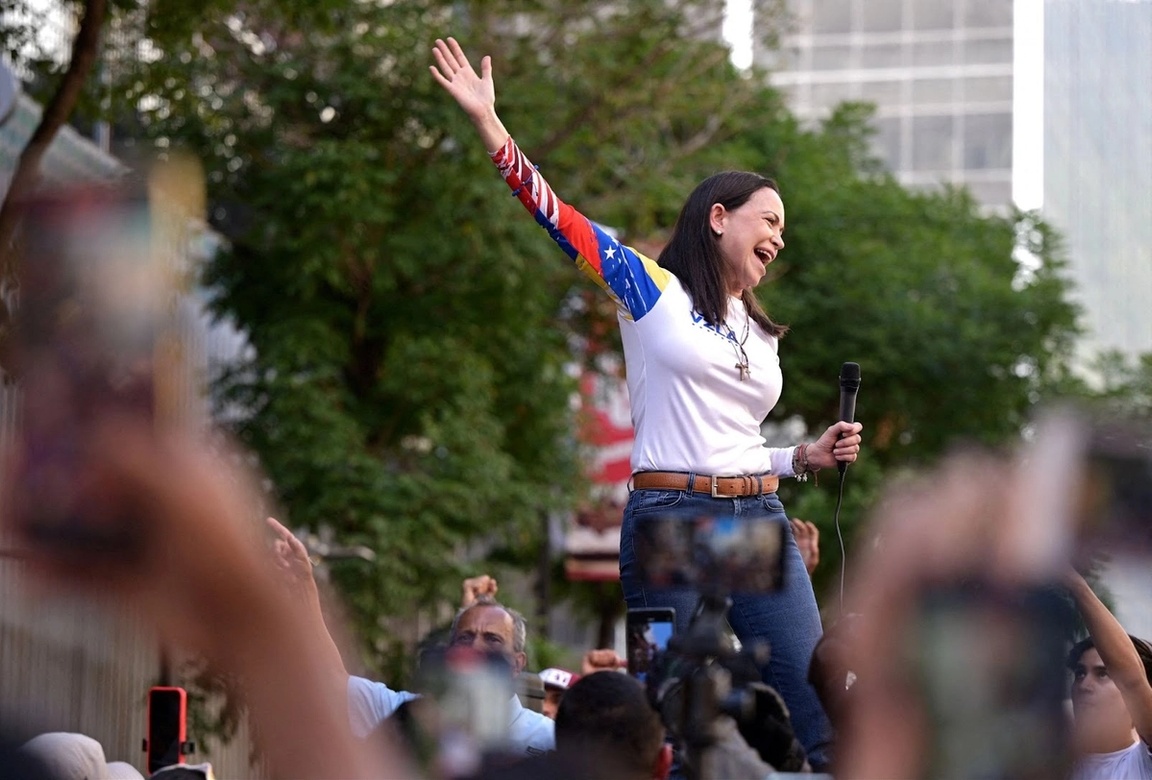
maria corina machado, recipient of the 2025 nobel peace prize

this hard week ends with a few sparks of hope: first, word of the cease fire and the imminent promised release of 20 living israeli hostages, and the bodies of 26 confirmed dead. and, in the immediate wake of that, the nobel peace prize was awarded this morning to venezuela’s “iron lady,” maria corina machado. the committees’ citation reads: “She is receiving the Nobel Peace Prize for her tireless work promoting democratic rights for the people of Venezuela and for her struggle to achieve a just and peaceful transition from dictatorship to democracy.”

where did you find hope in these hard times?

*joannie barth was a most beloved reader of the chair. she lived in evergreen, colorado. was the right-hand everything to the best-selling author philip yancey. she and i had gone to college together, but mostly got to know each other’s souls through this ol’ chair. she would send notes radiant with love, with a faith that couldn’t be shaken. she shared her own heart’s ache, an ache i now hold for her. i was with her less than a year ago, and as she always had, she lit up a room. her smile rose from a deep deep place. a week ago, she was rock climbing. and the belts gave out. she died instantly. not at all surprisingly, i feel her closer than ever. she was, and is, an angel.

joannie