pull up a chair

where wisdom gathers, poetry unfolds and divine light is sparked…

Tag: paying attention

ode to my fairy gardenmother: one last love note. . .

Mostly, this is a love letter. One I might have tucked in the pine coffin now buried beneath a foot-and-a-half of Chicago’s clumpiest earth, earth we shoveled onto it, one full spade at a time. The one to whom I write this, though, my fairy gardenmother, is not one ever confined by boxes or borders or hard lines scrawled in the dirt. She, my Marguerite, was as free a spirit as they come. So I cast this to the wind, and know she will catch it. 

Marguerite made beauty for a living. She sowed joy in abundance. Not a single root or shoot was tucked in the earth or tied to a trellis without the ringing sound of her laughter. 

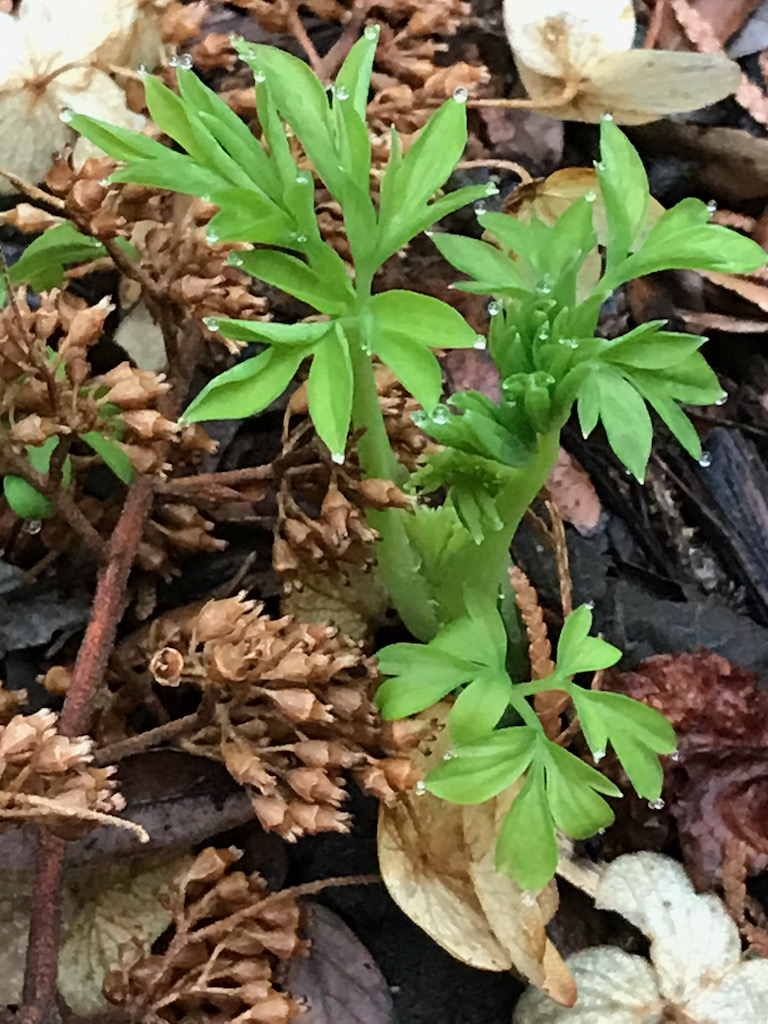
Marguerite’s acanthus

She bequeathed me beauty, her beauty and that of this holy earth. And grace, and a tidepool of peace, the sort that settles deep within, calming what had long been a turbulence. It all came in a litany of botanic derivative, a litany I water and witness: tree peonies, fuchsia and ruffled and broad as a dinner plate; oakleaf hydrangea, its bottle-brush blooms now bursting in time for the Fourth of July. Pieris japonica (sometimes known as lily-of-the-valley shrub, or flame of the forest) whose delicate white star-blooms are the petit point of late springtime, stitched along the bluestone path that bends toward my front door. A dwarf lilac that defies its definition and perfumes profusely my brick walk out back. My garden blooms with acanthus, the ancient Greek thistle of endurance and immortality, and white bleeding hearts that, as instructed, seem to be on the verge of spilling succulence drop by drop by drop. Everywhere, the vanilla scent of Jack-in-the-pulpit rises. There are ferns in abundance, and climbing hydrangea who wouldn’t be daunted by Everest. And about a dozen other beauties whose names I often forget, and when I do I’d text her, and she’d remind me, always with annotation of what she loved most about it. And another something I might want to try. 

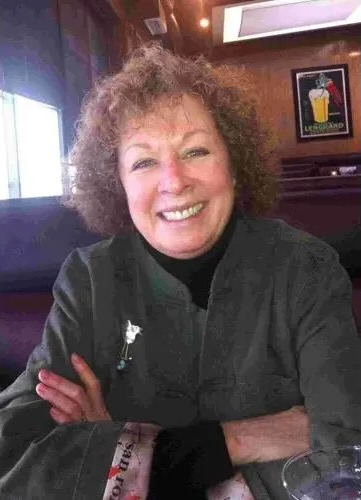
If I tried to describe her, I’d begin with her face. Her face was alive, was radiant, was always revved up in joy. Or deep concentration. Her laugh came easy, so easy. Her limbs flowed. She was a ballerina in the everyday. Clogs buried in garden, wielding a shovel or pruners, she swayed with the wind, with the whims, with purpose. 

She planted my secret garden, the one that meanders along the side of my house, from my writing room window, past the kitchen door, and into the garden out back. It’s the place I’d point to if pressed to answer the question: Where did you finally find your long-sought peace? It was there in the garden that Marguerite grew. 

I first met Marguerite a garden ago, back in 1991, months after we married, my beloved and I. The very day we wandered into the old Victorian that became our house for a decade, the house to which both our boys first came home, the house that held so many joys and so many sorrows, Marguerite was there. She was packing up boxes with Jim the sculptor who was dying of AIDS, and who would soon leave us his beautifully sculpted three-story house (and a set of Old Willow dishes besides). They wept and wailed and laughed together. We heard the echo of their affections before we saw them, and when we climbed the stairs there she was: radiant, a mop of blond curls, eyes hazel and sparkling. 

She knelt beside me summer after summer, teaching me much of what I know about what grows in a garden. We wandered nurseries and tree lots. We planted according to her unorthodox teachings. When anything ailed, she knew the fix. Or we yanked it and started again. 

My jewel box of a tiny urban garden, one where the alley rats dared not roam for the fierce farm cat who patrolled it, grew to be a wonder. One whose measure in my mind far exceeded a yardstick. 

When at last we decided we’d finished our work, at least for the time being, Marguerite and Ted, her rabbi of a husband who presided over a congregation of his psychotherapy clients, came by one late summer’s evening to bless the little plot. In a story I love so much I included it on pages 37 and 38 of The Book of Nature**, Ted offered up fertility prayers for my garden, that it would blossom and bloom, and multiply. Four months later, on the brink of my 44th birthday, after eight years of broken hearts and infertility, I discovered that I was the one blossoming and multiplying. I was “with child,” as the Bible would put it. I always giggled that Ted had mixed up his fertility prayers, and pulled out the ones for the barren woman instead of the ones for the garden. 
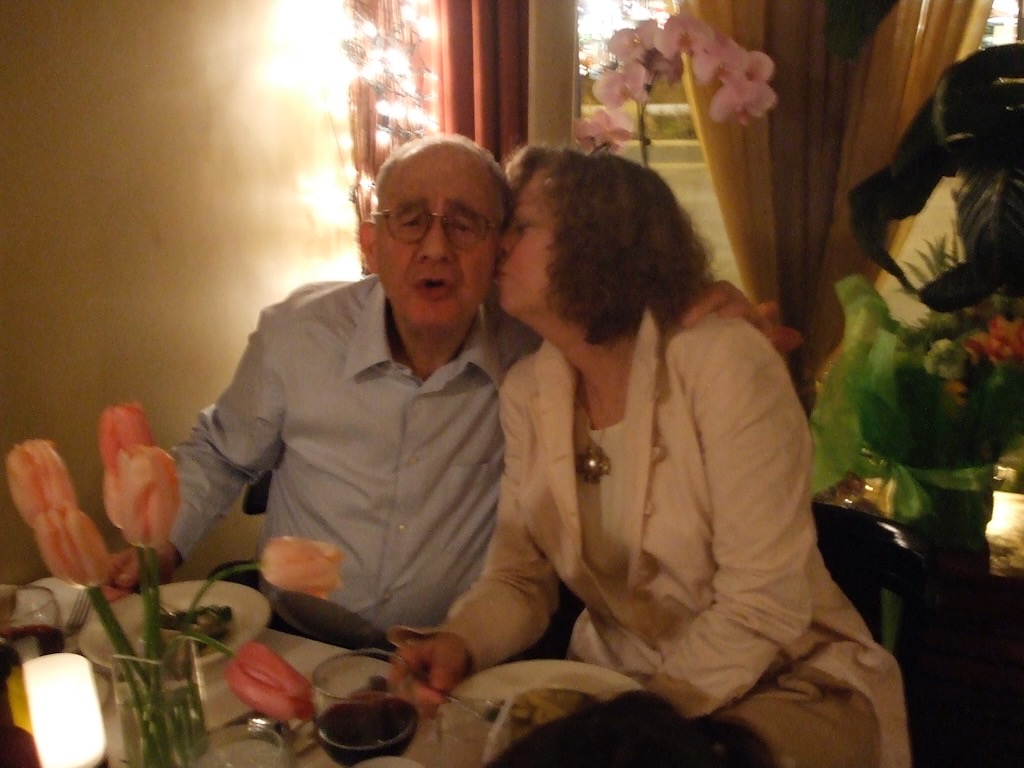
ted and marguerite

And so, of course, and ever since, Marguerite is the one to whom I turned with every garden question, and every delight as it bloomed. When Ted died not quite two years ago, I knew Marguerite’s heart was shattered. And there was no glue in the world to put it back together. But I didn’t know it would kill her. 

I now know that it did. For she died on Monday, and was buried on Tuesday. And ever since I’ve been strolling through my garden, stopping to marvel here, stooping to deadhead there. I’ve been shlepping my hose, and giving big drinks to each and every bloom bequeathed to me by my Marguerite. 

Marguerite will always bloom in my garden. Her longtime sidekick, David the cop, is coming soon to help me dream once again. There is a plot under the ornamental lilac and the row of burning bush, and I have named it Marguerite’s Garden, and I will be planting it before the month of her death turns to August. 

And it will be abundant in beauty. Because that’s what Marguerite taught me to grow. And that will never die.
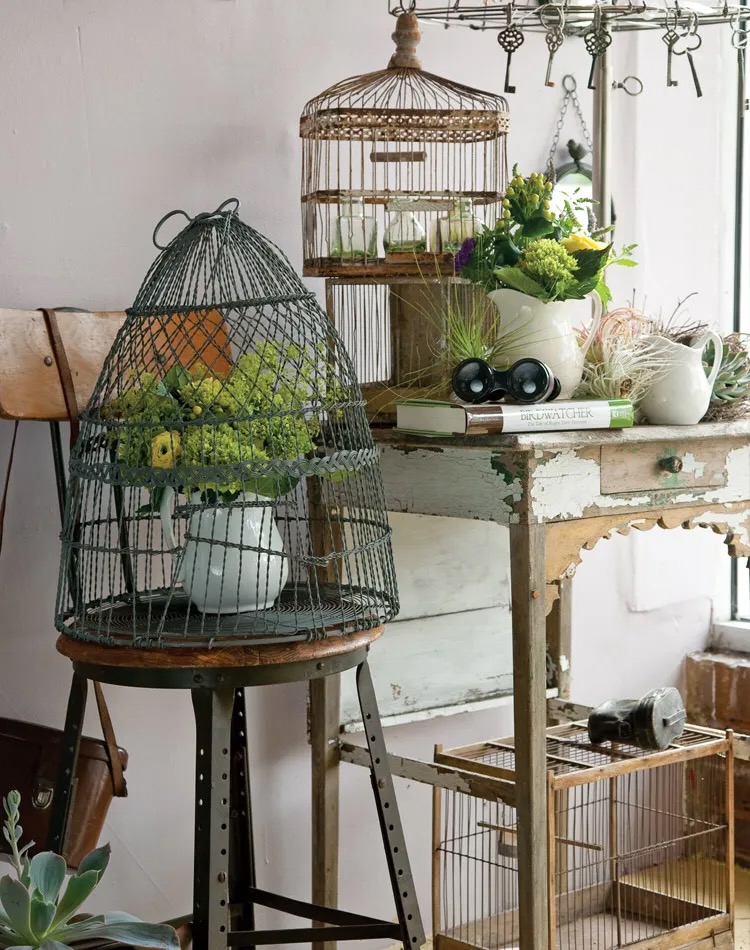
the jewel box of a flower shop: Marguerite Gardens (from Victoria Magazine)

Marguerite’s genius in the garden spread far beyond our little block of Wellington Avenue, 60657. When she couldn’t be contained, she launched a for-hire garden crew (a motley crew counting two cops, a U of C theology grad fluent in Mandarin Chinese, a commodities trader, a banker, and a pet photographer) with a seasons-long waiting list. She planted tulips by the thousands up and down Boul Mich, Chicago’s grand Magnificent Mile. She planted the city’s lushest rooftops and balcony gardens. She was a connoisseur of miniatures, and knew how to cram the most in the least. She opened a dream of a flower shop in Andersonville, aptly named Marguerite Gardens, and twice daily received imports from her beloved Netherlands. The shop, with the bell that tinkled as you walked in, held a European-style flower market, and was stuffed to the rafters with eighteenth-century antiques, from bird cages to terraria. Aptly, she was named for the daisy whose name means “pearl” in French, and is the bloom from which petals are plucked in the prognostication game, “he loves me, he loves me not.” Married for 43 years to the inimitable, unorthodox, Yale-educated rabbi and psychotherapist, Theodore Gluck, Marguerite died 656 days after Ted, three days short of what would have been his 95th birthday. Marguerite was 75.

**excerpt from pages 37 and 38, Marguerite’s star turn in The Book of Nature, in which i describe that first garden we planted and blessed together…

. . .That garden—where a priest, a rabbi, and a tight circle of people we love gathered for blessings shortly after the births of each of our boys; where baby bunnies and nestlings and goldfish were buried after premature deaths; where our stubbornly resistant house cat mastered the art of escape—that plat of earth became as sacred to me as any cloister garth.

Not only was it where I knelt to teach my firstborn the magic of tucking a spit-out watermelon seed into the loam and, each morning after, tracking its implausible surge. During seven long years of miscarriage after miscarriage, ectopic pregnancy and emergency surgery, and doctors finally telling us to give up hope, I dug and I dug in that garden, all but willing the tiniest bulbs and tenderest sprouts to beat impossible odds, refusing to let anything else die on my watch. And then, at the end of one summer, as the crab apples were starting to turn, a rabbi who lived down the block came by with his wife, whom I’d long called my fairy gardenmother for her magical ways and her unbroken guidance. Standing under the stars, the rabbi, his wife, and I, we blessed the garden itself, casting prayers and sprinklings of water. By that Christmas, I was pregnant, with nary a drop of medical intervention. Just shy of forty-five when that blessing of a baby arrived the next August, I’ve always wondered if maybe the rabbi mixed up the garden fertility prayers.

It’s all a holy whirl—that intricate and inseparable interweaving that is the cosmos.


one poem this week, from a bouquet of many i plucked:

Desiderata

Go placidly amid the noise and the haste, and remember what peace there may be in silence. As far as possible, without surrender, be on good terms with all persons.

Speak your truth quietly and clearly; and listen to others, even to the dull and the ignorant; they too have their story.

Avoid loud and aggressive persons; they are vexatious to the spirit. If you compare yourself with others, you may become vain or bitter, for always there will be greater and lesser persons than yourself…

Exercise caution in your business affairs, for the world is full of trickery. But let this not blind you to what virtue there is; many persons strive for high ideals, and everywhere life is full of heroism…

Take kindly the counsel of the years, gracefully surrendering the things of youth…

Beyond a wholesome discipline, be gentle with yourself. You are a child of the universe no less than the trees and the stars; you have a right to be here.

And whether or not it is clear to you, no doubt the universe is unfolding as it should. Therefore be at peace with God, whatever you conceive Him to be. And whatever your labors and aspirations, in the noisy confusion of life, keep peace in your soul. With all its sham, drudgery and broken dreams, it is still a beautiful world. Be cheerful. Strive to be happy.

by Max Ehrmann


and in extra case you’re extra curious, here’s a story i wrote for the chicago tribune back in may of 2000 about my friend marguerite and her garden crew: https://www.chicagotribune.com/2000/05/07/planting-away-again-in-marguerite-aville/

who taught you much of what you know about beauty and joy and free-flowing grace? might you tell us a bit of that story….
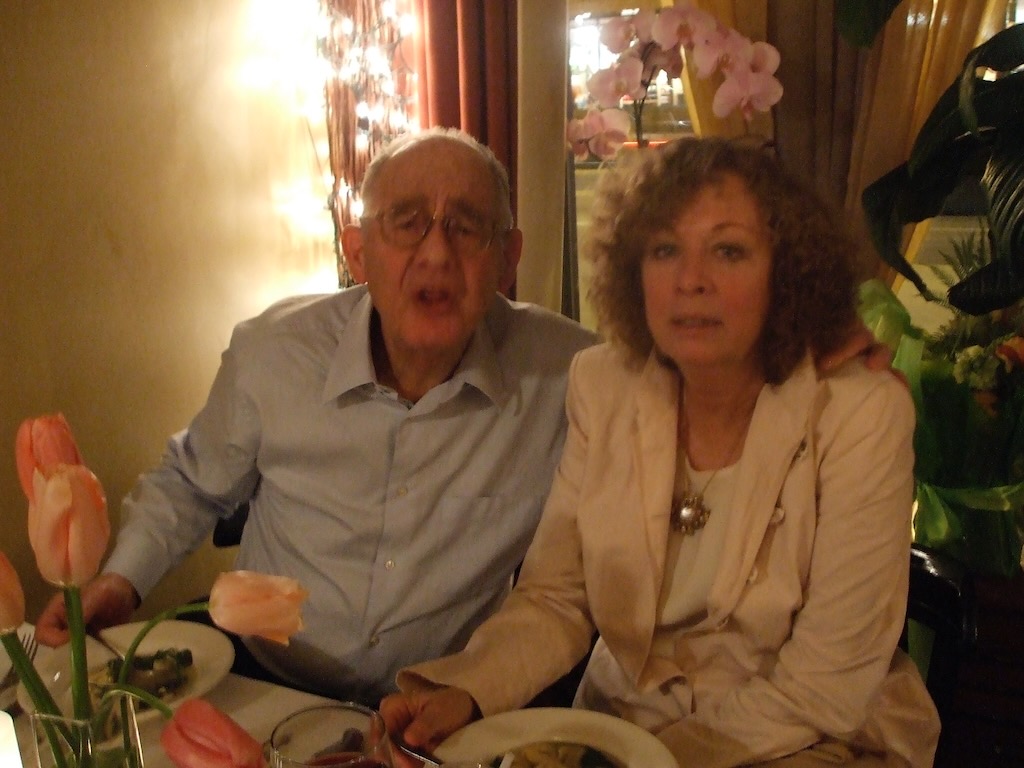
one last time: love story of a lifetime. ted + marguerite = forever and ever. amen.

this poem is more than enough

i promised some iteration of a summer reading club, as in the days of yore when a little card at the public library was slipped in an envelope and marked with an empty grid, and for every book i slipped off the shelf, carried home to devour, the lovely librarian rewarded me with an ink-stamped icon of summer. an ice cream, a fish, a globe of the world. a deep-sea diver. each, a trophy for tucking myself away in the summer’s quiet, blocking out even the buzz of the vexatious mosquito, and turning page after page—finding myself in the big woods, the little house on the prairie, mary’s secret garden, or robert louis stevenson’s pages and pages of rhyme. 

to garner an ink-stamp for adventuring away, for riding the winds of farflung imagination, was over-abundance defined. the reading, the being carried away, the learning to trust the deep powers of my mind’s true colors, that was the abundance. the gift. the one i’ll never surrender. 

ever since those bicycling-to-the-library summery days, for me the span between the last and the first school bells of the year has long been synonymous with hours unspooled within the wingspan of a book. 

the world we live in today doesn’t always require wingspans. sometimes what beckons us is flat on a screen and glows space-age eerie against the darkness. sometimes the words that stir me most in a week are words i’m able to copy and paste, words plucked from the cyberletters that waft my way. 

and in those cases, this summer reading club might become more of a book report club, in which i bring to the table the one single snippet that most caught my breath in the week. this week it’s one single poem. a poem from one of my true lifelines—andrea gibson, the queer activist and poet with an ovarian cancer deemed incurable two years ago. she reminds that though the soul is my true work in progress, the thing i pray is alive into the forever, in whatever form that will be, the vessel into which it’s been stuffed is mighty miraculous too. 

i’ve never quite given my physical being enough credit. i’ve not paused to marvel at many parts of it, save for the five digits extending from each palm, gobsmacked at however that ingenious appendage was wholly imagined, evolved. that we can pick up a slip of paper, or a rose petal fallen to the ground, that we can hold the hand of the one we love, or the stranger whom we know is afraid, is trembling, is nothing short of divine genius. 

the priest who along with a rabbi amid our tiny city garden was blessing our newborn firstborn once gave a teaching focusing our attention on the genius of the elbow, a hinge without which we’d ever be at arm’s length, unable to bring a fork to our own mouths, or button our buttons, or zipper our zippers.  

it’s ironic that for as desperately as i want my old resilient heart to keep lub-dubbing, and my little air sacs to keep being my wee vital accordions, expanding and whooshing the air in and out, as much as i think of those majordomos, i forget the rest of the bodily wonders: the way eyes crinkle when they’re in the thick of a heart-melting smile; the way the tears know just how and when to fall; that stubby little toe that in fact keeps us from toppling. . .

andrea gibson

andrea, though, as do all the best poets, makes us pause to pay attention. holy attention. to the quirks and the nooks and the crannies, the history told through flesh, bones, and sinew. and all the overlooked bits: the loose tooth of long ago, the goosebumps over the years, the boing in our hair we once tried to hide. andrea makes us take note of how holy, how blessed, these chipped, wrinkled, creaky old soul vessels truly are. the infinite ways our multiple parts—incidental and otherwise—have carried us through the years.

to do so, she puts the soul into the driver’s seat and allows it to look back, longingly, lovingly. and along the way, directs our attention. . .

here’s andrea:

For the Days I Stop Wanting a Body

Imagine when a human dies the soul misses the body
Actually grieves the loss of its hands
And all they could hold
Misses the throat closing shy
Reading out loud on the first day of school

Imagine the soul misses the stubbed toe
The loose tooth
The funny bone
The soul still asks
“Why does the funny bone do that?
It’s just weird.”

Imagine the soul misses the thirsty garden cheeks
Watered by grief
Misses how the body could sleep through a dream
What else can sleep through a dream
What else can laugh
What else can wrinkle the smile’s autograph
Imagine the soul misses each falling eyelash
Waiting to be wished
Misses the wrist screaming away the blade
The soul misses the lisp
The stutter
The limp
The soul misses the holy bruise
Blue from that army of blood rushing to the wound’s side
When a human dies
The soul searches the universe for something blushing
Something shaking in the cold
Something that scars
Sweeps the universe for patience worn thin
The last nerve fighting for its life
The voice box aching to be heard

The soul misses the way the body would hold another body
And not be two bodies but one pleading God doubled in grace
The soul misses how the mind told the body
“You have fallen from grace.”
And the body said, “Erase every scripture that doesn’t have a pulse
There isn’t a single page in the Bible that can wince
That can clumsy
That can freckle
That can hunger.”

Imagine the soul misses hunger
Emptiness
Rage
The fist that was never taught to curl, curls
The teeth that were never taught to clench, clench
The body that was never taught to make love, makes love
Like a hungry ghost digging its way out of the grave
The soul misses the un-forever of old age
The skin that no longer fits
The soul misses every single day the body was sick
The now it forced
The here it built from the fever
Fever is how the body prays
How it burns and begs for another average day

The soul misses the legs creaking up the stairs
Misses the fear that climbed up the vocal chords
To curse the wheelchair
The soul misses what the body could not let go
What else could hold on that tightly to everything
What else could hear the chain of a swing set and fall to its knees
What else could touch a screen door and taste lemonade
What else could come back from a war and not come back
But still try to live
Still try to lullaby

When a human dies the soul moves through the universe
Trying to describe how a body trembles when it’s lost
Softens when it’s safe
How a wound would heal given nothing but time

Do you understand
Nothing in space can imagine it
No comet
No nebula
No ray of light can fathom the landscape of awe
The heat of shame
The fingertips pulling the first grey hair
And throwing it away
“I can’t imagine it.”
The stars say
“Tell us again about goosebumps.
Tell us again about pain.”
—Andrea Gibson

you can watch andrea read it here.

what might your soul miss about your beautiful body?

and before i shuffle off, happy blessed day to two true loves of this ol’ chair: amy from illinois, as she was first made known to me, and nan P, who’s been the beating heart of the tenderest, bravest moments for years beyond years. one of you passes the birthday baton to the next, and a pairing as sweet it’s hard to imagine. love to you both, and bless these beautiful days in which we dwell on the light you bring to this world. 

in a very few days, my sweet boys and i fly to the island of my dreams, the land from which i feel my ancestors calling so deeply. i’ll be in dublin when i next write. see you from there. i’ve been teaching myself irish for months, and will be meeting up with a professor of irish poetry, who mostly writes in what we’d call “old irish,” so i need to keep practicing, thus: beannachtí. (blessings.)

(these summerly trips with the boys the past few years all fall under the category “live your dreams while you can.” bless the little legs and the lungs that will carry me there…..i hope to fill those wee air sacs with the holiest breath the coast of ireland offers…)

one wish . . .

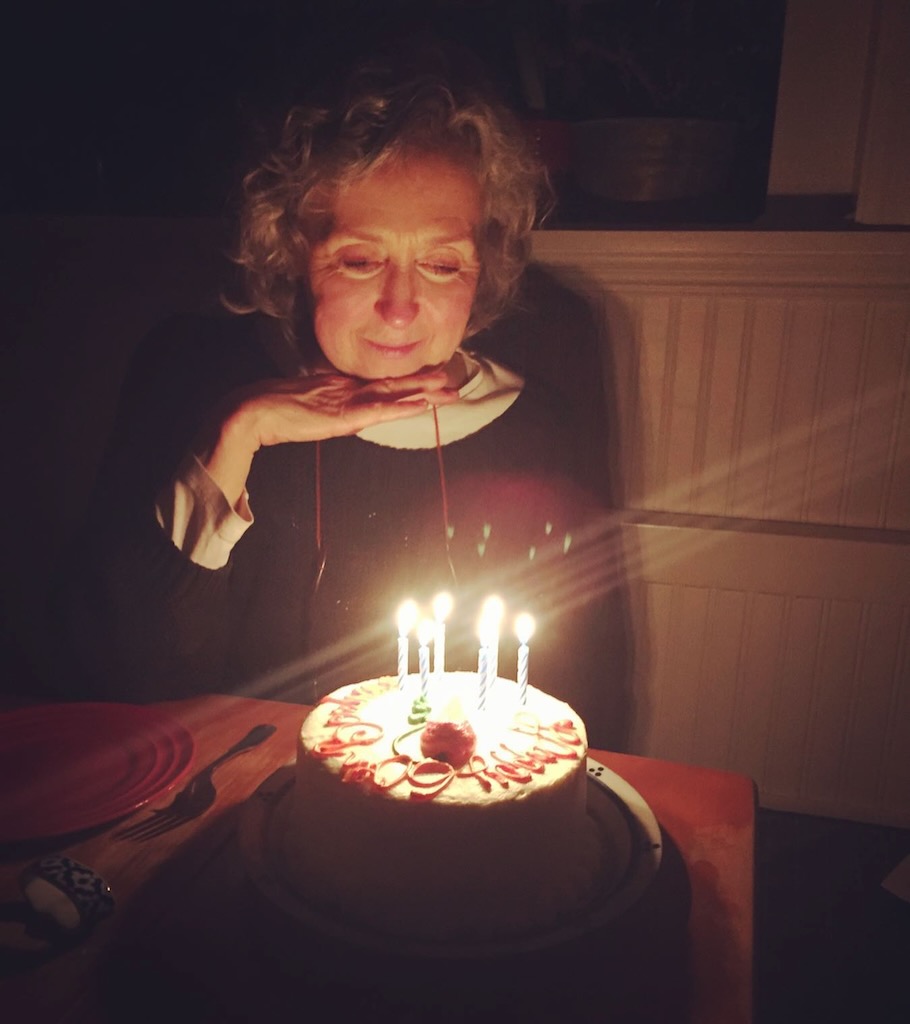
when i take a deep breath in tonight, and close my eyes to make a wish, there is only one wish i’m wishing this year: i wish for a birthday next year.

that’s everything, really. 

i’ll be wishing so hard.

it’s a wish that feels so far away. and so very big. like i’m asking for the moon. 

it’s a wish that carries a secret. one the sages and prophets and poets have known for a very long time.

it’s a paradox wish. it’s a koan. it’s a wish that makes you think. perk up and pay attention. root around for the wisdom, the immutable truth.

truth is, it’s even bigger than it seems. it’s a russian doll of a wish. one of those ones with umpteen tiny-grained wishes within. grain by grain by grain we make it across a year, and year by year a lifetime. 

a birthday next year. 

doesn’t sound like too much. but, oh, it’s infinite really. 

the blessing of cancer––and yes there are blessings, ones the sages and prophets all seem to have known without needing the verdict, without the scalawag cells lurking in shadows, cells that can’t wait to divide and multiply and muck up the works––is that it rejiggers your seeing. it’s the psychophysics of vision: when range is narrowed, acuity’s heightened. you learn to look not too far into the offing; you learn to look more closely than ever at whatever it is that’s right there before you. and, thus, you see all the more clearly the finest of grains all along the way. 

the fine grains are where the wonder, the magic, the awe, are kerneled inside, awaiting their turn to burst forth, to be seen, savored, not left by the wayside.

life in the up-close, life when we’re listening for whispers not waiting for timpani, is how we come to know the most sacred grain therein. 

in wishing for one more birthday––please God, just one is all i’m wishing this year (if wishes come true, i’ll wish it again and again and again as long as i can)––what i’m really wishing for are those tiny, tiny moments that strung onto a cord make for one holy rosary.

within my one moon-size, more-than-anything wish, here are some of the grains nestled inside:

i wish for the holy, holy sound of one or both of my boys calling me at some unlikely hour to tell me one of their dreams has come tumbling true. or at least the latest chapter therein. and before they’ve uttered a word, i’ll know from the sound of their breathing that the news that’s coming is good. and, dear God, i don’t wanna be stingy but i’d sure love one or two more of those sweet, sweet jubilant sounds.

and while i’m wishing, i sure wish i get to hear the rough draft versions of those dreams, as they’re in the making, as my boys try them on for size and dare to let me in on the beta versions.

i wish for their soft, big hands to wrap around my now-more-wrinkled littler one––to hold me steady, be it a cobblestone walk or life’s herky-jerky jolts tipping me over. 

i wish for one of those early mornings where no one is stirring but me, and the dawn hasn’t yet rosied the sky, and the biggest decision i’m called to make is which mug should i pull from the shelf.

i wish to sink my teeth into the sweetest strawberry of the season. ditto the crispest apple of fall. and the juiciest of august’s tomato. 

i wish to run down the airport corridor one more time and into the arms of my faraway boy, all while loudly belting out, “it’s been five years!” (even when it hasn’t been), only because all the good souls slumped in their hard plastic seats deserve a little airport sentimentality. even if it’s improv, and utterly fiction. and because there’s nothing i love so much as the arms of my boys wrapped round my shoulders.

i wish to come to the last page of a book with tears rolling down my cheeks, not yet wanting to say goodbye to characters i’ve come to love. 

i wish to sit down to dinner with only the one i love, or to a table filled with nearly a dozen i adore. 

i wish to exhale that one cleansing breath when the last of the dishes are done, and all that’s left is a long evening of laughter and stories and loving.

i wish for the sound of the crackling logs on the fire.

i wish to wake up one morning and remember there is not a single worry weighing me down.

i wish i could gather all the people i love—or just a good handful––and plonk down at a table where no one tries to corner the conversation and everyone takes a generous turn. and by the time i’m getting up from the table, i am marveling once again at the goodness, the depth, the hilarity of the vast human character.

i wish i could stand under the stars and behold the star-salted sky.

i wish i could pray so deeply that i felt the shoulder of God brushing against me. or catch myself walking alone in the woods and feeling a shaft of light break through the boughs, and sense that i wasn’t one bit alone, but that the God who i love was leading me forward.

i wish for those beautiful blessed souls who populate hospitals in the unlikeliest spots, the ones who radiate the gift of making you feel so deeply seen. and safe. and cocooned.

i wish for a sermon so stirring it breaks me into tears. 

i wish to hear the soul-stirring sound of the deepest laughter there is from the people i love who laugh the heartiest laugh, the sort of laughter that runs tears down your cheeks. and makes you gasp for a breath.

i wish i could answer the knock at the door and be just the person that someone needs, the shoulder to cry on, the arms to hold them steady, the one to dry the tears.

i wish i could wake up one morning and read a headline that makes me believe the good guys will finally, finally win. and that plain old gentle kindness and the raw courage to speak up for what’s fair and right and just will bend the arc toward justice once again….

that’s enough wishes for one russian doll of a wish, though the truth is i’m only beginning…


i found a few nuggets to launch this holy new year, all worthy of contemplation. the first is from the writer suleika jaouad, a comrade on the cancer road (and wife of the brilliant musician jon batiste). she’s suffering godawful setbacks these days and i’m holding her in my every day’s prayers…:

This year, we’re contemplating and reveling in the idea of magic. It’s based on a theme I’ve found myself returning to: the need to let go of the fear of the unknown and instead to open ourselves up to the mysteries and the magic of the unknown. That’s my constant work—and in this time when our world feels more uncertain than ever before, I’d venture to say that it’s all of our work.


from the inimitable mystic and theologian henri nouwen who guides my every day:

Born to Reconcile

If you dare to believe that you are beloved before you are born, you may suddenly realize that your life is very, very special. You become conscious that you were sent here just for a short time, for twenty, forty, or eighty years, to discover and believe that you are a beloved child of God. The length of time doesn’t matter. You are sent into this world to believe in yourself as God’s chosen one and then to help your brothers and sisters know that they are also Beloved Sons and Daughters of God who belong together. You’re sent into this world to be a people of reconciliation. You are sent to heal, to break down the walls between you and your neighbors, locally, nationally, and globally. Before all distinctions, the separations, and the walls built on foundations of fear, there was a unity in the mind and heart of God. Out of that unity, you are sent into this world for a little while to claim that you and every other human being belongs to the same God of Love who lives from eternity to eternity.


and, not least, my favorite, favorite after-Christmas prayer-poem from howard thurman, a prophet of his time. . .

The Work of Christmas

When the song of the angels is stilled,
When the star in the sky is gone,
When the kings and princes are home,
When the shepherds are back with their flock,
The work of Christmas begins:


To find the lost,
To heal the broken,
To feed the hungry,
To release the prisoner,
To rebuild the nations,
To bring peace among others,
To make music in the heart.

— Howard Thurman

what one wish will you make this year? (you needn’t reveal here, of course!)

bless you, each and every one for making this year more blessed than you might ever imagine. you have been there for me at every turn. even when you did not know it. and i am forever blessed by you.

p.s. photo above is from a few years back, but it captures the depth of a wish being cast to the stars and the heavens above….

pay attention to this one most blessed day. . .

i am sitting here in a shaft of golden light spilling across the worn planks of this old maple table. i am looking out at a world ablaze in iterations of gold. as if the world out my window is a benjamin-moore paint strip, all in the key of saffron. 

i sighed a deep sigh when i tiptoed down the stairs this morning, and filled my lungs with the glorious knowing that this day held no appointments. no doctors. no dentists. no needs to stand or sit in front of a crowd and talk about the words i’d poured onto a page. 

this day is a big blank slate. a slate to fill with the simple wonders of being alive. and i intend not to waste it, not a drop of it. and urgently so.

it’s the unintended gift of holding on for dear life to the life that you love with every cell of your being. 

it’s a day i might otherwise not have noticed quite so keenly. but i see more vividly now. the blessing of holding on dearly to life is that you see each new dawn for the miracle that it is. 

it might have been just another weekday. but suddenly, perceptibly, it is the answer to my deepest prayer, a day to simply be alive and breathing it in. every pore of it. the earthy rummesence of autumn leaves crisping and crinkling and falling in heaps to the ground. the last gasp of the garden, exploding in singular vibrancies that beg to be remembered all through the winter. the air, a mix of chill with undertones of heat as if the earth’s autumnal respirations draw forth the last breaths from summer’s stockpiled embers. 

to knowingly not waste a day is to live at fullest attention. while we can. while we’re upright and ambulant. 

sometimes we realize we shan’t take it for granted. 

sometimes we need a reminder. 

i am reminded. 

i am living inside a body that reminds me to savor it, to inhale it. to all but rub it over my skin, to  let it soak in through each wide-open pore. 

we all have days when our hours are clogged with the usual distractions. we forget the marvel of a friday reliably following a thursday. we look to the calendar as if it’s the sovereign of how we spend our time. we are chained and unchained. we’re obliged to to-do’s, and we forget that all the in-betweens might just be the hours we’re most deeply alive. we might, at any moment, put down the chores, surrender the assignments. we might seize the day in whatever outline or equation rises from the blur. 

we might call a friend whose voice we’ve not heard in too long. we might find a log in the woods, plop ourselves down, and keep watch––close watch. we might fill a bowl with the indulgences of autumn, the leaves and the seeds and the roots, all meant for seasonal sustenance. 

we might light a candle. sit in a shaft of sunlight, watching the dust motes ride the air. we might roll up our sleeves, or get down on our knees, and plant a few bulbs for the joy of it––for the allure and the promise and perpetual hope of the springtime to come.

more and more, one of the first prophets i turn to for wisdom is the incomparable maria popova, she of marginalian wonders. in a cataloging of eighteen wisdoms she’s extracted from her eighteen years of gathering wisdoms (she must have started her brain pickings––now re-named the marginalian––a mere two months before the first chair was pulled up, for we too are about to mark 18 years of chairing), she included this bit of wonder and wisdom that says it as beautifully as it might be said:

Choose joy. Choose it like a child chooses the shoe to put on the right foot, the crayon to paint a sky. Choose it at first consciously, effortfully, pressing against the weight of a world heavy with reasons for sorrow, restless with need for action. Feel the sorrow, take the action, but keep pressing the weight of joy against it all, until it becomes mindless, automated, like gravity pulling the stream down its course; until it becomes an inner law of nature. If Viktor Frankl can exclaim “yes to life, in spite of everything!” — and what an everything he lived through — then so can any one of us amid the rubble of our plans, so trifling by comparison. Joy is not a function of a life free of friction and frustration, but a function of focus — an inner elevation by the fulcrum of choice. So often, it is a matter of attending to what Hermann Hesse called, as the world was about to come unworlded by its first global war, “the little joys”; so often, those are the slender threads of which we weave the lifeline that saves us.

and she includes these lines from poet and former zen monk jane hirshfield’s “the weighing”:

So few grains of happiness
measured against all the dark
and still the scales balance.

and if all that isn’t enough joy stoking for the day, here’s one other wonder and wonder-soul i learned of this week at a book talk where to my delight and pure joy i was pointed toward good souls i fully intend to get to know more deeply and intimately. (i never cease to be amazed at the goodness lurking in utterly unexpected nooks and crannies of this world.)

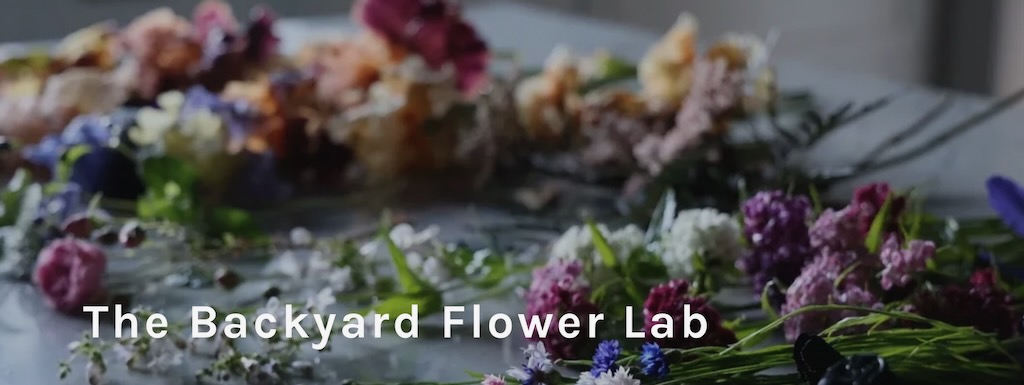
here is a woman—one with a PhD in human anatomy and cell biology, no less—who happens to live in a house with a four-acre flower garden who coaxes beauty from the earth for the sole purpose of giving it all away, filling the flower fridges at hospices and homeless shelters, and the larders at food pantries near and far. she calls it the backyard flower lab. and it sounds like a holy slice of sustenance to me. i intend to point my old wagon in the direction of her flower farm before the sun sets on this day, and i will see where the adventure takes me. her name is april potterfield (which sounds to be a perfect plucked-from-the-storybook name for someone who grows beauty for joy), and you can find her on instagram at @thebackyardflowerlab.

what prompts you to find joy and seize the slender threads of which we weave our lifelines? and what are some of your favorite ways of doing so?

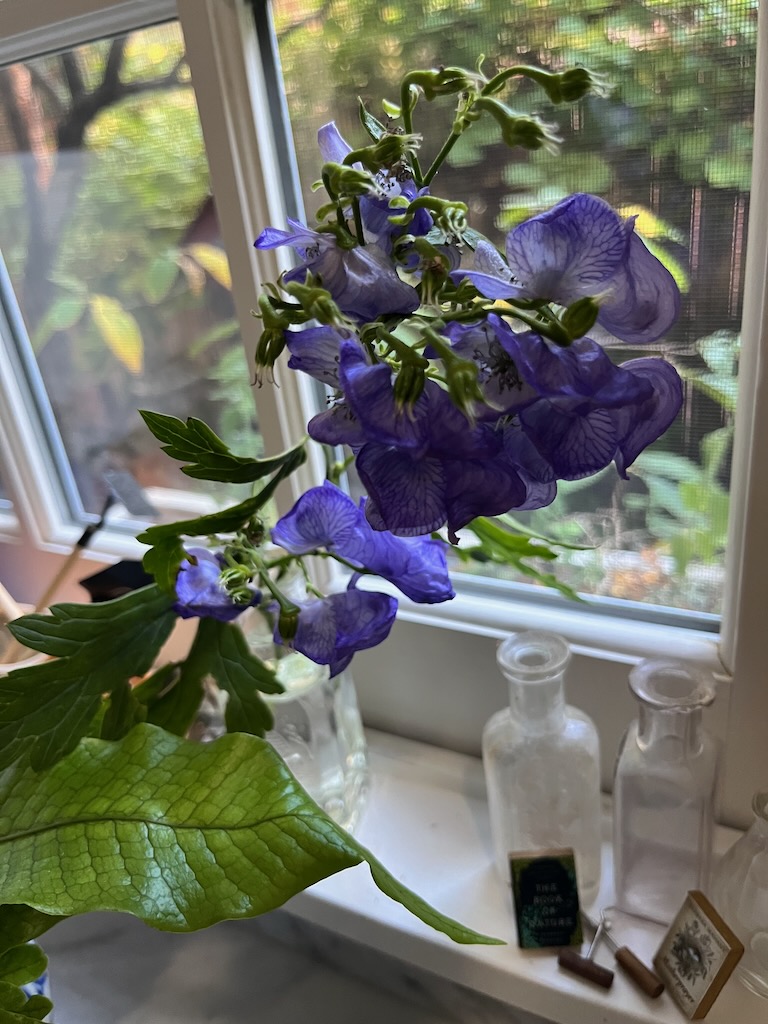
 the cobalt beauty perched on the windowsill above is an autumn vibrancy from my garden, the closing note of a summer’s-long love song. i call it monkshood, but it has other names: aconite, wolfsbane, leopard’s bane, devil’s helmet, or blue rocket. the name aconitum comes from the greek word ἀκόνιτον, which may derive from the greek akon for dart or javelin, the tips of which were poisoned with the substance, or from akonae, because of the rocky ground on which the plant was thought to grow.

deep thanks to maria popova who week after week for years now has filled me with wonder, with curiosities, and most of all with the breathtaking beauty of her intellect and imagination…

sunshine girl

i tend toward the grays. and i don’t mean the pewter locks atop my head. i refer here to my meteorological preferences.

i’m of celtic persuasion, which means a pigeon-colored sky, preferably with mists rolling in, a landscape without shadow, for clouds are in the way, that’s the sort of day that wraps me like an afghan dropped from heaven’s hutch, makes me feel cozied by the hearth, deeply much at home. 

give me a gray day and i all but purr. 

this week, though, has been anomaly. the sunbeams of this latest swatch of springtime have been pouring in full proof, and voluptuously so. sunbeams so pure, so concentrated, i’ve bridled the urge to stick out my tongue and lick them––as if a gelato on a cone. or gulp, as if a nectar in the most delicate cut-glass flute that ever was.

it wasn’t lost on me how novel it was for me to be fixated––and bedazzled––by the motes of sunlight shafting in. it shook me from some rafters i’d not even realized had boxed me in. i was paying attention to my paying attention. an attunement to the nth power. and the simple substance that transfixed me was but one of that elemental trilogy: sunlight, water, air. 

to live in a state of fine-grained attentiveness is the instructive of every sage or prophet who’s walked this sunlit earth. for us to notice celestial shifts, as winter turns to spring, as the great star is jimmied higher into sky, must be God’s rapturous delight.

and i must have been more sun-starved than i realized after a long and washed-out winter, for i couldn’t keep myself inside the house this whole week long. i was all but stripping bare my crepe-papery arms and legs, so my famished flesh could guzzle sun. and, every chance i got (and even those i didn’t have), i found myself down on my knees, at the garden’s edge, wherever tender growing things gave me excuse to coax and coddle and slapdash in the dirt. 

from nearly sun-up to sundown, i was out and about, clocking miles on my soles, slip-sliding along a river trail, dodging red-winged blackbirds who tried to perforate my noggin. and, when my legs and knees were tuckered out, i sat splotched in sprees of golden light as i perched, robin-like, atop a rock or stoop, keeping watch on flutterings in trees. 

i’m not typically a sunshine girl. despite a nomenclature suggesting otherwise.

my papa and me (aka his “sunshine girl”)

long long ago, there was a fine irishman––my witty papa––who pinned a moniker on me back in the days when i’d take him by the hand and maybe reach just beyond his knees. he called me his sunshine girl, his one and only, and it’s a name that makes my knees go limp even to this day. 

i’ve not heard his voice in 43 years, but i can see the glint in his eyes, the way the pilot light burned bright and brighter, as he warmed up to pronounce the words, deeming me his sunlit girl. 

i rather fail my reputation.

in the long years of his absence, i’ve grown more inclined to sunshine’s shadowless counterpart, the days some define as “the color of bad weather.” i protest, tend to be of a mind with leo da vinci, the polymath and painter, who insisted “a gray day provides the best light.”

though not this golden-glowing week. and not without exception.  

like the poets emily D and annie dillard, i like my light in slants, or as dillard put it once: “i’m a collector” of such angled penetrations. the oblique is how i see things best.

most days, pure drenched feels too exposed. the white light of summer’s height makes me wither. 

springtime, though, is tender season. and the sunlight comes in slant, in perfect concentration. and every once in a rare while, in days as delicious as the sun-drenched string that was this week, i’ll gulp my yearly dose of solar plenty. and i’ll gulp it without pause. 


speaking of sunshine and the irish, here’s a line that made me laugh aloud this week:

“the sad truth is that, like fish, the looks of the irish are not improved by sunshine . . .”

—Niall Williams, This is Happiness, page 193


and as is my wont, i’ll bring mary oliver into the conversation, as she came to mind more than once when i was down on my garden knees this week: in “the summer’s day,” she writes:

“I don’t know exactly what a prayer is. /  I do know how to pay attention, how to fall down / into the grass, how to kneel down in the grass, / how to be idle and blessed.”

and, lastly, i zoomed into a poetry conversation with the poet (and yale institute of sacred music professor) christian wiman the other day, and he was asked to read a poem that shocks right through him, and here’s the one he read: 

Prayer
by Carol Ann Duffy

Some days, although we cannot pray, a prayer
utters itself. So, a woman will lift
her head from the sieve of her hands and stare
at the minims sung by a tree, a sudden gift.

Some nights, although we are faithless, the truth
enters our hearts, that small familiar pain;
then a man will stand stock-still, hearing his youth
in the distant Latin chanting of a train.

Pray for us now. Grade 1 piano scales
console the lodger looking out across
a Midlands town. Then dusk, and someone calls
a child's name as though they named their loss.

Darkness outside. Inside, the radio's prayer —
Rockall. Malin. Dogger. Finisterre.

(the four names in the last line are towns called out on BBC radio’s nightly “shipping forecast” for the various seas around the british isles, waters divided into 31 sea areas, including rockall, malin, dogger, and finisterre. the broadcast litanies, especially the late-at-night ones, are for many britons––including carol ann duffy––a familiar touchstone: the announcer’s voice reciting the sea areas all around the islands, one by one, forecasting the weather. and, higher up, minims are the half-notes in a page of musical notation)

of all the meteorological options, which one most floats your boat? and how and why?

in which we pause to remember one who would bristle at being called the patron saint of anything. . .

She stretches from Sharon Olds’ Stag’s Leap to Christine Valters Paintner’s Dreaming of Stones on my bookshelf. Sixteen volumes in all. And that’s just the poetry. Doesn’t count her essays, housed on a whole other shelf. I am talking, of course, of the poet I call my “patron saint of paying attention.” Mary Oliver. 

You might also say she’s the poet master of astonishment. She breaks me out in goosebumps and wonder. Line after line after line.

Oh, I’ve heard her poetries dismissed for their “surface simplicity and populist reach.” But when it comes to stirring my soul, I’ve no need for the critics. I side with those who, as was written in her New York Times obituary, find that “her poems, which are built of unadorned language and accessible imagery, have a pedagogical, almost homiletic quality.”

I call them holy. 

Give me a writer who can write of the “uncombed morning,” or confess that “sometimes I am that quiet person down on my knees.” Or cobble together words into a stanza that reads: “All things are inventions of holiness / Some more rascally than others.” Give me that writer and I’ll hitch my starship any last day.

These days, this long hard season, I seek saving grace wherever it falls. I find it in an evening’s sky punctuated by dragonflies drifting and darting in parabola. I find it in any sentence that ends “unlikely distant metastasis.” And I most certainly find it in the poet who reminds me: “So quickly, without a moment’s warning, does the miraculous swerve and point to us, demanding that we be its willing servant.” 

Count me willing.

Emily D. taught me to look for and love the slant, the wisdom that slides in on a steep-edged, improbable angle. Mary O does that every time. I am reading of a bluefish being washed at the water’s edge, and suddenly I am remembering to be on the lookout. To find God, the Holy, in all of creation. Or, as Emerson put it: “To attend all the oratorios, the operas, in nature,” in life, in the day upon day. 

Mary O is the one who puts her ink to the sacred as it spills across creation’s page. How else to describe the one who, when writing of a lone seal pup found on a desolate beach, muses: “. . . maybe / our breathing together was some kind of heavenly conversation / in God’s delicate and magnifying language, the one / we don’t dare speak out loud, / not yet.”

Pay attention to how she places that very last line. The barbed last hook. The one that sticks in your craw just a little bit longer. Whispers a gossamer faith. Mary O was a theologian of the barest brushstroke. You’d barely know you were shaken, but then you quake through to your deepest marrow. 

Mary Oliver’s birthday is September 10. She would have been 88.

And here, in her poem “Messenger,” she describes her life’s work:

My work is loving the world.
Here the sunflowers, there the hummingbird—
equal seekers of sweetness.
Here the quickening yeast; there the blue plums.
Here the clam deep in the speckled sand.

Are my boots old? Is my coat torn?
Am I no longer young, and still half-perfect? Let me
keep my mind on what matters,
which is my work,

which is mostly standing still and learning to be
astonished.
The phoebe, the delphinium.
The sheep in the pasture, and the pasture.
Which is mostly rejoicing, since all the ingredients are here,

which is gratitude, to be given a mind and a heart
and these body-clothes,
a mouth with which to give shouts of joy
to the moth and the wren, to the sleepy dug-up clam,
telling them all, over and over, how it is
that we live forever.

—by Mary Oliver


Seeing Not Looking

Celtic scholar Esther de Waal considers Thomas Merton’s practice of contemplative photography:   

Thomas Merton was of course a writer and a teacher, and a poet, but he was also a photographer, and it is from his photographs that we learn much about how he saw the world, and how he prayed—and the two are of course intimately connected…. He handled a camera as an artist would, and used it as an instrument of delight and perception. It was in the later 1950s that the journalist John Howard Griffin [1920–1980] visited Merton in his hermitage. He had his camera with him and … let [Merton] keep it on extended loan. At first when Merton sent him the negatives, John Howard Griffin was puzzled, for [Merton’s] view was so different from that of most people. Merton photographed whatever crossed his path—a battered fence, a rundown wooden shack, weeds growing between cracks, working gloves thrown down on a stool, a dead root, a broken stone wall. He approached each thing with attention, he never imposed, he allowed each thing to communicate itself to him in its own terms, and he gave it its own voice.  

Later on when he was out in the woods with a young friend, Ron Seitz, both with their cameras, Merton reprimanded him severely for the speed with which he approached things. He told him to stop looking and to begin seeing:  

Because looking means that you already have something in mind for your eye to find; you’ve set out in search of your desired object and have closed off everything else presenting itself along the way. But seeing is being open and receptive to what comes to the eye…. [1] 

He used his camera primarily as a contemplative instrument. He captured the play of light and dark, the ambience, the inner life. But above all he struggled towards an expression of silence through the visual image, so that his photographs show us that ultimately his concern was to communicate the essence of silence. 


it’s the month of Elul in the Jewish calendar, a month for accounting of the soul before the high holidays, Rosh Hashanah, the new year, and Yom Kippur, the day of atonement. i’ve been deep in soulful accounting, and bring along this prayer from the blessed Rabbi Nachman, who taught that life should be lived with joy. and centered in prayer.

A Prayer of Rabbi Nachman of Bratslav (1772-1810)

Grant me the ability to be alone;
may it be my custom to go outdoors each day
among the trees and grass – among all growing things
and there may I be alone, and enter into prayer,
to talk with the One to whom I belong.
May I express there everything in my heart,
and may all the foliage of the field –
all grasses, trees, and plants –
awake at my coming,
to send the powers of their life into the words of my prayer
so that my prayer and speech are made whole
through the life and spirit of all growing things,
which are made as one by their transcendent Source.
May I then pour out the words of my heart
before your Presence like water, O God,
and lift up my hands to You in worship,
on my behalf, and that of my children!


hummingbird photo (above) by shelia zimmerman, sister of my beloved late friend mary ellen sullivan, may her memory be a blessing, (and it is. every day.)

happy blessed sunday birthday to a personal patron saint of mine, mark burrows.

looks like i was in the mood for capitals this morning, maybe just to prove i know how to find the shift key. hope you don’t mind the tall letters every once in a while. i do understand how it makes a sentence filled with proper nouns a bit easier to read…..

let’s play a bit of book group: what are some of your favorite Mary O lines, or words, or phrases?

p.s.s. i almost forgot: i’m taking The Book of Nature on the road this weekend. sunday afternoon, in fact, when i’ll be at Winnetka’s Book Stall at 2 p.m. for a book talk canceled last spring and now back on the calendar. problem is my little voice has gone missing again, and my vocal cord injections are on the books for tuesday, so it’ll be a bit squawky but the show must go on. it’s also Printers Row LitFest this weekend, so lots of getting pulled in several directions. wherever you are, have a lovely blessed almost-autumn weekend.

summer’s dalliances and a hodgepodge of other curiosities

some thoughts on summer attention: 

carrying a tray of napkins, forks, and knives out to the summer porch the other night, i noticed a silence. a new silence. the cicada, my favorite understory of sound signaling summer starting to close, had gone quiet. instead there were crickets, only crickets, relatively placid compared to the frenetic energies of the cicada, who are mortally pressed for time with only 24 hours to wake, procreate, and succumb. 

summer’s waning, i thought. and, darn, i missed the last chirr. 

(turns out the day it was quiet was a day less than 80 degrees, and the next day when it warmed up, they were back again. makes the pair of amateur entomologists who dwell in this old house think that maybe the ‘cadas had snuggled under their blankets, put their fiddles and strings in a case, awaiting a day with a little more burn in the air.)

straight off, it made me think of a glorious essay i’d read some months ago about paying exquisite attention, paying such exquisite and fine-grained attention that one is attuned to even the moment the cicadas cease their clattering, silence their love song. i’ve searched and searched all week for that misplaced essay, and can’t find it anywhere (maybe i too should call in the FBI for a search of my basement storage room). 

but even without the essay in hand, it still made me pause to think hard about those barely perceptible miracles that constitute the whole of each day. and made me construct my own litany of things worthy of my attentions: 

the moment in spring when the grass sheds its winter brown and slips on its verdant green.

the moment the nestling takes flight.

the moment the monarch emerges from his cocoon.

the moment the wedge of moon fades away in the dawn.

what if we were to notice? what if instead of numbly whirring through time we slowed to adagio and drank in even a half (or a teaspoon) of the everyday dose of miracles and wonders? what if even once a day we counted one thing we’d otherwise not see, not hear, not sense? what if we awoke to the mystery that’s animating every minute of every hour, day after day, year upon year? 

isn’t to see, isn’t attention, the first step to devotion? wouldn’t our life be infinite unfurling prayer if, as often as we breathe, we were awake to blessing?

have you noticed the day when the tomato turns just the right red for plucking?

have you heard the first or last note of the cardinal at the dawn or at nightfall? the moment when silence gives way to sound, or sound to silence?

have you noticed the firefly turn off its blink for the night? 

have you noticed the someone who’s hoping you’ll sit down and listen to one of his or her stories? 

the summer is fleeting, it’s begging we notice….


wee bouquet

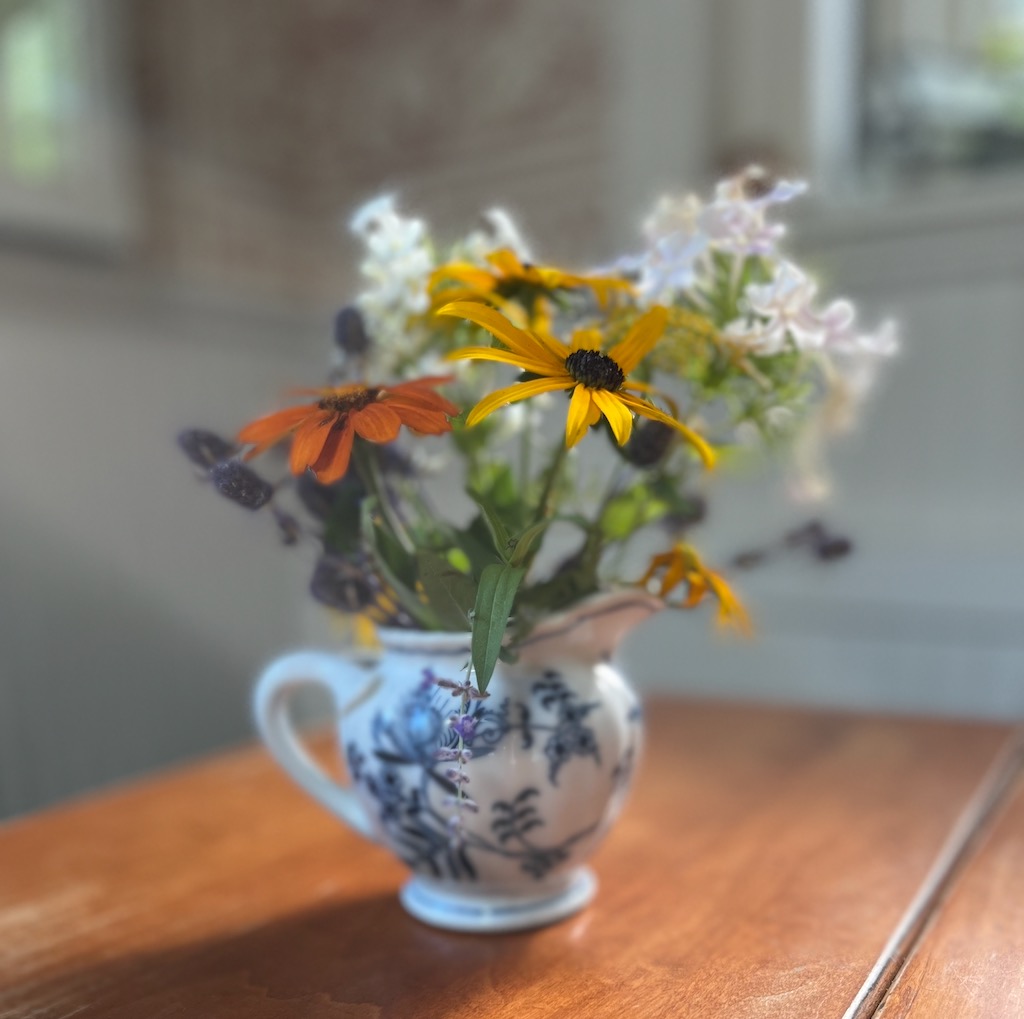
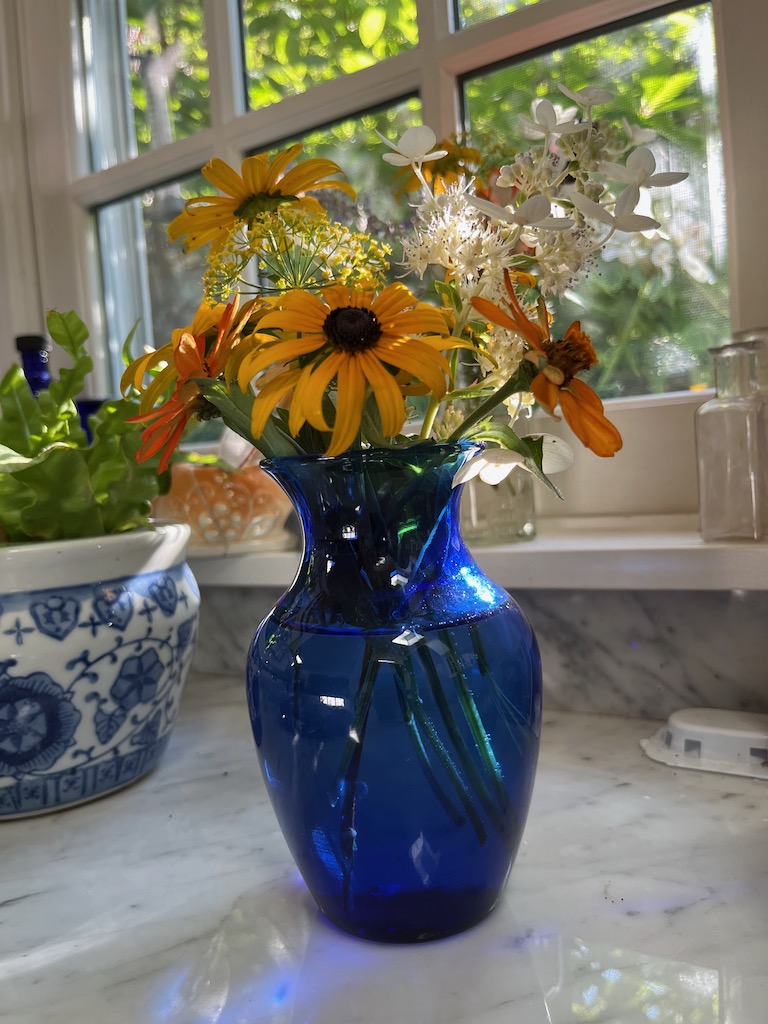
summer dalliance: i’ve a thing for little bouquets; always have (ever since my mama taught me to pick lily of the valley or daffodils for the teacher, wrap them in wet paper towel and then a sheaf of aluminum foil wrapped tight into a baton). i love to pluck blooms from wherever i traipse in the garden or alley, and tuck them loosely into jars or pitchers or wee tiny vases. i find the gatherings of color and form, petal and leaf, tickle my fancy. so i pluck and i tuck with abandon. and then i scatter my abandonments all over the house. 


book news: hardest task of the summer for me, far harder than scanning pages for blips and bloops, was sending off queries to authors whose work makes me tremble it’s so dang good. i was instructed to ask these legends to read my book, and send back a few words of kindness, a thing in the book world called “blurbs.” it was an instruction that trembled me. but the task, now completed and turned in to my editor, might have taught me a thing or two about being brave. and the kindness of pure strangers. i can’t pull back the covers on what they wrote (not yet anyway), but i can tell you to whom i will forever be grateful; most especially to: Pádraig Ó Tuama (the poet, peacemaker, and host of Poetry Unbound from OnBeing Studios), Scott Weidensaul (ornithologist and best-selling author of Living on the Wind and, more recently, A World on the Wing), Bill McKibben (environmental activist and legendary author), Rabbi Rami Shapiro (poet and podcast host who wrote skeins of prayer in our synagogue’s prayer book), and Mallory McDuff (another environmental activist and author of Love Your Mother: 50 States, 50 Stories, and 50 Women United for Climate Justice). equally kind, though they wrote back to say their plates were too jammed, include terry tempest williams (brilliant essayist and conservationist), susannah heschel (scholar and daughter of the late great rabbi Abraham Joshua Heschel) and margaret renkl (a New York Times columnist who often writes about things i’ve been thinking), belden lane (theology professor emeritus and esteemed author), and fred bahnson (brilliant essayist). a few, who shall remain unnamed, never wrote back. oh well. the kindness of those who did is what will glow into the evermore…..


reading nook:

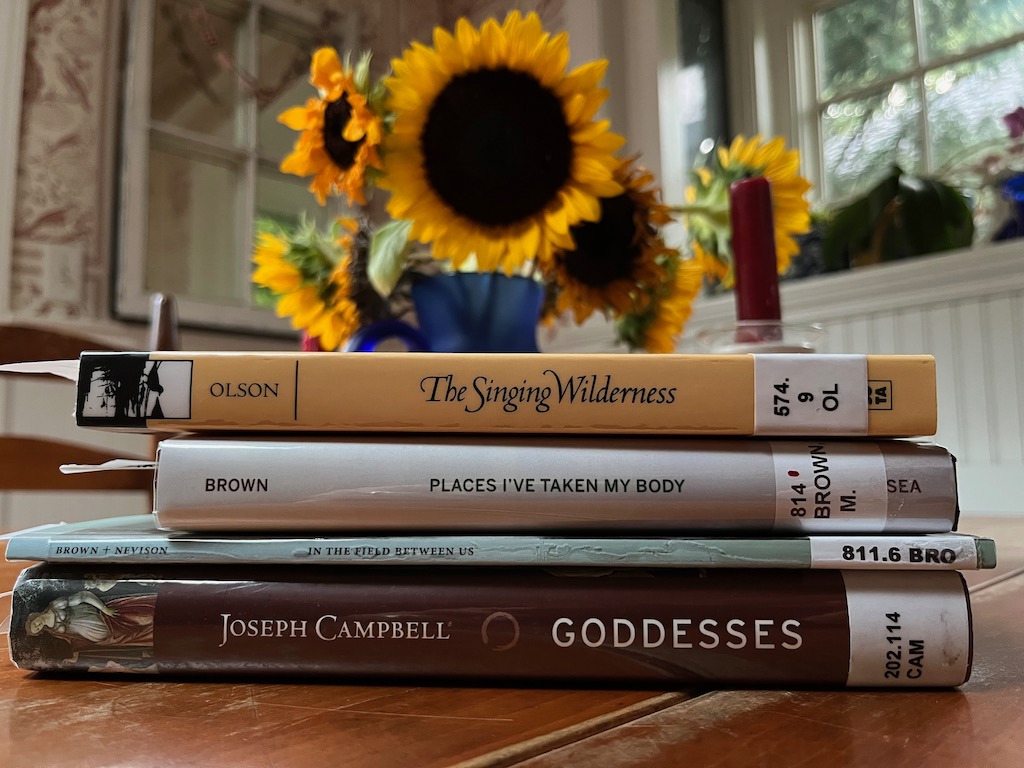
technically, i’m between rounds of page proofs which gives me time to indulge in my rabbit-hole school of reading, which this week has lured me into the writings and poetries of molly mcCully brown, a brilliant essayist and poet born with cerebral palsy who writes unforgettably about her intractable and ever-changing body, and who makes us think hard of the miracle of mobility, something we might take for granted unless we too were faced with a flight of stairs or an ancient cobblestone lane that kept us from the places we so longed to enter. somehow i’d never before known of sigurd olson, called “one of the great environmentalists of the twentieth century,” who wrote of the boundary waters, the northwoods, and the surrounds of lake superior. he won the john burroughs medal (the most esteemed prize in the world of nature writing) and made me think i just need to read my way through the lifetime list of winners. i’m beginning with The Singing Wilderness, described as the most poetic of his nine published books. on its back cover, it’s described as “an essential antidote to the trials of modern life.”


what’s cooking:

i find myself dizzy with summery sides from the vegetable patch this summer: corn, tomatoes, cukes, purple onions, frondy fennel (the crunch with a tassle), basil, basil, more basil. doused with vinegars, olivey oil, lemons, limes, oranges, and now a curious new douser: chili crisp, a sauce that’s sweeping the country, straight from the kitchen of Tao Hubi, owner of a popular Guizhou province noodle shop in China, who began selling her famed homemade chili sauce under the name Lao Gan Ma (found at whole foods, and, yes, on amazon). apparently the summer’s salady hit is nothing more complicated than tomatoes tossed with a splash of rice vinegar, a glug of olive oil, a pinch of flaky salt, and a generous spoonful of the magic sauce. it’s the gist of height-of-august deliciousness. and it’s called chili crisp tomato salad.

here’s an amazing twist on plain old green beans…

Side of Beans (Green):

from The Cordony Kitchen (Amanda Cordony is an Australian food stylist and recipe inventor, and she’s amazing!)Cook time: 4 mins | Prep time: 5 mins | Serves: 3 (as a side)

Ingredients
2/3 cup green beans – top and tailed
3 Tbsp + 1 tsp. olive oil
2 garlic cloves – minced
1 orange – zest and juice
1/4 cup of raw almonds – roughly chopped
 pinch of chili flakes

Garnish:
Mint leaves, olive oil

Method.
1.
Get a frying pan on medium to high heat with olive oil. Place your beans, garlic, orange zest, orange juice and sea salt. Stir for 2 minutes.
2. Take off the heat and sprinkle in the almonds and chili flakes.
3. Serve and add mint leaves, olive oil, salt, and pepper.


so those are the curiosities of the week, as i get back to proofing later this morning. thanks for indulging my gazetteian tendencies these past few friday mornings. i believe only one more week and then i send off the proofs to the printing presses, where they will whir off the presses and onto real pages….

what are the curiosities and wonders that strike you at august’s peak? and what will you notice that you’d otherwise miss?

p.s. happy height-of-august birthday to our very own hardshell aficionado and keeper of wisdoms, karen the wonder woman, whose birthday is any day now, though i don’t know which….

there is no peace

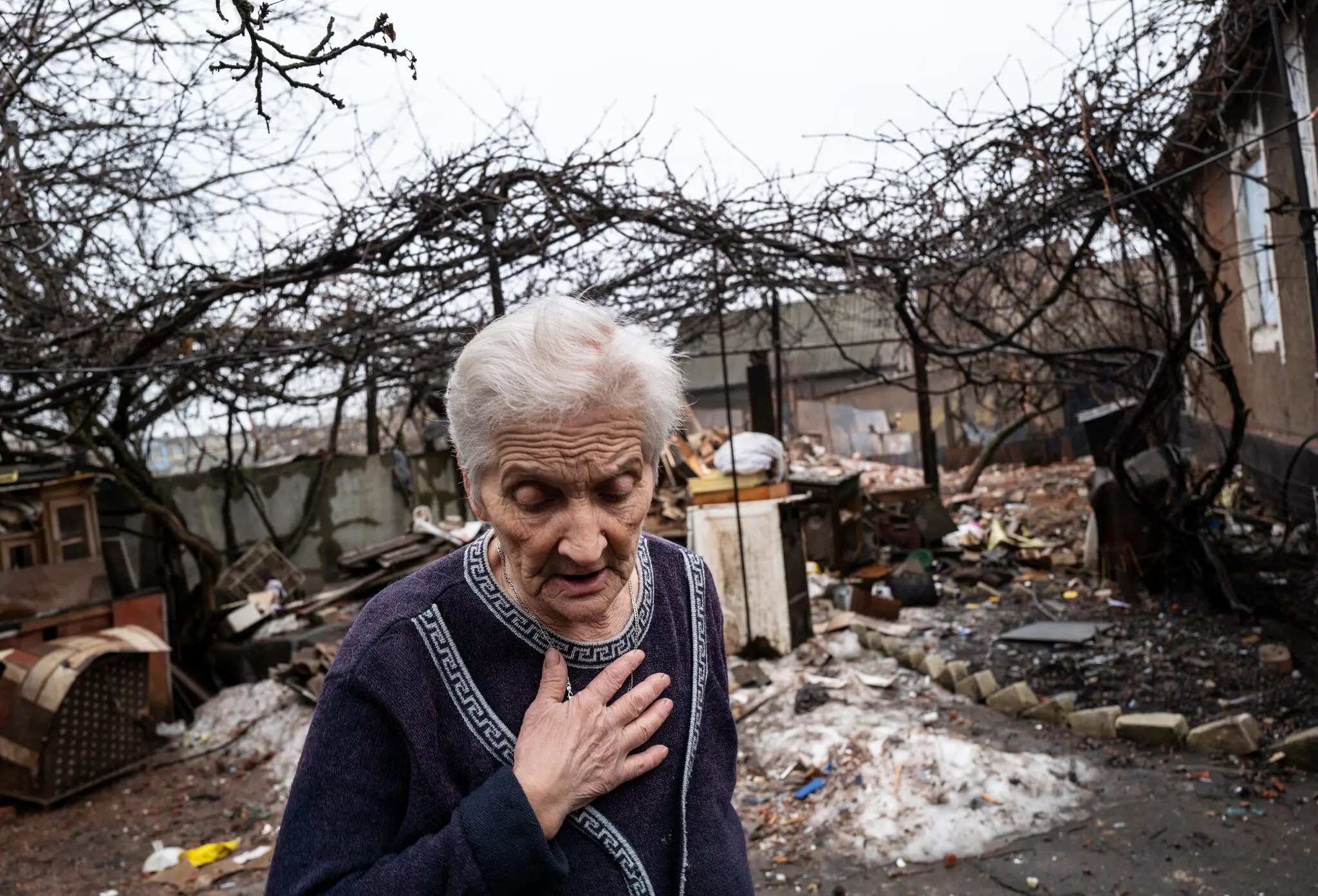
in eastern Ukraine, a woman standing in the ruins of what had been her backyard; photo from lynsey addario for the New York Times

we can’t get away from it, nor should we. as bombs rain from the sky, as hospital wings are mortared, and women in labor carried away, who are we to wonder which can of soup we might open? or which load of laundry to do?

as bodies in masses lie bloodied and dead in the road, escape made folly, how dare we flip through the page of a magazine, looking for words to carry us off? 

as old people, too frail to leave home, are shivering in their now windowless houses, neighbors cutting down trees, building fires for heat and for cooking, boiling snow for buckets of water, who am i to complain about all the times in a week i have to run to the grocery?

those are the questions, some of the questions, that plague us in this war time. war a word that now shrieks from the page. it should have shrieked sooner, shrieked louder, i fear. or maybe i just wasn’t listening, quite closely enough. wars until now have mostly not woken me in the night. but now the war does. 

i’m barely awake in the the murky hours of darkness, and the gnawing dread and the weight of this war are close enough to the thin icy edge of my consciousness that one little stirring brings it all back to mind, to heart. i’m fully awake then, startlingly so. 

i know, because the math now comes without pause, the eight-hour time calculation, i know that in the deep of my night it’s morning in kyiv, and bombs must be pelting again, so how can i go back to the business of sleeping? what if, while i keep my eyes closed, a child is lying cold and afraid––in a half-frozen field, at the back of a church, in a house ripped to shreds along with everyone else who’d been under its roof? except for that one lone child now trapped in the cold grip of terror.

i might sit in an armchair not long after dinner, and it might seem like i’m looking ahead, at the screen where a show rolls along, but i’m not paying attention. i’m wondering what it must feel like to count yourself blessed for crossing a border and leaving all else far, far behind. 

there is no peace on the planet. 

the very words war and peace now carry a weight that expands far beyond what had become almost a throwaway sense. i don’t think i realized before just how much volume they hold. i think i mostly dismissed them. considered them words mostly just holding a place. words with a hint of amnesia. words stripped of their grip on us. 

prayers for peace now hold a meaning that used to escape me. i imagine the day when the bulletin breaks, and we might hear the words, war ends. i pray for that day. i pray mightily. but i am wondering now how prayers in the holocaust felt? 

what prayer do you pray as you count the last seconds you breathe? i pray it’s a good one. and i pray even more that it’s heard on the other end. 

i imagine God is distraught. i know i am. i know nearly every last someone i know is. if they’re paying attention. paying attention to me is a prayer, so i pray it day after day. there are days when i want to turn off my attention. slink off to a safe little cove, wake up when it’s over. when the bulletin comes. 

in the times when my prayers are dried up, when my heart has run out of gas, i try to find someones stronger than me. someones who know how to keep going, how to stare fear in the face, how to not cover their eyes and their ears. i poke around looking for words to sturdy me, to steady my wobbly ways.

there is, so often, no better someone than the gentle-souled farmer who plows his own fields with draft horses and oxen down kentucky way. wendell is his name, wendell berry. and this poem of his––the last poem i read to a friend who was dying––is, like all the best prayers, a quiet wisp of a poem that slips in through the smallest chance it can find. i know this poem by heart, or pretty close anyway. but now, more than in a very long time, it reaches out from the dark and brings a most holy communion. 

i pray that some little child far off in ukraine might be wrapped in the whisper of wing that comes from a wild thing stirring. 

The Peace of Wild Things

When despair for the world grows in me
and I wake in the night at the least sound
in fear of what my life and my children’s lives may be,
I go and lie down where the wood drake
rests in his beauty on the water, and the great heron feeds.
I come into the peace of wild things
who do not tax their lives with forethought
of grief. I come into the presence of still water.
And I feel above me the day-blind stars
waiting with their light. For a time
I rest in the grace of the world, and am free.

Wendell Berry

from New Collected Poems (Counterpoint, 2012)

what brings you strength when you’re feeling wobbly, or weak in the knees?


lynsey addario, whose photo is above, is considered one of the greatest war photographers of the 21st century. she’s a fearless photojournalist, who focuses her work on conflict, human rights, and the role of women in traditional societies. she’s unflinching, she runs toward the scene, whatever it is, so we can all see. she was in the news this week because she took the picture of a family––a mother, her two children, and a church volunteer helping them run––dead in the road trying to escape kyiv. the new york times made the brave and important decision to run the photo–big–across its front page. addario, who is 48 and who was named a macarthur “genius” in 2009 , talked this week about making that photo; here’s what she said:

“I’m a mother, and I when I’m working, I try to stay very focused. I try to keep, sort of, the camera to my eye,” she said. “But of course, it was very emotional. First of all, I had just been sprayed with gravel from a mortar round that could have killed us very easily. So I was shaken up, and when we were told that we could run across the street by our security adviser, I ran and I saw this family splayed out and I saw these little moon boots and puffy coat.”

Addario added that, even though she felt it was disrespectful to take the photo, she thought that she had to.

“This is a war crime,” she said. 

and the world needs to see.

a note: i understand that for some it’s too painful to keep too close a watch. and i understand that our words can’t make a dent in the evil. but against the backdrop of suffering of this magnitude, i can’t imagine turning away.

it’s get-on-your-knees season

from a distance, that is from this side of the windowpanes, where i tend to stand huddled in layers of wraps, it all looks like a matrix of unenlightened brown sticks. these are the weeks when winter has ground us down to particular dust. the pandemic, too. even with a shot in the arm we’re not exactly lying by the side of the pool, sipping our lemony-ades. the name for this stretch of the year might easily be mistaken for bleak.

but then, as i did this morning, you spy a runaway screen from an upstairs window, one that’s worked itself loose and taken a short hop skip and a jump off the roof and landed in the boughs of the trees. so, you, as i did this morning, you climb into your muck-about clogs, you haul out a ladder and you fetch the runaway part of your house. and while you’re out there, while you’re the wacky neighbor lady out climbing ladders at dawn, chasing after screens in the trees, you begin to notice things.

you notice that, once you’ve hauled out your magnifying lens, it’s not really all bleak. there is gazillions of action out there. why, there are sweet little clasps of leaves, gathered in prayer. and there are frilly umbrellas of green rising up from the detritus of winter.

and, like any self-respecting payee of attention, you start to put two and two together, and you start thinking maybe you could pick up a thing or two from this quiet explosion erupting from dear planet underground. maybe it’s not so bleak after all. maybe this is the season of quiet delight. maybe the starting all over again is kicking into high gear. maybe the same old same old is about to slow to a crawl, and one day soon this will all be but another badge on our we-survived-even-this sash. we’ll be sitting around in our rocking chairs, swapping tales of remember-the-year-we-were-afraid-to-touch-our-groceries? remember the year no one came home for christmas? remember the year we all sat down at our sewing machines and stitched together swatches of cotton or t-shirt, stuffed vacuum cleaner filters into the pockets?

the miracle is we’ve lived, the just-by-chance ones among us who weren’t done in by the terrible, horrible, awful red virus. i wasn’t there on the front lines, where friends of mine who are nurses and doctors faced it head on, walked into the dirge of it, day after day. i hope, for the life of me, we never forget what heroes they were, and how even the checkers at the grocery store had to dig down for a brand of courage they never thought would be part of the job of stacking cans on shelves, or ringing my celery over their scanner. and every time i read a story of someone felled by it, i look around and realize this world has lost one more incredible one-of-a-kind miracle. maybe reading all the obits is in the oddest of ways a reminder that lurking behind the facades of all the anonymous anyones we pass every day, there is inside a story of glorious wonder that might put us all in our places. maybe it’s why, once upon a time, i loved to be asked to write someone’s obit. because each and every someone has a story to tell. a story to make you sit up in your chair and take notice.

it’s not too unlike the scene out my window. from a distance it all looks bleak and windblown and soggy. but when you bend down to the ground, take a close look, you see something utterly beautiful. you see even the dew gathered in drops at the ends of each leaf. and you remember that life asks over and over again: open your eyes, open your heart, beauty abounds.

what’s some of the beauty you’ve noticed? on your knees or otherwise?

and while i’m here, a string of birthdays of aries who’ve twice had to blow out birthday candles during pandemic: happy birthday to two of my most beloveds, tomorrow and sunday, sweet P and auntie M, who i think were born back to back to emphatically wondrously remind me how glorious it is to be alive in the same span of time as the two of them. double blessing squared. and to dear amy’s papa who is turning 96 today. i don’t even know him, but i adore everything i know about him, and oh we are blessed to know of his sweet and everlasting presence here on this earth. xoxoxoxo and huge blessings to a sweet baby boy born in san francisco yesterday, and to his mama who is starting this glorious adventure she has sooooooooooooooo long awaited. blessings abound. xox

the last cricket and all those other blessed moments we miss…

we’re ankle-deep in october already, and the woods and the skies and the last vestige of garden are enmeshed in the verbs of autumn: gilding, disrobing, graying, withering.

while the world all around is exulting in the yin and yang of the seasonal shift, lurching from summer to winter, hewing the razor’s edge of autumnal juxtaposition — the last vestige of bone-baking warmth to the goosebumps of dawn’s early chill — while the chipmunks are making like there’s an acorn-stuffing contest, and he with the bulgingest cheeks wins, and the chatter of sparrows rises some days to a deafening chorus, the last of the summer’s songs have vanished.

and i didn’t notice till now.

the blanket of cricket song, a rising crescendo that all but tucked me into bed each summer’s night, it’s stilled. silenced. taken away, tucked on a shelf somewhere, awaiting the heat of next august.

the last of the cicadas’ 24-hour love song for survival. it’s gone too. snuffed out. it too rose to a deafening roar, and then with the flick of a switch that i didn’t bother to witness, it melted away.

now, when you open your windows at night, there’s little to hear save for the possums knocking over the watering can. or the night winds rustling the leaves before they loose from the limbs.

what with all the commotion — of the world, of the news, of the worry — i didn’t notice the absence till i stumbled into the thoughts of someone who’s paying closer attention.

sacred attention, i’d call it, a religion i aim to practice.

i read these words, and felt the ache in my chest:

My intention every year is to listen for the last cricket, the explosion of silence after its ridged wings have struck their final chirp. I imagine it as somehow akin to Bashō’s temple bell whose sound, after the bell has stopped ringing, comes pouring out of the flowers. I have no reason for wanting to mark the occasion other than a poetic temperament and a feeling that the mindfulness required of such a task is its own reward.

The idea usually arrives in September when the crickets are at their most frantic. I toy with the thought of camping out the night it seems likely they’ll stop. I imagine myself keenly attuned to the hypnotic lull, aware that if I fall asleep, even for a moment, I could miss it. The novelty appeals to me. The invention of such an inconsequential drama. It would make no difference to anyone whether I succeeded, or if it took me years to accomplish. The achievement would be mine alone. Sometimes to up the ante, I imagine decades of failed attempts until maybe one night—when I’m an old man, stumbling, bearded, blind, bereft of all hope—a Zen-like oneness with the woods sets in and from nearby, under the bark of a rotten log, I hear the teeth of a cricket wing crackling the air, and listen, knowingly, as the world resolves itself in silence.

Steve Edwards, “The Last Cricket,” Orion Magazine, Autumn 2020

mr. edwards’ elegy to the cricket song made me think of all else that i’d missed. it seemed an exercise that drew me — and maybe you — into a necessary meditation. an exercise in paying attention, for this is our one sweet moment to clasp our gaze, and our listening, on the beauties offered up in this one ephemeral whirl around the blazing star.

it’s a canticle worth our attention.

have you noticed…

*the moon gliding across the sky, still clinging to its post as the sun comes along, both sky lights sharing heaven’s dome?

*the stars turning on, any one particular night?

*the moment when God hauled out his paint set and brushes, and the first leaf turned amber or garnet or the color of pumpkins?

*did you happen to catch the river of monarchs riding the winds, flapping their stained-glass wings as if their life depended on it — because it did?

*did you stare into the indigo darkness, into the etched silhouette of what looked like endless punctuation marks crossing the moon, the night the tens of millions of birdsongs flew overhead, miles and miles into their autumnal sweep southward?

*have you paused in genuflection when the chevron of geese called out from the heavens with their spine-tingling minor-key cries?

*have you watched the sparrows upholstering their wintry homes with blades of dried grasses and tufts of runaway cotton?

*have you found where the cardinal sleeps in winter?

it’s all the wonderment out our window, in the woods, in the world where we’re not looking. and all it asks is that we notice. that we pay quiet and unbroken attention.

it’s all we need some mornings to remind us the world is still intact. to remind us we’re safe in the bosom of this holy and most sacred earth. our ears pressed against its soft chest and the heartbeat of the One who keeps it working.

what wonderments have you noticed, from the autumnal litany above, or from the zillions of moments i’ve not even mentioned?

p.s. my sweet boy is still on the mend. slowly, slowly. tray by tray of home-cooked mac-n-cheese, bread pudding, applesauce and water bottles by the case. slow walks around the block. long interludes of napping in the quiet of leafy suburbia. it’s all aiming to get him back to college before the already abbreviated semester lurches to an end. thank you, so much, for your love and your care, and your prayers. xoxox (p.s.s. i was a wee bit late here this morning, because my friend, the patient, beckoned, and the computer was playing all sorts of tricks….)