pull up a chair

where wisdom gathers, poetry unfolds and divine light is sparked…

incandescence

There must be always remaining in every one’s life some place for the singing of angels, some place for that which in itself is breathlessly beautiful and, by an inherent prerogative, throws all the rest of life into a new and creative relatedness, something that gathers up in itself all the freshest of experience from drab to commonplace areas of living and glows in on bright white light of penetrating beauty and meaning — then passes.

— Howard Thurman

my relationship with time shifted this year. living does that. somewhere along the line, a rock is thrown. it shatters what it hits. and as you stumble to pick up the pieces, you start to see that you won’t get it back to what it was. the picture window is no longer. instead, the shards are what you hold. 

i’m beginning to practice gathering the shards, holding each to the light. being careful not to get cut on the sharp edges, the piercing edges. knowing the shards are what’s left, i find it easier to lift each one, position it in front of the flame, turn it this way and that, and watch for the incandescence. 

it’s called seizing the day. 

it’s why we watch babies, stare at them mesmerized. they are our sages, the ones whose every dandelion, every dust mote floating by, is a new encounter. can you imagine emerging from the dark wet womb and suddenly feeling fleshy arms cradling you, soft lips kissing you? can you imagine finally putting form to the face from which that one murmuring voice has been coming? 

babies seize everything because it’s all new. the rest of us learn to seize things when we start to realize they won’t last forever. 

if only we all realized how fragile a life this all is. we would be kinder to it. we would be kinder to ourselves maybe. we’d let go of the hurts that poison us. we’d shake off the fears that strangle us. we’d dig down deeper maybe, and let all the beauties out. and, critically, we’d let more in. 

and so, with my understanding of time now deepened, my frame of time shifted, i am more determined than ever, and finding it far less arduous, to step out of my old, afraid ways and into the incandescence of each and every shard. each and every blessing called “this day.” this holy day.

i am, as thurman writes above, keeping an ear out for the singing of angels, and allowing the bright white light of this most blessed life to enfold me, to behold the breathlessly beautiful. before it passes. 

where are you seeing the incandescent? are you letting it in?

and happy blessed blessed new year. while my seat belt is buckled for the year ahead, let us hold hands, and bump our way along, scaffolded by those few fine things we know to be immutable and imperative.

note to true wonder: the bottom photo i took driving home from your farm all those blessed years ago. yes, i drove and clicked. and how it happened, i still wonder. but that heartland panorama i do love. and the heartland farmer.

looking into the darkness

maybe it’s the darkness we’re meant to look into. deep into. maybe halves of the world go darkest once a year, so we become practiced. so not only our eyes but our souls learn to widen the aperture, to let in whatever droplets of light there might be. or maybe it’s the inky darkness itself we’re meant to wrap ourselves in. to not be afraid.

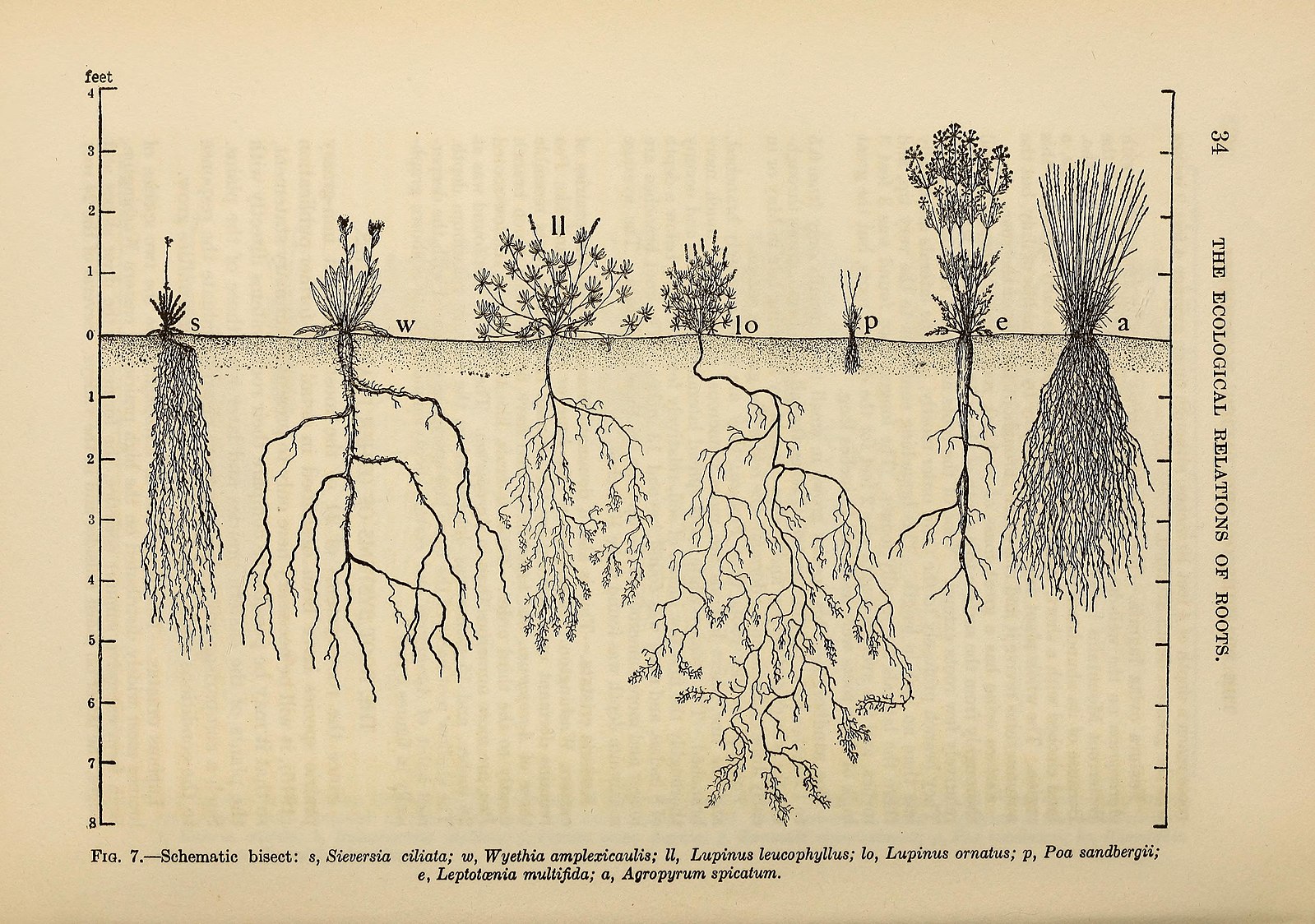
maybe we’re left to our own devices when the darkness comes — and it will come — so we learn to find our way. steady our wobbling, put meat to the muscle that holds us upright. in a lifetime’s ebb and flow of darkness and light, it’s the shadowed chapters that have made me the deeper parts of who i am. maybe we should all look to the roots wriggling down below the frozen crust of earth to see how it’s done, how the growing comes unnoticed, in the tabernacle of earthly darkness.

maybe we’d be wise to consider the hidden work of wintertide, the profound intelligence unfolding where eyes cannot see, where sense cannot reach.

in this year’s darkest hour, i can’t say i was up keeping night vigil, awaiting the nadir of night. i was not out in my yard, kindling sticks and dried-up old leaves, setting a bonfire to keep the darkness at bay. fact is, i was felled by a bug that did have me up moseying about the house in the wee hours, but not to contemplate the darkness.

what i did do, as is my wont (and i did it by daylight), was gather up words, snippets of poetry, that made me think about light and darkness, and the shimmering shards we need to find to keep from tumbling headlong into the abyss.

the world this christmas is dark indeed. more than ever, we need to light our way. and pray that our penumbra illumines the path of those who travel nearby.

a solstice offering…

Let the ordinary be in your hand;
hold it open and imagine a bird landing,
offering all it possesses in trust
to come to you.

Learn to look for the little things
that weigh nothing at all,
but fill the heart with such light
they can never be measured.

-Kenneth Steven*, Seeing the Light 


To go in the dark with a light is to know the light.
To know the dark, go dark. Go without sight,
and find that the dark, too, blooms and sings,
and is traveled by dark feet and dark wings.
 
-Wendell Berry


Holding the Light
 by Stuart Kestenbaum

Gather up whatever is 
glittering in the gutter,
whatever has tumbled 
in the waves or fallen 
in flames out of the sky,

for it’s not only our
hearts that are broken, 
but the heart
of the world as well.
Stitch it back together. 

Make a place where
the day speaks to the night
and the earth speaks to the sky.
Whether we created God
or God created us

it all comes down to this:
In our imperfect world
we are meant to repair
and stitch together 
what beauty there is, stitch it 

with compassion and wire. 
See how everything 
we have made gathers 
the light inside itself
and overflows? A blessing.


i keep watch on a few monastics who dwell in the heart of france. brother laurence, a modern-day mystic, sent along this the other day, a wonder of imagery from the winter’s solstice at Newgrange, a stone-age relic and world heritage site that rises from the earth not too, too far from the irish sea along ireland’s eastern shore. he sent a short video along with this short meditation:

“New Grange is a monumental 5,000 year-old burial mound in Count Meath, Ireland. At sunrise on December 21st, the first ray of direct sunlight from the new-born sun precisely, silently, enters the narrow aperture over the entrance, penetrates into the mound of solid rock and fills the inner chamber with golden light for seventeen minutes. Light overcomes darkness. It is irresistible and yet gentle. As it grows stronger with occasional surges, its intensity increases and the power of its beauty. It communicates purely by itself – the meaning of truth.

“I hope you can take time to watch this short silent video of the phenomenon. It captures a sacred moment, the revelation of God in nature. And it may give you a sense of how the light of Christ, the light of truth, actually enters and changes our world.” (Laurence Freeman, OSB)


and finally, for those among us who find the poetic to be a vessel of the ineffable sacred, this from a Paris Review interview with the late great Louise Gluck. i particularly swooned over the line that a poem “is like a message in a shell held to an ear”…:

From the beginning, Glück cited the influence of Blake, Keats, Yeats, and Eliot—poets whose work “craves a listener.” For her, a poem is like a message in a shell held to an ear, confidentially communicating some universal experience: adolescent struggles, marital love, widowhood, separation, the stasis of middle age, aging, and death. There is a porous barrier between the states of life and death and between body and soul. Her signature style, which includes demotic language and a hypnotic pace of utterance, has captured the attention of generations of poets, as it did mine as a nascent poet of twenty-two. In her oeuvre, the poem of language never eclipses the poem of emotion. Like the great poets she admired, she is absorbed by “time which breeds loss, desire, the world’s beauty.” –Henri Cole


*as this is the second Kenneth Steven poem in as many weeks, you can bet i am following his thread and will be finding out more about this scottish poet and children’s book writer. and gathering up his new book of poems, Seeing the Light, from my favorite friendly librarians….

where are you gathering up shards of light these days?

love letter to the chairs on the occasion of seventeen years

dear chairs, 

a calendar turned the other day, a yearly one. and it turned for the seventeenth time. thus begins the eighteenth year of this little old chair. 

that first day of that first year –– december 12, 2006 –– i faced a blank white screen and a motherlode of trepidation. that screen plus the trembling inside equaled a scarier form of publishing than i’d ever really done before –– and that was 25 years into my stint at the late great Chicago Tribune

to write what at the time was a newfangled thing — a blog, an ugly gutteral word if ever there was — was, to my mind, to take away the filter that might have allowed me to occasionally put my heart to my sleeve in the stories i told and how i told them, but it shielded me from going deeper than that, from willingly baring my soul, where my truest self stirs. 

i was compelled to write the chair because i was convinced that the deepest truths of our lives are played out in the quotidian. on the humdrum stage of our day-after-day domesticities, and the confines of hardly exotic daily rounds. i’d come to believe that the common, plain-wrapped stories of our lives are in fact imbued with the sacred, the lasting, the shared. and more than worth holding up to the light.

i still think so. 

chances are, you and i are not going to find our names chiseled in the roll call of global heroes. we are going to live on in the scant traces we leave behind, the simple kindnesses, the one or two times we mustered just the right words, the softening we brought to someone’s unbearable hour.

and so, i thought then and think now, if this one bracket of time is ours, then perhaps we’d do well to plumb the depths of it. or at least plumb a little more pointedly. root around a bit. not shy from asking the tough question, the true question. search for the sacramental. name the holiness where we find it. shine the light on it. make known the magnificence that runs through the river of each of our lives.

because i firmly believe that, in the end, we are all animated by a few certain yearnings: to love and be loved; to be seen or be heard; to reach out in the darkness and be met with a soft and warm hand to hold onto. some of us live to be stirred, to feel our hearts beating hard against the wall of our chest. to delight in the whimsies of each and any hour. and to know more when we fall asleep than we knew upon waking that day.

so i offered up the stories of my own life’s spool. i scanned the day to day, and plucked the shards that shimmered the most, the ones that seemed to hold the most questions. maybe even a quiet holiness. the ones i’ve described as exuding the most wattage. the ones i thought might resonate a bit more than all the rest. ones worth examining.

and so for 17 years i’ve turned here, plopped my bum on this rickety chair that’s missing a spindle, tapped at the alphabet letters as if i was at once alone and in the company of the dearest of soulmates. i’ve pushed toward the truth, even when i worried you might wriggle a bit. even if i pictured you rolling your eyes. to write the truth is to blot out the worries of just how your words might land. especially if your mother-in-law or your mother is one of the ones reading your words. (i learned not to hyperventilate on the days when only a weighted silence followed a post, when my usually exuberant mother-in-law chose silence as the way of letting me know she was, um, not such a fan of whatever i’d mused that morning.) 

over the years, dear chairs, you’ve chimed in, and made me laugh aloud, and more times than you might imagine you’ve moved me to tears with the words and the wisdoms you’ve brought here. 

and this year, this darn nasty year, you all but kept me from keeling right over. 

the fourth wall, the one they talk about in the theater, the invisible screen that separates actors and audience, it’s non-existent in the realm of writing, or at least in the writing i write here. 

ever since that long ago first morning, i’ve meant for this to be a back and forth, a call and response. yet i never imagined the friendships that would leap off the page, break through the cybersphere and become so very real, some of the dearest in my life. 

whether we’ve sat in the same room never or once, or dozens of times, your very big hearts, your high-soaring souls, your whimsies, your tender ways, have worked their numinous magic in a world that’s sometimes so, so dark: you’ve become true, true friends. the sort you tell truths to, the sort whose hands you reach for when your own are trembling like leaves in an autumn wind. 

so all of this is a long-winded way of simply saying thank you. from the bottom of my very big heart, the one i’ve long worn on my sleeve. where it now shares a space with my soul. 

and thank you to willie, who long long ago, got me started. and to teddy, who long let me tell his collection of growing-up stories. and, of course, to each and every one of you, whether you ever leave a trace, or tiptoe in and out quiet as a mullipuff bobbing on the breeze….

where do you sense the holy in your lives?

photos by Will Kamin, long long ago. xoxo

quiet is the way . . .

a meditation on the quiet way…

i begin with a poem that took my breath away. 

Nativity
by Kenneth Steven 

When the miracle happened it was not
with bright light or fire—
but a farm door with the thick smell of sheep
and a wind tugging at the shutters.

There was no sign the world had changed for ever
or that God had taken place;
just a child crying softly in a corner,
and the door open, for those who came to find.

and i couple that with this line from TS Eliot’s “East Coker”:

The only wisdom we can hope to acquire
Is the wisdom of humility: humility is endless.

the message is so countercultural: be humble; in quiet, come. “a farm door with the thick smell of sheep / and a wind tugging at the shutters / … just a child crying softly in a corner / and the door open …” a more earthly, rough-sawn tableau it might be hard to conjure. it is a tableau that aims only to find its place in the quiet folds of the depths of a pitch-black night. it begs not for attention. but its aim is a fiery transformation, a redefinition of love, love made flesh, love lived through every breath.

the sufi mystics take it even further. purity of heart, they teach us, is when the I pronoun dissipates in the sun in the way of early morning fog: not disappearing but becoming translucent; it melts away. 

the highest level of holiness in Islam is Iḥsān, defined as “spiritual excellence,” and Omid Safi, the Islamic scholar who mesmerized me this week, teaches that without gentleness, without kindness, there is no loveliness. and loveliness is the divine attribute that defines and permeates Iḥsān. to live in loveliness, in selfless purity of heart, is to summit the holy mountain.   

according to Islamic teaching, when the angel Gabriel asked The Prophet to define Iḥsān, or spiritual excellence, The Prophet answered: “Excellence is to worship Allah as if you see Him, for though you do not see Him, He surely sees you.” (translation from Muslim Ibn al-Ḥajjāj al-Qushayrī)

and what do i, a simple soul of 66 whose spiritual life was put to the fire in the wake of a springtime diagnosis, what do i take all this to mean? to live a quiet life, aspiring to be pure of heart, meaning to exercise my every breath toward tender, gentle loving. learning to allow my I to dissipate into the morning fog. to turn the other cheek, yes. always. to exorcise the hurtful impulse. to love through my last breath. 


** you might want to know more about kenneth steven. and wasn’t i surprised/not surprised to discover he’s a poet with the celtic flowing richly through his veins. this morsel from his website might find you curling up with him on an otherwise chilly winter’s afternoon, one in which the ashen sky stirs you to tuck yourself beneath the contours of a fuzzy afghan that tickles your nose:

“Kenneth Steven is first and always a poet. To survive as a literary author he’s had to become many other things as a writer – he translated the Norwegian novel The Half Brother, he’s a children’s picture book and story writer, he’s an essayist and a feature writer – but it’s poetry and the love of poetry that lies at the heart of it all. His volume of selected poems Iona appeared from Paraclete Press in the States a couple of years ago. His numerous collections have sold many thousands of copies, and he has a strong name as a poet thanks to the poetry-related features he’s written and presented over long years: his programme ‘A Requiem for St Kilda’ having won a Sony Gold for Radio 4.

“His poetry has been inspired primarily by place. He grew up on the edge of the Scottish Highlands with a profound awareness of that world: his mother’s people were Gaelic speakers from Wester and Easter Ross. It’s the wildscape of Highland Scotland that pours through his pen.”


where did you find quiet this week?

hanukkah began last night, and at our house our skinny candles were shimmied into and kindled in the noah’s ark menorah first unwrapped when our firstborn was but a few months old. all these years––thirty now––giraffe and bear and walrus have done their part in carrying our thoughts to the miracles of light that flickers even in the darkest darkness. even in a year such as this when bombs rock the holy land. 

fallowing

fal·low
/ˈfalō/
adjective
(of farmland) plowed and harrowed but left unsown for a period in order to restore its fertility as part of a crop rotation or to avoid surplus production.
verb
leave (land) fallow.
”fallow the ground for a week or so after digging”


i am fallowing. i am also making up a word (a particular quirk of mine), but a word most apt for i use it here to describe the wide-open plain of time when i see no deadlines peeking from behind trees, nor wide gulleys and ditches to swallow me whole. 

after season upon season that taxed me from every which angle, i am all but stringing a wintry hammock between cedar posts in my fir lot and settling in for a long winter’s nap. 

i am fallowing. i am, per merriam webster’s instruction and strict definition, leaving my days “unsown for a period in order to restore fertility” of both soul and imagination.

i have been so thirsty for days that unfurl with little to do, for days that meander from daybreak to starshine. i am, per the law of the fallowing land, partaking of those soulful things that stoke my deepest flickering flame: i am reading deep and thick theological treatises; i am making burgundy stews, and sorting through boxes of long-ago treasures; i am reading old letters, and wiping back tears; i am simmering bones into broth and ferrying batches of soups to friends i’ve long wanted to visit. i am even reciting the occasional poem with my mother. at the moment, i am listening to rain, the fallowest thing i might know how to do.

i am not actively worrying. 

to fallow is to partake of an otherworldliness, at least when you find yourself born into an age that grows increasingly attention-deficient. when the background noise is incessant. and so little of it sustenant. 

sometimes you don’t realize how deeply you need something till it’s suddenly there in your grasp. and then you can’t let it go. or you hope you don’t have to anytime soon.

advent for me is quieting time. advent ushers in the stillness of winter. advent, i’ve written, is the season of anticipation, of awaiting, of holding our breath for spectacular coming. 

as the darkening comes minute by minute, day after day, the liturgical calendar, prescriptive in its wisdoms, unfurls the sacred instruction: make the light be from you. deep within you. seize the month. reclaim the days. do not succumb to the noisy distraction. 

make your december a blessed one, a quiet one. a stretch of kindled light against the whole cloth of darkness. 

this world is aching, is crying, is calling for even one matchstick of light. imagine if we all struck a match, put flame to wick, and allowed it to burn long through the night. my light + your light + your light would = a light that would make ours one glowing orb. 

the instructive is this, even in fallowing times: one mere droplet. one bare kilowatt of luminsence to shatter the darkness. it’s ours to kindle, to light, to enflame. day by day, droplet by droplet. might we gather our goodness and bring back a flicker of light to this world?

how and where will you strike your match?

an off-the-top-of-my-head thank-you list

this one’s a bit more heavily weighted in the medical department, but only because this year brought a tsunami of things i wasn’t expecting….and each of those things has amplified my fierce attention and devotion to the miracle—yes, miracle—of being alive and immersed in the intense wonder of all those things i count as the miracles of my one wild and precious life…

dear holy God, and Breath of Breath, 

i am oozing thanks this season. oozing it out of my every breath and every pore. 

thank you, God, for surgeons first and most, the ones who cut out the things that otherwise might do us in. thank you especially for ones who deliver tough news with all the compassion in the world, and follow it up with a big fat dollop of great good humor. and make us laugh out loud while swiping back a tear. 

thank you for the ones who hold us up — who squeeze our hand, who stand by our bedside, who bend down to kiss us on the forehead and do not leave us alone with our awful terrible worries. 

thank you for every kindness offered up from here at this old, much-loved table. and for the kindness of each and every blessed soul who ever pulls up a chair and shares her wisdom, aloud or in a holy whisper.

thank you for long phone calls with the ones i love, the ones whose world i never ever want to leave. 

thank you for the fellow travelers who forge their own tangled paths through the rough terrain that comes with any daunting diagnosis, and who never give up, never lose their brilliant sense of humor, never ever leave me feeling anything other than wholly, wholly heard, and blessed, and understood.

thank you for the dawn, and the way the sky ignites in flamingo-feathered plush. thank you for the cloak of inky night and the way the starlit pinpricks remind us there is depth beyond our reach, always depth.

thank you for the two boys born from me, and most of all for the invisible cord that ties our hearts and that will never ever be scythed. thank you for the times they reach across the car seat and take me by the hand, saying more in silence than a thousand pages might ever say.

thank you for the grace that led me back from the precipice of fear to the steadying ground of hope, for that faint sliver of light that lets me look not around the next bend, but clearly and brilliantly at each sure step along the way. 

thank you for brothers who take my hand at the end of long, hard days, and in silence steady me. thank you for the mother who laughs aloud these days. a giggling that never fails to melt my heart. and who, amid last night’s thanksgiving kitchen melee, quotes me lines from shakespeare during a tete-a-tete about where i might have tucked her lipstick when i unpacked a bathroom moving box: “fair in that she never studied to be fairer than Nature made her,” quoteth she, with sparkle in her eye, as she recited the line she remembered they inscribed beside her name in her high school yearbook.

thank you for the rare doctor who took the time — and heart — to sit down across a screen from me, and filled me with kindness and the answers to questions others had swatted away. 

thank you for those nights when the dining room is filled with noise, and stories zinging here and there. thank you for all the noise that’s always risen from the tables where we gather. 

dear God, thank you for the flocks. every last one of the antics out my window. the squawking jays, and cheery wren. the radiant papa cardinal, and his lifelong mate, the one in much-diluted garb. and thank you for my lifelong mate, the one who’s made it his morning task to ferry out the can of seed that draws in all the avian animations. and who now presses his nose to the windowpanes to keep close watch. 

thank you for express check-out on those days when you realize you forgot the one more block of cream cheese you needed for your mashed potatoes. 

thank you for that blessed sister-in-law who stepped up to the sink last night and insisted that washing dishes was one of her favorite things to do (“tangible results,” she claimed!) and thus plowed through a dinner table’s worth of mashed-potato-dressing-cranberry-and-gravy-splattered plates. 

and thank you for the never-failing inclination to pause, to pay attention, to offer up deep thanks for this heaven here on earth. even when it’s messy.


in this season of holy praise, this…

Praise Song by Barbara Crooker

Praise the light of late November,
the thin sunlight that goes deep in the bones.
Praise the crows chattering in the oak trees;
though they are clothed in night, they do not
despair. Praise what little there’s left:
the small boats of milkweed pods, husks, hulls,
shells, the architecture of trees. Praise the meadow
of dried weeds: yarrow, goldenrod, chicory,
the remains of summer. Praise the blue sky
that hasn’t cracked yet. Praise the sun slipping down
behind the beechnuts, praise the quilt of leaves
that covers the grass: Scarlet Oak, Sweet Gum,
Sugar Maple. Though darkness gathers, praise our crazy
fallen world; it’s all we have, and it’s never enough.

what are the words to your praise song? 


and before i go, this beauty slid under the transom yesterday from my friends at Image Journal, and not only because the poet makes up words (as i so love to do) but because it’s breathtaking, i leave you with this to carry you across the day….

“Imagineer of Variety” by John Terpstra

Maker of heaven and earth
——–of time and season
Thinker-upper of soil
—— of autumn decay, and rot
and roots drawing nutrients
——-whatever they are
that feed and sustain
—— the beauty of the lilies, and the violets
Imagineer of variety
Puller-offer of the impossible
breaking our hearts
——-every spring day
——-with greater magnolia blossom
————–finer, more delicate red bud
Overwhelmer

——-we’re speechless
——-we need a moment to collect ourselves

Not everyone buys this, of course, O God
Not everyone sees or recognizes
——-You
They’ve thought their way out of it
——-or give it no thought
And we have no proof
——-other than what our eyes see
————–our hearts feel
——-other than the telltale marks and events
————–in our lives
——-the conviction of the starlight
Is that the flutter of your Spirit
——-which just brushed its winged breath against our cheek?

It’s okay
we’ll believe for them

We have no proof
——-other than our parents
——-and their parents
————–parents by birth, parents by choice, parents by adoption
other than the witness
——-of multitudinous generations
——-the choir chorusing through time
——-children in the front row
————–who are not yet quite settled into the song
————–children by birth, by choice, by adoption
we have no proof
other than the story we have heard
——-and have ourselves entered
holding the children’s hands
————–letting their hands go

everyone thinks
——-we know how the story will go
when we know very little
——-other than this grace in which we stand
——-and a certain kind of trust

other than these words
this morning
here
——-in your presence

What a riot
to be able to speak, together
——-to you
what a blast of pure delight

though it’s hard to let go
——-the sorrow and concern that crowds round
help us
——-in the sufferings of a world that brings us such joy
——-in our own sufferings
let the blast last
the riot of life, the green burst
——-that’s filling in the blanks
————–of a winter landscape
——-as if it has something to say
and is saying it
singing it
——-to our very souls
——-which sing along

bless you, bless you, each and all. . .

earth, teach me: a prayer for all who stir as we gather for a feast of thank you upon thank you. . .

i haven’t dropped in on a wednesday in years, but this gorgeous native american prayer just slipped across my path, and i thought i’d leave it here on the table in case you might want to bring it to yours tomorrow. and then i’ll see you friday, as always…..

an Ute* prayer.

Earth, Teach Me

Earth teach me quiet ~ as the grasses are still with new light.
Earth teach me suffering ~ as old stones suffer with memory.
Earth teach me humility ~ as blossoms are humble with beginning.
Earth teach me caring ~ as mothers nurture their young.
Earth teach me courage ~ as the tree that stands alone.
Earth teach me limitation ~ as the ant that crawls on the ground.
Earth teach me freedom ~ as the eagle that soars in the sky.
Earth teach me acceptance ~ as the leaves that die each fall.
Earth teach me renewal ~ as the seed that rises in the spring.
Earth teach me to forget myself ~ as melted snow forgets its life.
Earth teach me to remember kindness ~ as dry fields weep with rain.

– Found on: https://www.sapphyr.net/natam/quotes-nativeamerican.htm

*The Ute people are the oldest residents of Colorado, inhabiting the mountains and vast areas of Colorado, Utah, Wyoming, Eastern Nevada, Northern New Mexico and Arizona. According to tribal history handed down from generation to generation, our people lived here since the beginning of time. (found on Southern Ute Indian Tribe website)

may this day of chopping, stirring, standing in grocery lines, making room on refrigerator shelves, and counting and recounting the seats at the table bring you a deep-down percolating of joy….and thank you for each and every blessed one of you….love, bam

when the day calls for a good collapse

i likened the way i was feeling to all the leaves quaking in the wind all around me, the day a tumbling down of golden-glowing five-point sails, a summer’s worth of sunshine stored and radiant and dropping now to autumn’s calling. 

i felt all aflutter inside. in an exhausted, tank-tapped-out sort of way. in the sort of way that so rarely hits, but when it does, i know to listen. it has been a long, long summer, followed by an uphill fall, preambled by a bumpy spring. and my whole self––all sinew and bone, every ligament and synapse––was calling for a holy pause. 

i listened.

out of fear and trembling as much as anything. afraid i just might topple if i didn’t give myself a sabbath day. sabbath on a thursday. the God who calls to me is not a Day-Minder god. mine is a God who must have looked down upon my weary, worn-thin soul and whispered just enough caution that i couldn’t help but listen.

so this is how my day of good collapse unfolded:

i walked amid the golden-tumbling leaves. i walked and walked. and listened to the rushing wind. i raked my garden, and dug up errant brambles, brambles that had shoved aside the finer, tamer citizens of my so-called farm. i excised the thorny rascals from their elevated plot and moved them down and north to where they might stretch and reach without elbowing out the neighbors. while there on my knees at the raised-bed edge, i raked my hand through spent black earth, the summer’s labor ended. it’s time now for all the loam to bask in winter’s sun, drink up that for which it thirsts. and so i cleared the way, shooshed away the detritus the way a farmer tills her tired, worn-thin field. make-believe is but one of my balms; i’ve escaped into once-upon-a-time as far back as my brain cells have ever stirred.

before calling it a day, i knocked on a neighbor’s door, just to say hello. and down we plopped, a necessary catch-me-up; long overdue. a chat with the good people with whom we intersect by accident of geography, is one of life’s unchoreographed and relished blessings.

and then, at last, i curled into my favorite chair and read and read: t.s. eliot is on this week’s docket. “east coker,” the quartet i read and read, trying to imagine a mind so lush it pours such words onto the page: 

In my beginning is my end. In succession
Houses rise and fall, crumble, are extended,
Are removed, destroyed, restored, or in their place
Is an open field, or a factory, or a by-pass.
Old stone to new building, old timber to new fires,
Old fires to ashes, and ashes to the earth
Which is already flesh, fur and faeces,
Bone of man and beast, cornstalk and leaf.
Houses live and die: there is a time for building
And a time for living and for generation
And a time for the wind to break the loosened pane
And to shake the wainscot where the field-mouse trots
And to shake the tattered arras woven with a silent motto.

it’s a poem that fits the day, the week, the season’s turning. and not only for its mention of the late november (a couple stanzas on). i find the sacred text of poets long-ago to be, at once, elixir and ablation. i find healing there, deep amid the stanzas. curled up, limbs tangled like an autumn vine, as the arc of sunlight rises, falls, and rises once again…


the world is testing us, all of us who can’t abide the horrors. and so i found solace in the words of  the late, glorious, raspy-throated leonard cohen who proclaimed this:

“I wanted to stand with those who clearly see G-d’s holy broken world for what it is, and still find the courage or the heart to praise it.”

Leonard Cohen

and finally this one short paragraph might hold more than enough to think about through the week of gratitudes ahead…

I have been thinking lately about how the search for God and the search for our deepest selves ends up being the same search. This insight is not unique to me, but it has become truer for me as I’ve grown older. Teresa of Ávila often expressed the wonderful idea that one finds God in oneself, and one finds oneself in God. Both are true! And when one experiences this and discovers one’s chosenness and inherent belovedness, one can rest deeply in it. Indeed, that is a great spiritual gift of contemplative seeing.

—Richard Rohr


neither last nor least, happy 93 to my mama, who has fought hard these past many weeks to shuffle on again. and so she is—daunted, yes, but not surrendered. i could have written a meditation on my mama, but she much prefers to be out of the spotlight, at the edge of the crowd. i will say that as i roamed my mama’s house these past few alone times, browsed her bookshelves, plucked a tome or two, i’ve been struck––deeply––by the many titles she has saved that are ones i cannot wait to take to heart. eliot’s four quartets among them. the complete works of robert frost. botanical shakespeare: an illustrated compendium. i am so so grateful for this gentle chapter of my mother’s life. when she is harbored well in a lovely place and we just might have time to learn another thing or two about each other’s souls. i love you mama, in case you’re reading this. xoxoxo

how might you choreograph a day of good collapse?

the roof and the trees under which i grew up

i’d told myself that ever since the night my papa died, when i walked in that dark house, his tennis sweater flung over the back of a kitchen chair, as if he’d breeze through any minute, the night when i sat in the den afraid and unwilling to take in a breath, for i didn’t want to let go of the last one i breathed when he was alive, i’d told myself that house was mostly hollow to me. 

it’s held a chill for me ever since. 

i didn’t think i’d much miss it.

but then i drove back the other day. drove back to walk through the rooms where no sound was stirring, not even the whir of the furnace. drove back to see rooms emptied, the rugs a radiograph in reverse where the geometries of now-taken-away furniture shone bright against decades-worn dim. where you could make out the plot where my mama’s four-poster bed had been, and the circular table beside it. where the den, too, was a checkerboard of absence, chairs and a couch lifted and moved. 

this week my mama moved out of the house where she lived, the house she called home, for six whole decades. long long ago, when my papa got a job in chicago (an ad man in the age of the Mad Men), and they’d moved us again from a faraway city, she’d picked that house out of many along the north shore of lake michigan because it was the house with the oaks. more than a half dozen big old oaks. maybe a whole dozen once upon a time. my mama loves big trees and big skies. the house gave her both. 

my mama moved into that house in 1963, with four of us under third grade; two, still tricycle-bound. one of us, the fifth among us, was born to that house. never knew another till the day he went off to college. we used to joke that he and my mama are the only northerners among us. all the rest were born south of the mason-dixon line. we all grew up, though, on brierhill road, a winding dead end of a street carved into the woods. a golf course just across the way made for sixty years of unobstructed sunsets for my mama, who kept watch dusk after dusk through the kitchen window. the creek and the crawdads, the green pond, and the logs in the woods made for my playthings, the topography of all my imaginings.

i made my way back there this week, after it was mostly emptied, when i knew i could be alone. i wanted to walk room to room to room, and up the stairs to my old bedroom at the top of the stairs. the room where you can still find my sixth-grade scribble on the wall in the closet’s back corner. the room where so many nights i looked up and out through the oaks into the stars and the moon, where i rocketed all of my prayers and my dreams. 

as i drove there, to the house at the bend in the road, i thought of all that had happened there. how i got married there, under the trees, breezing through the garden gate flanked by all four brothers. how, ten years before that, we’d sat round the kitchen table the night after my papa died, and tried to make sense. i thought how that was the house from which i was taken to hospitals, especially the time at the end of high school, and how our family pediatrician (yes, he really truly was Dr. Kamin, the most beloved housecall-making pediatrician that ever there was) came in the middle of nights when i was burning with fever. i thought how i’d close the door to my room in those sodden sulky middle-school years when i was sure no one loved me, and how during high school i’d yank the telephone cord from the kitchen round into the dining room, as far as i could uncoil it, to steal a wee bit of sanctuary amid the roar of a family of seven. 

and then i walked the rooms, poked into drawers, shooshed away cobwebs, and inhaled it all one last time. when i got to the oaks out back, looked into the grove where my little girl log cabin once had stood, when i counted the feeders that still swayed in the november breeze, i felt the tears begin to pool in my eyes.

maybe the old house wasn’t so hollow to me, after all. maybe the old house where we’d all grown up, the house that had so long harbored my mama, maybe it would be hard to leave behind, to say a proper goodbye––and thanks–– to. 

my tears spilled one last time on that bumpy old earth under the oaks on brierhill road. 

i stooped to pluck one last acorn, now tucked in my snow coat’s pocket, and then i climbed in my own red wagon, the one that has ferried my very own boys through their growing-up years, back and forth plenty of times to their grammy’s. and i drove ever-so-slowly away. 

but not without whispering a very deep blessing for the house that held us all, and mostly my mama, for so very blessedly, blessedly long. 

what do you miss most about the house where you grew up?

the light does come . . .

the light does come. this is a reminder. this is a note to tuck away for the days when the shadows occlude the sun.

we all live among darkness sometimes. sometimes for spells that stretch on for so long we’re sure we’ll run out of oxygen. but we muscle on anyways. because what other choice do we have? even in the darkest times, there are tiny shards that fall on our path. the kindness of someone we didn’t realize was paying attention. the encounter that puffs just enough hope back into our hearts. the wholly unexpected solace of finding ourselves shoulder to shoulder with someone who knows something about the steepness of the incline we’re climbing.

we all find ourselves in chapters so impossibly hard we’ve no choice but to tap into playbooks we’ve not yet scanned. we revert to those fine few things that just might steady us: we remember to breathe; we stand under the sunshine just long enough to plump a few shrunken cells; we giggle aloud at the ridiculous humor that never fails to creep its way in. even in ICUs. and funeral homes.

truth is: ours is a choreography of shadow and peekaboo sunlight. we bank on it. wars end. babies are born. laughter comes. so does the dawn. even the night is speckled with stars.

i’m here to say that after an almost unbearable few weeks, weeks that had me teetering, all but certain this might be the time my heart called it quits, the load is lighter again. my mama is chipper. my mama is finding her way, carving her path, skittering hither and yon, all on her new red convertible. (the name we’ve given her little red rollator, the latest iteration of spiffy walker, with wheels and brakes and a little compartment for stashing your assorted sundries.)

we’ve pulled through. none of us too worse for the wear.

my mama’s return to her lifelong indomitable state of being happens to coincide with the end of my jam-packed calendar of book talks. and after a summer of searching for answers to questions of cancer, i finally found someone who knows my cancer inside and out. and who laid out a scenario i can live with.

feels to me like someone’s rung the school’s-out-for-summer bell, and i might wiggle a jig all the way home.


because this week held one of my favorite feast day — all saints — and because i love looking for saints in places where no one might think to look, i found myself swooned by this blessed sonnet, “a last beatitude,” from malcolm guite, an anglican priest and poet who’s been said to resemble a hobbit, what with his predilection for waistcoats and long-necked pipes (from which he blows smoke rings), and whose tonsorial tastes tend toward the bushiest of beards, and long locks to go with it.

herewith, “a last beatitude” by malcolm guite . . .

And blessèd are the ones we overlook;

The faithful servers on the coffee rota,

The ones who hold no candle, bell or book

But keep the books and tally up the quota,

The gentle souls who come to 'do the flowers',

The quiet ones who organise the fete,

Church sitters who give up their weekday hours,

Doorkeepers who may open heaven’s gate.

God knows the depths that often go unspoken

Amongst the shy, the quiet, and the kind,

Or the slow healing of a heart long broken

Placing each flower so for a year’s mind.

Invisible on earth, without a voice,

In heaven their angels glory and rejoice.


and one last bit of poetry, as autumn, the season of awe is upon us, these lines from rilke’s poem “Onto a Vast Plain”: 

Summer was like your house: you know
where each thing stood.
Now you must go out into your heart
as onto a vast plain. Now
the immense loneliness begins.

The days go numb, the wind
sucks the world from your senses like withered leaves.

Through the empty branches the sky remains.
It is what you have.
Be earth now, and evensong.
Be the ground lying under that sky.


and, lastly, before i skitter off, this line from the thirteenth-century mystic and monastic mechtild of magdeburg:

When simplicity of heart dwells in the wisdom of the mind, 

Much holiness results in a person’s soul.


what, pray tell, carries you through your darkest hours?