pull up a chair

where wisdom gathers, poetry unfolds and divine light is sparked…

Category: seeking holiness

brokenness abounds.

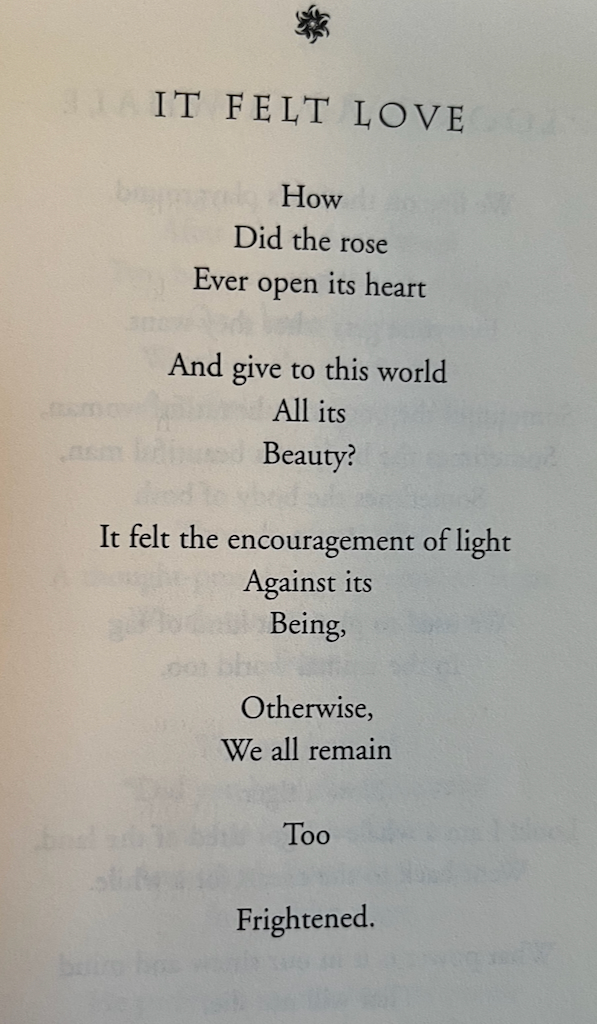
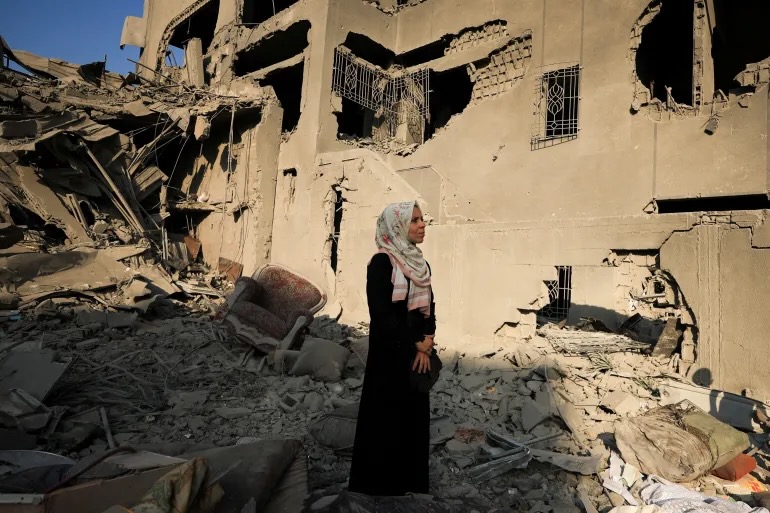
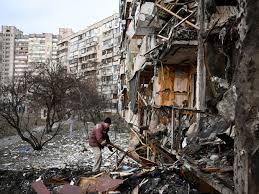
the siege of rebar and rubble seems endless. there are shards on our streets, and in our hearts.

the images stun me every time. images find their way in where words sometimes take roundabouts. of all the thousands and thousands of words that have passed before my eyes this summer past, that have sometimes settled into the nooks and crannies of my brain where i can’t shake them out, the images are otherwise: immediate, gut punch. they demand no absorbing. they are all but instant. as fast at it takes for the pupil, retina, and occipital lobe to zap into action. 13 milliseconds; a measure i can’t even measure. another name for instant.

no wonder we feel assaulted. the assault is everywhere.

this week i felt gutted. i am almost ashamed to hold up images of war against images of destruction that i cannot shake. the destruction that gutted me most this week was wrought by the sin of hubris, of addiction to power and greed. what’s rebuilt will not be a hospital for the deathly ill, the dying, the shattered. it will be for the clinking of crystal, and the lifting of forks that are gilded.

in a world of brokenness, we go dizzy sometimes thinking that all there is is evil. we don’t know how to stop it. which is why i spend my hours poring over the pages of sages and everyday saints, not the ones beatified and sanctified, the ones ushered into the hallowed halls of a hierarchy that’s laid out miles and miles of rules and red tape. the saints i search for are the ones whose names you would never ever know, the ones who populate the checkout lines at the grocery, who drive the buses and never fail to wait for the kid loping to the bus late and frantic, or the lady with the pail of cleaning supplies and the limp that won’t let her hurry.

henri nouwen

henri nouwen was a dutch-born priest, psychologist, and theologian who left the vaunted podiums of yale and harvard divinity schools to devote his life to those who might be seen as broken, broken of mind by worldly measure but not of spirit. he became pastor of l’arche daybreak, an interfaith, non-denominational, shared community where both the intellectually challenged and the not intellectually challenged live as one. it consists of eight homes, an old barn, and 13 acres in the rolling hills of ontario, about an hour north of toronto. its core belief is that beneath every brokenness there is light. radiant light.

henri nouwen is no longer; he died of a heart attack at 64 in 1996. but his books, some 39 translated into 35 languages, live on. his radiance, his wisdom, is without end.

nearly every morning, i read henri. he glides into my inbox deep in the night, awaits my morning. he sets me straight for the day. this week, one morning, he reminded this:

Everyone is a different refraction of the same love of God, the same light of the world, coming to us. We need a contemplative discipline for seeing this light. We can’t see God in the world, only God can see God in the world. That is why contemplative life is so essential for the active ministry. If I have discovered God as the center of my being, then the God in me recognizes God in the world…. The spiritual life requires a constant and vigilant deepening and enlivening of the presence of God in our hearts.

if we can look into the brokenness, beyond the brokenness, if our guiding principle is a belief that the Sacred is inextinguishable, cannot be broken, then we might, just maybe, find fortitude in setting our sights on seeing the God in our midst.

i know the nature of God is twisted and sometimes torn, depending on our stories, our pasts, those who taught us or not. i know that some refuse to utter God’s name, and some to deny God’s presence. but i use the name, the knowing, as that for which there are no words. the inexpressible, the depths that defy expression. i know God as the tender force that draws even strangers together. i know God as the hay bale into which i fall when i am afraid. i know God when i look into the eyes of pain without end, and a glimmer is caught, and love is made real, and by only the grace of God we pull each other out of the darkness, the impossible darkness. i know God as the depth and the light of me.

so when henri nouwen reminds me that if i keep God in my center, if i sense the palpable presence as often as i turn my attention that way, then i am equipped for what so often feels impossible: i can search for and find the sparks of the Divine in most any tableau i encounter. in the joyous laughter of the jamaican nurses who love my mama, who make her giggle like a schoolgirl. in the friend down the lane who is crushed and crushed again and again by the cruelties of someone she birthed, someone she will love fiercely forever—no matter the cost. in my absolute favorite grocery store checker, the one with the pink or purple hair, the multiple piercings, and more ink on her skin than it took to write Webster’s first dictionary, the one who holds my hand tight as the tears pour down her cheeks as she tells me the tale of her beloved who’s died, as she tells me how hard it is to still be alive.

these days i’ve shifted my orientation, my seeing. i’ve slipped out of the worldly paradigm, a paradigm that crushes me daily. i’ve moved into the realm of the sacred, the holy. the only way forward, as the rubble and rebar compounds, is to do as nouwen teaches: seek the sacred, be it the faintest of sparks or a bonfire. seize it, hold onto it as long as you can. even amid the rubble there will be the faintest stirring from under the dust, under the twisted steel rods. when the broad view, the overview, dares to pummel us, for all we can see is the evil, the hubris, the cruelest of cruelties, maybe the wisdom is in shifting our sights to whatever is holy and unfurls right before us: the faintest of kindness, of improbable light, of love that refuses to whimper or die.

the world beyond our reach is going to break us every time, but the world we can touch, the world we can sense with all our own God-given senses, that just might be what saves us. and the way we too can take part in the saving.

may it be so.

what broke you this week? and more urgently: what stirred you to see the Sacred?

the images above are of gaza, kyiv, washington, d.c. can you tell which is which?

among those unafraid to ask the unanswerable

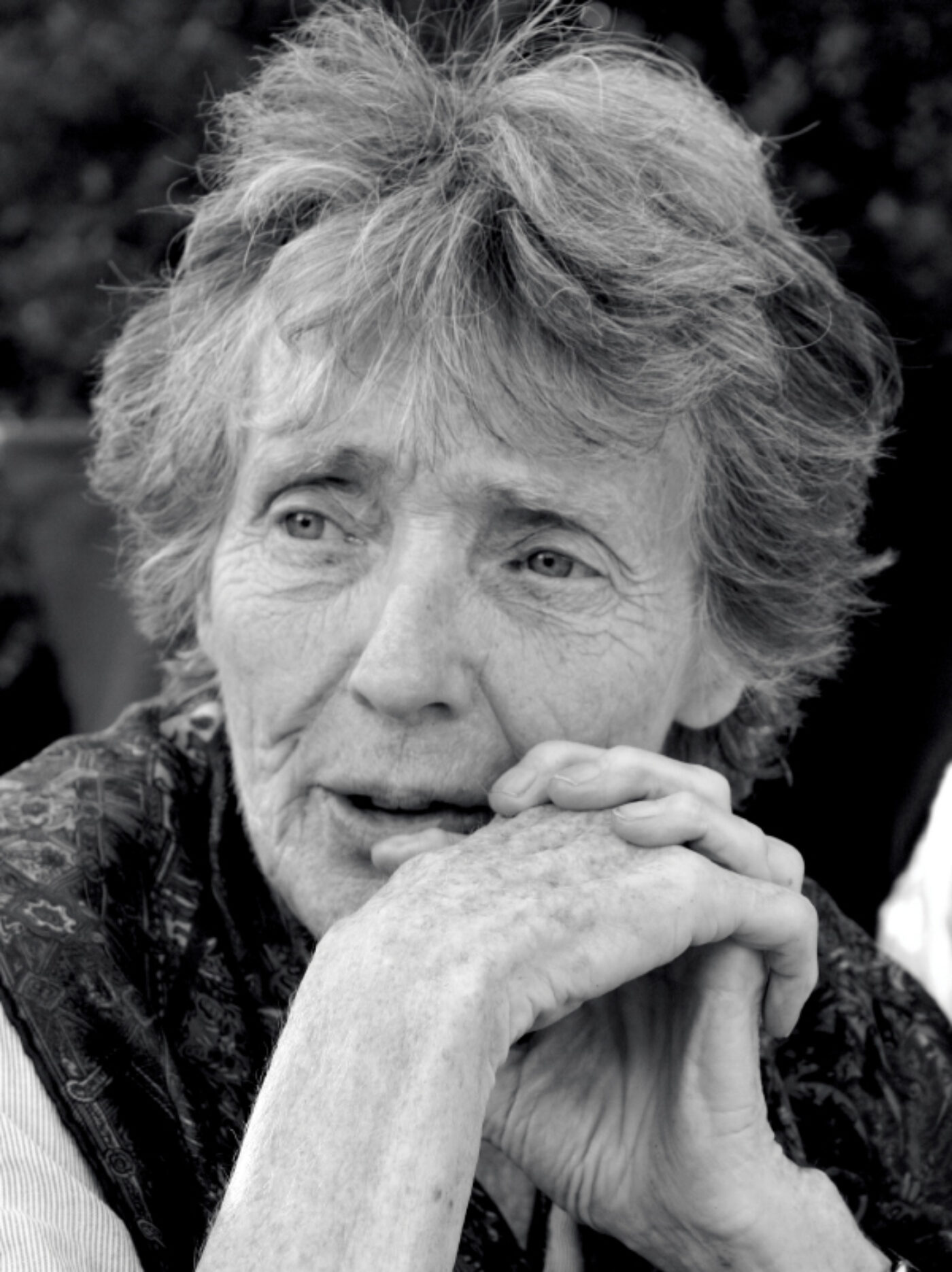
fanny howe (photo by lynn christoffers)

If the intensity of my curiosities in this world were put to trial, and I was pressed to answer what question stirs me most, it would be the realm of the God I reach for as my North Star. I ruminate on the presence of God, the proximity of what I know as tender ballast, and though the edge of my knowing falls into a liminal mist, I aim anyway to live by what seems to be the timeless code of a just and loving, most merciful God. 

Poetry, a gossamer web of knowing and unknowing, seems to be the closest frame through which to ask those questions, to rummage in the dim light and the darkness. It’s the poetry that rubs up against what seems true, and then falls swiftly away, that for me lasts and lingers. More so than sacred Scripture, I find myself venturing closest to the heavens when I follow poets unafraid to ask the unanswerable. The poets, so often, are my priests, my conduits from this much-battered planet to the uncharted heavens. Palpably alive and paying attention to the tiniest shards among us—the broken clock, the fallen sparrow, the furrow of a brow—the poet then leaps beyond or into, catapulting us into the vast, where the questions linger and the answers merely hover. Epiphany sometimes strikes. And we go forth, fortified.

I am particularly taken by those poets unafraid of doubt. As, truth be told, we live in mystery. It is those willing to expose their wrestling, their quest to question, that I find most resonant. Most true.

And when one of those poets dies, a volume closes; the possibility of question falls silent. We no longer knot our life raft to her fearless oceangoing vessel.

The world of poetry, from Ocean Vuong to those on the masthead at The Paris Review, mourned the loss this week of Fanny Howe (1940–2025), who died on Wednesday at 84. Over recent months, Howe, the daughter of an Irish playwright and a Harvard legal historian whose family traced its roots to the Boston Brahmin Quincy family, had been in conversation with the poet and translator Chloe Garcia Roberts, as part of the review’s Art of Poetry series. In a prelude I found as delicious as some of the conversation itself, Roberts sets the stage thusly in a piece published just last month: 

“Howe has a sparrowlike figure and a blue peregrine stare. We met for this interview every few weeks over the course of several months from fall to spring, as she was moving out of her garden-level apartment in Cambridge into an assisted living facility just down the road. I would arrive midmorning, bearing scones and coffee with extra sugar cubes wrapped in napkins, and we’d talk each time for an hour or so. Our conversations circled family, motherhood, failure, race, and faith. After we were done recording, we’d gossip about the poetry scene and the succession of Pope Francis.”

And from there begins the interview, from which I pluck just a few snippets, and some of the Review’s own words (emphasis mine):

“I’d always been looking for a revelation that would open the whole universe for me and make it all have sense,” began Howe, who described herself as a “pagan Catholic,” and who converted to the faith at forty-one, counting among her guides Simone Weil, Giorgio Agamben, and the monks of Glenstal Abbey** in County Limerick, Ireland, with whom she stayed every summer for twenty years and whom she later watched on TV every Sunday, her personal Mass. 

Howe was the author of an astonishing body of work—including twenty-five books of poetry, twelve novels, two story collections, and also essays, pulp romances, and young adult fiction. Her poems often enact the shock of belief, taking their power not from their devotional qualities—in fact, Howe avoided words like devotion and prayer—but their combination of faith and doubt. “I would think of poetry as a place where you connect your doubts to the things you don’t doubt,” she said. “Free-floating doubt wouldn’t trigger the lightning that contradiction does.”

In one of the hours of interviews, Howe let on that she considered it her “job” to be antidote to cynicism. When Roberts asked her to say more, she elaborated:

fanny in 1972 with her son, maceo

If I could say I was assigned something at birth, it would be to keep the soul fresh and clean, and to not let anything bring it down. And that’s the spirit of childhood, usually. Once you know that that’s what you’re doing, even when you’re walking through a war field, you’re carrying something to keep it safe. It’s invisible but you know it’s there, and it’s a kind of vision and a weight. 

(You can listen to Howe, warbly voice and all, speak those very words here.)

Is it not all of our jobs—or certainly the job of some of us—to labor to keep the soul fresh and clean, to strain to not let anything bring it down? It is our singular entity, the one form over which we and we alone can steer the vessel, make the choices, choose love not hate, choose silence not bitter words, it is ours to keep, to draw in all the light we can muster. Our bodies, I’ve learned, are not under our control. Pathogens come, and cancers too. We crumble under the weight of time and toil. Our skin wrinkles, breaks out in bumps. But not our soul. Our soul is eternal, is timeless. Our soul is what we make of it. 

The work of my soul is abetted, most often, by those whose words I read, by those whose way of being I watch. It is, so often, in the smallest, quietest of kindnesses. The triumphs of spirit over the temptations to turn away, to forgo the sharp edge, the blunt force. 

Ours is an ongoing work in progress. 

In her role as perhaps a patron saint of doubt within the amalgam of faith, Howe staked her claim in her introduction to George Bernanos’s 1937 novel of the 14-year-old French peasant girl, Mouchette: “Like a healthy human heartbeat, which has an intrinsic irregular system, the body of an artwork gets its vitality from a rhythm based in uncertainty. (Sick hearts have a dull regular thump.)” 

Among the many lauds that poured forth in the wake of her death, Kazim Ali, the poet and co-founder of the small indie press, Nightboat Books, wrote this of Howe, the first author Nightboat published:

It would be wrong to say she was a polar star or a beacon in the darkness, because Fanny believed in mystery, in unknowing, in bewilderment. She didn’t mean to shine a light, but rather to see in the darkness.

Fanny once told me, in our life-long conversation about God, literature, and the world, that she thought Gnosticism was evil. What she found so evil was the belief that the material world was inferior to, or somehow separate from, the spiritual one. This world was the world to Fanny. “Human was God’s secret name,” she said in one poem. “If this life isn’t enough, then an afterlife won’t be enough,” she said in another. 

To live in this rich, infinite world was the most important thing to her. “One cathedral is equal to the sky,” she wrote. And to God, she begged, “no answers, please, to any of my questions.”

Her life and work were conjoined in a long, lucid series of questions. How lucky we all are to have heard her askings.

may her askings live on, and her memory be a blessing. rest in knowing, dear fanny.

other than life itself and living, how have you encountered wrestling with doubt? is it a plain that animates you, or is it a space from which you run? (as always these questions are meant to be considered in the solitude and sanctity of your own quiet womb.)

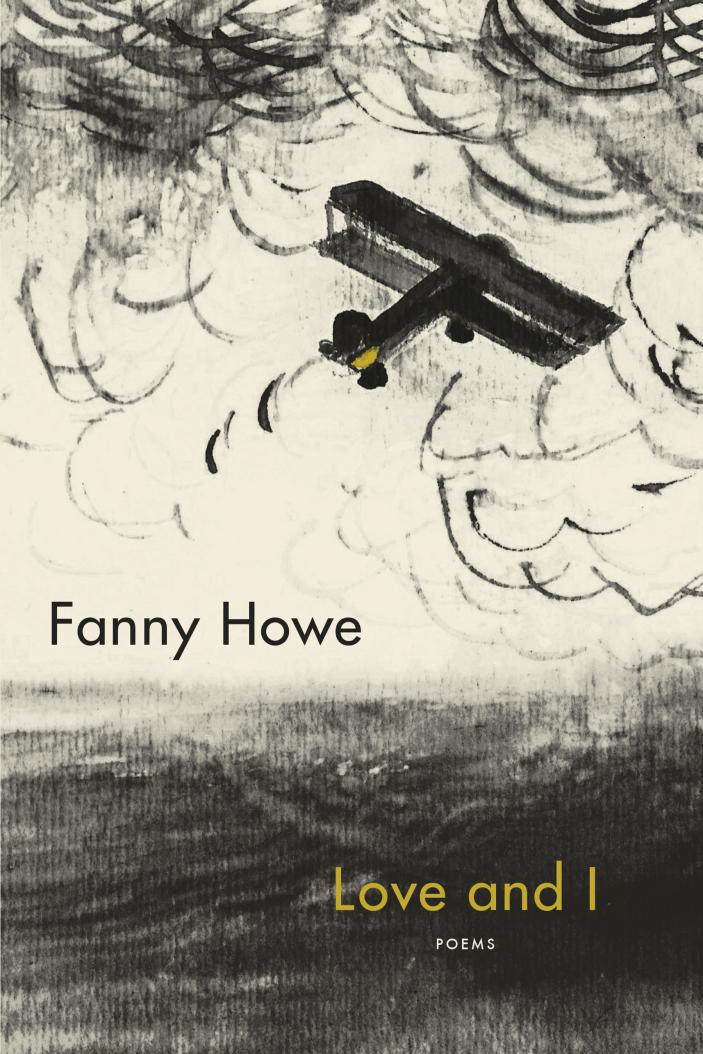
i nearly forgot! should you choose to dig in to a bit of fanny howe and her wrestling with faith, the two books you might seek (mine is coming from interlibrary loan) are Love and I: Poems (2019) and Gone (2003). in both she writes about her conversion to Catholicism, and her relationship to faith.


**because i’ve not found many a rabbit hole into which i’ve chosen not to burrow, my reading of howe led me to Glenstal Abbey, a place i now dream of tucking into for a fulsome contemplative spell. it’s a benedictine monastery in county limerick, ireland, housed in a 19th-century normanesque castle, surrounded by 500 acres of farmland, forests, lakes, and stream. you might just want to join me there…(and you can tune in any time for matins, lauds, vespers, compline, or daily Mass, in both recordings and livecam.) 


and one more thing before i go. it seems bishop marian budde, she who gained fame (and infamy in some quarters) presiding over the prayer service at washington’s national cathedral following the inauguration, has now launched a substack, where she will gather her writings, and broaden the scope of her reach. she introduces herself with these words. . .

“On January 21, 2025, the day after President Trump’s inauguration as our 47th president, I chose to conclude my sermon at a Prayer Service for the Nation, held at the Washington National Cathedral, with a call for mercy:

“Let me make one final plea, Mr. President. Millions have put their trust in you and, as you told the nation yesterday, you have felt the providential hand of a loving God. In the name of our God, I ask you to have mercy upon the people in our country who are scared now.”

she stirred up good trouble with those words. and in her new space on substack, she lays out her mission—”to live as best we can according to the highest aspirations of humankind revealed to us in Jesus” (also in Gandhi, in Buddha, in Brahma, in Allah, in Yahweh)—with this litany:

  • to recognize the inherent, God-given dignity of every human being
  • to love our neighbors as ourselves, and even to love our enemies
  • to share what we have and to strive for an equitable and just society
  • to refrain from evil and refuse to hate
  • to be mindful of the power of our words, and to speak without malice or contempt
  • to forgive, as we have been forgiven
  • to live in hope
  • to be willing to sacrifice, even our very lives, for the sake of love.

she concludes with these words:

“In this space, I hope to encourage a kind of human discourse in which we don’t have to see the world the same way, but we can all agree that we all belong in this world.

“In a culture of contempt, may we speak with dignity.

“In a world of mean-spiritedness, may we act with kindness and love.”

how might you stir good trouble today?

ashes to ashes under the specter of scan time

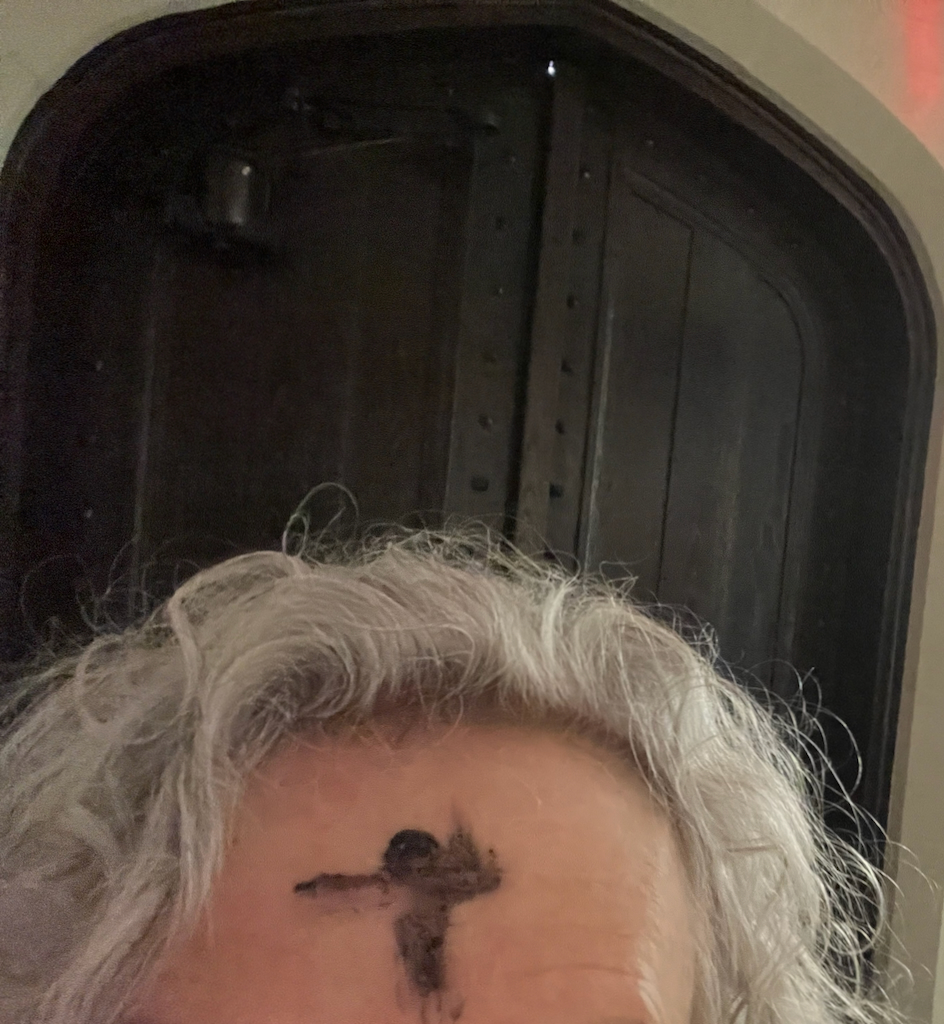
remember that thou art dust and unto dust thou shalt return. 

sobering words, as the grainy smudge is pressed upon my brow. it’s the season of shadow in the liturgical calendar, the season for recognizing our mortality, our fleeting time here to attend to the task of our being. 

dust to dust, ashes to ashes. 

the point of religion, at its wisest, is to strip us to our unfettered incidentality. to put us squarely in our place. we are star dust by chance. but a speck in the great river of time. a mere dot ordained with a task that we trust, we believe, might tip the scales toward goodness, toward light. i believe we’re here to be blessed, to become holiness in flesh form. 

six weeks of lent makes it the longest season of the church year outside of ordinary time. i’m no theologian so i’ve not read deeply on that equation, but i have to think it’s telling us something of import if more days are devoted to repenting, to remembering how mortal we are than to filling our heads with the usual noise. 

i’ve found myself in recent weeks deep in the writing of a book plumbing the spiritual epiphanies of cancer, which at its heart is a meditation on paying attention, remembering that we will die, and seizing the imperative to live profoundly in the now. 

i’ve called it scan time, an abbreviation of time into three- or six-month allotments that serve to focus my seeing. in knowing my time is on the clock, i dive into the work. holy work.

it’s basically living in some iteration of lent from here on in: ashes to ashes. knowing full well that i am dust and to dust i shall return. 

it’s a practice of every religion; humility among the highest virtues. recognizing how tiny a dot we are. and admitting how often we falter. putting voice to confession.

judaism distills it on a single day: the day of atonement, as somber a day as there is. a day in which we fast from all things, and scour our soul, confessing our sins from A to Z acrostically. abused, betrayed, been cruel, destroyed, embittered other’s lives. . .

before the naming of each and every one of those sins, both communal and individual, these words from the Yom Kippur prayer book are recited, directed to the almighty and merciful God:

You know the secrets of the universe and the secrets of the human heart. You know and understand us, for You examine our inner lives. Nothing is concealed from You, nothing hidden from Your sight. Eternal One, our God and God of our ancestors, we pray that this be Your will: forgive all our wrongs, pardon us for every act of injustice, help us atone for all our moral failures.

the act of contrition i learned in second grade says it like this: 

O my God, I am heartily sorry for having offended Thee, and I detest all my sins because of thy just punishments, but most of all because they offend Thee, my God, who art all good and deserving of all my love.

I firmly resolve with the help of Thy grace to sin no more and to avoid the near occasion of sin. Amen.

and the confession in the anglican book of common prayer is not dissimilar: 

Most merciful God,
we confess that we have sinned against you
in thought, word, and deed,
by what we have done, and by what we have left undone.
We have not loved you with our whole heart;
we have not loved our neighbors as ourselves.
We are truly sorry and we humbly repent. . .

sins and ashes aren’t things we like to think about. but, oh, they serve their purpose. and in a world where madness is reigning, where blame is cast but rarely admitted, and hubris has inverted the divine equation, i find myself seeking an alternative paradigm, one that answers not to power and vengeance but to mercy and justice and light.


and for a consideration of not our failings but our goodness, meister eckhart weighs in with this wisdom: 

The inner person is the soil in which God has sown the divine likeness and image and in which God sows the good seed, the roots of all wisdom, all skills, all virtues, all goodness—the seed of the divine nature. 
—Meister Eckhart 


a few years back, i dove a bit deeper into musings on the day of atonement, a post found here: 

you needn’t have been daubed with ashes, nor live with a scary diagnosis, nor recite an alphabet of sins, to recognize the wisdom of silently examining the state of your soul. and stepping forward to make right where you’ve wronged. it’s becoming countercultural in a world taking shape as it is. the ancient ways, though, have lasted. here we are millennia later, and confession still stirs in the human spirit. it takes nerve and true might to live it. needn’t answer here, but what are the profound memories you hold of learning to say, i am sorry? or any other thoughts on ashes and dust, and the sobering truth of our mortality. . .

p.s. i suppose my publisher would reallllly want me to mention (she sent me a little nudge in the social media department, a department where i’m quite often lacking) that The Book of Nature came out in paperback this week, so you can slip a copy more easily into a backpack or pocket. and it’s cheaper!! looks just like its big sister, only a flimsier–er, more pliable––cover.

the quickening of september

if i were truly of the prairie, rooted into its undulating loam, rather than a citizen merely plopped here by geography, because it’s the place i call home, i’d know the turning of the celestial wheel and its interplay with earth as robustly as the marrow that courses my bones. alas, my knowing is fainter than that. and yet, still, each september i feel it. the angle of light shifts, and the lens does too. it’s amber now, or so i seem to imagine. the days are drenched, more and more, in molasses hue. and the air holds a chill one minute, a warming the next.

the season itself is playing meteorological tug-of-war: do we want to let go? do we want to surrender? or shall we hang on with the last of our oomph?

ah, but the signs, they abound. and they quicken my spirit, each and every one. the school bus sightings, for one. they lumber the streets now, that slow serpentine crawl, disgorging couplets of children at most any corner. i’m detached from the school calendar now. it’s merely there at the edge of the frame. but, nonetheless, i notice.

my cooking’s changed too. i simmered this week. slow stirring a vegetable stew. i spent a good chunk of hours stationed by the stove, overseeing allium play sidekick to eggplant, to pepper. offering up its essence to add just a pique to the whole.

but mostly i feel the turning of earth in the garden, the plot that keeps me most rooted in the wonder, the majesty, the undying wisdom that is the sacred whole of creation. i felt it in the proliferation of spider webs, those silken geometries of arachnid architectures. the uncanny way the eight-legged thing knows to construct its trapping, and in the process makes beauty of pace-pausing proportion. i felt it in the crisping of blooms, and the heads of hydrangea and black-eyed susan starting to droop, the weight of their long season now taking its toll. a last gasp before death.

i hear it just now in the distant cloudcall of the goose, threading the sky, signaling autumn. it’s a cry that can shroud me in goosebumps. a call to prayer if ever there was.

september is when i feel myself beginning to curl like the nautilus, inward spiral, expanding the chambers within. making room for the quiet, the sacred, to come.

thirty some years into a spiritually-braided marriage, i know september to be the season of awe. quite literally. liturgically speaking. we are in the hebrew calendar’s month of elul, counting the days till the high holiness of the jewish new year. according to jewish tradition, it is the month for contemplating the question, “how should i live the existence that i am.”

just the other day, i –– along with a rabbi i love and a gathering of women –– walked to the water’s edge, recited three blessings, and dropped into the water, into the great lake michigan. it was a cleansing, a beginning anew, a rite of purification. it was a mikveh, an ancient ancient tradition that is symbolically a turning of the page.

the question at the core of elul, “how should i live the existence that i am,” is one that especially quickened for me in a paragraph i read this week that had little to do with religion, and everything to do with the holiness of how we live our lives. it was the beginning of a review of a children’s picture book, and it was written by one of the high priestesses of everyday cultural commentary, maria popova.

she was writing about kamau & zuzu find a way, an “uncommonly soulful” story of a little boy and his grandmother who, somehow, find themselves living on the moon.

popova begins her essay this way:

The astonishing thing is that not one human being who ever lived has chosen the body, brain, place, or time to be born into, and yet in the narrow band of freedom between these chance parameters, we must find a way to live lives of substance and sweetness. Chance deals the hand and we must play it, and in how we choose to play it lies the measure of who we are.

“we must find a way to live lives of substance and sweetness.

“chance deals the hand and we must play it, and in how we choose to play it lies the measure of who we are.”

those are the questions i shall carry into my fading garden, and under the dome of a sky now rife with the cries and the calls of the flocks flying as one, in the migrational river that carries them faraway home.

in the quiet of your own soul, that’s the question for today: how do you choose to play the hand that chance has dealt you? what will be your sweetness and your substance?

gathering a congregation of sages…

if you asked me today what church i belong to, i might stumble into an answer that wasn’t much of an answer. it might go round about. explain that sometimes i feel like an orphan. yes, there is a place where i go on the sundays when i’m on duty. i’m an altar girl at a church that welcomes my presence, where the sermons are great, but where i’m not much of a signer-upper which makes me feel a bit like a slacker. i have a synagogue, where sometimes i wander in to talk with the rabbi. where i can find myself in the deepest of prayer.

but the truth i’ve been wrestling with all summer long is that, mostly, i feel lost, adrift.

i didn’t grow up with a deep congregational sense. i talked to God most of the time from behind the closed door of my childhood bedroom. i found God in the notes i wrote, night after night during high school, to a motley band of the broken-hearted, the lost, and the otherwise looking for warmth. for a friend.

good thing i grew up with a mama who quoted emily dickinson more than anyone else. who taught me the lines of this poem that’s been ground into my soul in the finest of fine-grain elixirs:

Some keep the Sabbath going to Church – (236)

Some keep the Sabbath going to Church –
I keep it, staying at Home –
With a Bobolink for a Chorister –
And an Orchard, for a Dome –

Some keep the Sabbath in Surplice –
I, just wear my Wings –
And instead of tolling the Bell, for Church,
Our little Sexton – sings.

God preaches, a noted Clergyman –
And the sermon is never long,
So instead of getting to Heaven, at last –
I’m going, all along.

the other thing my mama taught me––the one line she etched onto my soul was this: don’t let the Church get in the way of God.

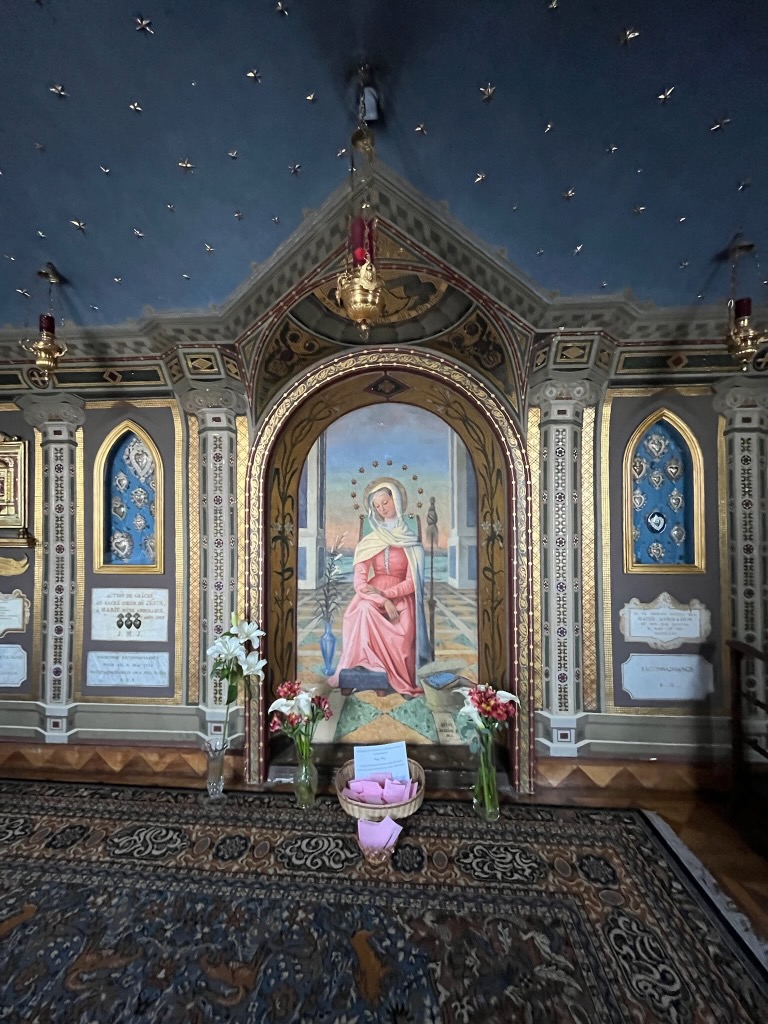
my mama, a girl who grew up in a convent where the nuns taught her to curtsy each time she dashed past the statue of the Pink Madonna (a story is told that one of the nuns–these are Sacred Heart nuns–once tried to paint a portrait of the Blessed Virgin Mary, and what she painted was so godawful, they tossed a rug over the thing, to hide it, and some time later when the rug was pulled off, lo and behold, there was a breathtakingly beautiful Mother of God decked out not in the usual blue but in pink. thus, the Pink Madonna that Sacred Heart girls (and their dutiful daughters) seek out whenever and wherever in the world they sense themselves in breathing distance of one of the few extant copies), my mama, as devout as the day is long, is far more radical than you might imagine for a girl who grew up in a convent in the most parochial burg of cincinnati, ohio. and that might be one of the things i treasure most about my mama.

and maybe that has something to do with my unwavering quest to find my way in this world along a path populated by sages, and not always of the churchly persuasion. i find holiness in unorthodox moments and places and, often, smack dab in the thick of a sentence.

i might not belong to a particular church these days. but i gather a goodly––and godly––congregation of pathfinders along my way. my church, quite often, rises up from the page.

i read, hour by hour, and day after day, with an eye out for wisdoms and truths, and guideposts to stir me. something akin to wandering an orchard, plucking from trees the lushest of fruits. i find my convictions deepened. my heart, often on fire. my intent: to make this blip that is my life as blessed as i can make it. i live by a gospel of love, one with an emphasis on that which is tender, and gentle not harsh. i believe, more and more, in humility. in understanding how little i know. and how much there is still for me to learn. to understand.

we live in a world that some days feels like it’s spewing all that i detest: there is cruelty, and hubris, and parading around as if no one else matters.

but then i open a book. or click on a text from a most blessed friend. and i read words that resonate. that underscore what seems to be Truth with a capital T. and i feel less alone, and less lost.

these are the lines that spoke to me this week in this holy space of my own making; one is from hafiz, the 14th-century sufi poet, another from thich nhat hanh, the blessed buddhist monk who died just two years ago, and the third is from greg boyle, the jesuit priest who founded Homeboy Industries, the world’s largest gang intervention and rehab program, based in east LA, and whose book, barking to the choir, is now on my most-wanted list.

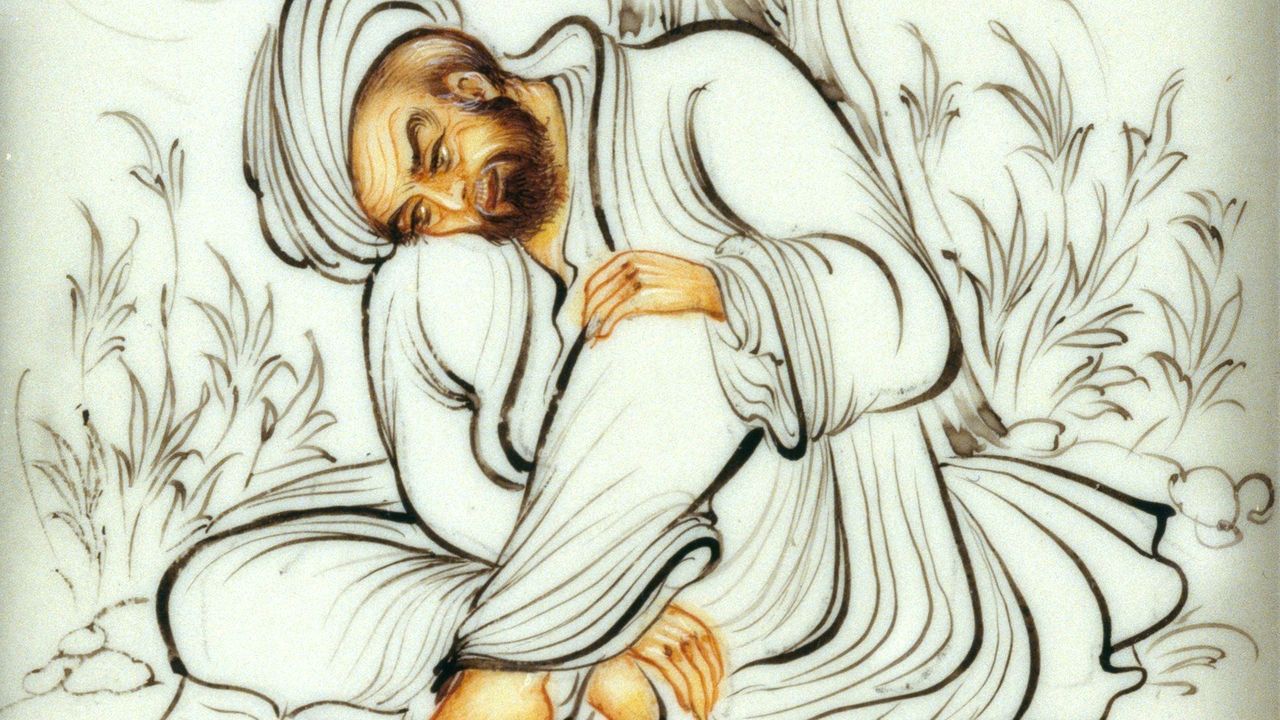
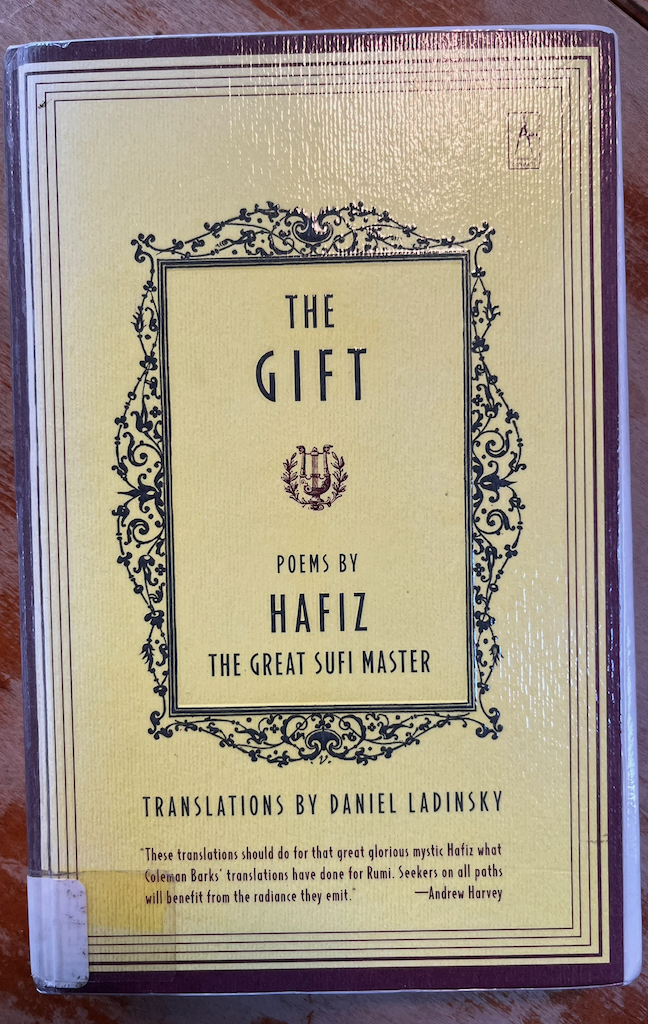
first up, a prayer poem sent by a beloved friend, one from hafiz, the sufi poet, from a translation by daniel ladinsky, and which my blessed friend found in the pages of greg boyle’s barking to the choir:

Every child has known God,
Not the God of names,
Not the God of don’ts,
Not the God who ever does anything weird,
But the God who knows only four words.
And keeps repeating them, saying:
“Come Dance with Me, come dance.”

i love a God who whirls with me, who invites me into the dance.


next up, thich nhat hanh:

Understanding someone’s suffering is the best gift you can give another person. Understanding is love’s other name. If you don’t understand, you can’t love.

oh, that we should enter deep into the wounds of another. and therein find the walls of our own hearts widening and deepening, and our compulsion to hold a trembling hand the surest thing we can do.


and, finally, once down the greg boyle rabbit hole, i just got deeper and deeper, and then i found this:

“For unless love becomes tenderness—the connective tissue of love—it never becomes transformational. The tender doesn’t happen tomorrow . . . only now.” 

― Gregory Boyle, Barking to the Choir: The Power of Radical Kinship

tenderness, the connective tissue of love . . .

to which i whisper, amen

who do you gather in your congregation of sages?

photo above, of Mater Admirabilis, the Pink Madonna, is from our trip to rome back in may, during which, dutiful daughter that i am, i trekked to the top of the Spanish Steps, rang a bell at the convent of the sacred heart (my mother’s breed of nuns), turned over my passport for entry to the upper chapel where Our Lady resides, and beheld her.

quiet is the way . . .

a meditation on the quiet way…

i begin with a poem that took my breath away. 

Nativity
by Kenneth Steven 

When the miracle happened it was not
with bright light or fire—
but a farm door with the thick smell of sheep
and a wind tugging at the shutters.

There was no sign the world had changed for ever
or that God had taken place;
just a child crying softly in a corner,
and the door open, for those who came to find.

and i couple that with this line from TS Eliot’s “East Coker”:

The only wisdom we can hope to acquire
Is the wisdom of humility: humility is endless.

the message is so countercultural: be humble; in quiet, come. “a farm door with the thick smell of sheep / and a wind tugging at the shutters / … just a child crying softly in a corner / and the door open …” a more earthly, rough-sawn tableau it might be hard to conjure. it is a tableau that aims only to find its place in the quiet folds of the depths of a pitch-black night. it begs not for attention. but its aim is a fiery transformation, a redefinition of love, love made flesh, love lived through every breath.

the sufi mystics take it even further. purity of heart, they teach us, is when the I pronoun dissipates in the sun in the way of early morning fog: not disappearing but becoming translucent; it melts away. 

the highest level of holiness in Islam is Iḥsān, defined as “spiritual excellence,” and Omid Safi, the Islamic scholar who mesmerized me this week, teaches that without gentleness, without kindness, there is no loveliness. and loveliness is the divine attribute that defines and permeates Iḥsān. to live in loveliness, in selfless purity of heart, is to summit the holy mountain.   

according to Islamic teaching, when the angel Gabriel asked The Prophet to define Iḥsān, or spiritual excellence, The Prophet answered: “Excellence is to worship Allah as if you see Him, for though you do not see Him, He surely sees you.” (translation from Muslim Ibn al-Ḥajjāj al-Qushayrī)

and what do i, a simple soul of 66 whose spiritual life was put to the fire in the wake of a springtime diagnosis, what do i take all this to mean? to live a quiet life, aspiring to be pure of heart, meaning to exercise my every breath toward tender, gentle loving. learning to allow my I to dissipate into the morning fog. to turn the other cheek, yes. always. to exorcise the hurtful impulse. to love through my last breath. 


** you might want to know more about kenneth steven. and wasn’t i surprised/not surprised to discover he’s a poet with the celtic flowing richly through his veins. this morsel from his website might find you curling up with him on an otherwise chilly winter’s afternoon, one in which the ashen sky stirs you to tuck yourself beneath the contours of a fuzzy afghan that tickles your nose:

“Kenneth Steven is first and always a poet. To survive as a literary author he’s had to become many other things as a writer – he translated the Norwegian novel The Half Brother, he’s a children’s picture book and story writer, he’s an essayist and a feature writer – but it’s poetry and the love of poetry that lies at the heart of it all. His volume of selected poems Iona appeared from Paraclete Press in the States a couple of years ago. His numerous collections have sold many thousands of copies, and he has a strong name as a poet thanks to the poetry-related features he’s written and presented over long years: his programme ‘A Requiem for St Kilda’ having won a Sony Gold for Radio 4.

“His poetry has been inspired primarily by place. He grew up on the edge of the Scottish Highlands with a profound awareness of that world: his mother’s people were Gaelic speakers from Wester and Easter Ross. It’s the wildscape of Highland Scotland that pours through his pen.”


where did you find quiet this week?

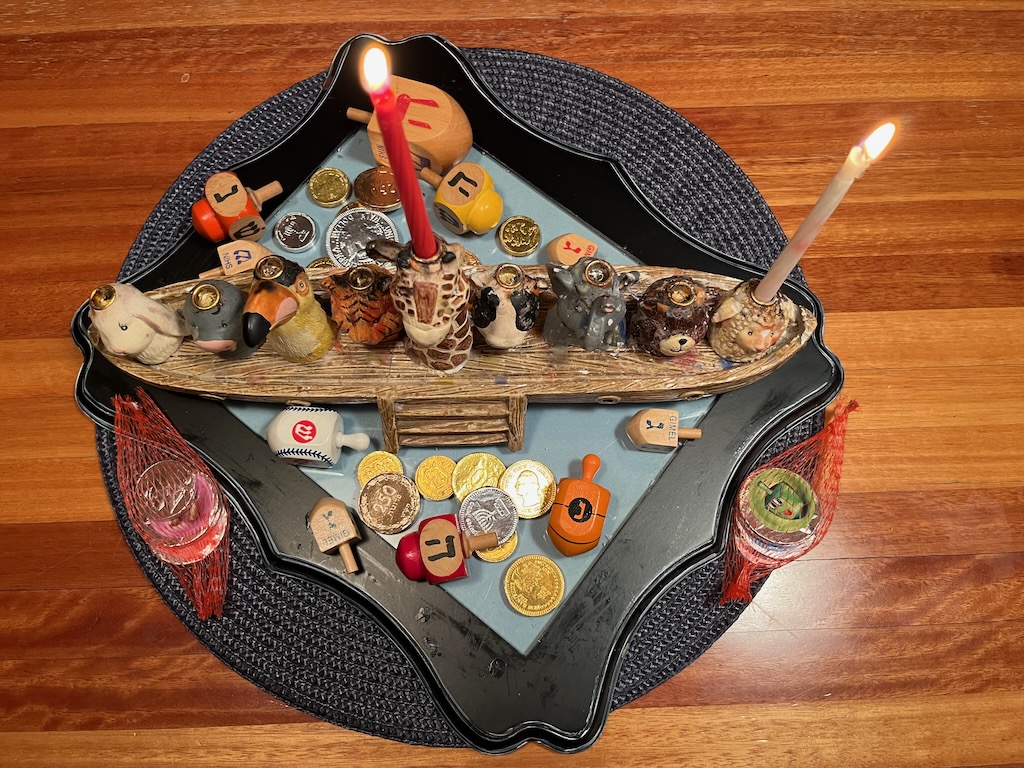
hanukkah began last night, and at our house our skinny candles were shimmied into and kindled in the noah’s ark menorah first unwrapped when our firstborn was but a few months old. all these years––thirty now––giraffe and bear and walrus have done their part in carrying our thoughts to the miracles of light that flickers even in the darkest darkness. even in a year such as this when bombs rock the holy land.