pull up a chair

where wisdom gathers, poetry unfolds and divine light is sparked…

Category: prayer

the prayer after the fall. . .
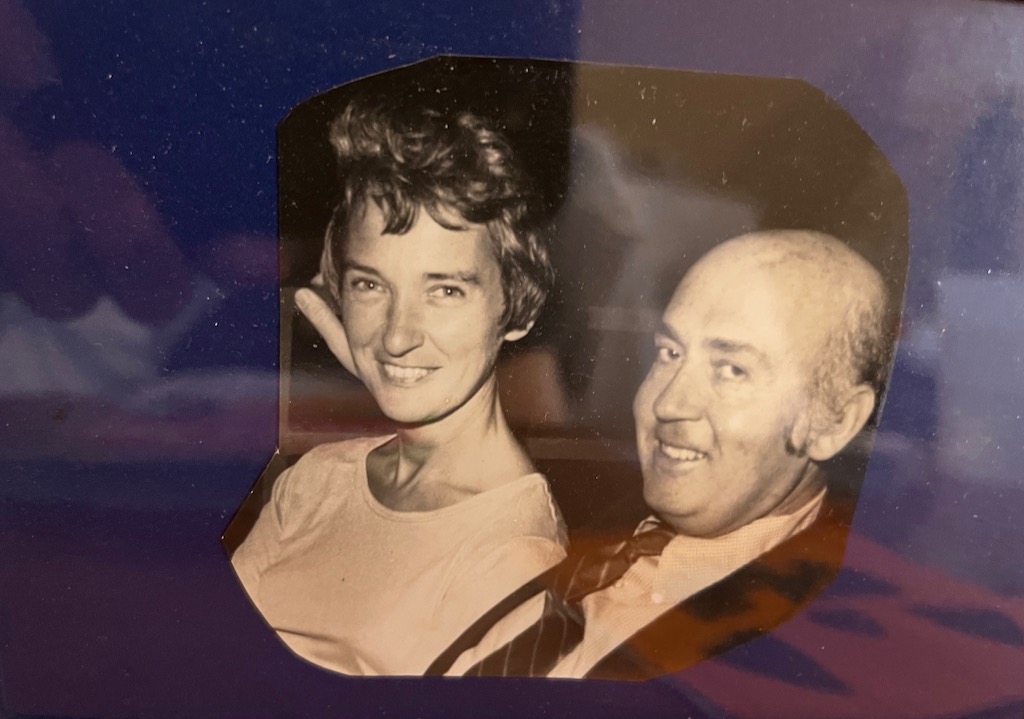
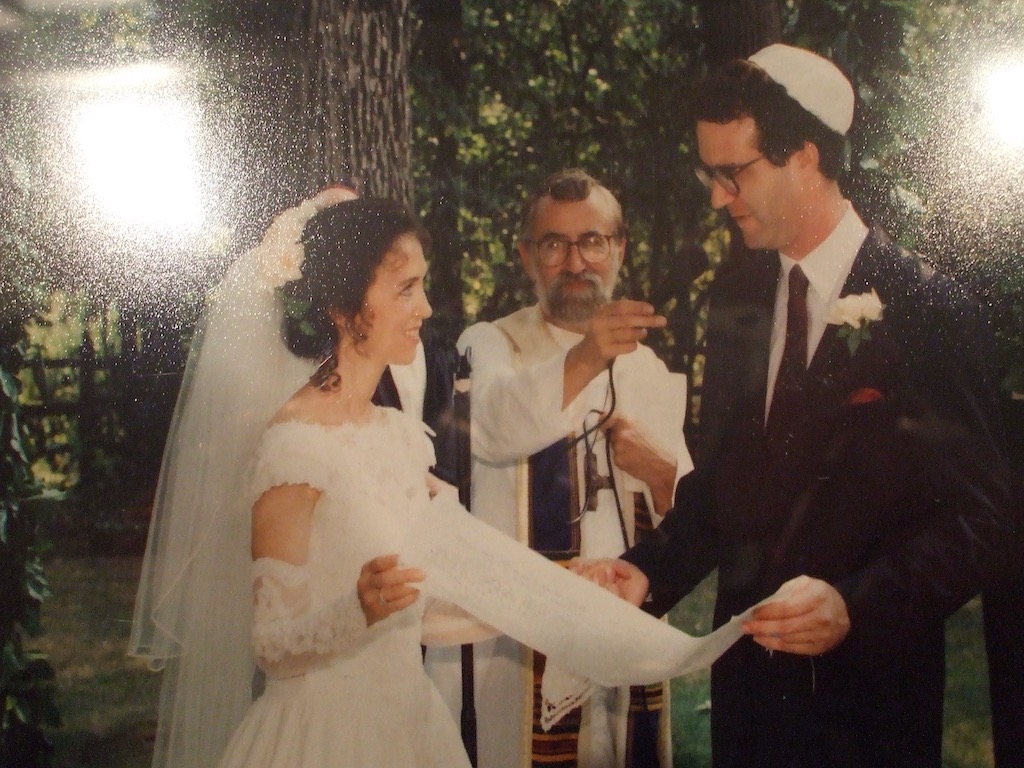
my mama and papa, a long long time ago…

it was the call you pray you never, ever get: early morning. “police and paramedics are already there.” little else known.

except that it was my mom. and she’d taken a terrible fall, a nightmare of a fall. police had broken in the front door when they saw her lying, crumpled, unresponsive, at the bottom of the stairs. a spotted trail of blood had followed her down the last eight of 14 stairs, around the landing, and onto the slate floor of the front hall, where it had pooled. 

as the pieces started to fall into place, one theory was replaced by another, and what we knew was that it was a fall from the top of the steep hardwood stairs to the hall down below. she’d been lying there almost 12 hours. 

and i was some 200 miles away, driving 70 miles per hour, suddenly fielding phone calls to and from brothers scattered across the country, detroit, california, maine, and the brother whose car was following the ambulance to the emergency room where so much of our family’s life has unfolded: death, birth, broken arms and legs and umpteen stitches, hours-long surgeries and outpatient, too, along with a few godawful diagnoses.

my mother’s most fervent prayer since a car accident two aprils ago has been “to go home.” and home to my mother is heaven. she desperately doesn’t want to be alive anymore. finds little joy in the everyday. except for the birds. and irish whiskey on the rocks, with plenty of water, at 5 p.m. sharp (or 4 if nobody’s looking). and as she said to me in a whisper from her ICU bedside the other day, “to be honest, i wish i’d gone” (meaning not waken up after the fall). “but not that way, i guess” (meaning not alone, in the dark, at the bottom of the stairs, when she thought she’d been headed into the shower, to climb into bed, for another restless night of not much sleeping). 

my mother, who is as pragmatic and plainspoken as the day is long, wasted little time in realizing “i might never be allowed to live alone again.” a dawning followed quickly by “can you take me right now to westmoreland,” which is not quite the name of the place where she’s been on a waiting list for independent living since two aprils ago, and at least four times has told them “i’m not ready” when they’ve called her with an available apartment.

she’s still not ready. not really. 

but my mother’s face and scalp and arms and legs are the color of eggplant right now. the bruising so intense it’s long past purple and deep into inky indigo. somewhere between aubergine and midnight. and that’s only what’s broken on the outside. ribs, and vertebrae, and a bone on her face, they’re broken too. 

i was lying in bed the other night, the night before we moved my mother to rehab, tallying the things my mother will miss after 60 years in the house where we all grew up, the house she would not leave because of its tall oaks, and its sunsets out the kitchen window, and the birds and the deer and the pair of ducks who waddled under the fence each and every spring. 

after all these years of knowing ours was the house at the first bend on the winding dead-end street, across from the green pond and the woods where i grew up, across from the country club where my mother for years would strap on skis after any snowfall and glide for miles across snowy greens and tees and sand traps, i am bumping into brain hiccups any time i try to wrap my head around the brand-new notion that 707 will no longer be. or no longer be ours anyway, no longer the polestar to our family chronicles. 

for now, my mother is miles away from that old house. and she’s never going back. says she doesn’t think she could bear to say one last goodbye. so we will shutter it, the five of us who know that house inside and out, who know which upstairs window was the one a brother climbed in one night too late past curfew, the sliding door where another brother was showing off his brand new BB gun and PING! the glass was shattered, the arbor of oaks under which i and my beloved were married. 

this is not the way my mama––or any of us––wanted her story to end. 

but we’ve soldiered on before. she has always taught us how. she’s not one to buckle under. 

she’s been widowed 42 years; buried a husband, and a tiny baby granddaughter atop her husband’s grave; mothered five children, each of whom has had twists and turns and upside downs. she’s had cancers of her own. 

and till now, she has not crumpled. 

even now, her faith has barely flagged. but she looks up at me, through her swollen ink-black eyes, and asks, “barbie, why won’t God take me?” 

and how can i answer that, other than to say, “mama, we don’t know. we just don’t know.”

and so i rub her back where the terrible aching is, and we find her favorite cowboy channel, and i pray and i pray. don’t think me wrong to echo my mama’s prayer. i pray too, dear God, please take her home. she wants so very, very deeply to be there…

i’m transfixed by that photo above. i stare into my mama’s long-ago glimmer. i miss them both, so deeply.

today my only questions are ones without answers…

bee season

when you happen to tiptoe outside into the dewy sop of dawn, just after the light breaks through, you might hear a noise, at that liminal hour when noise is one thing there’s not. not much of, anyway. 

i was standing there with my mug and my prayers, when all of a sudden i heard it. the sound of a mosquito buzzing your ear, only amplitudes louder. it’s not as loud as the nighttime’s cicada, nowhere near it. it’s the buzzsaw of dawn, when the bees are up early and nose-deep in work. 

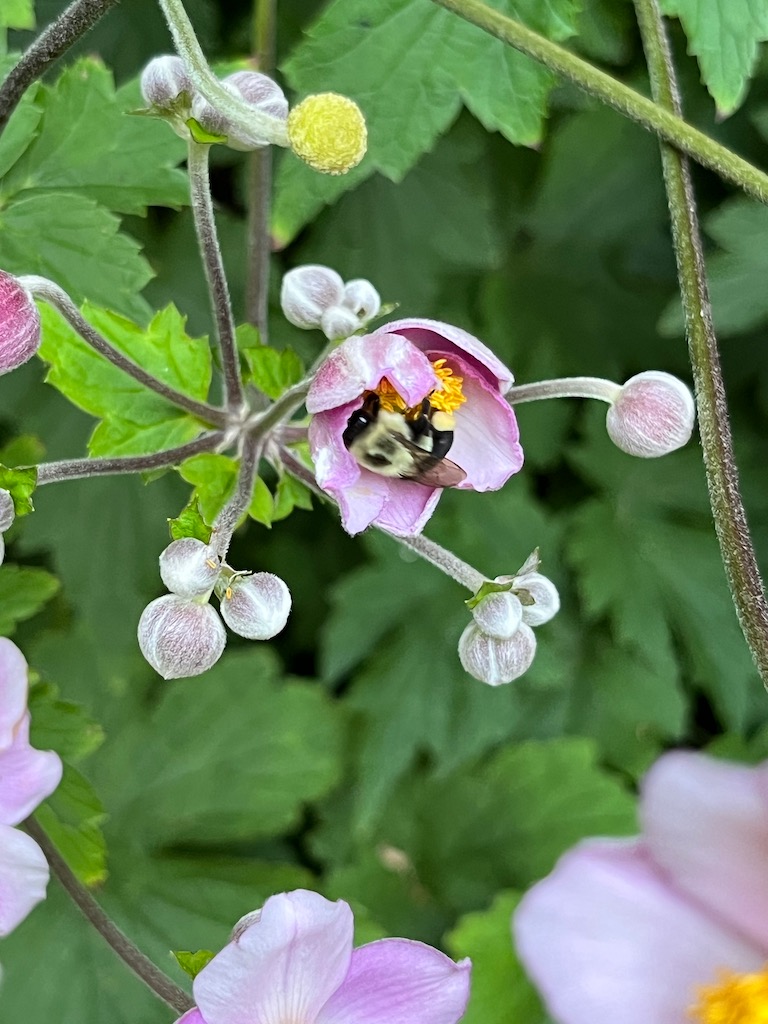
i followed a pair, fat, fuzzy, all full of themselves. full of unctuous beads of gold-dazzled pollen. looked like they’d rolled in a can of it. which they more or less did, dive bombing into the gold-dusted pincushions that rise from the swirl of anemone petals.

because i tend to read nature in a scriptural way, meaning i stand there in the face of a question, connecting the dots, unpuzzling the parable, i wondered what lesson i might extract from the bee, while the bee was drowsily, drunkenly, extracting its pollen-y porridge. 

what i came up with was unrelenting. unrelenting as in the bee, morning after morning, rises up from the hive, zigzags out the door, and plows ahead with his one holy task: he gathers up gold dust, the baseline of honey. it’s the task he was born to, a task he can’t shirk. a task he dives into with unrelenting enthusiasms.

i stood there for a while marveling at all there is in the tableau of dawn. the breeze already stirring. the moon now off the clock, back under the covers. or maybe just hiding back behind clouds. one or two birds were up and starting to chirp. but centerstage, in my attentions at least, was that fine pair of harvesting bees.

i thought about the perfect harmony of this early hour. how all of creation plays its own part. 

i thought about my own holy task and not being daunted. i don’t really know yet what exactly i’m up against — none of us do. but, i took a note from the bees: head down, nose first, gather up gold dust wherever you can.

be unrelenting. don’t be distracted. or daunted. even on days when it’s harder than hard: nuzzle your way into the gold dust, suck up what you can. 

it’s the reason you’re here on this holy earth.

maybe the bee understands: his days in the hive, they’re numbered. just like yours and like mine. so he gets down to business. gathering all that he can.

i let that sink in, while i kept up my watch, mesmerized by the bee who would not be dissuaded, distracted, or daunted. 

bee season brings lessons. but you need to perk up your ears. 


among the gold-dusted pollens i gathered this week was one heavenly spoken-word poet, podcaster, and author: amena brown. “a breathtaking blend of poet, prophet and pioneer,” one reviewer wrote. “her life and words will bless your soul.” no less than richard rohr, the modern-day mystic, and his center for contemplation and action pointed me in her direction. and what a direction it is. have a listen:

amena brown: “She Said How Do You Know When You’re Hearing From God”

i ran out and bought the book from which it came, so knocked off my socks by it was i. and i was only going to share the first verse. or two. but i can’t bear to leave out a one. it’s a bit long. and worth every drop. thank you, amena, for sharing your wonder…

She said, “How do you know when you are hearing from God?”
I didn’t know how to explain
It is to explain the butter grit of
  cornbread to a mouth that just
  discovered it has a tongue
The sound of jazz to ears that only ever
   thought they’d be lobes of flesh
The sight of sunsets to blinded eyes
   that in an instant can see
To fail at the ability to give words to
   how the scent of baked bread can
   make the mind recall a memory
Every detail
Of a house, a room, a kitchen, a
   conversation
Like explaining to a newborn baby this
   is what it feels like to be held
My words never felt so small, so
   useless, so incapable

I wanted to say
Put your hand in the middle of your chest
Feel the rhythm there
I wanted to say you will find the holy
  text in so many places
On crinkly pages of scripture
In dusty hymnals
In the creases of a grandmother’s smile
The way she clasps her hands
The way she prays familiar, with
 reverence as if to a dignitary and friend
The way she sings a simple song from
  her spirit and porches turn to cathedrals

I learned from my great-grandmother
   how to pray
How to talk to God
How to listen
Watching her and the other silver-
   haired church mothers gather in her
   living room
Worn wrinkled hands on top of leather
   bibles well traveled

They prayed living room prayers
   because you don’t have to be inside
   the four walls of a church to cry out to
   the God who made you
Because no matter where you sing or
   scream or whisper God’s ears can
   hear you

And despite what the laws say or what
   our human flaws say
God’s ears don’t play favourites
God’s ears don’t assess bank accounts
   or social status before they attune
   themselves to the story your tears or
   your fears are telling

God’s ears are here for the babies
For the immigrant, for the refugee
For the depressed, for the lonely
For the dreamers
The widow, the orphan
The oppressed and the helpless
Those about to make a mess or caught
   in the middle of cleaning one up
Dirt don’t scare God’s ears
God is a gardener
God knows things can’t grow without
   sun, rain and soil

I want to tell her to hear God
You have to be willing to experience
   what’s holy in places many people
   don’t deem to be sacred
That sometimes God sits next to you
   on a barstool
Spilling truth to you like too many beers
That God knows very well the dance
   we’ll do
When we love ourselves so little that
    just about anyone will do

That God cares about the moments we
   find ourselves
On the edge of a cliff
On the edge of sanity
On the edge of society
Even when we have less than an inch
   left of the thread that’s been holding
   us together

I want to tell her God is always waiting
Lingering after the doors close
And the phone doesn’t ring
And we are finally alone
God is always saying
I love you
I am here
Don’t go, stay
Please

I try to explain how God is pleading with us
To trust
To love
To listen
That God’s voice is melody and bass
   lines and whisper and thunder and
   grace

Sometimes when I pray, I think of her
How the voice of God was lingering in
   her very question
How so many of us just like her
Just like me
Just like you
Are still searching
Still questioning, still doubting
I know I don’t have all the answers
I know I never will
That sometimes the best thing we can
   do is put our hands in the middle of
   our chest
Feel the rhythm there
Turn down the noise in our minds, in
   our lives
And whisper,
God
Whatever you want to say
I’m here
I’m listening

– Amena Brown


and one last wonder, sent my way this week, from rebecca solnit’s 2004  Hope in the Dark, her counterpoint to a world in despair, an exploration of hope as “an embrace of the unknown and the unknowable.”.

Hope is not a lottery ticket you can sit on the sofa and clutch, feeling lucky. It is an axe you break down doors with in an emergency. Hope should shove you out the door, because it will take everything you have to steer the future away from endless war, from the annihilation of the earth’s treasures and the grinding down of the poor and marginal…

To hope is to give yourself to the future – and that commitment to the future is what makes the present inhabitable. 

Rebecca Solnit

finally, finally, but maybe sweetest for last: 32 years ago i married the love of my life. my tall sequoia of a sweet and steady soul. he has been my ballast all these holy blessed years, and never more than now, so one big giant i love you from me.

how were you unrelenting this week? and did you gather up gold dust?

early morning

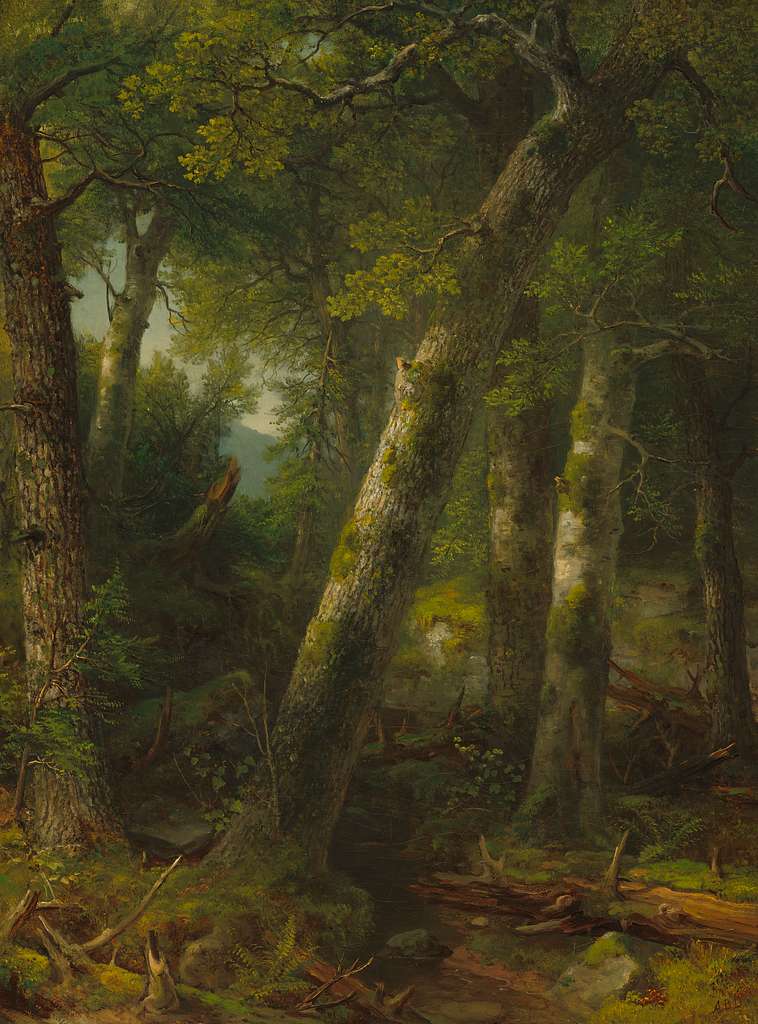
Forest in the Morning Light, 1855 (Oil on Canvas), by Asher Brown Durand

early morning is when the veil is thinnest, my soul most porous. i sometimes imagine the air i breathe then, the soft air, the air a recipe of oxygen and dew, is dispatched directly from the heavens. it’s why i slide out from under the bedsheet, to begin the percolating thoughts that rise while the coffee brews. i step outside, and there, as always, is my old friend ancient moon. all but winks at me, that moon, lets me know i’m not alone. there’s watchkeeping at work. from up where angels roam.

my thoughts feel less alone then. in bed they sometimes wrestle me, won’t let me sleep. but once i’m upright, once there’s mug in hand, and moon above, they settle down, fall in some semblance of a line. i find sense then. i feel infused then. infused in a Godly way. as if my gliding out of bed when the clock strikes five gives me just a wee little jump on what God might want me to consider. as if that might be the hour when the clarity comes.

this morning was one of those mornings, after a long, long week that took every ounce of courage my little self contained. i flew hundreds of miles away to talk to a doctor who knows a thing or two about the cancer in my lung. i walked into a shiny tower with expanse of glass, where as much light could shine in as the heavens had to spare. the place is infused with light, as if to tip the balance of all the darkness you can feel in every hallway, in every bent over human body, bodies leaning on canes, on walkers, in wheelchairs, on whomever walks beside them. where every body seemed to have an extra limb in the form of plastic tubes and tiny pumps, all attached, sometimes trailing, peeking out from under pant legs or flapping-open gowns, or tethered to misbehaving poles. all chasing out the demon cells that know not when to stop.

to sit in those waiting rooms is to witness human compassion at its most majestic. hands rubbing shoulders, rubbing backs. hands trying to knead the ache out of someone else’s flesh and bone. foreheads pressed against foreheads. words whispered. holy words. the most emphatic prayers i might ever have witnessed from across a room.

the prayers prayed there are the ones that gush up from untapped places in the soul. those places not known till life excavates to its deepest depths. till prognoses are spelled out, and sentences put forth — and i don’t mean the sentences with verb and nouns.

my visit was not so dire, but it was a visit that’s left me plenty to sift through, as i work hard — so hard — at absorbing all that’s been, and deciding how to seize my holy, holy days.

so i’m up early. where me and God are most likely to bump into each other. where sometimes when i plant my bum on the stoop just beyond the kitchen door, i almost feel another shoulder rubbing up against mine.


little gems just kept floating my way this week, in that way that sometimes blessings know to come. r.s. thomas, an anglican priest poet who kept watch on the rocky edge of wales, is one of my most favorite holy poets. i discovered him when i went to poetry school at yale divinity school a few blessed summers back. reading him always carries me back to the sunlit seminar room where i first met him.

THE BRIGHT FIELD

I have seen the sun break through
to illuminate a small field
for a while, and gone my way
and forgotten it. But that was the
pearl of great price, the one field that had
treasure in it. I realise now
that I must give all that I have
to possess it. Life is not hurrying

on to a receding future, nor hankering after
an imagined past. It is the turning
aside like Moses to the miracle
of the lit bush, to a brightness
that seemed as transitory as your youth
once, but is the eternity that awaits you.
— R. S. Thomas


this one came from a gentle tender soul who breathes poetry. i thought as i started to read it, that she had written it, but then i glanced down and saw “david whyte,” another in my pantheon of saintly poets, the ones who capture threads of my very own heart and weave them into stanzas…

AT HOME

At home amidst
the bees
wandering
the garden
in the summer
light
the sky
a broad roof
for the house
of contentment
where I wish
to
live forever
in the eternity
of my own
fleeting
and momentary
happiness.

I walk toward
the kitchen
door as if walking
toward the
door of a recognized
heaven

and see the
simplicity
of shelves and
the blue dishes
and the
vapouring 
steam rising
from the kettle
that called me in.

Not just this
aromatic cup
from which to drink
but the flavour
of a life made whole
and lovely
through the
imagination
seeking its way.

Not just this
house around me
but the arms
of a fierce
but healing world.

Not just this line
I write
but the
innocence
of an earned
forgiveness
flowing again
through hands
made new with
writing.

And a man
with no company
but his house,
his garden,
and his own
well peopled solitude,

entering
the silences
and chambers
of the heart
to start again.

   -from The House of Belonging
David Whyte


this one, from pablo neruda, needs no introduction. simply behold it.

Night,
night of mine,
night of the entire world,
you have something inside you, round
like a child
about to be born, like
a bursting
seed,
it is the miracle,
it is the day.
You are more beautiful
because with your darker blood
you feed the poppy being born,
because you work with eyes closed
so eyes can open,
so water can sing,
so our lives
might resuscitate. 

Ode to Night by Pablo Neruda (translated by Ilan Stavans)


and here, if you’ve read all the way down to here, is one last succulence. again, sent by a friend, a blessed friend, of this old chair.

Life is amazing. And then it’s awful. And then it’s amazing again. And in between the amazing and awful it’s ordinary and mundane and routine. Breathe in the amazing, hold on through the awful, and relax and exhale during the ordinary. That’s just living heartbreaking, soul-healing, amazing, awful, ordinary life. And it’s breathtakingly beautiful.

L.R. Knost

what time of day is thinnest for you? and did any gems flutter from the heavens for you this week?

i swear there must be more babies born in august than any other month (it’s not the case; i’ve checked) and some of my favorites are in the parade: my beloved brother david (today); my beloved blair (sunday, in which he will find himself among those competing in the triathlon world’s big national swim, bike, run along milwaukee’s lakefront); and my teddy (who is camping under the stars out in the rocky mountains for the next two weeks, and whose big day is tuesday). happy birthday to each of you whom i love with every chamber of my heart and then some! xoxoxox

there is no peace

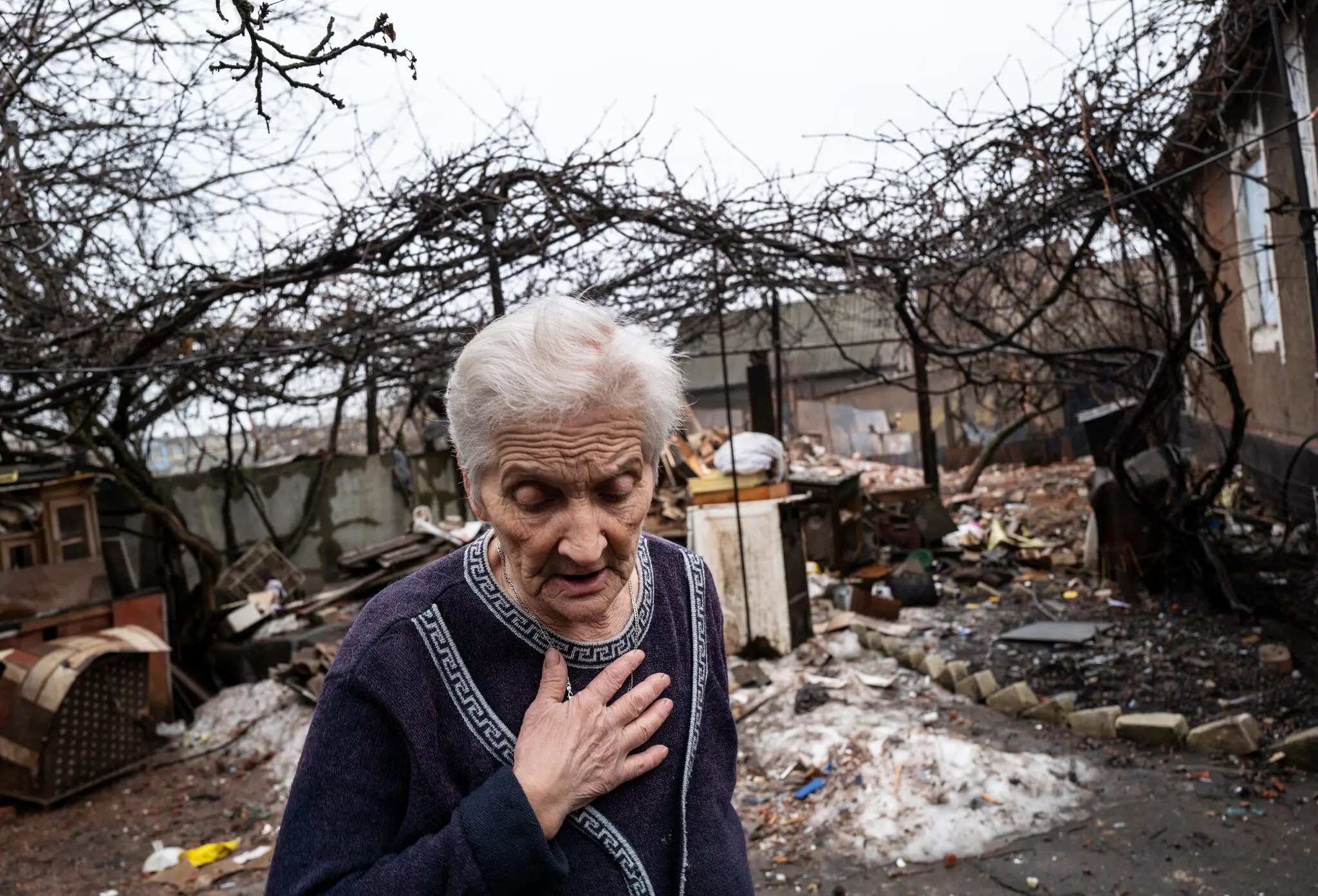
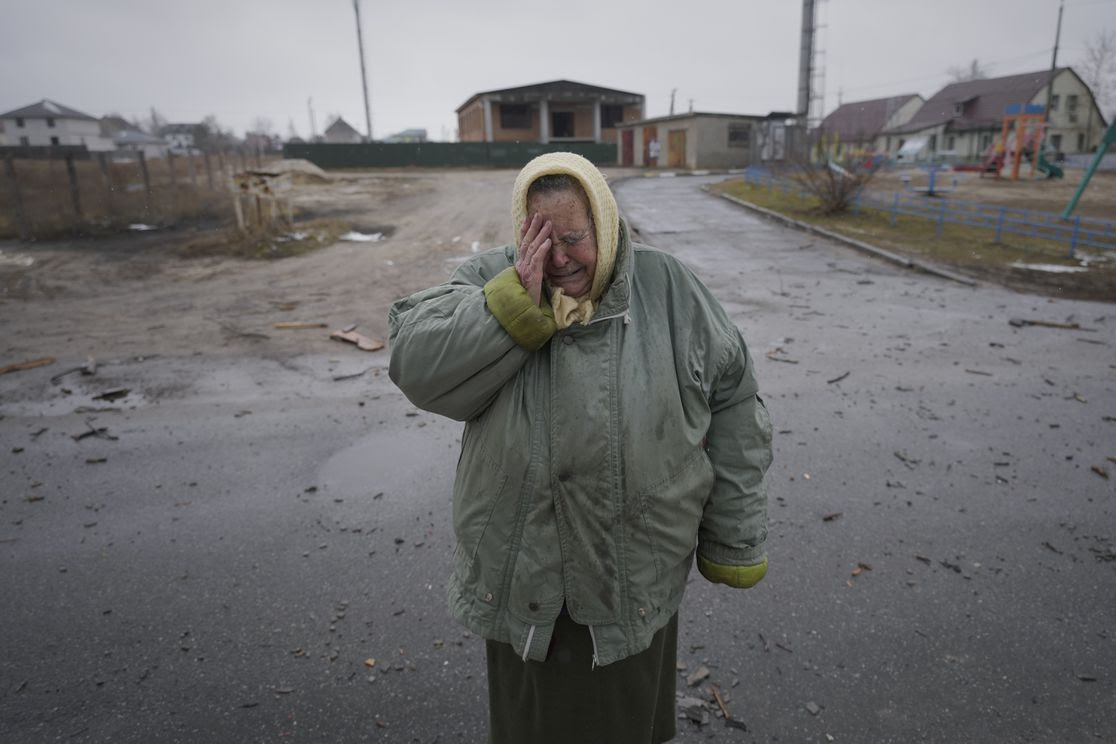
in eastern Ukraine, a woman standing in the ruins of what had been her backyard; photo from lynsey addario for the New York Times

we can’t get away from it, nor should we. as bombs rain from the sky, as hospital wings are mortared, and women in labor carried away, who are we to wonder which can of soup we might open? or which load of laundry to do?

as bodies in masses lie bloodied and dead in the road, escape made folly, how dare we flip through the page of a magazine, looking for words to carry us off? 

as old people, too frail to leave home, are shivering in their now windowless houses, neighbors cutting down trees, building fires for heat and for cooking, boiling snow for buckets of water, who am i to complain about all the times in a week i have to run to the grocery?

those are the questions, some of the questions, that plague us in this war time. war a word that now shrieks from the page. it should have shrieked sooner, shrieked louder, i fear. or maybe i just wasn’t listening, quite closely enough. wars until now have mostly not woken me in the night. but now the war does. 

i’m barely awake in the the murky hours of darkness, and the gnawing dread and the weight of this war are close enough to the thin icy edge of my consciousness that one little stirring brings it all back to mind, to heart. i’m fully awake then, startlingly so. 

i know, because the math now comes without pause, the eight-hour time calculation, i know that in the deep of my night it’s morning in kyiv, and bombs must be pelting again, so how can i go back to the business of sleeping? what if, while i keep my eyes closed, a child is lying cold and afraid––in a half-frozen field, at the back of a church, in a house ripped to shreds along with everyone else who’d been under its roof? except for that one lone child now trapped in the cold grip of terror.

i might sit in an armchair not long after dinner, and it might seem like i’m looking ahead, at the screen where a show rolls along, but i’m not paying attention. i’m wondering what it must feel like to count yourself blessed for crossing a border and leaving all else far, far behind. 

there is no peace on the planet. 

the very words war and peace now carry a weight that expands far beyond what had become almost a throwaway sense. i don’t think i realized before just how much volume they hold. i think i mostly dismissed them. considered them words mostly just holding a place. words with a hint of amnesia. words stripped of their grip on us. 

prayers for peace now hold a meaning that used to escape me. i imagine the day when the bulletin breaks, and we might hear the words, war ends. i pray for that day. i pray mightily. but i am wondering now how prayers in the holocaust felt? 

what prayer do you pray as you count the last seconds you breathe? i pray it’s a good one. and i pray even more that it’s heard on the other end. 

i imagine God is distraught. i know i am. i know nearly every last someone i know is. if they’re paying attention. paying attention to me is a prayer, so i pray it day after day. there are days when i want to turn off my attention. slink off to a safe little cove, wake up when it’s over. when the bulletin comes. 

in the times when my prayers are dried up, when my heart has run out of gas, i try to find someones stronger than me. someones who know how to keep going, how to stare fear in the face, how to not cover their eyes and their ears. i poke around looking for words to sturdy me, to steady my wobbly ways.

there is, so often, no better someone than the gentle-souled farmer who plows his own fields with draft horses and oxen down kentucky way. wendell is his name, wendell berry. and this poem of his––the last poem i read to a friend who was dying––is, like all the best prayers, a quiet wisp of a poem that slips in through the smallest chance it can find. i know this poem by heart, or pretty close anyway. but now, more than in a very long time, it reaches out from the dark and brings a most holy communion. 

i pray that some little child far off in ukraine might be wrapped in the whisper of wing that comes from a wild thing stirring. 

The Peace of Wild Things

When despair for the world grows in me
and I wake in the night at the least sound
in fear of what my life and my children’s lives may be,
I go and lie down where the wood drake
rests in his beauty on the water, and the great heron feeds.
I come into the peace of wild things
who do not tax their lives with forethought
of grief. I come into the presence of still water.
And I feel above me the day-blind stars
waiting with their light. For a time
I rest in the grace of the world, and am free.

Wendell Berry

from New Collected Poems (Counterpoint, 2012)

what brings you strength when you’re feeling wobbly, or weak in the knees?


lynsey addario, whose photo is above, is considered one of the greatest war photographers of the 21st century. she’s a fearless photojournalist, who focuses her work on conflict, human rights, and the role of women in traditional societies. she’s unflinching, she runs toward the scene, whatever it is, so we can all see. she was in the news this week because she took the picture of a family––a mother, her two children, and a church volunteer helping them run––dead in the road trying to escape kyiv. the new york times made the brave and important decision to run the photo–big–across its front page. addario, who is 48 and who was named a macarthur “genius” in 2009 , talked this week about making that photo; here’s what she said:

“I’m a mother, and I when I’m working, I try to stay very focused. I try to keep, sort of, the camera to my eye,” she said. “But of course, it was very emotional. First of all, I had just been sprayed with gravel from a mortar round that could have killed us very easily. So I was shaken up, and when we were told that we could run across the street by our security adviser, I ran and I saw this family splayed out and I saw these little moon boots and puffy coat.”

Addario added that, even though she felt it was disrespectful to take the photo, she thought that she had to.

“This is a war crime,” she said. 

and the world needs to see.

a note: i understand that for some it’s too painful to keep too close a watch. and i understand that our words can’t make a dent in the evil. but against the backdrop of suffering of this magnitude, i can’t imagine turning away.

beyond words…

we are waking up to a terrifying morning, reports of ukraine’s nuclear plant seized by the russians, after they spent the night shelling it, setting parts of it on fire, while every nuclear emergency team in the world huddled, prayed, awaited reports of radioactivity. word comes that the diabolical plot is not merely to cut the power grid to turn out the lights, but to freeze out the people.

our lungs are left breathless, our limbs are trembling. what hell has been wrought?

while the morning leaves room only for prayer, for collective mind-meld to beg to stop putin and his evil conspirators, my work of the week––keeping count, compiling a list of break-through moments of radiant light amid the gathering darkness––feels lame. but, because gathering each and any spark of hope and indefatigable humanity just might keep us from teetering, i will leave it here anyway.

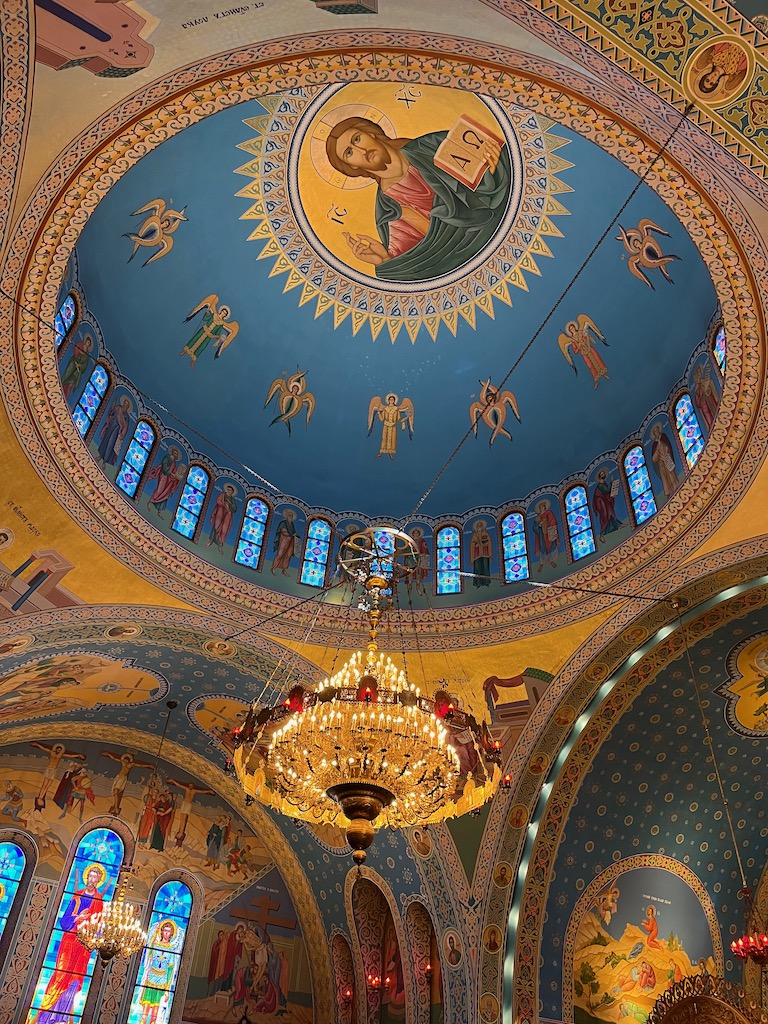
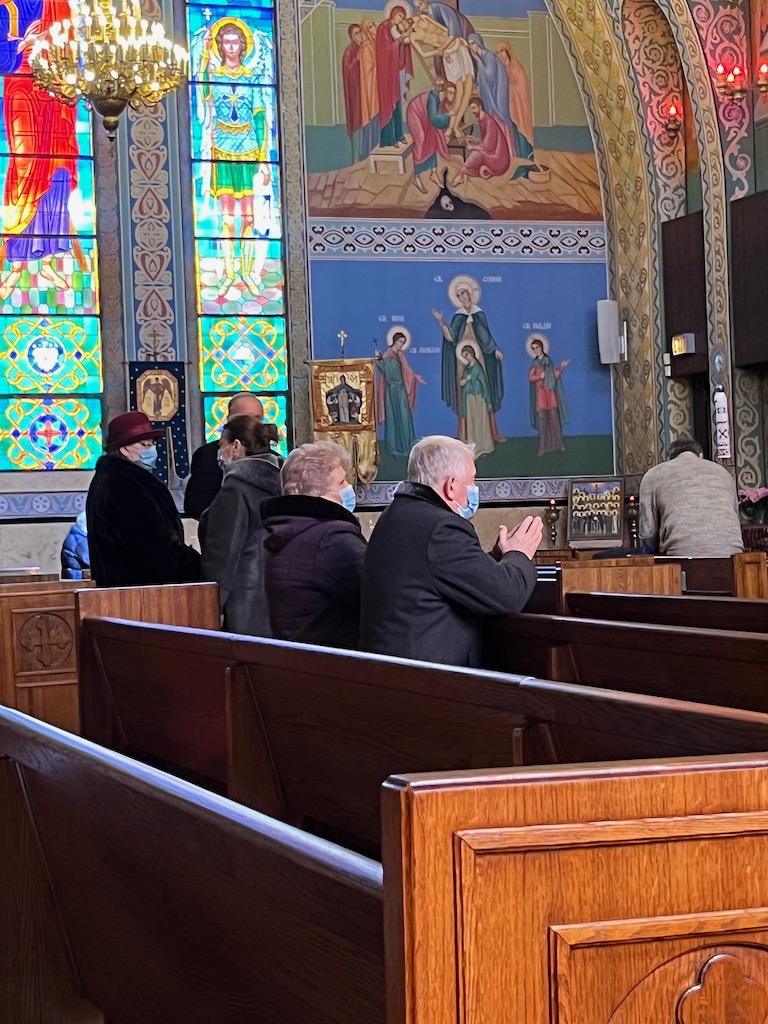
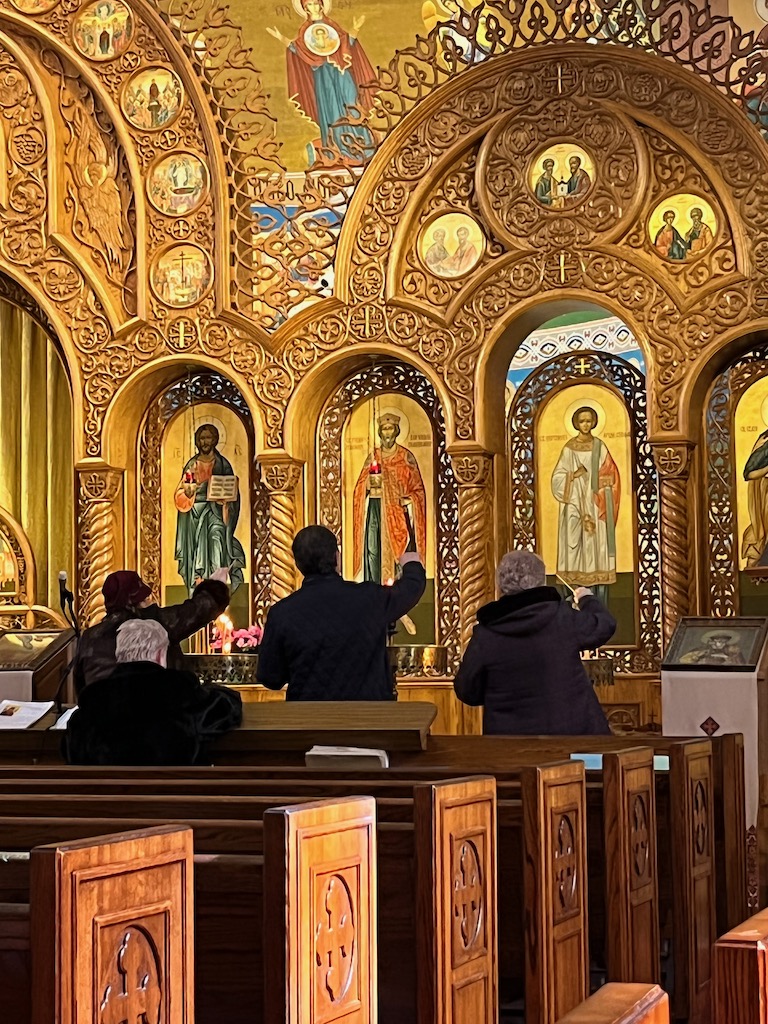
i began the week drawn to pray in one of chicago’s breathtakingly ornate ukrainian churches. not a word was in english (though i did recognize “alleluia,” and “kyiv,” and “kharkhiv,” among the many slavic syllables). but no words were needed to read the faces of the deeply devout, hands clasped, making the byzantine sign of the cross over and over and over (tracing the shape of a cross in the air, but touching the right shoulder first before the left; thumb, index, and middle fingers pressed together, an invocation of the holy trinity).

the faithful came in traditional garb, vyshyvanka, the glorious embroidered shirts worn by men and women alike. and they came americanized, in black leather pants and skiwear. fur, in pelts or jackets, was abundant. but it was the faces i’ll never forget: etched in despair, fervent in prayer. the queue to light candles on the side of the altar never let up, each petitioner clutching crumpled dollar bills in his or her fist, clear through the hour-long mass, a choreography of mystery and reverence, faith and fortitude, i’ll not soon forget.

the lighting of candles never let up

as the week wore on, the reports more and more dire, i began making a list, because otherwise we might be engulfed by sorrows. these are the moments i am holding onto with all my heart, when the resilience of human kindness and hope refuses to die:

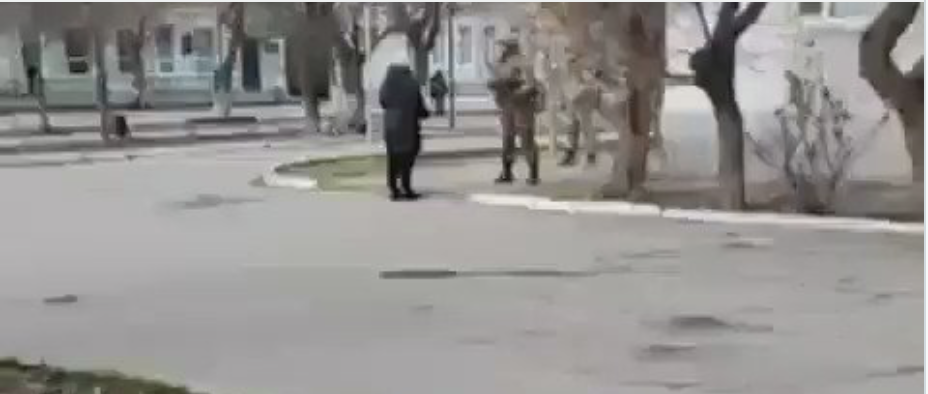
did you see the ukrainian grandma who walked up to an armed russian soldier, asked him what the (heck) he was doing there, told him he was an invader, an occupier, a fascist, and then handed him a fistful of sunflower seeds, and told him to put them in his pocket so that when he dies sunflowers (the ukrainian national flower) will grow from his corpse? and before she turned away, she let him know that from that moment on, he was cursed?

ukrainian “sunflower” grandma confronting russian soldier

did you see the ukrainian woman with the purple streaks in her hair who gave tea and cakes to a captured russian soldier, a young man with nothing but peach fuzz on his reddened cheeks, and when the purple-haired woman used her phone to call the soldier’s mother, natasha, the soldier broke into tears and blew a kiss to the phone?

did you see the little 8-year-old girl who spent her days in the underground subway station crocheting a tiny pink heart, and then she tapped a stranger on the shoulder, and gave it to him?

did you hear the UN translator’s voice crack as he echoed in english the words of ukraine’s president volodymyr zelenskyy, who called out to the world: “Nobody is going to break us. We’re strong. We’re Ukrainians. We have a desire to see our children alive. I think it’s a fair one.”

did you see the ukrainian grandma cradling a cat, giving a very emphatic middle finger to the passing-by russian brigade?

did you see the thousands of romanians, lined up in their cars, waiting at the ukrainian border to welcome the tired, the hungry, the cold, the women and children and babies fleeing for their lives? 

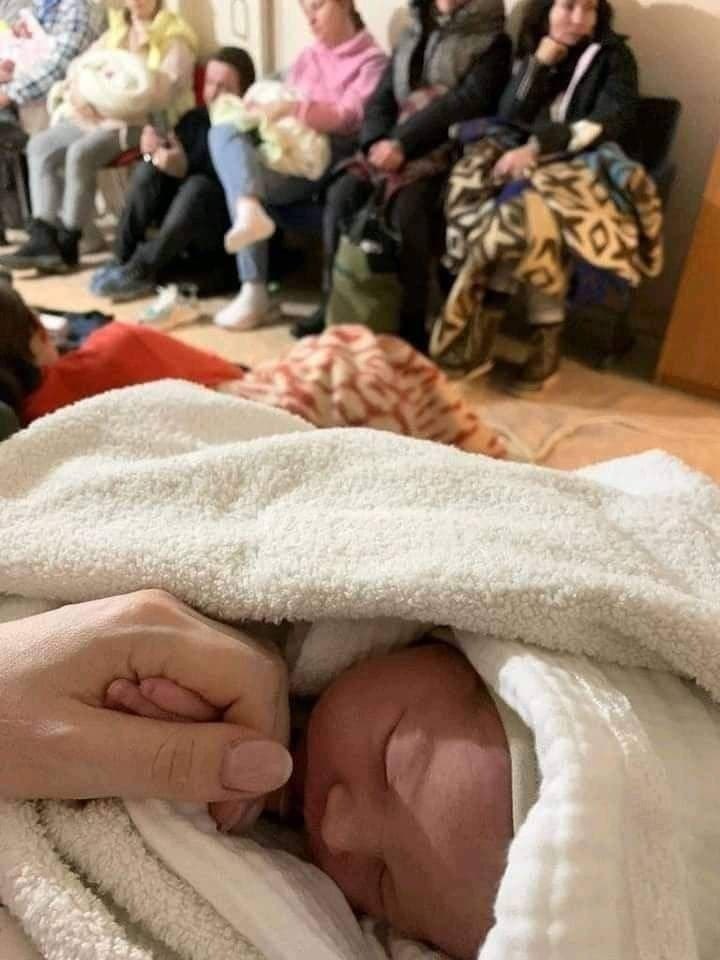
baby born in kyiv subway shelter

did you see the baby born in the subway shelter in kyiv?

or the ukrainian woman who crossed the border into hungary with the phone number of a woman she’d never met and two children who’d been entrusted to her––along with their passports––by a man not allowed to leave, who thrust his children into her arms, and instructed her to call the number once they crossed into safety. and not long after she placed the call, the mother of the two children approached; mission accomplished. mother and children, reunited. (the children’s mother had left ukraine earlier, with two younger children, but once it was clear the older children needed to leave, and the father was not allowed to cross the border, he turned to a stranger, and begged, please get my children to safety; if you call this number you will find their mother. and she did.)

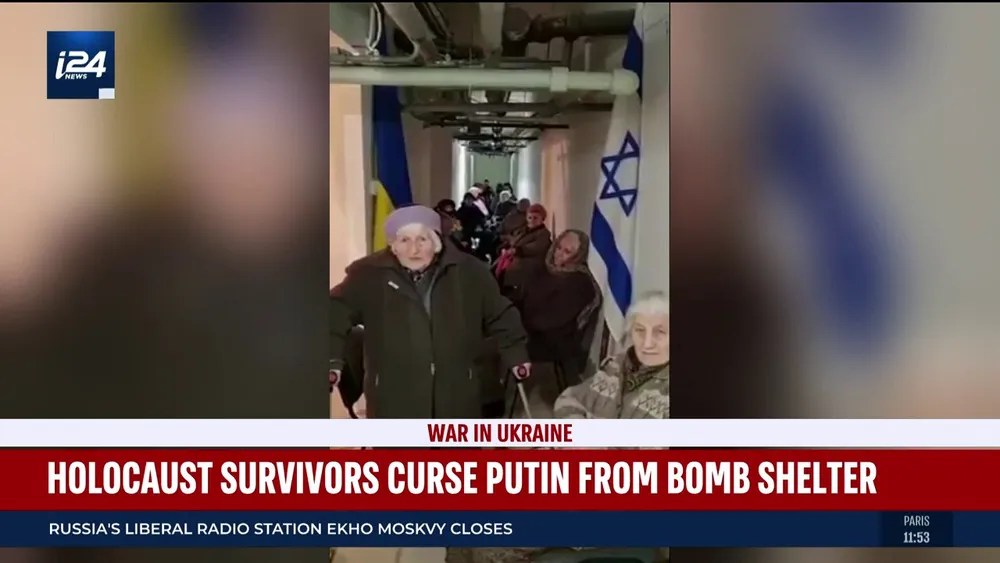
or the holocaust survivors huddled in a bomb shelter in ukraine, with the flags of israel and ukraine limp behind them, voices cracking as they cursed putin and asked for peace?

have you seen the thousands of germans who crowded into the central train station in berlin to offer fleeing ukrainians a place to stay? and they came with hand-penned placards in german, english, and ukrainian, offering welcome. “i was very scared, i had to get out from this hell,” said one ukrainian woman as she stepped off the evacuation train, and fell into the arms of a berliner she had never before seen or known.

the images keep coming, moving us to tears upon tears, bringing flickers of something that every once in a rare while feels like the faintest outline of hope. but they fade away, and we are haunted once again by this horror we cannot stop. 

Lord, have mercy.

what images from ukraine are etched in your heart this terrible morning?

exercise in empathy, another name for prayer

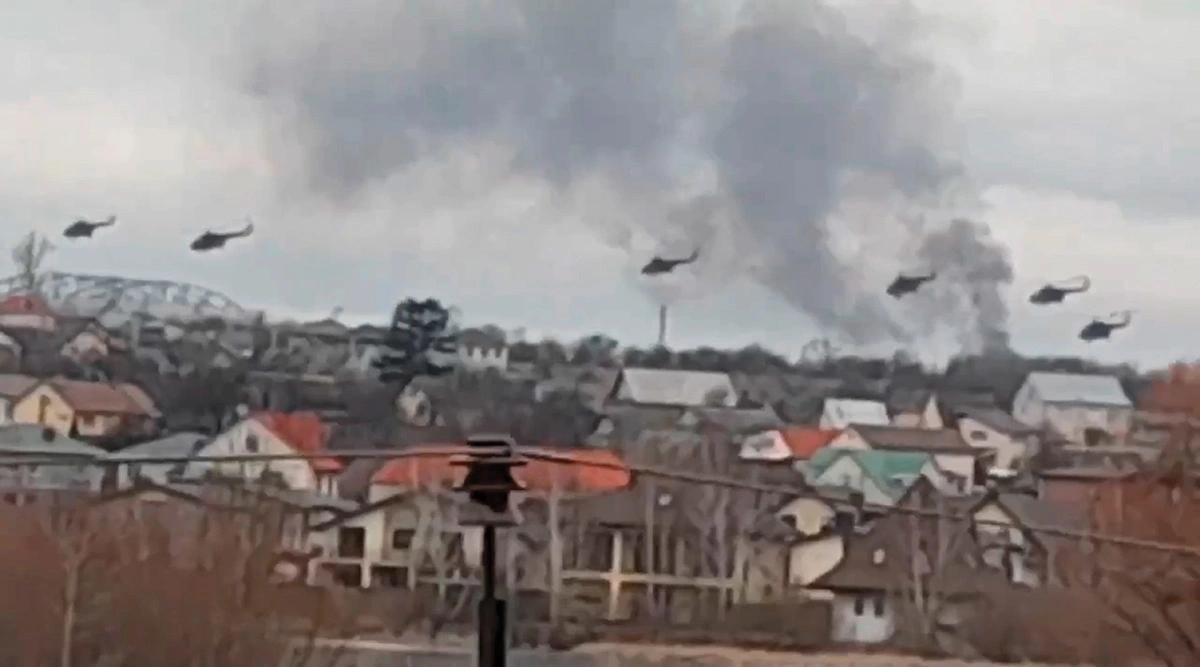
A screenshot of a video released by the Ukrainian Police Department Press Service of military helicopters, apparently Russian, flying over the outskirts of Kyiv, February 24, 2022 

can you imagine? can you imagine waking up with your bedroom windows shaking, a distant thump unmistakably drenching you in dread, even in the liminal fog of your pre-dawn dreams? 

can you imagine lifting your newborn from the crib, cradling him against your breast, and running in the cold to the nearest subway shelter, where you will then spend hours upon endless hours, hearing the faint cacophony of what you know to be bombs exploding on a land you call your own?

can you imagine? 

can you imagine rushing to your kitchen, clearing shelves of whatever might fuel you in the long hours ahead, grabbing your dog, your kids, your passport, and climbing behind the wheel of a car with only a half tank of gas, a tank you meant to fill the day before but one of the kids got cranky so you thought you’d put it off? 

can you imagine if you were due to show up for an MRI to see how far the cancer had spread, how fractured was the tibia, the hip, the wrist, but now the air-raid sirens blare through the dawn and you have to weigh a trip to the hospital or the nearest border? 

can you imagine watching your father fill his duffle bag, turning toward the door, pausing to kiss you on the forehead, watching the tears well up in your mother’s eyes, seeing how her hand now is shaking, how she clutches the sleeve of your father’s coat, and how he pulls himself away, unlocks the door and steps out into darkness? and your mother fills the sudden emptiness with a wail you’ve never heard before?

can you imagine holding a ticket to a flight out in the morning only to awake to find the airports all are closed, bombed in the night, and no air space is safe for flying?

imagining is imperative. imagining is how we weave the invisible threads that make us one united people, that make us begin to know what it is to walk in another’s hell. 

imagining is the birthing ground of empathy. 

and empathy fuels our most selfless urgent prayer. 

empathy––a necessary precondition for loving as you would be loved, the necessity of imagining another someone’s pain or fear or desperation, for sometimes imagining nothing more complicated than cold or hunger or exhaustion so overwhelming you’re sure your heart is on its last full measure––empathy is the exercise that puts form and fuel to prayer, that enfolds its stripped-down architecture in the flesh of humanity. be it agony, or terror. be it frenzy, or dizzying confusion.

empathy is what lifts our prayer out of the trench of numbness, muttering words we memorize but do not mean. empathy fine chisels each and every prayer. catapults us beyond our own self-obsessed borders, across time zone or geography. conjoins our circumstance with that of someone we have never met, someone whose predicament is dire, and is––in fact––beyond our most ignited imagination.

truth is, our empathy cannot take us the whole distance. cannot––despite our deepest straining––plant us in the fiery pit of what it is to be awaking to the bombs, watching the ones we love walk into the inky darkness, not knowing for weeks if they’re dead or alive, maimed or shackled, or someone else’s prisoners of war.

but it’s the place to begin.

and isn’t the whole point of praying to reach across the emptiness, the void, to unfurl the one first filament that might begin to bring us side-by-side, in soul and spirit if not in flesh? 

don’t we sometimes pray as if to hoist another’s leaden burden onto the yoke of our own shoulders? 

isn’t the heart of it to lift us as one? we’re not here as parties of one, churning up our own little worries, butting our place to the front of the God line. we’re here to pay attention. to scan for hurt and humiliation, to go beyond, far beyond, lip service and throw-away lines.

imagination––the exercise of empathy––is a God-given gift, it’s the thing that equips us to love as you would be loved. without it, our every petition is flat. is a waste of our breath, really.

we invoke the hand, the heart of God, yes. but isn’t it our business, our holy business, to get about the work of trying to weave us into true holy communion?

it is our empathies that just might save us as a people, that just might move us toward the place where all our prayers rise in echo, from all corners, nooks, and crannies.

it’s not often we wake up to war. but we did this week. and so we will in the weeks and weeks to come.

i awake now in unending prayer. another name for exercising empathies, to stay awake to the suffering now inflicted on ones we’re meant to love. even if we’ll never know their names.

***

i searched for a prayer for peace, and came circling back to this, from ellen bass; it is a prayer for all, no matter to whom or what or how you pray:

Pray for Peace

Pray to whomever you kneel down to:
Jesus nailed to his wooden or plastic cross,
his suffering face bent to kiss you,
Buddha still under the bo tree in scorching heat,
Adonai, Allah. Raise your arms to Mary
that she may lay her palm on our brows,
to Shekhina, Queen of Heaven and Earth,
to Inanna in her stripped descent.

Then pray to the bus driver who takes you to work.
On the bus, pray for everyone riding that bus,
for everyone riding buses all over the world.
Drop some silver and pray.

Waiting in line for the movies, for the ATM,
for your latte and croissant, offer your plea.
Make your eating and drinking a supplication.
Make your slicing of carrots a holy act,
each translucent layer of the onion, a deeper prayer.

To Hawk or Wolf, or the Great Whale, pray.
Bow down to terriers and shepherds and Siamese cats.
Fields of artichokes and elegant strawberries.

Make the brushing of your hair
a prayer, every strand its own voice,
singing in the choir on your head.
As you wash your face, the water slipping
through your fingers, a prayer: Water,
softest thing on earth, gentleness
that wears away rock.

Making love, of course, is already prayer.
Skin, and open mouths worshipping that skin,
the fragile cases we are poured into.

If you’re hungry, pray. If you’re tired.
Pray to Gandhi and Dorothy Day.
Shakespeare. Sappho. Sojourner Truth.

When you walk to your car, to the mailbox,
to the video store, let each step
be a prayer that we all keep our legs,
that we do not blow off anyone else’s legs.
Or crush their skulls.
And if you are riding on a bicycle
or a skateboard, in a wheelchair, each revolution
of the wheels a prayer as the earth revolves:
less harm, less harm, less harm.

And as you work, typing with a new manicure,
a tiny palm tree painted on one pearlescent nail,
or delivering soda or drawing good blood
into rubber-capped vials, twirling pizzas–

With each breath in, take in the faith of those
who have believed when belief seemed foolish,
who persevered. With each breath out, cherish.

Pull weeds for peace, turn over in your sleep for peace,
feed the birds, each shiny seed
that spills onto the earth, another second of peace.
Wash your dishes, call your mother, drink wine.

Shovel leaves or snow or trash from your sidewalk.
Make a path. Fold a photo of a dead child
around your Visa card. Scoop your holy water
from the gutter. Gnaw your crust.
Mumble along like a crazy person, stumbling
your prayer through the streets.

–Ellen Bass

how did you learn to pray?

a note in an age of war: when the first reports started seeping in, when the news broke the other night that shelling had started along the northern, eastern, and southern borders of ukraine, it wasn’t long till i found myself thinking of all of you here at the chair. i knew we would all be huddled on the edge of our armchairs, keeping watch, keeping terrible watch. made me wish that every once in a while we could be together in real time, with our real faces and voices. our hearts and souls come to life. maybe after two years without company, without mornings when i set out mugs and bowls spilling with clementines, i am getting hungrier for human contact. made me wonder if maybe one day soon we should gather in a zoom room. i’ll leave this as a thought. i know we’re a gaggle of rather shy souls, but even us shy ones sometimes hunger for company. true company.

p.s. haven’t heard a peep from any editors so my wait for edits continues….

the necessary and somewhat radical act of saying “i have sinned”…

the idea, the sacred idea, is to step out of and away from the worldly, the den of sin and brokenness, the everyday landscape where we knock around and are knocked around, where some days we haul ourselves to bed only after rinsing off the scrapes and skinned knees and slapping on a slew of bandaids. 

the idea is that for one cycle of darkness to light to star-salted dusk, we burrow deeper and deeper into a journey of the soul. to scour every last particle of grit and grime that gets in the way of the blessedness we are, the blessedness we might have forgotten long, long ago. to emerge into a radiance that matches the heaven’s-on-fire setting of the sun.

one great rabbi taught that on yom kippur, the holiest of holy days in the jewish calendar, the day of deep atonement, we are to stand in front of the great mirror, to see ourselves as the divine sees us, stripped of our excuses and rationalizations, our denials and self-trickeries: to see our brokenness, our bumps and our bruises, the hurts we’ve held onto long after expiration date, and, too, to see fully and in fine grain all the tender places and the faintest stirrings of our hopes and dreams, the inkling that we do have the courage — and the grit (the good kind) — to put muscle to the blessedness we’re called to be. 

we begin with confession. vidui, the hebrew word for confessing. we confess in short form (vidui zuta) and, because that would be short-shrifting our fumblings and failings and only half doing the job, we do it again in longform (vidui rabbah), poking around in all the places where we pretend we’ve hidden what hurts, scrubbing out each and every crevice, spilling all our secrets and the moments when we know we’ve stumbled and precisely how we’ve done so.

we live in an age without much confession. extreme defensiveness seems to be the preferred posture, the safer stance, necessary armor in the rough and tumble of this gory global moment. i’m sorry’s are mumbled or slurred. we sneak one in, if at all, and hope it doesn’t halt the proceedings, call too much attention to itself, to our admitting how far we sometimes fall. 

but from the start, the jews — a people with whom i’ve been practicing now for more than three decades, along with my practices catholic and anglican, my practices in all paths toward a life that is holy (and by practice i mean not only the noun but also the verb, to try again and again) — they’ve set themselves apart. they see themselves as a people commanded to strive for holiness, not just individually but collectively. as a people. as a nation. a people with whom God has chiseled out a covenant; follow me and my ways, and I will harbor you and bring you abundant fruitfulness.

and with a nuanced grasp of the innermost self, fluent in the light and shadow of the soul, daring to stand naked, to wrestle and argue with God, jews erect a tabernacle of confession into the holiest of holy days. traditionally, it’s an acrostic, an accounting of sin in alphabetical inventory, spoken aloud and collectively, in the third person. ashmanu, bagadnu, gazalnu, dibarnu dofi…kizavnu, latznu, maradnu, niatznu…we betray, we steal, we scorn, we act perversely…we have deceived, we have mocked, we have rebelled against God and his Torah, we have caused God to be angry with us. 

in a commentary on the acrostic confessional, known as the ashmanu, one rabbi (Alan Cook) writes of how, over a lifetime, he’d squandered his once-innocent alphabet, the 26 letters he’d learned as a child, hardened it, allowed A to stand for apathy, B for brusqueness, C for coarseness, and he prays: “Help me, then, to return to that innocence. / Let the letters be letters once again, / And let them rise to the heavens / And form into the words / That You know I wish to say.”

the words that You know I wish to say…acknowledging how, even before God, it is so, so hard to admit our sins, to put breath to the naming of each and every one. 

it’s that breathtaking truth-telling at the foot — or in the face — of the divine that arrests me. stops me in my pilgrim tracks. draws me deep into the embrace of this ancient people who so profoundly and poetically unspool the most intimate utterings of the soul. makes me certain we are meant to lean on and learn from each other’s most finely, surely trod paths to the mountaintop, the place where the Holiest of Holy dwells. 

i might not make it through the whole alphabet, not in one sitting anyway, but it seems right to try to insert an act of contrition, confession, into the public square of the 21st century in the midst of pandemic, and flood and drought and fire, and never-ending vitriol. 

this tiny pebble i will try to cast, may it ripple at least as far as across this old scarred table. and in the spirit of the ancient peoples who do not flinch, may it plumb true depths and stirrings.

i begin with these words from the prayer book of Yom Kippur: You know the secrets of the universe and the secrets of the human heart. You know and understand us, for You examine our inner lives. Nothing is concealed from You, nothing hidden from Your sight. Eternal One, our God and God of our ancestors, we pray that this be Your will: forgive all our wrongs, pardon us for every act of injustice, help us atone for all our moral failures.

for these sins, our God, we ask forgiveness: 

for the times we avoid and evade, because we’re too afraid to put breath to truth. for being ashamed of who we are, or how we look or think or act, for allowing the self-criticism to serve as excuse for retreat.

for betraying the ones we love, and all who need an ally.

for calculating kindness, measuring it out for motive, rather than its own unfettered sake. for cold shoulders when we couldn’t — or wouldn’t —muster warmth.

for denying what we believe in, too spineless to stand with our convictions.

for eclipsing the words, or thoughts, or gestures of those who share our space, in those moments when we fail to simply listen, to turn the stage to those whose voices aren’t so loud, so certain.

for falling short a hundred times a day — or hour — because we sell our own selves short; the sin of false modesty, a sin of not stepping up to the plate for which we’re made.

for going with the crowd when we know we’re meant to go another way, a lesser trod way, simply because we shy away from stirring any sort of friction.

for hurling hateful, vengeful thoughts at those we deem “against us,” those who overpopulate the public square, who by their words and actions seem hellbent on inflicting pain. and so we justify our sin by deeming them deserving of every vile drop. because we pretend we’re holier.

for ignoring muffled cries from those who are hurting, are lonely, are cast aside, those who seek the simple solace of one warm soul to walk beside. and for inflexibilities, when we can’t bend to whatever life is asking of us, even if it’s the merest accommodation, one that might make another’s day just a little easier.

for jealousies in all their bitter poisons. for judging far too swiftly with far too little evidence or reason.

for kindness we were too lazy to extend. 

for love we withhold, a self-righteous tax we convince ourselves is ours to dole out or deny as we so choose. 

for mindgames we play, locking ourselves inside cages of our own making.

for not noticing the quiet hurt our words or inattentions inflict.

for obstinance, the rigid stance of non-surrender, when simple empathies would unblock a holy current.

for pretense and prejudice, thinking somehow we’re superior in any way, shape, or form.

for quietly shuffling away from rough spots where we might otherwise leave a mark of reconciliation or compassion, or simple healing.

for refusing to unclench our tightly-furled fist, for thinking that to let go is to tumble down a precipice rather than realizing that in releasing we just might catch an updraft.

for sleepwalking through too many days of our lives. 

for time and again falling into the same traps, the ones that hold us back from those tiny fuels that might propel us.

for underestimating ourselves and those who surround us, for not giving the benefit of the doubt and banking on our better instincts.

for venomously casting stones on those who think or see the world in ways other than we do.

for wasting precious, precious time.

for xenophobia, of course, the scourge of casting “other” as “less than.” and turning our backs, closing our doors and our borders, to their agonies and sufferings.

for yoking ourselves to old rhythms that only serve to hold us back, for a stubborn resistance to letting go of anxieties and quirks that chain us to a hollow past. 

for over-zealously chasing after whatever in our lives feels out of reach: be it love or attention, or the peaceful coexistence chiseled out of old animosities.

Avinu Malkeinu, almighty and merciful God, hear our voice, wield compassion, renew us for a year of goodness, let our hands overflow with Your blessings.

amen.

i have to wonder if the constraints of A,B,C, eclipsed a more nuanced confession, or if the alphabet nudged me toward nooks and crannies i might have overlooked. but more importantly:

what alphabet letter, what frailty or failing, might you step forward to confess, to form the words so hard to say?

prayer list

i remember walking the halls of my high school, tucking a day’s worth of worries into my backpack. i might have bumped into tears in the girls’ bathroom (for that’s what it was called back then). i might have noticed someone slam a fist to a locker. or leaned in to listen while threading my way through the throngs in the halls. i’d sit in my bedroom at night, tucked between the two twin beds, sprawled on my old braided rug, and one by one, i’d scribble a note, cut out a heart from construction paper, try to put words to all of the heartache, and the next morning i’d make like the valentine fairy and deliver each one. it was my earliest rendition of keeping a prayer list.

gathering up the heavy hearts of the day is what it means to live and breathe on this planet. we hoist up each other’s loads, to try to shoulder the ache in the hearts of the people we love. in the aches we just happen to hear about. and we don’t put them down till the darkness has lifted, has shuttled off to the distance.

i’m thinking about prayer lists because once again i found someone’s very big worry this week. and my heart, like hers, is now hurting. i’ve no idea really if taking on worry is something like taking on water. if now two boats are low in the lake, and that’s the whole of it, or if my taking on a bucket or two of hers might actually buoy hers even an inch. i’ll go with the inch. i do know that in my own hours of barely being able to breathe it sure helped to have someone ping me, let me know they were squeezing my hand from afar, reminding me every once in a while to remember to take a deep breath.

in the world where i grew up, prayer lists were as common as the alphabet. you heard about a heartache, you scribbled it onto your list. recited it every night before dinner, and when you dropped to your knees at bedtime. when it was really bad, a gargantuan worry, you called up the rectory and asked the church secretary to please scribble “special intention” onto the list. sometimes it felt like your whole pocket was filled with a long string of beads, one for each worry.

or maybe i was just raised by world-class worriers, and i learned early on that there are certain things that wrinkle your brow, that make you stare into the faraway. and that prompt you to scribble a name on a list, and stick it onto the fridge under a magnet. in the world i grew up in, worries weren’t simply invisible. worries showed up in pencil on paper.

i can’t imagine not worrying. but maybe to worry is another name for “to care.” to bump up against the hard edge of our superpowers, and see there’s a cliff and we can’t go one step farther, not even an inch. which is where the prayers swoop in. which is where we throw up our arms, and look toward the clouds, because a hundred thousand years ago someone might have mentioned that that’s where the angels hang out. but, honestly, truly, those are just motions. the point is we knead into our hearts, into the very core of our breathing, the clear and certain intention of the someone we know, or the someone we love, who is bearing an impossible burden. and life sure would be easier if we were all out pushing each other’s wheelbarrows. if we all gathered round, 1-2-3 hoist!, and did what we could to carry their loads for even a minute.

so, for my faraway friend who i love very much, i turned to one of the saints i met in my life, a very, very tall and glorious soul who once folded himself into the brown-plaid front seat of my little brown toyota corolla. his name was john o’donohue, and at the time he was a priest, a priest with a brogue (the very best sort), and a poet with a soul so big you felt like you could climb right in it. he was in the business of putting words to the flickers and blips of the heart that escape most everyone else on the planet. but he had telepathies and poetries inside him, and he wrote like nobody else’s business.

this is the blessing — the beannacht — he wrote for his mother. it’s nearly famous now, but it’s so very beautiful, and it captures nearly every last drop of the wobbles and soft spots that come when life hits the skids.

this is for my friend who i love, from a poet i call a most blessed friend, an anam cara, or soul friend, a concept my poet friend made a little bit famous because he wrote a book all about it.

a beannacht from john o’donohue, God rest his soul; born on a new year’s day, he died in his sleep the night after january 3, in 2008, just barely 52.

john o’donohue, anam cara, friend of the soul

On the day when
the weight deadens
on your shoulders
and you stumble,
may the clay dance
to balance you.

And when your eyes
freeze behind
the grey window
and the ghost of loss
gets into you,
may a flock of colours,
indigo, red, green
and azure blue,
come to awaken in you
a meadow of delight.

When the canvas frays
in the currach of thought
and a stain of ocean
blackens beneath you,
may there come across the waters
a path of yellow moonlight
to bring you safely home.

May the nourishment of the earth be yours,
may the clarity of light be yours,
may the fluency of the ocean be yours,
may the protection of the ancestors be yours.

And so may a slow
wind work these words
of love around you,
an invisible cloak
to mind your life.


what are the lines you recite when you are carrying the worries of someone you love?

here’s my long-ago tribune story about the day i spent with the blessed poet, which just so happens to have run in the paper on st. paddy’s day, in 1999. so it’s fitting for this week, 22 years later. egad.

turning the page…

before the light on this new year falls, i am bent at the old maple table, prayer unfurling. the incense simmers on the stove, an extra fat star anise tossed amid the tumble in my spice-stocked pot. i am straining to fill the air with those few pure things, those hopes, those determinations that this year — this nother round of possibility — might bring, other than the cinders we’re shooshing out the door.

i’m no fool, been knocked around enough to know that there’s no prestidigitation in all the world that will suddenly wipe clean the slate, cast all sin, open wide the barn doors for all those gentle kind and tender things we espouse.

but i’ve not lost hope, not every shred. and in finding the words of dear alfred lord tennyson on my doorstep here this morning, i am reminded that in the archeologies of time, strife is the stuff of human existence. it’s always been a battle of forces — of evil versus noble, of stingy versus bountiful, of cruel versus the world those gathered here do believe in.

tennyson, deep in grief at the ringing in of the new year after the death of his dearest friend in 1833, wrote these words in his great elegy, In Memoriam (in sum, tennyson’s masterwork is 133 poems — or cantos — in one), beginning canto CVI, or 106, “ring out, wild bells, to the wild sky…” and he went on to implore a rinsing, an ablution that rings eerily in echo of the now:

Ring out the grief that saps the mind

For those that here we see no more;

Ring out the feud of rich and poor,

Ring in redress to all mankind.

Ring out a slowly dying cause,

And ancient forms of party strife;

Ring in the nobler modes of life,

With sweeter manners, purer laws.

Ring out the want, the care, the sin,

The faithless coldness of the times;

and in the last lines of this canto, tennyson implores:

Ring in the valiant man and free,

The larger heart, the kindlier hand;

Ring out the darkness of the land…

i sign on with tennyson. and believing in simple math — that the smallest increment adds to the aureole of goodness spilling across the undulations of our lives — i commit to baby steps.

sometimes, that’s the hardest truest place to begin. it gets us in the craw of who we are, and muscles up against who it is we aim to be.

so, in part, here goes:

i commit to shrugging off the unkind tone, the odd stumble in a conversation, not garnishing it as ammunition for a cockamamie theory that that someone never liked me in the first place, and thus it’s fair for me to assume defensive posture next time round. i commit to taking a deep-down cleansing breath and resolutely ringing the doorbell of the neighbor who seems to flinch from human contact, delivering without need for words a tin-wrapped loaf of kindness, or whatever seems the wisest gentlest peace-bridging offering. i commit to looking the lost, the hurt, the invisible, in the eye. i commit to picking up the phone, even when i’m dishrag tired. i commit to listening. and i commit to going first when i’m sorry are the words so needed.

if we want a world unlike the one hellbent on taking over, we need be the ones in the trenches. the ones who won’t retreat, relent, surrender.

i’m not talking sweeping social change, or abrupt reverse of course in the global policy department. i’m not so equipped. not steeped in all the necessary tomes for such bold move. i have figured out my place in the chessboard of this life, and i am all the more determined that it’s the fractional advance, the barely perceptible softening of the heart, the extension of the hand, the saying, i see you, i see your pain and i am here for you to lean on, i am here to embolden you, to put courage to your conviction. i am here to sit beside you, for however long it takes.

the daylight is up now, casting faintest shadow on the snow. it’s taken me that long to scroll the annals of my heart, to fix my spot on the map of the new year now upon us. more than anything, as the news pings roll in, as i hold my breath for the days ahead, as i pray the world begins to tilt in the favor of goodness, truth, and, yes, the deepest mercy, i turn to the heavens, i fall to my knees and i echo the good lord tennyson, ring in the larger heart, the kindlier hand, dear holy blessed Adonai, ring out the darkness of the land.

light is what we beg for. light is what we need.

let us be the wicks you spark this day. and the next and the next….

what might be the baby steps to which you commit? no need to write them here, but in your hearts, perhaps?

true Christmas morning prayer…

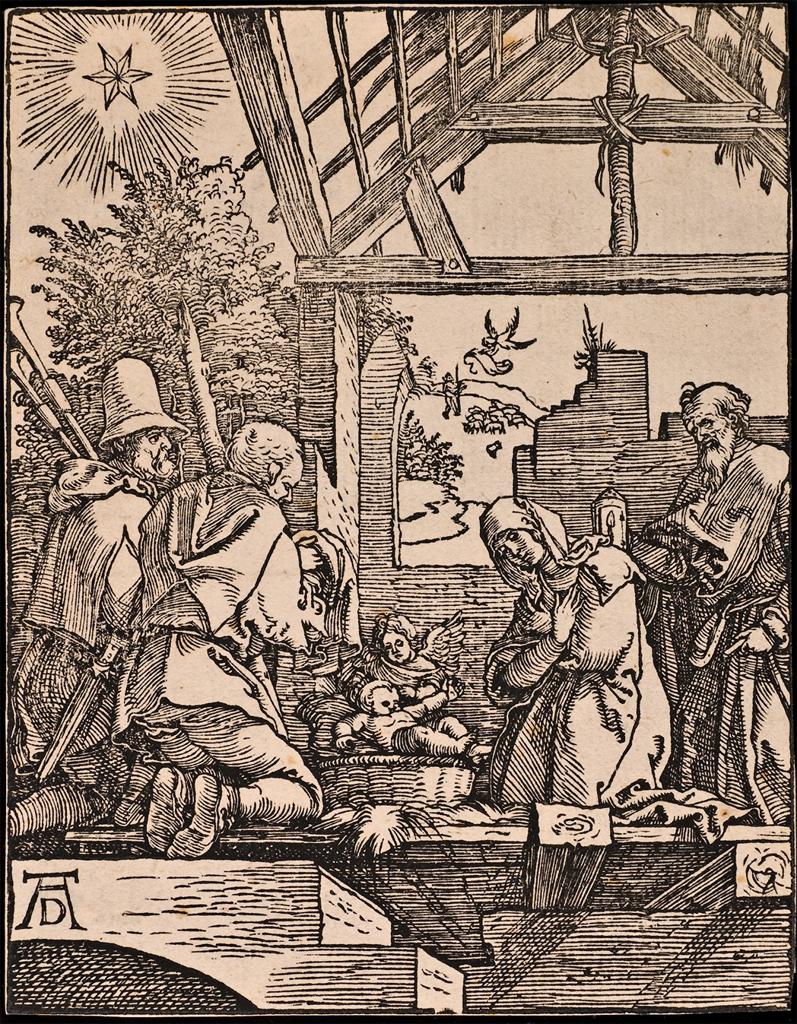
that first Christmas, the one that for millennia we have gazed upon, meditated over, infused into our sugar-spun dreams, was as stripped-down as the ones perhaps unfurling under our own roofs this year.

there was no garland, only straw. no sparkly tree, only the boughs of whatever bush nestled against the flimsy walls of the barn. there were no carolers, only the lowing of the cow, and the clucking of the miserly hen who laid but one egg each dawn. 

what was was a mother in labor, her anguished cries of birth echoed decades later in the anguish of beholding a necessary crucifixion, one ordained by the heavens. one that might have filled an earthly mother with undying rage. certainly the mother who types these words. but in the barn that inky night there was no rage, only cries that shattered pitch-black darkness, only cries of mother and, in time, the child.

what was was the bloody birth, the newborn soaked in waters of the womb. 

what was was the gaze, eternal gaze, between mother and child, mother and the face of God. does not every mother see the face of God in the one pushed from her womb? in the one she calls her own, no matter how the child comes?

and so this Christmas, when all else is stripped away, when there are empty chairs at the table, when the oven holds less than half its usual Yuletide feast, when our arms cannot reach round the shoulders of those we love, when we cannot feel another’s heartbeat pressed against our own, we are flung into the whirl–the holy whirl–of empathies.

this is how Christmas feels to many. this is morning after morning when you awake to wanting. 

and so my prayer this quiet Christmas is first and most for all those whose hearts ache, those who forage in the back alleys of this uncaring world, who go to sleep longing for a hand to hold in the hollow of the night, those who cry for justice from behind bars not of their own making. 

my prayer is for those whose Christmas lullaby is the beep-beep-blip of some machine that keeps them alive. 

my prayer is for the cold, cold of flesh and bone, and cold—so cold—of heart. 

my prayer is for those whose gaze is washed with tears, stinging tears, all-alone tears, tears of please deliver me.

my prayer for each and all is that the blessedness of Christmas—the truth of newborn hope birthed after long hard labor, cradled heart against heart, entwined in love beyond measure from before first breath—my prayer is that the blessedness of Christmas settles deep inside the chambers of your soul, and that you look out upon a day, a world, in which radiance erupts through darkness, dawn after dawn. and all is holy, and holy is all.

merry blessed wonder of true Christmas.

xoxo

a hundred blessings from here at the old maple table. sleep this year is in short supply, as we are spanning time zones from middle america to pacific northwest, filling the hours with as much Christmas as you can pack in itty-bitty phone lines. i wished for phones with smell last night, so my own firstborn–my heart’s pure joy–could inhale whatever was wafting from the oven. he said last night that he couldn’t imagine waking up on Christmas without the scents of bread pudding–the cinnamon, the egg + milk, the chunks of orchard apple. nor could i. but here it is. and next Christmas, God willing, it will be all the sweeter for its absence here this morning.

may your day be blessed. how will you make Christmas, true Christmas, come true this year?

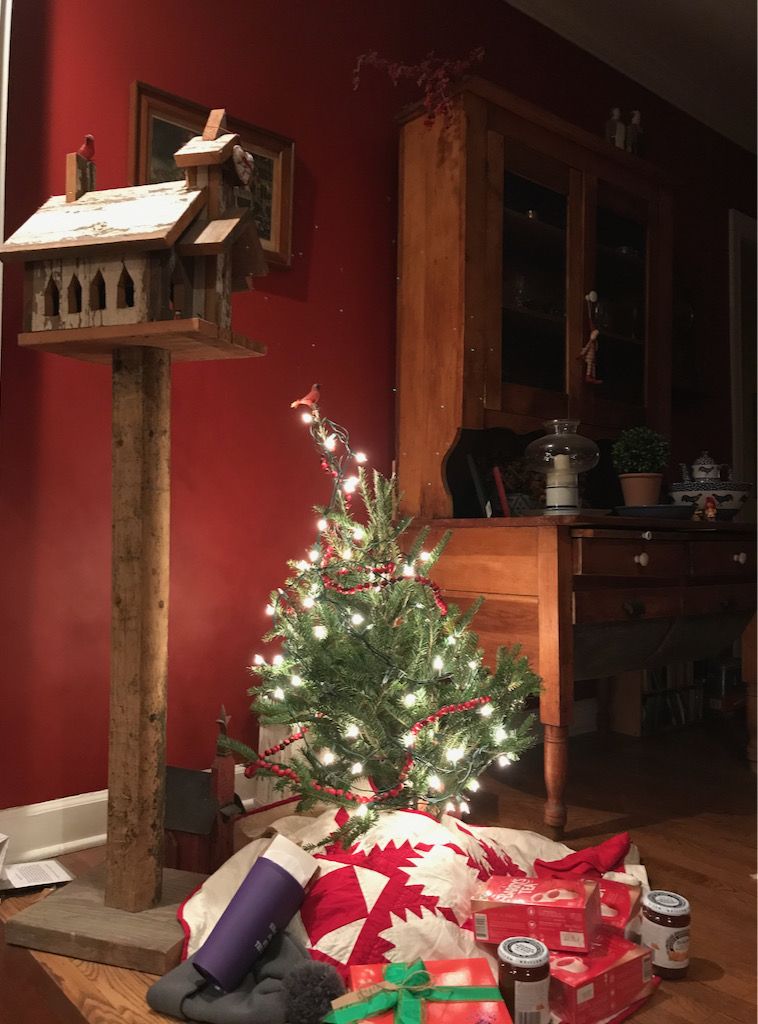
image above, way above, is Albrecht Dürer’s The Nativity, 1511; image below is our little Christmas tree: what happens when you’re the last one to the tree lot (cuz you couldn’t bear to buy a tree till all your loves were home, and you finally realized that wasn’t going to happen this year….)