pull up a chair

where wisdom gathers, poetry unfolds and divine light is sparked…

Category: finding courage

so close to the bone
uncharted is pretty much the most fitting descriptor for the cartography of cancer. undiscovered nooks hide in the shadows. though not all of it is somber. sometimes, with no warning, you find yourself among an unexplored parcel for the very first time. 

i’m covered with goosebumps this week, not because my latest scan was ominous (it wasn’t) but because i am reminded again this week, viscerally so, how very damn thin this ice is—the ice that is any cancer, and mine in particular. i sat down with my oncologist the other day, and she spelled out so many truths about the merciless ways of cancer—how so many hit-or-miss variables make up each individual constellation, how some of mine fall in the you-don’t-wish-this column, and one or two don’t, how some cancers are “undruggable” (mine is) yet some of the drugs are so toxic you’re mostly relieved you don’t have to have them coursing through your veins—and it all becomes stunningly clear that there really is not much certainty or sense to the prognostication at play here. sometimes you make it through the labyrinth, sometimes you don’t. who’s to say what flicks the switch that plays out your story. 

but that wasn’t the only reason for goosebumps. 

a curious thing happens almost instantaneously and mysteriously when you find out you’ve been highjacked into cancer camp: you make fast friends. with the ones you find strolling around the campground, the ones who know the indignities of needle pokes and incision tattoos that now crosshatch your flesh; the ones who spout the most off-color jokes, and know all the words to the worries that keep you awake in the night; the ones who strip truth to the bone and don’t shy away from words that others dare not utter. 

one of those friends died this week. bruce was his name, and not too many months ago, he was the one who all but talked me onto the airplane to new york to get a second opinion, when i—the one who never has had a taste for ruffling feathers, nor for appearing to second-guess authority—was so afraid to face the cold hard reality of a cancer center whose very name registers the seriousness with which cancer is to be taken. bruce told me all about his trek to mayo clinic, and insisted i get on that plane to sloan kettering. and when i got home, he checked in to make sure i’d stayed in one piece. his wife, eileen, also my close cancer buddy (and also with ratchety-vocal-cord voice), has been one of the ones who until now has made me laugh the hardest; lately, her texts have been tearing me apart, especially when she told me she’s mostly been crying herself to sleep these last couple months.

and just yesterday i was scrolling across the internet and bumped into the news that one of the fiercest patient advocates in the world of lung cancer, a woman whose cancer (diagnosed when she was 39, and recurred multiple times) has defied all odds for 16 years, has just started another round of radiation for two metastatic nodules on her chest wall. 

when one of us goes down, the thud is felt by all. 

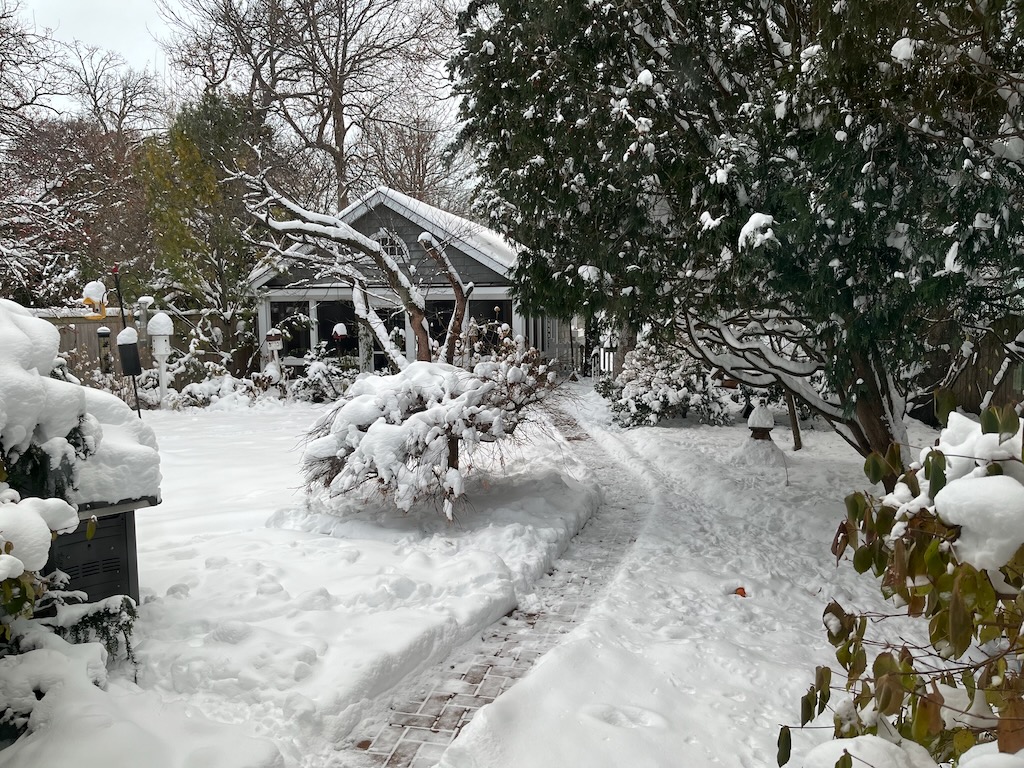
and so, as if never before, i am looking out at the snow-caked garden, at the beefeater-sized snow caps atop all my birdhouses and feeders, and i am whispering, whispering, inaudible prayers of pure and profound thanks. for the miracle of another winter. for the quotidian phone call from one of my boys. for the chance to sit in a near-freezing kitchen to work side-by-side my second born. for the husband who leaves his car in the snow, so i can pull into the snowless garage. and who waits till i get home late one night to eat his bowl of cereal, while i slurp my soup. 

and tough as it is to swallow, and bracing and sad as it all sometimes is, i am, in the end, more than a little grateful to be so fully awake to the whole of it: the friend whose courage i’ll carry; the blessing of a doctor who minces no words and delivers each one so bountifully, and with such tender, all-absorbing care; the miracle of any old friday or thursday or tuesday; the lungs that still work as mightily as they can; this place that lets me write it all down, because sometimes you just need a way to make sense of the blur, and this was one of those weeks. 

not because i’m dying; because i’m alive.


and with that, a poem that so deeply echoes the essence of all that pulses through me these days, and is, in many ways, the core message of book No. 6 now in the pipeline….

Praise What Comes 
surprising as unplanned kisses, all you haven’t deserved
of days and solitude, your body’s immoderate good health
that lets you work in many kinds of weather.  Praise

talk with just about anyone.  And quiet intervals, books
that are your food and your hunger; nightfall and walks
before sleep.  Praising these for practice, perhaps

you will come at last to praise grief and the wrongs
you never intended.  At the end there may be no answers
and only a few very simple questions: did I love,

finish my task in the world?  Learn at least one
of the many names of God?
  At the intersections,
the boundaries where one life began and another

ended, the jumping-off places between fear and
possibility, at the ragged edges of pain,
did I catch the smallest glimpse of the holy?

~ Jeanne Lohmann ~
(The Light of Invisible Bodies)

Jeanne Lohmann was a Quaker poet, and one of the very favorites of the great Parker Palmer. as a wee bonus i am adding here the last stanza of another one of her beauties, “what the day gives.” she is a poet in whose work i shall be poking around. here’s the stanza:

Stunned by the astonishing mix in this uneasy world 
that plunges in a single day from despair 
to hope and back again, I commend my life 
to Ruskin’s difficult duty of delight, 
and to that most beautiful form of courage, 
to be happy.


and finally a poem from one of my favorite irish poets, eavan boland, passed along to me by one of my favorite humans. simply because it’s so perfectly, perfectly glorious…..and the very definition of love in its highest order….

Quarantine
by Eavan Boland

In the worst hour of the worst season
    of the worst year of a whole people
a man set out from the workhouse with his wife.
He was walking—they were both walking—north.

She was sick with famine fever and could not keep up.
     He lifted her and put her on his back.
He walked like that west and west and north.
Until at nightfall under freezing stars they arrived.

In the morning they were both found dead.
    Of cold. Of hunger. Of the toxins of a whole history.
But her feet were held against his breastbone.
The last heat of his flesh was his last gift to her.

Let no love poem ever come to this threshold.
     There is no place here for the inexact
praise of the easy graces and sensuality of the body.
There is only time for this merciless inventory:

Their death together in the winter of 1847.
      Also what they suffered. How they lived.
And what there is between a man and woman.
And in which darkness it can best be proved.

From New Collected Poems by Eavan Boland. Copyright © 2008 by Eavan Boland.

what brought you this week the deepest sense of how very blessed you are, to be alive and able to exercise love in whatever form fills you the most?

p.s. i hope all of you who still find a seat here (after all these years; 19 next week!), or who are here perhaps for the very first time, know how very very deeply this space, and your presence here, has become one of the polestars of my life. my calendar is set by writing the chairs (every friday morning without fail); six books now have first been seeded here; and the kindness circle we’ve all built together is rare and precious in the fullest sense of that word. as the world around us has grown harsher, and the rules of engagement seem to be shifting at rapid and dizzying pace, we have rooted ourselves more and more deeply in the gentle art of caring gently for each other, offering up wisdom by the ladleful (and i mean the wisdom you offer me, offer all of us), and lifting our kindness off the page (aka screen) and into the real living, breathing world. among the things for which i am so deeply grateful, all of you dwell at the core of my heart. bless you.
the not-so-simple tasks of being alive

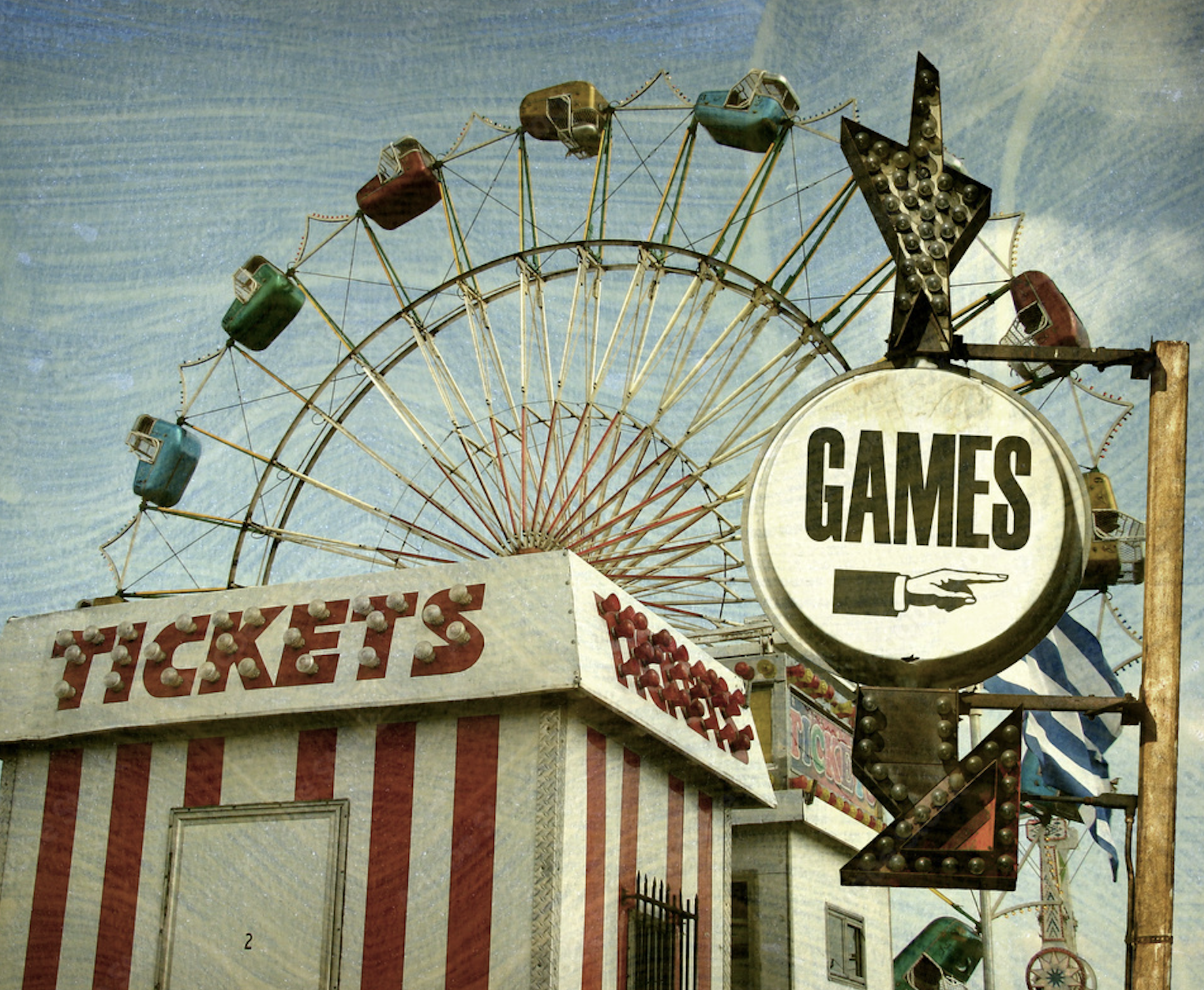
life, sometimes, makes like it’s an arcade of carnival challenges, and to make it to the other side is, in fact, something of a triumph we barely take time to note.

we shouldn’t, though, take it for granted. we are mightier than we think. and there will come times when we truly need to believe how mighty we can be. we’re not here on this earth to dawdle around.

as this week draws to a close, i can testify that these things happened: a new used car was found, bought, driven home, and will soon be ferried to another state; a kid wrestled through the decision of which of three job offers he’d choose, and started the one; husband down for the count with a cough that sounds like it’s hollowing his lungs; cavity filled in the way back of my mouth; latest peek at my lungs behind me (now awaiting results, a fraught interval that always leads to some trembles); and the latest round of edits on Book No. 6 at last sent off to editor (i had to wait till her calendar cleared).

not included in the list, but very much there, are the facts that i spent the week dodging the heck out of whatever virus was mucking up the works, for fear my scan or my cavity filling would get bumped; also, never mind the “check tire pressure” light that went on halfway home from the car lot, and the hurdles to get that untangled. in addition, i arose each dawn, never crashed my own car, swam a few miles, cooked a few mediocre dinners and one or two fair ones, and grocery shopped what seems like ninety-five times.

such is the business of living. each week throws at us a spaghetti bowl of hurdles, some humdrum, some of dimension that leads us to gulping.

it’s the quotidian stuff that comprises our day to day. and to make it through and to the other side is a feat that draws on cords and gears we barely acknowledge. to miss the chance to take note, to not ponder just how resilient we are, just how swiftly we can untangle ourselves from houdini’s chains is to short shrift our capacities.

we live our lives amid stories of what seem insurmountable feats: folks rolling into surgeries that untangle their insides, or shave off a lump on their spine; house fires that leave lives in ashes and soggy remains; kids finding out their cancer is double-D badd. (and those are stories plucked only from the last 48 hours, each one devastating and true.)

the news of the bad guys around us might distract and infuriate and leave us in tears. but the hard work of being human is never far from home. it’s the pit in our belly we awake with, and the headache that drums us to sleep. it’s what we might face before breakfast, and what comes with an unsuspecting wallop midway through the day. it comes in the phone call we never expected, and the one that makes us fall to our knees.

i’m not trying out for a part as the voice of doom here. i’m simply saying what we too often forget: no matter the circumstances, nor the twists in the story, we are all made of strong stuff—stronger than we remember to note.

to get to the other side of the traumas and troubles that hurtle our way is worthy of note, if not ovation. it might do us well to take count of the muscle it takes, and the grit, and the intense imagination, to merely get to the other side.

and here we are, on the far side of all those things that a week ago seemed insoluble.

that alone might stand as proof that even the frailest among us are tough as tough can be. and we can take on just about anything. we are breathed into life with every capacity our lives will demand. and we are living proof of how much we can survive.

you needn’t share this with anyone other than yourself, but perhaps you might find strength in looking back across the arc of your life and seeing what a marvel you are, and all the impossible hills you have climbed. what marvels you the most?


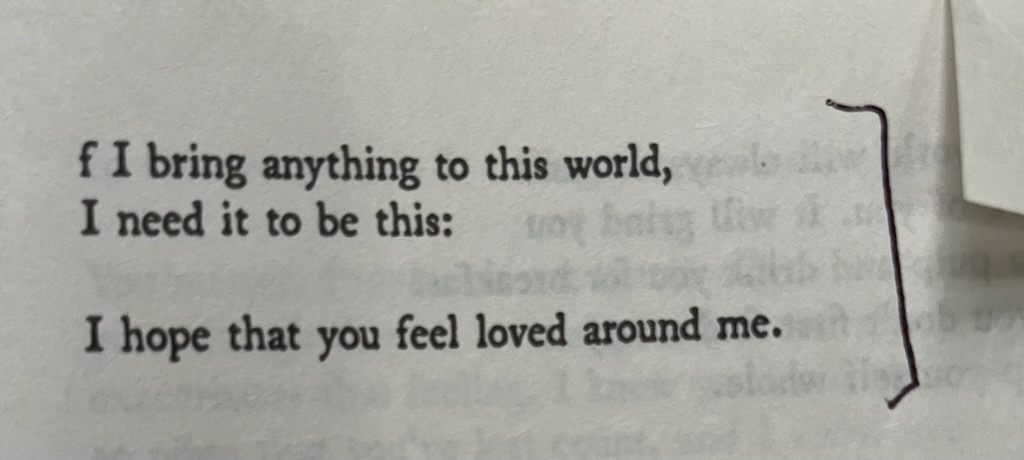
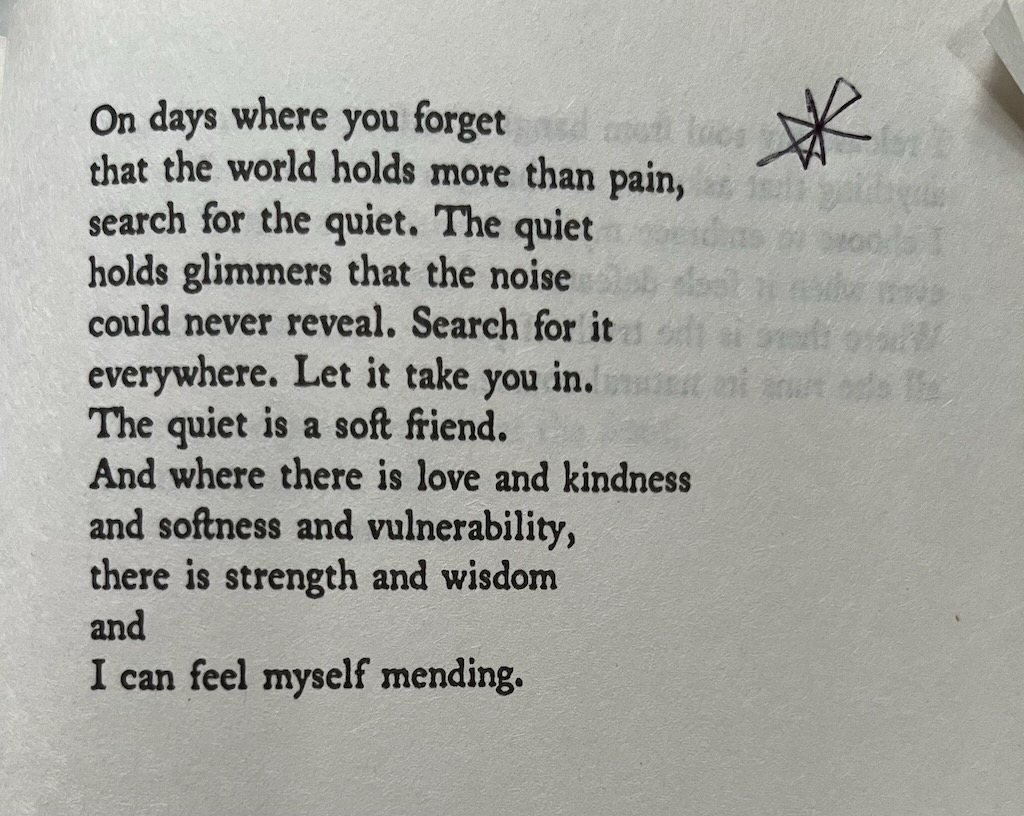
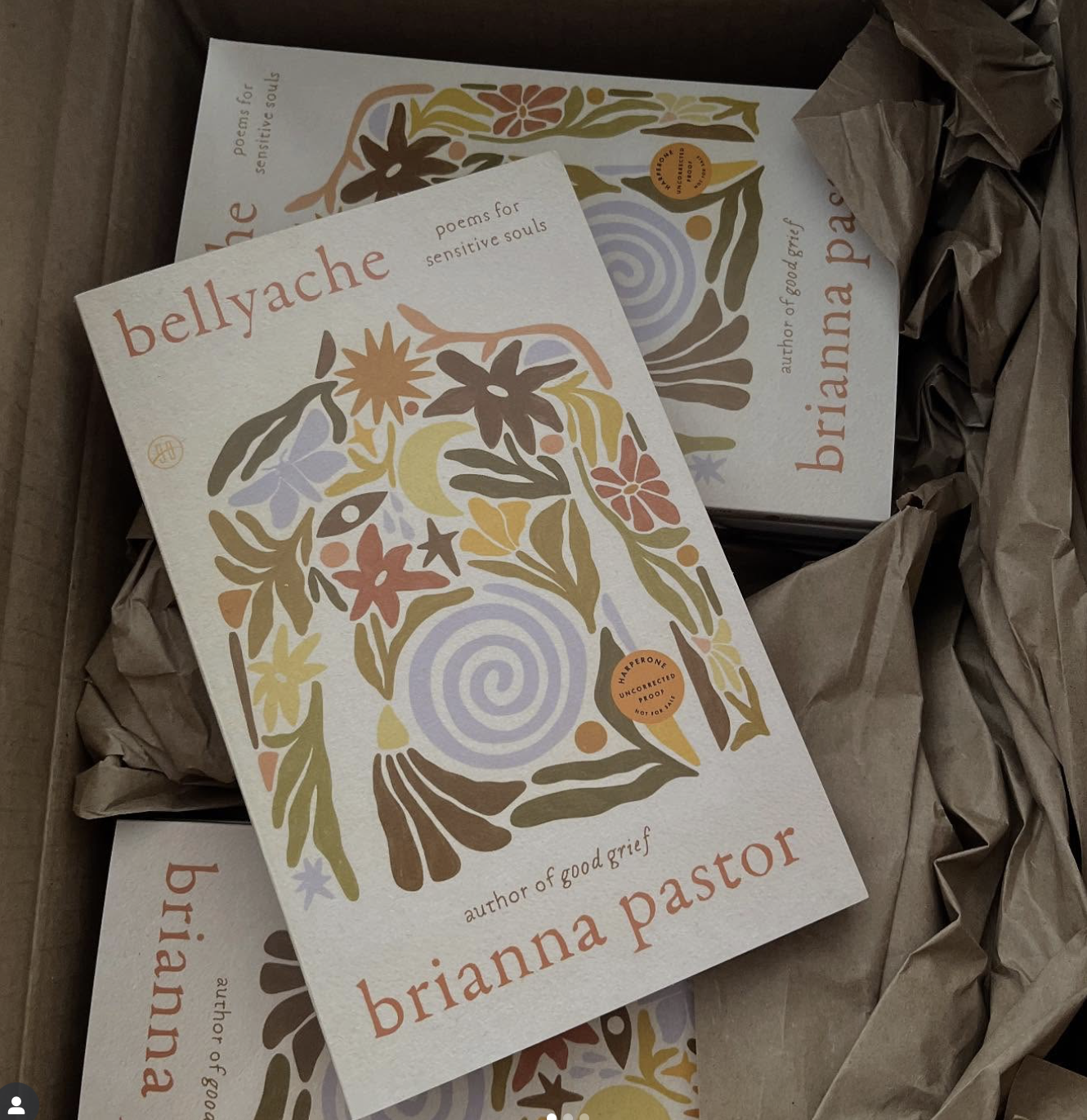
as antidote to all that, i bring you a bit of wonder in the form of the latest book that crossed my transom. it’s titled bellyache: poems for sensitive souls (harper one, 2026), and they had me at the subtitle. it’s by brianna pastor, a poet described in her bio as “a queer writer, empath, advocate, and author of the poetry collection good grief.” the book isn’t due out till february, but i got a review copy, and i’ll share a few marvels here. pastor’s poetry is rooted in childhood trauma and what it means to heal, with sensitivity and love as the non-negotiable parts of the deal. she writes, according to the author note, “about the raw, the uncomfortable, the overlooked, and makes clear that at the root of all things, is love.” it’s not every day that you open a book and find yourself in the midst of a poet whose heart feels so immensely attuned to the pain and the preciousness of tender, tender feeling.

here’s one of my favorites….

and here are two others (the spare simplicity is everything in these love-drenched poems):

and this:

Excerpted from pages10-12 Bellyache by Brianna Pastor, reprinted with permission from HarperOne, an imprint of HarperCollins Publishers. Copyright 2026.

remedy against despair

sometimes, it’s just not so complicated. 

how to survive in the modernday melee, i mean. 

how not to get sucked into the cesspool, or the tarpit of utter despair. 

there are flocks of us, bumbling around, looking down at our weathered, timeworn selves, our selves that are wrinkled or missing some parts, wondering what in tarnation little old me can do about this. all of this chaos, all of this cruelty, all of this jaw-dropping gilding and seizing of power, all of this thuggery, what in the heck can i do?

it’s pretty much the question that runs on auto-pilot through the spheres of my brain. 

what oh what oh what?

i turn to the poets, i turn to the pacifists. this week i found myself in the pages of history. more and more i am drawn to the plain old truths of our not-yet-extinguished civilization. 

as a species we’ve been cruel from the start, that’s a streak that runs in us. we’ve had so much darkness it makes me want to run for the hills. no wonder the desert elders of the third and fourth centuries did just that, ducked out in far-flung caves and barely ever came out. they just prayed and prayed, imagined God as their next-door neighbor and turned their humble selves into living, breathing prayer altars. 

but, just as emphatically, there’ve always been those who turned the other cheek, who refused to partake in whatever the scourge of the age. who did not give up on the vision of radiance, of equal justice for all. there have always been those who heeded the words of the jew from bethlehem: blessed are the poor in spirit, the meek, the merciful, those who hunger for righteousness, blessed are the peacemakers. jesus didn’t even make it to ten. he cut off the list at eight. later on, he threw in “love as you would be loved,” which is actually a teaching he would have learned in the temple, leviticus 19:18, “love your neighbor as yourself.” (i hate to break it to christians, but we’ve no corner on that commandment, it’s as old as time, and core of nearly all world religions.)

it’s the revolutionaries, the radicals, the refuseniks who would not succumb, they’re the ones who might hold the clues: how to be a force against daily injustice when all you’ve got is your will and your hope and your deadset compass pointed at kindness, at mercy, at justice for all. 

their point, the refuseniks, ever has been thus: we cannot decide that we’re not equipped. we cannot throw in the towel. the heroes of history usually don’t come with superman capes. it’s people like us, with a limp or a lisp, figuratively or literally, who might look in the mirror and decide, “i’m all i’ve got, so i’d best get to work.” 

which brings us back to the cruelty and chaos du jour.

this week, beating back the latest bout of teeming futility and powerlessness, against the backdrop of scenes i’d not imagined emerging from the american landscape—federalized gangs knocking heads against pavement, crushing ribcages under the weight of full-body clutch holds, beaning clergy in the head with pepper balls, and most recently dragging a preschool teacher from her classroom in front of her gaggle of toddlers—i found myself once again on the prowl for what in the world little old me might do to push back against any of this, to counter the cloak of rampant despair. 

and i found it—curiously, plainspokenly—in the introduction to a book of letters from prison, specifically the gdansk prison during poland’s communist takeover by the totalitarian regime that clamped down cruelly on every facet of daily life in the last decades of the 20th century. 

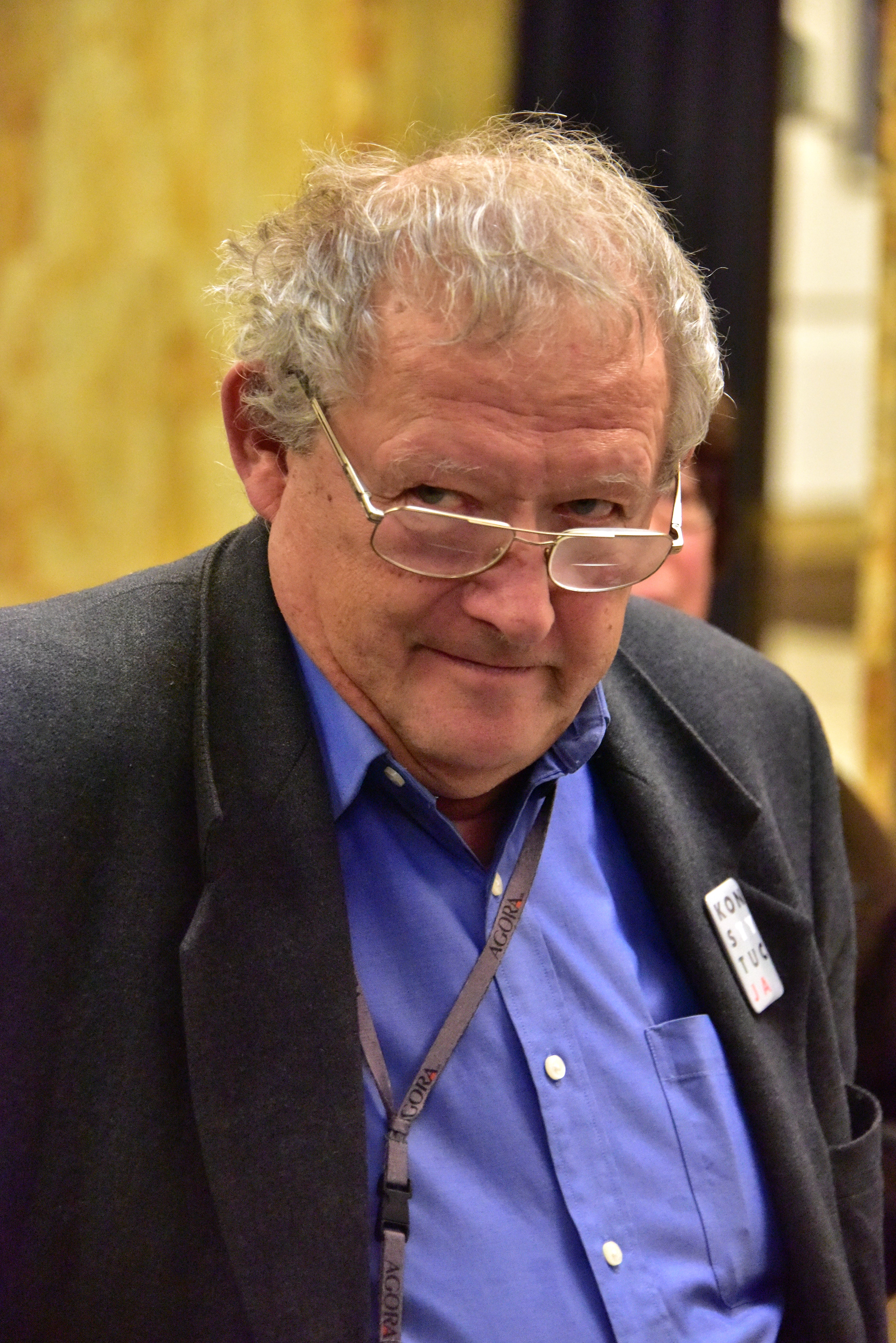
adam michnik

adam michnik, an irrepressible political activist, is the writer of the letters, a lifelong dissident first arrested at 18 for partaking in the writing and dissemination of “an open letter to the party,” critical of the communist regime. he would become one of the leaders of the solidarity movement that in 1989 ended communist rule in poland, and went on to become editor-in-chief of Gazeta Wyborcza, credited with elevating the newspaper to become “a sort of conscience of the New Poland.” he rightfully lays claim to a life spent provoking debate on democracy and human rights. 

during that lifetime, punctuated by intervals of activism followed by imprisonment, again and again, michnik often found himself in jail cells where he forged his activism with pen and paper, his letters and essays smuggled out of prison, and widely distributed on the far side of the prison walls. 

what i find especially notable about his essays, as i rail against blatant mis- and dis-information in our clickbait age, is that his essays were then and still now are considered models of balance and fairness. what drove him was a singular concern for “deepening his own and others’ understanding, and therefore he [could] not afford the luxury of distortion for partisan reasons.” (emphasis mine). oh, that we should emulate his restraint, seize his clear-eyed purpose. 

while ours certainly isn’t a national moment that rises to the level of “organized evil” of poland’s totalitarian regime, it seems fair to say we’re witnessing “authoritarian adjacent” dictates and dramas, particularly in the demonization of the helpless, and the thuggery thrust viciously upon them. 

and so, turning to even darker moments in history, we find our cues.  

in the introduction of michnik’s letters from prison and other essays, the new yorker’s longtime foreign policy analyst, jonathan schell, captured michnik’s revolutionary counter-revolutionary approach. 

he leads into it by first laying out the norm in mapping revolution, and illustrating how the poles turned it on its head, ultimately triumphantly: “the classic formula for revolution is first to seize power and then to use that power to do the good things you believe in. in the polish revolution, the order was reversed. it began to do the good things immediately, and only then turned its attention to the state. in a sort of political and moral version of the hedonist’s credo, ‘carpe diem,’ the opposition proceeded directly, and without postponement toward its goals. its simple but radical guiding principle . . .”

what comes next seems to me the wisest, most doable action we might take:

“Start doing the things you think should be done, and . . . start being what you think society should become. Do you believe in freedom of speech? Then speak freely. Do you love the truth? Then tell it. Do you believe in an open society? Then act in the open. Do you believe in a decent and humane society? Then behave decently and humanely.”

do not succumb to the ways of the demonizers, the clickbaiters, the shills for distortion, deceit, and demagoguery.

put simply: love as you would be loved.

or, in the words of james baldwin: “the place in which i’ll fit will not exist until i make it.”

so, go make it.

how would you describe the world in which you pray to live?

light and shadow, in perpetual dance

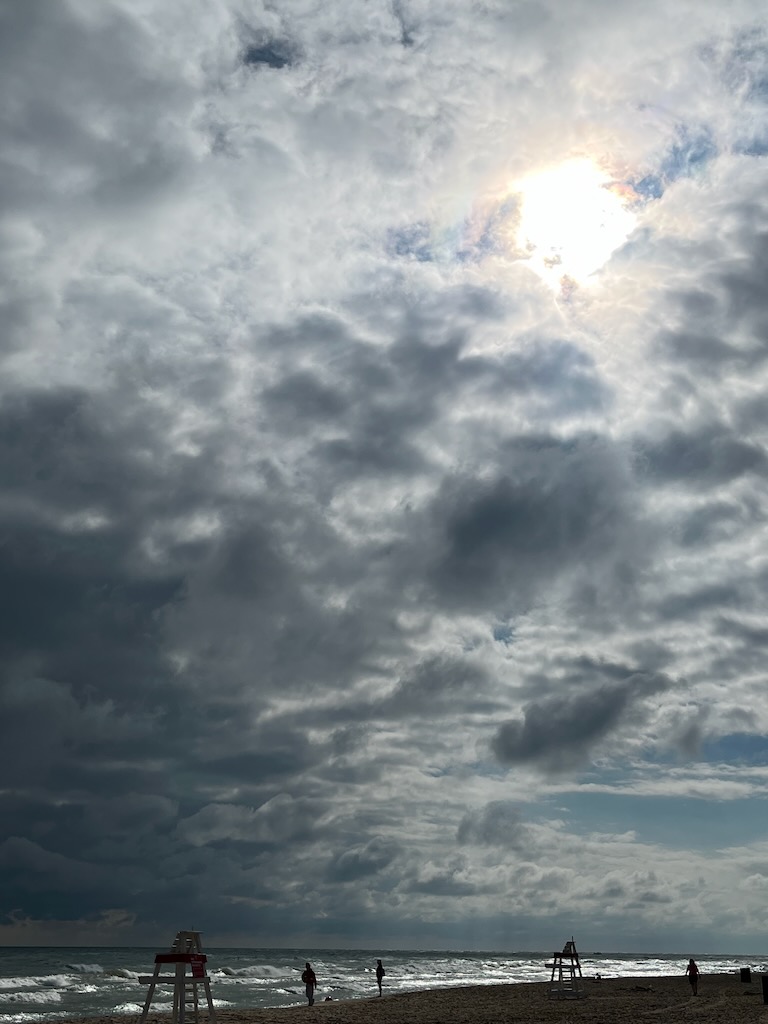
all you need do is glance toward the sky, eyes skimming over the players on high. sunlight and cumulus. sunlight and cirrus. sunlight and nimbostratus. sunlight and cloud ever in play, in duet, in doh-si-doh of shadow and light. 

there’s a truth being told there, a universal and organizing principle of all creation. on the first day, in the second verse, there was darkness, darkness hovering over the deep. in the third verse, light. God commanded it. and God saw that it was good. 

in our lives, the leitmotif is a given. light will come. shadow will follow. light will come again. 

so it was in my reading this week, when first i tumbled deeply into a luminous shaft, a boreen* of writings from a norwegian bishop and monk, erik varden, whose power as a writer was pointed out to me by a poetry friend whose taste i know to be exquisite and deep. i swiftly realized the bishop’s thinking and writing are everything they were billed to be: rare. exquisite. deep. radiant.

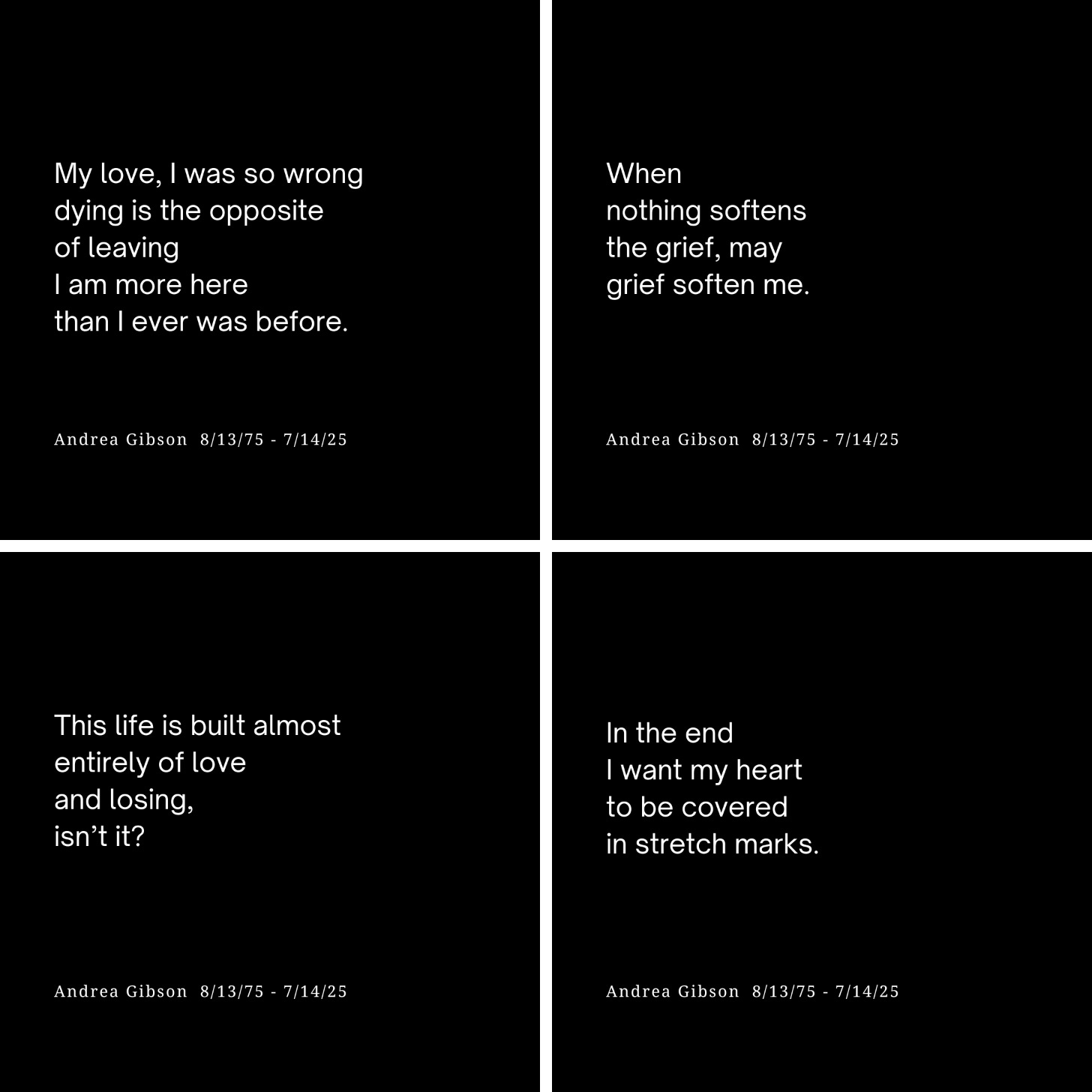
but then, hours later, shadow: i began reading a string of sentences posted from the account of one of my lifeline poets, someone you might call a patron saint of heartbreak and healing, of being more alive than you’ve ever imagined. i started to read, as if it were just another brilliant post: “Whenever I leave this world, whether it’s sixty years from now, I wouldn’t want anyone to say I lost some battle. I’ll be a winner that day.” and then i got to these words: “Andrea Gibson was a winner today. On July 14th, at 4:16AM, Andrea Gibson died…” and my legs stopped moving, and my breath was caught in midstream, and i read and read again. and then my fingers started to tremble, and my knees too. 

andrea gibson

andrea gibson, 49, colorado poet laureate in 2023, queer activist (they/them/their pronouns), who had been diagnosed with stage 4 ovarian cancer in 2021, not long after they’d started a newsletter titled “Things That Don’t Suck,” had many, many times pried open my heart, pulled out the unspoken words and the fears and set them soaring. when i too found out what it is to live with cancer as one of the nouns in my story, i drew andrea into my innermost circle. the ones who know, without you uttering a word, just what you’re thinking, you’re feeling, you’re praying. the ones who some days save you. because even though the cyberworld is distant and intangible, it works in mysterious ways, and someone with whom you’ve never breathed the same air can become someone whose voice you can hear as you flutter to sleep, and whose courage you conjure as they glide you into the sarcophagus that is your biannual CT scan.

light. shadow. light from shadow. shadow deepening light. it’s the dance of the duet, interminably entwined. one is always more beautiful because of the other’s presence, because the duet is perpetual. 

first, this week’s light:

that monk on a bicycle, spotted cycling through the garth just beyond the cloister, is all it took for me to want to whisper my vows, and cycle along. 

as i’m quick to do, i signed up for bishop varden’s website, coram fratribus, a name derived from his episcopal (meaning “of the bishop”) motto, coram fratribus intellexi, latin for “understanding with my brothers.” because the bishop is shepherd of a flock spread across 22,000 square miles in the north of norway, extending beyond the polar circle, he sees his site as a way to speak to the diaspora, to think aloud of those things he finds beautiful or challenging, to gather his flock into a communion of thought. specifically, i felt my heart quicken as i burrowed into the bishop’s collections of writings under the tabs “life illumined,” and the shorter jottings under “notebook,” which he describes thusly: 

“To scribble in the margins of texts is an ancient practice. There are people, these days, who make an academic career out of studying ancient marginalia. Any exercise of reading is fundamentally conversational. The notes collected here are brief responses to impressions received not just through books, but also through encounters, art, music, and films.”

now you see why i, a marginalian of long practice, swoon?

before i get to the paragraph in “life illumined” that drew me deep into thought, let us pause to note why we see that little outline of an owl, in the upper right corner, and hovering over every page of the site. the good bishop describes that choice thusly (emphasis mine from here on in): 

“The emblem of the site is an owl. The owl does not just wing you back to the front page. It has for centuries been a symbol of the monk. Why? Because it watches in the night, when most people sleep; because it is able to see in the dark, discerning movements and patterns, foundations of meaning, where the human eye perceives only vaguely. I am fond of this Italian doggerel:

“Sopra una vecchia quercia
c’era un vecchio gufo:
più sapeva e più taceva,
più taceva e più sapeva.

“In an old oak tree
there sat an old owl:
the more it knew, the silenter it was;
the silenter it was, the more it knew.”

what fluttered into my mailbox the other morning was a page of the monk’s notebook on the nightingale, complete with an ancient poem (from the early middle ages, written by alcuin of york, an adviser to charlemagne) mourning the absence of the wild creature and its delicate throat. a recitation in english and latin, and including a recording of the nightingale’s song. that alone was more than beautiful enough. and then my poking and peeking accelerated, and that’s how, under the “life illumined” tab, i found a break-me-open paragraph on learning to pray.

in an essay focused on the simplicity of jesus’s prayer, and the universal cry of all believers, “lord, teach us to pray,” varden paints the scene of 72 disciples who learned not simply by listening to the words of jesus in prayer, but in witness to his consuming attention to the ways and will of God. varden expounds: 

“Jesus’s teaching on prayer amounted to more than the provision of a text for recitation, that is clear. It was the sight of Jesus praying that made the disciples wish to learn prayer. The words of prayer, which touch our reason and orient our will, point towards the breaking-open of our heart, the transformation of our being as we dare to aspire, even in this life, to ‘become participants of the divine nature’.”

it is the breaking open of the heart, indeed, where the truest serum of our souls pours out. only in the last couple years have i understood that as profoundly as i do now. and, yes, that breaking so often comes with pain, or in pain, or through pain. but i’ve learned now how it truly is the propellent, the force that pushes us deeper into sacred truths than we might otherwise venture. without the breaking open, we might cling to the safer and shallower waters.

the bishop goes on. takes us beyond merely the breaking, and makes the point of its purpose. be it through prayer or through living, the breaking open is the vehicle for those who dare to aspire, in the here and now, to become participants of the divine nature. to inch as close as we can in this lifetime to something akin to sacred. i found a redemptive resonance in that line because at heart, even for the quiet ones among us, we are a people of communion, and there is a heartening, an emboldening, that comes in finding that your purpose, your aim, is not yours alone, but shared in common understanding with at least some of your sisters and brothers.

let us be broken open, then, if it points us toward our holiest purpose. through the break in the clouds, the light comes.

and onto the shadow, the eclipsing shadow…

less than one month shy of her fiftieth birthday, andrea gibson, the poet who boldly faced the coming of her death, who has been amplifying wonder, making us see the unseen, relish the oft-overlooked, took her last breath in the wee hours of monday morning.

i have been relishing her, here and in my everyday, for years now. curiously, her presence in my life spans almost precisely the arc of time in which i’ve been in the company of my own cancer. 

the month before my lung surgery, when the world felt overwhelmingly like the depths of a cave, i wrote of andrea and lines i’d inscribed on my heart: 

thanks to a friend i love with my whole heart, i stumbled on another wise soul with buckets of beauty to grace the world. a poet-activist-performer named andrea gibson, now a cancer survivor whose words might take your breath away. andrea identifies as queer, and uses the pronoun “they;” and they are known for their trademark honesty and bare-naked vulnerability, traits i find irresistible and blessed beyond words. here are just a few lines i couldn’t keep from scribbling down:

when it comes to hearts i want always to be size queen…

i love you because we both showed up to kindness tryouts with notes from the school nurse that said we were too hurt to participate….

when your heart is broken, you plant seeds in the cracks and pray for rain.

before i die, i want to be somebody’s favorite hiding place, the place they can put everything they know they need to survive, every secret, every solitude, every nervous prayer, and be absolutely certain i will keep it safe. i will keep it safe.

andrea gibson

and nearly a year ago, in a musing about scan time’s equal measures of shadow and light, i shared lines that kept me from drowning.

and just a little more than a month ago, i wrote about them and a poem i called more than enough:

yesterday, thursday, this slipped into my mailbox from andrea’s wife, meg:

A couple years ago, Andrea said, “Whenever I leave this world, whether it’s sixty years from now, I wouldn’t want anyone to say I lost some battle. I’ll be a winner that day.”

Whatever beast of emotion bucks or whimpers through you right now, I hope you can hold that line beside it: Andrea didn’t lose anything. If you had been here in our home during the three days of their dying—if you’d seen dozens of friends drift in to help, to say goodbye, to say thank you, to kiss their perfect face, if you’d felt the love that floored every hospice nurse—you would have agreed. Andrea won.

I won’t sugarcoat the fact that they desperately wanted more time on this planet that they loved so much. This planet of squirrels and romance and basketball and moonlight.

But the time they had was significant, prismatic, and wild. It was full of trampolines and mountain ranges, stage lights and pants-peeing laughter. In their words, they “juiced the sun for every holy drop.” One of the last things they said before dying was, “I fucking loved my life.” Their conviction stunned the room.

If Andrea’s life was a poem (and it was), could there be a better last line?

a little backstory, again from meg: 

In 2021, before the diagnosis, Andrea announced they were writing a newsletter, titled Things That Don’t Suck. A few weeks later, we learned they had ovarian cancer.

At first, Andrea said, “What a terrible time to be committed to writing about what doesn’t suck.” Then, almost immediately, they shifted their perspective and said, “What a perfect time.”

And so, this space was born. Part journal, part poetry, part pep talk, part treasure hunt. It became an archive of Andrea’s ability to find beauty in unlikely places, to wring gratitude from even the hardest hours. A museum of how they danced through their diagnosis, always turning their compass toward joy. It fostered a community they deeply loved.

And Andrea wanted all of it to continue.

meg tells us it will. there are reams and reams of unpublished writings, lines scribbled under the silvery light of the moon on those nights when sleep wouldn’t come. pages poured into volumes tucked away. a memoir, unfinished. half-written poems. a documentary coming this fall. 

and meg promises this: 

And there are stories of our life, and of the last months, that I, as their partner, and as a writer, feel both lucky to carry and uniquely able to tell.

As gut-wrenching, impossible, and tear-soaked as this moment is, I’m grateful beyond measure that they were so prolific. Through their books, their reels, their interviews, their albums, Andrea’s incredible mind will reverberate for a century—I’m sure of that.

and so, in the presence of the bishop monk, and the absence of the poet prophet, we shall go on. awake in the light and the shadow. and the shadow that deepens the light. 


in case you’re curious, a bit more about dear bishop varden:

it was only after absorbing so much of his writing that i circled back to learn a bit of his origin story. 

varden was born into a non-practicing lutheran family in a small village in the south of norway, and would go on to earn a doctorate in theology and religious studies at the university of cambridge, and further study in rome. a convert to catholicism at 19, he was drawn to the monastic life, and joined the mount saint bernard abbey, a cistertian monastery, in charnwood forest, in leicestershire, england. he was called to rome to be a professor of syriac language, monastic history, and Christian anthropology. and two years later, returned to the abbey when he was named its eleventh abbot. and, in 2019, pope francis named him bishop of trondheim, a nearly 22,000-square-mile prelature north of the polar circle in norway.

mount saint bernard abbey, varden’s home monastery, is where the only Trappist beer is brewed in all of England, under the name Tynt Meadow English Trappist Ale. beer to the trappists is no earthly distraction. the belgian trappists have a saying: “Beer should be liquid bread, not coloured water.”

and here’s a morsel, this one on the theology of beer, as spoken at the blessing of the monk’s brewery on st. george’s day, 2018. from Dom Erik’s address:

“One of the fascinating things about beer, is that this (potentially) sophisticated beverage is made of the simplest ingredients. By being refined to manifest their choicest qualities; by being brought together in a favourable environment; by mingling their properties and so revealing fresh potential; by being carefully stored and matured, the humble malt, hops, yeast, and water are spirit-filled and bring forth something new, something nurturing and good, that brings joy to those who share it. Considered in this perspective, the brewery provides us with a parable for our monastic life, with the Lord as virtuoso brewmaster. The Scriptures favour wine as an image of the Gospel – but that is culturally conditioned; beer, it seems to me, is a much neglected theological symbol.” 

*boreen, you might recall from a few weeks ago, is the old irish word for what we might call a pothole, a rabbit’s hole, but in ireland, an island etched with cowpaths, it’s a word derived from a meandering side path when the cow decides to venture off on her own….if language is a cumulative patchwork, boreen is a word now in my lexicon….

you’ll find a veritable font of andrea’s spoken word poems, and writings at their website, andrea gibson.org. spend some good time there.

where did you find light and shadow this week?

artisanal peace

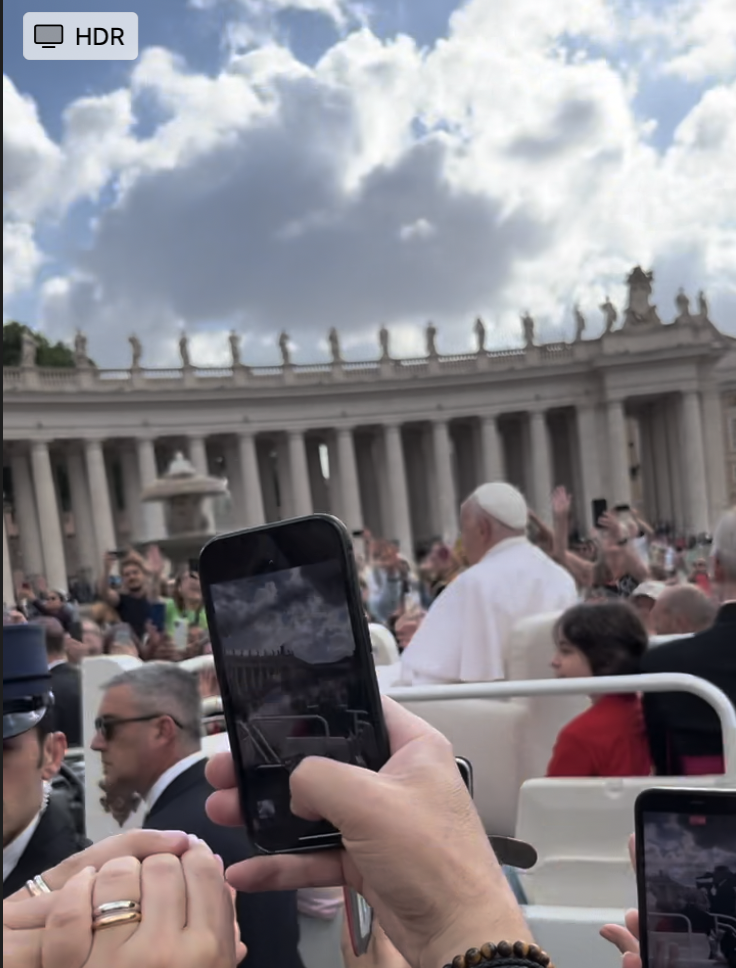
closest i got to Il Papa, when i found myself accidentally at the barricades that clear the way for the Pope-mobile

sages are in short supply, it seems. certainly now, and certainly on the global scale. i scan where i can, ever on the lookout. and wasn’t my eye caught when i read the words “artisanal path” to “handmade peace.”

tell me more, my little heart shouted. 

though it sounded a bit like a recipe for earthy bread or hand-thrown plates, the sort that rise from the potter’s wheel, i sensed the subject here was far more urgent, and in dire need of replenishing. not what you’d find on any pantry shelf. 

hand-crafted peace, peace constructed with care and attention. peace that we at home can build, without scissors or glue or a potter’s spinning wheel.

i clicked on a duly-provided link, and wasn’t one iota surprised to find that Il Papa, our most beloved Francis, was the one who not only dared to raise his voice above the blather, but considered it a requisite of his job’s description.

he is, after all, shepherd to a farflung flock. but more than that, he’s a prophet, which, according to the definition i found in richard rohr’s brand-new the tears of things: prophetic wisdom for an age of outrage, means a radical change agent, teacher of a moral alternative, and deconstructor of every prevailing order. rohr reminds us of the prophets of ancient times, the ones described by isaiah and ezekiel, whose job it was to hold the powers that be “maddeningly honest.”

bring on the prophets, please.

in these times, francis, our dear pope who from his hospital bed in rome reached out to the suffering of gaza, is the rare voice to which all the world will sometimes listen. thank holy God, he speaks the language of love without condition, clause, or pause. there are those among us, in this age of outrage, who might do well to listen. especially when they claim to take instruction from the very same God who whispers to Il Papa

the new york times calls him “an increasingly lonely moral voice on the world stage.”

all the more reason to listen. and listen hard.

“peace is crafted; it is the work of our hands,” francis began at a prayer vigil in the central african republic back in 2015, “it is built up by the way we live our lives.” he was speaking to an audience of children, teens, and young adults in bangui, the capital of the central african republic, when that country was in the midst of a sectarian war between Christians and Muslims, and thousands had been killed, and more than a million displaced from homes, their properties looted or destroyed.

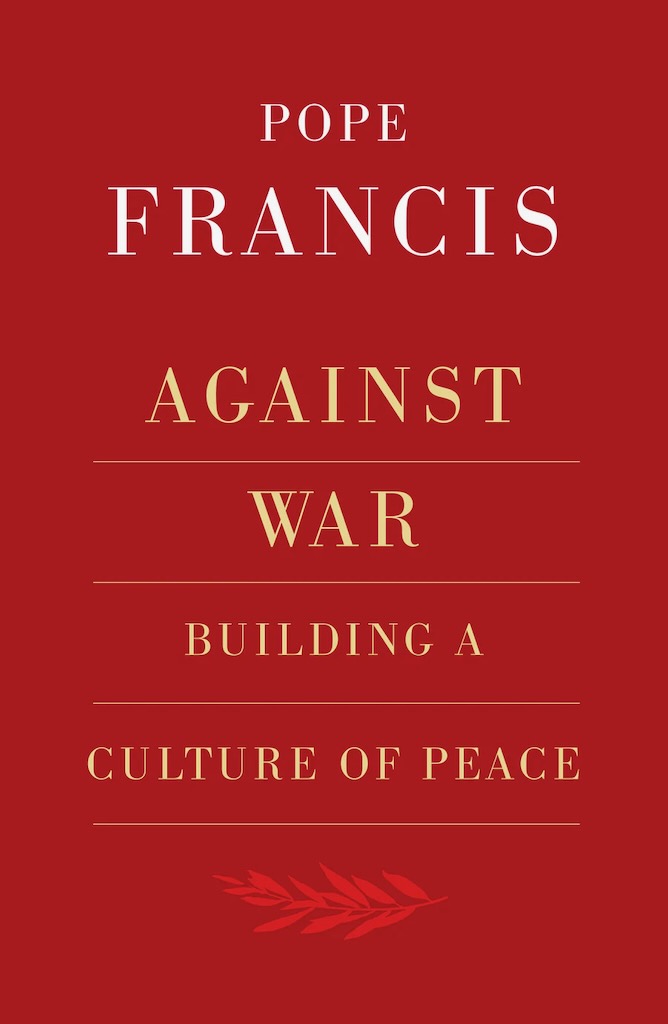
this artisanal path, “built up by the way we live our lives,” is spelled out, it turns out, in francis’s Against War: Building a Culture of Peace, a book i’ve ordered from my local bookstore, as it’s one with permanent claim to a slot on my bookshelf. 

it’s not that i think i can build a culture of worldwide peace, though once upon a time i dreamed of such things. the point here, from the wee bit i’ve read, is that peace is a sphere we build bit by bit, as we travel through space and time, and it’s built by even the most unassuming of gestures, attitudes, and actions.

what the pope is saying, and what the world ought listen to, is that the tiniest empathies and kindnesses matter: giving cuts in the grocery line, waving someone into your expressway lane; taking time to take the call, dropping the tupperware of soup on your neighbor’s stoop. biting your tongue when you’re tempted to snap, and, yes oh yes, turning the other cheek, a trait i’m told no longer belongs in a world of dog eat dog. 

what a game changer: here’s the head of a church that counts 1.39 billion baptized among its ranks, and he too concurs that we needn’t be rocket scientists in the art of magnanimous charitable persuasion to make a dent in the realm of ever-spreading goodness. 

for one thing, it’s fairly contagious. if you’re out-of-the-blue kind to me, if you take my breath away with some wonder act of yours, chances are i’m inclined to be a copy cat and try the same. if for no other reason than the pure joy of watching someone be surprised you’ve not just slammed the door in their sorry, sorry face. 

here’s where Il Papa begins his artisanal path to handmade peace, with this fulsome criticism of the futility of war: 

“war is not the solution, war is madness, war is a monster, war is a cancer that feeds off itself, engulfing everything!”

that’s all i needed to keep on reading. and what i found, and what you’ll find should you decide to play along, is a compendium of his most outstanding commentaries on war and peace during the first nine years of his pontificate. 

here are a few of the nuggets you just might choose to tuck in your peace-gathering pockets. 

because one can’t best the pope when it comes to eloquence and voice, i am quoting from the book, here on in, and plucking five that leap out the most….

1.) seeing the world as one human family living in one common home.

The stars in the sky shine down on every single person — from the beginning of time to today — and learning “to look at the stars” will be “the most effective vaccine for a future of peace,” he said in Ur, Iraq, in 2021.

“Anyone with the courage to look at the stars, anyone who believes in God, has no enemies to fight. He or she has only one enemy to face, an enemy that stands at the door of the heart and knocks to enter. That enemy is hatred,” the pope said.

“There will be no peace as long as we see others as them and not us,” he said. Humanity lives under one heaven, under the gaze of one God who desires his children to be “hospitable and welcoming” to each other on earth.

2.) reconciling with one’s enemies and embracing unity in diversity.

The pope told young people in the Central African Republic that the first step toward being a peacemaker was “never hate anyone. If someone wrongs you, seek to forgive.”

“We only win if we take the road of love,” he said, and, with love, “you will win the hardest battle in life” and find peace.

But “we need to pray in order to be resilient, to love and not to hate, to be peacemakers,” and “you must be courageous,” he added. “Courageous in love, in forgiveness, in building peace.”

3.) the difficult art of dialogue and listening, which can sometimes be as hard as building a bridge over an abyss.

Pride and arrogance must be eradicated from one’s own heart, he told young people at a congress of the educational project, “Scholas Occurrentes,” in 2016. “Our world needs to lower the level of aggression. It needs tenderness. It needs gentleness, it needs to listen, it needs to walk together.”

Dialogue is “the capacity to listen, not to argue immediately, to ask,” he said. “Everyone wins in dialogue; no one loses” because “it is about agreeing to proposals so as to move forward together.”

Dialogue is to put oneself in the other’s place, “to form a bridge” and “persuade with gentleness.”

4.) peace is a constant journey of “getting one’s hands dirty,” concretely working for the common good.

“Our path leads us to immersing ourselves in situations and giving first place to those who suffer,” he said in Assisi for the World Day of Prayer for Peace in 2016.

Feeling responsible for helping others and refusing to be indifferent cleanses the heart and requires the “purification” and conversion that can only come from God, he said in Irbil, Iraq, in 2021.

This new order must meet humanity’s desire for justice, equality and participation, he said in his World Day of Peace message in 2020. A democratic society recognizes everyone’s rights and one’s duties toward others, which can temper a harmful, unbridled understanding of freedom.

5.) living the beatitudes is to bring heaven––and peace––to earth.

In his homily in Baghdad in 2021, the pope said, “We do not need to become occasional heroes, but to become witnesses, day after day,” embodying the wisdom and love of Jesus.

Jesus changed history “with the humble power of love, with his patient witness. This is what we are called to do,” he said, and “that is how the world is changed: not by power and might, but by the beatitudes.”

People who live the beatitudes “are helping God to fulfill his promises of peace,” he said. “This is the way; there is no other.”


in these tumultuous times, i am turning hungrily to prophets and sages in the news and on my dusty bookshelves. i’m inclined to not fill this space with my own blather, but rather to bring any lights that might dapple our paths. it’s always a tug-of-war to quiet the chair or keep it going with whatever bits i find. this doesn’t seem like the time to turn to silence. so my aim is upped to break through blather and bring voices that will wedge open our hearts, and like a doorstop, keep it wedged till we get through to the other side….

what voices broke through to you this week?

in search of the common

in which we take a hard look at the crumbling discourse in this country, and consider a solution or two….

i’ll be honest. these are hard times. i pick up the news and feel pummeled by each new blow. i see pillars of democracy crumbling one after another. jeff bezos and the washington post, only the latest. i read of law firms—white shoe ones, meaning old-guard firms who take on some of the highest-profile clients, the most complex cases, aka “the elite”—being stripped of security clearance, being considered for criminal investigation only because they represented a client the current administration has inked onto the enemies list. 

i see revenge as the rule of the day. 

i’m sickened.

i’ve never prayed to a God of revenge. 

but i read, too, that there are stirrings of hope. faint, yet beginning to stir. 

you might call it an occupational hazard, but i happen to pay attention to the ways we get news and i worry desperately that we all cower in distant silos. (getting more distant by the day.) i get my news and you get yours and, often, ne’er the twain shall meet. 

so how do we have a shared conversation? how do we sit down to the same old table and begin to listen? how do we reach across the table, and in a quiet, unquivering voice, utter the words, “i hear your point”? or the certain conversational lubricant, “say more”? or the nervier, and necessary, “that’s not actually true”?

i hold onto my hunch that most of us want what we think is fair, is just. and i’m not giving up on my fervent belief that if you saw me bleeding on a sidewalk, you would not ask first how i voted and then decide whether or not to lift me off the ground. 

i’m fairly certain that in the nearly two decades we’ve been pulling up chairs here, some of us do get our news from different silos. i try to tread lightly. i respect divergence of thought. but the problem, as i see it, is that we are all being fed news in the flavors most to our liking. and that’s not the way the news is supposed to work. it’s not the way it worked for the time i was one of the ones writing what counted as news. and not in the newsroom i knew.

so here’s the jam: if the news you’re being fed is slanted, if some of it’s filtered out, and some of it’s twisted, if both sides aren’t fairly presented, it’s not any sort of surprise that conclusions are drawn, and wedges are wedged. 

“…without fear or favor…”

these days, the ones helming the news––the owners, the billionaires who thought it a romp to claim a slot on the masthead––they seem to be in it for hard, cold cash. the one with the most wins. cozying up to power seems a game to which we’re not invited. to get there, you need to fly in your private jet, hopefully not one of the ones making a mess on the runways. 

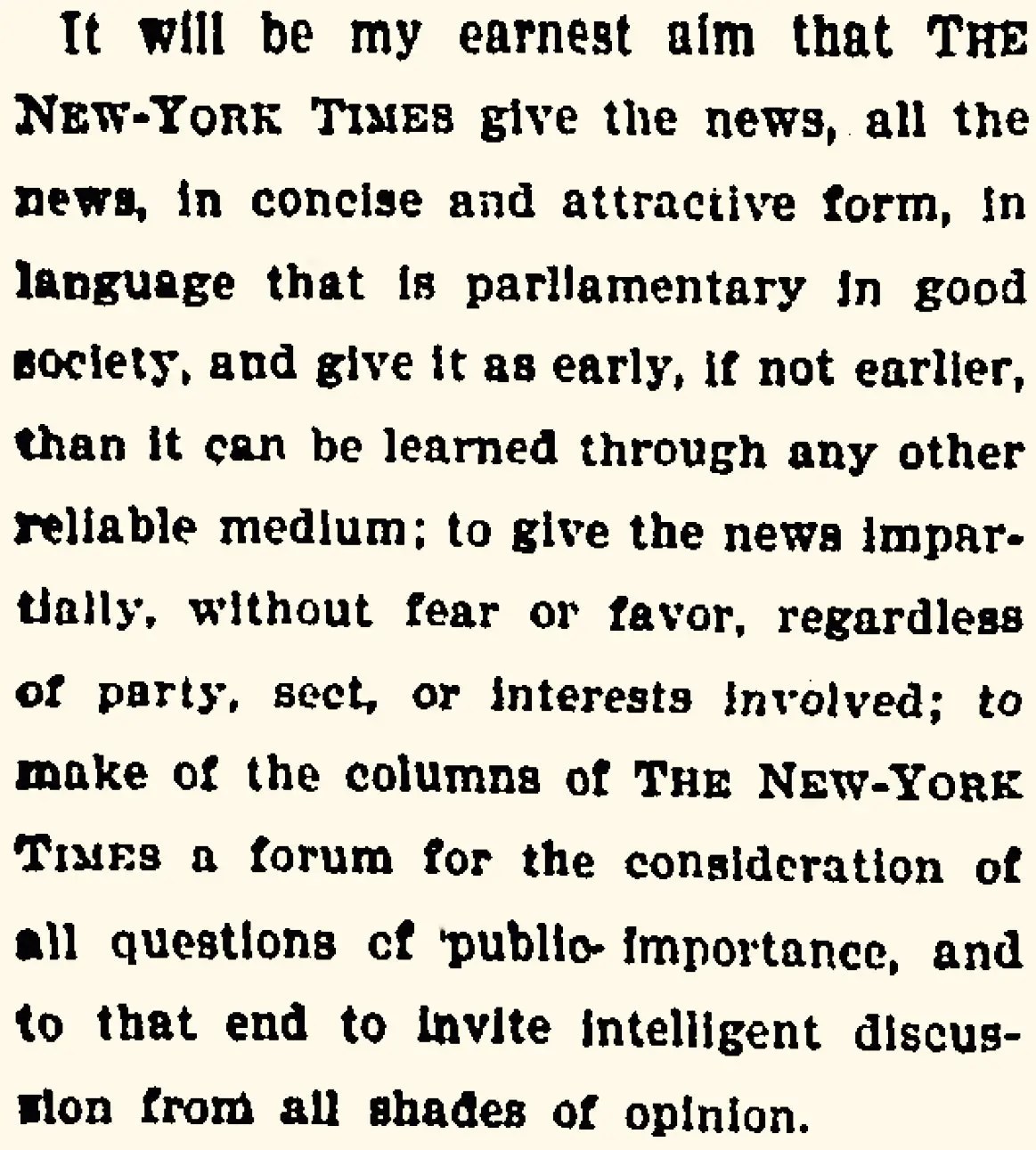
so much for democracy dying in darkness. or that now quaint-seeming declaration of adolph s. ochs in april of 1896, that his newspaper, the venerable new york times, would “give the news impartially, without fear or favor.” 

good journalists hold firm to those words. good journalists have died defending those words.

you don’t get into the news biz––chasing after crooks and pols, climbing rickety stairs in darkened hallways, knocking on doors knowing full well you might find a muzzle pointed at the bridge of your nose––because it’s a sure way to raise your heart rate. or just cuz you’re nosey.

you get into the news biz cuz you’re a mad dog for the truth. and the fair telling of stories. you dig and you dig till you find that shimmering shard that, to your best knowledge, and according to more than one reliable source, is unassailably true. i sat beside folks in the newsroom who thought nothing of holing themselves in the dungeons of city hall or the bowels of bureaucrat mazes, riffling through file after file to track down the name and the dollar amount on contracts that might or might not have been legal. that might have unearthed wrongful convictions. or identified bodies dumped on the roadside. and those subterranean scribes had the pallor to prove it, after months and months under the glow of flimsy fluorescent lights. and cups of stale coffee. (we’ll leave the bottles of whiskey for another day.)

these days, the ones coursing the landscape with their reporter pads and pens, their itty-bitty microphones and their smartphone recorders, are plenty besmirched. discounted as little more than rousers of rabble. there’s a strong scent of disdain souring the air. 

that’s an unfair and erroneous swipe at all those who abide by the time-tested codes. you might have heard that, um, democracy dies in darkness. and the reporters i know refuse to turn off their flashlights.

my little screed here won’t make a dent. but i cannot give up. none of us can. my faintest hope is that even one someone who reads this might take up the dare: fight fallacy and fiction with verifiable fact. there was an old maxim in the newsroom, one that we more or less lived by: if your mother tells you she loves you, check it out. 

check your sources for news. read beyond your usual silo. sit down at a table and listen. exercise your ears more than your tongue. 

at least for now, it’s a place to begin….

p.s. i know there is a good handful of journalistic heroes who pull up a chair, so if any of you wander by today or tomorrow or anytime soon, feel free to pen your prolific and profound views on the state of news consumption in america, and how it might be at least part of the root of what’s tearing us apart….


only one poem this week, and it’s a wonder from a poet who is a chicago legend, a hero in Black arts…..it’s an ode to books, which is a great place to begin a grounding in knowledge, and finding common language…..be sure to get to the last line, where i’m guessing you’ll let out a sigh. as i did. so much in common….

So Many Books, So Little Time
by Haki R. Madhubuti

My sanctuaries are liberated lighthouses of shelved books,
featuring forgotten poets, unread anthropologists of tenure-
seeking assistant professors, self-published geniuses, remaindered
first novelists, highlighting speed-written bestsellers,
wise historians & theologians, nobel, pulitzer prize, and american book
award winners, poets & fiction writers, overcertain political commentators,
small press wunderkinds & learned academics.
All are vitamins for my slow brain & sidetracked spirit in this
winter of creating.

I do not believe in smiling politicians, AMA doctors,
zebra-faced bankers, red-jacketed real estate or automobile
salespeople, or singing preachers.

I believe in books.
It can be conveniently argued that knowledge,
not that which is condensed or computer packaged, but
pages of hard-fought words, dancing language
meticulously & contemplatively written by the likes of me & others,
shelved imperfectly at the level of open hearts & minds,
is preventive medicine strengthening me for the return to my
clear pages of incomplete ideas to be reworked, revised &
written as new worlds and words in all of their subjective
configurations to eventually be processed into books that
will hopefully be placed on the shelves of libraries, bookstores, homes,
& other sanctuaries of learning to be found & browsed over by receptive
booklovers, readers & writers looking for a retreat,
looking for departure & yes spaces,
looking for open heart surgery without the knife.

—Haki R. Madhubuti, who turned 83 this week, is a poet, writer, and educator, who in 1967 founded Chicago’s Third World Press, the largest independent Black-owned press. He’s regarded as an architect of the Black Arts Movement. Born Donald Luther Lee, he changed his name in 1973 after traveling to Africa: “Haki” means “justice” or “rights,” while “Madhubuti” means “precise, accurate, and dependable.” Both names are derived from Swahili. Of his renaming, Madhubuti explained at the time that he wanted to arrive at a new definition of self.

have you had any hard conversations of late? were you afraid to go there? what peaceable tools did you use to navigate? how did it go? will you try again?

a short course in courage

i’ve been mulling these past few months how to move forward in a world where values that shatter me seem to be in ascendency: revenge, retribution, greed, humiliation, belittlement, and so much of it based on a metastasis of mistruth. 

i’d been thinking that keeping my head down and plowing along in a spirit of turn-the-other-cheek, love-thy-neighbor-as-thyself might be a place to begin. might go a long distance. 

but i don’t think that anymore.

i don’t think it’s nearly enough.

i think something much harder is called for. i think we’re called upon to reach deep in our souls, and pull up something called courage. 

courage, when you’ve been taught to demur, to not make too many waves, courage when your father forbid you to use your real name in a basically-tame high school underground paper, courage when you don’t want to hurt those whom you love, can be an awkward suit to slip on.

i stumble sometimes trying to get my arms through its sleeves. 

but i’m thinking it might be a fire built from these sticks: first, root yourself in verifiable truths (check, check, and triple check your sources); second, inhale grace; be clear; be compassionate; be compassionate. keep the most vulnerable keenly in your crosshairs.

and here’s the hard part: put voice to what you believe. correct mistruths when you hear them. amplify the voice of the voiceless. whether it’s in kitchen table conversations, or what serves as the modernday public square (my preference is those sites where fact-checking and vetting are part of the constitution). whether it’s spoken or scribbled or typed.

because conflict aversion lies deep in my DNA, and all but breaks me into hives, i find i’m less afraid when i remind myself that to hold a differing opinion is not to discount or disdain the one who holds it. without discourse, we all stay stuck. without courage, we’re cowards, wasting our time and our breath on our one short ride on this planet. 

i’ve been keeping close watch all week on various lists of how to meet these times, how to keep on keeping on, and not a one of the lists suggests keeping mum. speak up. speak truth. 

my own code of ethics is one that insists on gentleness, on a voice imbued with humility.

i heard such a voice this week, one that broke through the cacophonies that otherwise abounded, all wrapped in shimmering glitz. you won’t be surprised, perhaps, to know that it was an ordained woman of God, a bishop in washington DC, who took a deep breath, who acknowledged being afraid, but spoke up anyway, asking for mercy, one of the essential beatitudes outlined at the sermon on the mount. and she did so looking straight into the eyes of the newly-inaugurated president, who scowled and looked away, and later deemed her a “so-called Bishop” (reminds me of how, on national TV, he called my husband a “third-rate architecture critic,” adding that “most people thought he got fired,” back in the summer of 2014 on the Today Show, when they––along with Chicago’s mayor at the time––got into an architectural scuffle over the 20-foot-tall letters of the Trump sign on the real estate mogul’s eponymous Chicago skyscraper). And then in this week’s prayer service the President went on to add that the bishop was a “Radical Left hard line Trump hater.” 

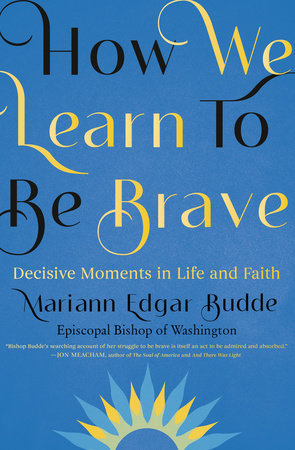
her name is mariann edgar budde, and she is the episcopal bishop of washington, DC. and the full 14:56 minutes of her sermon are worth a listen (or two.) my prayer is that in my one short swift and very small life, i might find such a voice in my own, and put breath to it when and where it most matters. 

bishop budde, it turns out, wrote a book on how we learn to be brave. and i’ve peeked inside while awaiting my copy. worth reading is this:

and this:

and before signing off, inspiration on courage from kentucky bard and old-fashioned farmer wendell berry:

It may be that when we no longer know what to do,
we have come to our real work
and when we no longer know which way to go,
we have begun our real journey.

The mind that is not baffled is not employed.
The impeded stream is the one that sings.

Wendell Berry

and the incomparable maya angelou: 

INSPIRATION

We, unaccustomed to courage
exiles from delight
live coiled in shells of loneliness
until love leaves its high holy temple
and comes into our sight
to liberate us into life.

Love arrives
and in its train come ecstasies
old memories of pleasure
ancient histories of pain.
Yet if we are bold,
love strikes away the chains of fear
from our souls.

We are weaned from our timidity
In the flush of love’s light
we dare be brave
And suddenly we see
that love costs all we are
and will ever be.
Yet it is only love
which sets us free.

— Maya Angelou

where have you found courage of late? did it feel awkward? did it make a discernible difference?

undaunted

only when it is dark enough can you see the stars…

Undaunted is the word that came to me. Once the shock began to dull. Once I quelled the queasing in my belly. Once I decided I won’t surrender this blessed world, won’t shift the course of the project I call my most urgent life’s work. 

I am undaunted.

My life’s work is accelerated these days. Its urgency is upon me, upon us all. 

My life’s work aligns with that of every sage and mystic that ever has been: I am devoted to molding myself closer and closer to the holiness I was made to be, we were all made to be. Because this world is a sacred work in progress, and we are its players. We are the ones with the hearts and minds and hands to bend the arc of justice, to kindle more and more brightly the flame of the sacred. To reach toward the holiness infused through our every breath, every utterance, every inkling. The whole of it. At every turn. To be gentle, and kind. To tenderize the fibers of our heart. Especially the ones that have been torn and shorn over the years. 

This is a path beyond the politics and power seekers of the world. I answer to a call from deep within, the eternal flame of the Divine breathed into us all in the beginning. In our beginnings. And the very beginning.

We’re called to play out our work in the milieu of the everyday, on a plane peopled with those who might test us, or just as certainly––often, more certainly––those who reach out a hand, and carry us along. Shimmy us onto their shoulders, if need be. And we in turn will do the same when we’re the ones whose knees aren’t buckling.

It’s contagious more often than not, this reaching toward kindness, toward peeling open the heart, digging deep, living for joy.

I’ve come to know that it’s a work best played out in incremental barely-noticed exchanges: the heart-melting smile shared in a crowded hallway; the hospital scheduler who takes the time to squeeze your hand, knowing you’re afraid; the grocery-store clerk who wipes away the tear that has crept down your cheek.

I once dreamed of solving world problems, curing life-crippling ills. Now, all I ask of each day is that I find moments to be bigger than I’ve been before, to reach deeper into the well of ordinary kindness, to bow my head and heart in deep thanks for every drop of beauty, wonder, decency. 

That work is unaffected by whatever plays out on the world stage. The powers that be hold no power over our souls, and we needn’t succumb. Needn’t employ the crude or the cruel we witness too, too often these days; in fact, we need amplify the opposing forces. Be radical in our generosity. Our empathies. Our magnanimity. Our humility. And our righteous indignation when called for. 

It so happens that this week found me being schooled in some of these very practices, and through the doorways of two great world religions. On Monday, a magnificent soul who happens to be a Hindu yogi, sat me down, lit a candle, and taught me the ways of deep meditation, turning my focus inward to the eternal flame of the Divine within; I am practicing every day. On Wednesday, I walked into the first of a series of classes at our synagogue on an ancient Jewish spiritual practice called the Mussar, centered on the verse in the Torah that tells us, “You shall be holy.” By drawing on seventeen soul attributes, and spending an arc of time––a season, a month, a week––keenly attuned to each, we exercise the muscles of our deepest being to become holy, to work toward our “primary mission in this world…to purify and elevate the soul.” The practice begins with humility. 

In simplest terms, as the great Chasidic teacher known as the Kotzker, once put it: “Fine, be holy. But remember first one has to be a mensch.”

No one can stop us. Mensches will be we.


I’ve spent the week gathering around me a wagon train of wisdoms, a line from the Talmud, a prayer from Judy Chicago, a profoundly wise passage from EM Forster, another from Hannah Arendt, a post from Rebecca Solnit, and finally a paragraph or two from Kamala Harris’ gracious concession speech…..


from the wisdom of the Talmud, found in what’s known as the Pirkei Avot, which translates to Chapters of the [Fore]Fathers, a compilation of ethical teachings and maxims from Rabbinic Jewish tradition. It is a part of the Mishnah, a code of Jewish law compiled in the early third century of the Common Era.

“Do not be daunted by the enormity of the world’s grief. Do justly now, love mercy now, walk humbly now. You are not obligated to complete the work, but neither are you free to abandon it.”


A Prayer for Our Nation
by Judy Chicago

And then all that has divided us will merge
And then compassion will be wedded to power
And then softness will come to a world that is harsh and unkind
And then both men and women will be gentle
And then both women and men will be strong
And then no person will be subject to another’s will
And then all will be rich and free and varied
And then the greed of some will give way to the needs of many
And then all will share equally in the Earth’s abundance
And then all will care for the sick and the weak and the old
And then all will nourish the young
And then all will cherish life’s creatures
And then all will live in harmony with each other and the Earth
And then everywhere will be called Eden once again.


The English novelist, essayist, and broadcaster E.M. Forster (January 1, 1879–June 7, 1970) took up questions of societal empathies in an essay titled “What I Believe,” originally written just before the outbreak of WWII and later included in the out-of-print Two Cheers for Democracy, his 1951 collection of essays based on his wartime anti-Nazi broadcasts. Here’s Forster:

I distrust Great Men. They produce a desert of uniformity around them and often a pool of blood too… I believe in aristocracy, though… Not an aristocracy of power, based upon rank and influence, but an aristocracy of the sensitive, the considerate and the plucky. Its members are to be found in all nations and classes, and all through the ages, and there is a secret understanding between them when they meet. They represent the true human tradition, the one permanent victory of our queer race over cruelty and chaos. Thousands of them perish in obscurity, a few are great names. They are sensitive for others as well as for themselves, they are considerate without being fussy, their pluck is not swankiness but the power to endure, and they can take a joke… Their temple… is the holiness of the Heart’s affections, and their kingdom, though they never possess it, is the wide-open world.

With this type of person knocking about, and constantly crossing one’s path if one has eyes to see or hands to feel, the experiment of earthly life cannot be dismissed as a failure.


Politcial theorist and philosopher Hannah Arendt reminds us our reach for change needn’t be in the boldest strokes in The Human Condition, her 1958 study of the state of modern humanity, thought to be more striking now than at the time of its first publishing. Here’s but one sentence underscoring that claim: 

“The smallest act in the most limited circumstances, bears the seed of… boundlessness, because one deed, and sometimes one word, suffices to change every constellation.”


Rebecca Solnit’s message the morning after the election:

You are not giving up, and neither am I. The fact that we cannot save everything does not mean we cannot save anything and everything we can save is worth saving.  You may need to grieve or scream or take time off, but you have a role no matter what, and right now good friends and good principles are worth gathering in. Remember what you love. Remember what loves you. Remember …what love is. The pain you feel is because of what you love. 


and finally, these two passages from Kamala’s gracious concession speech:

Fight in the voting booth, in the courts and in the public square. And … in quieter ways: in how we live our lives by treating one another with kindness and respect, by looking in the face of a stranger and seeing a neighbor, by always using our strength to lift people up, to fight for the dignity that all people deserve. The fight for our freedom will take hard work. … The important thing is don’t ever give up. Don’t ever give up. Don’t ever stop trying to make the world a better place. … This is not a time to throw up our hands. This is a time to roll up our sleeves. This is a time to organize, to mobilize, and to stay engaged for the sake of freedom and justice and the future that we all know we can build together.

and she closed with this…

You have the capacity to do extraordinary good in the world. And so to everyone who is watching, do not despair. This is not a time to throw up our hands. This is a time to roll up our sleeves. This is a time to organize, to mobilize, and to stay engaged for the sake of freedom and justice and the future that we all know we can build together. Look, many of you know I started out as a prosecutor and throughout my career I saw people at some of the worst times in their lives. People who had suffered great harm and great pain, and yet found within themselves the strength and the courage and the resolve to take the stand, to take a stand, to fight for justice, to fight for themselves, to fight for others. So let their courage be our inspiration. Let their determination be our charge. And I’ll close with this. There’s an adage a historian once called a law of history, true of every society across the ages. The adage is, only when it is dark enough can you see the stars. I know many people feel like we are entering a dark time, but for the benefit of us all, I hope that is not the case. But here’s the thing, America, if it is, let us fill the sky with the light of a brilliant, brilliant billion of stars.

what bright stars did you see this week? and how do you intend to carry on?

to those who note the rare use of caps this week, indeed sometimes you need to stand tall and say it loud and with proper capitalization, and so it is this fine morning. i mean what i say, and i say it undaunted.

the equinox of scan time: equal parts shadow and light

you start to wonder. which is another name for worry. for most of the last five months, i’ve worked at pushing it off to the edge of the frame. to keep it out of my focus. but october is coming. and with it, the next scan. the next clear-eyed peek into my insides, into my lungs, to see if anything’s lurking that oughtn’t be. 

i’ve mused about the saintly side of scan time. how it’s akin to memento mori, the ancient and holy practice of remembering our death so that we maximally live our one swift shot at this astonishing life. 

but the other side of scan time is the deeply human side. the wake-me-up-in-the-night, the try-not-to-worry-that-the-pain-in-my-ribs-is-anything-scary side. 

i feel it rumbling around the edges. the what-ifs i bat down as if a pesky mosquito that won’t leave me alone. i try not to tumble down the shadowy mole hole of imagining a call to my boys, letting them know i need another round of surgery. i try to quash the dialogue that runs through my head, my doctor’s voice telling me there’s something in the scan that looks worrisome, that needs more poking around. i try not to let cancer be the ice to my spine. 

i try not to cry.

but sometimes i get scared.

i am, always, bumpily, raggedly, very much human.

i’m still new to the tidal ebb and flow of scan time. and the scan now rising on the horizon’s edge is only my third since surgery, since they took out a chunk of my lung, since they found an uncommon cancer that sometimes decides to shuffle around in the lungs, settle in where it wasn’t before. what i’m finding here in the precinct of scan time is that when i near the one-month-to-go mark, the palpable fear comes. 

maybe each round i’ll get a little bit less wobbly (though, having lived with myself and my keen imagination for all of these years now, i tend to doubt that). maybe i won’t be tempted to imagine the worst. 

but the flip side, the smarter side, even now, even at the less-than-three-weeks-to-go mark, is that the hovering worry makes me sink deeper and deeper into the now. “today is a day when i don’t know anything’s wrong yet,” i sometimes hear myself saying. i suppose there are healthier ways to frame the day (for instance, omitting the “yet”), but once the doctor stamps the C word onto your chart, once it follows you pretty much wherever you go, it gets decidedly hard to unshackle yourself from being afraid.

remember, i’m bumpily, raggedly, very much human.

which is why a necessary ingredient on this bumpy, pock-riddled road is to enlist a battalion of comrades. some are fellow travelers i know up close and personal. a few are glorious souls i only know through their words, words they beam to me as if telepathic lifelines to put oomph where i’m lacking. 

whether they’re friends whose numbers i could find in my phone, or soulmates by circumstance, they’re all someones who know by heart how it is to live in the penumbra of cancer. what i find utterly indispensible about each and every one of them is that they put words to the rumblings i’d otherwise keep under lock and key. 

and when you hear the worst of your worries, the very words you’ve not yet dared to utter aloud, come out of a mouth that’s not yours, there comes an incomparable sigh, a sheer and certain relief to find you are hardly alone. and deep in communion, even if it’s a union to which you wish you didn’t belong.

one of my incomparable comrades is suleika jaouad, the best-selling author of between two kingdoms: a memoir of a life interrupted, the new york times writer of the “life interrupted” column, and every week in my inbox, the author of “the isolation journals,” her unfolding and intimate chronicle of her rare leukemia and relapse and bone marrow transplant. she’s one of the ones whose wisdom and courage i lean on. she infuses me. and, often, she steadies me. 

just the other day, after a weeks-long silence that signaled something amiss, suleika, who indeed has suffered yet another relapse and is back to chemotherapy, mused about radical acceptance.

she wrote:

That’s not to say I don’t feel fear—of course, I do. But strangely, the anticipation of pain can be far scarier than just being in it, actually confronting it. After my first transplant, in the years when I was cancer-free, I felt hijacked by the prospect of a recurrence and afraid that I wouldn’t be able to handle it. When it actually happened, I faced it. Knowing that, I have been trying to practice a kind of radical acceptance of whatever comes up, responding with whatever the situation calls for.

Take last weekend, for example. On Saturday, I had to go in for my last infusion of my second round of chemo. The side effects compound day-to-day, and afterward I felt awful, and I knew I’d be spending the day in bed. It had been a rainy morning, but on my way home, the sky began to clear, and I beheld a spectacular rainbow. For a moment, I glimpsed a sense of wonder. When I got to my room, I said to myself, “If I have to be in bed all day, so be it. What can I do to make this a little less miserable?” I took some anti-nausea meds and got a big glass of water. I put on my favorite face oil, wrapped myself a heating pad, gathered my pups around me, and queued up some favorite old movies to watch. Did I still feel awful? Yes. But instead of fighting it, or lamenting all of the things I wouldn’t be able to accomplish that day, I accepted it. And it turned out that staying in bed all day felt almost luxurious.

she speaks such truth. and then she somehow wraps it in what feels like a velvet blanket, somehow makes even a day in the sickbed sound a bit like a day at the spa. no wonder suleika is someone whose hand i would reach for on the darkest and scariest of days.

even though she wouldn’t know me if i bumped into her in the revolving door of sloan-kettering (a hospital entrance both of us have spun through) i wrote her right away to thank her for planting seeds of courage that some day might be my ballast. and i seized on her phrase, “radical acceptance,” to try to put it to practice. to not let my fears escape from the barnyard. to not be hijacked by fear, but to stare it square on, and to remind myself that time and again in my fair little life, i’ve steadied my knees and my spine in the fulcrum of whatever would have been my worst fear. i’ve always been braver than i’d ever imagined. i think we all are.

another one of my unparalleled big-hearted compatriot warriors who speaks to my deepest-down soul is the spoken-word poet and queer activist andrea gibson, diagnosed with ovarian cancer in 2021 and a recurrence last spring. i can’t count the times she’s sprung me to tears. tears of recognition. of stripped-naked truths. of beauty so rare and so fine i sometimes imagine she dwells with celestial beings. 

here’s a line from one of her poems that stiffened my spine and reminded me to steady my ways:

My worst fear come true. But stay with me y’all-
because my story is one about happiness
being easier to find once we finally realize
we do not have forever to find it. 

we do not have forever to find it…

i play their words over and over, as if a broken record, hoping and hoping that with each spin of needle to groove, i might finally inscribe their wisdom, their wonder, their truth, onto my heart. or at least find a strong steady hand to hold while i aim there….

what steadies you when you’re afraid?

love thy neighbor ain’t always easy but it’s where it begins

maybe my world is shrinking, or maybe pragmatism comes with creaky knees and hair turned pewter white. once upon a time i dreamed i might figure out a way to end world hunger. nowadays i spend my days worrying about how to make peace on the little block of houses where i live.

i’ve somehow shrunken my visionary zeal, realized i’m no melinda french gates and will never swipe the planet of those scourges — polio and TB and cluster bombs — that wreak a hardly-holy hell.

what consumes me nowadays is the hard task of human beings bumping up against each other with their curious quirks and rough spots. long ago, when i had my nose in books about saving the planet from the scourge of hunger, when i failed to set the dinner table cuz i was on the phone with a friend in tears, my mama used to drive me nuts with her refrain: “charity begins at home.” i thought that was just another way of getting me to mind my chores.

but, decades later, i get it. i get how hard it is to attend to the one simple command at the core of nearly every world religion: love thy neighbor.

yes, love the lady who shrieks out her window. love the guy whose dog barks through the night. love the ones who park their fancy car in the middle of the alley and don’t think they might be blocking your way.

it’s in the fine grain that we stumble. and that where the grit pits our knees.

it’s pie in the sky — and a cheap way out — to talk in platitudes. it’s a whole other thing to meet that someone on the sidewalk, to look into her eyes, and talk it out. to say i am so sorry you were hurt. to say, i’ll fix it. to invite someone in for coffee — after she’s made it clear she doesn’t much like the way you leave your christmas lights strung up till easter.

i’m not the one who’s in trouble at the moment. but i happen to know that of the eight houses on my side of the block, four are deep in scuffles. and it sickens me to know that in a single ZIP code we cannot find a way toward peace.

and it throws me back to that radical jesus, and maimonides not too long after, and buddha, and mahatma gandhi and mother theresa too, all of whom made it seem so clear, who gave us three words to live by: love thy neighbor.

work it out.

dig deep in your soul’s well, and pull up forgiveness. find compassion. try to imagine how deeply the hurt must be for someone to yell out their window to “mind your own ******’ business.”

this humanity is complicated stuff. not everyone seems to have read the same play book. and no matter how hard we wish, we cannot write the script, nor spew the lines for all to recite.

so how to be the instrument of peace? how oh how, is the question i ask over and over. i don’t have too many answers here. but i do know this: my one holy task, the one way i am choosing to spend my days, is to try. to wake up every morning with that code in mind. to catch myself in the rough spots, just before the fall. and to ask if there’s a kinder, gentler, humbler way to be.

it’s down here in the weeds of our own backyards where the hardest part comes. where it boils down to something more than everyday civility. where if someone’s house was burning, i might run toward the window to catch whatever was being thrown out the windows. where if someone fell on the sidewalk, bleeding, i’d run and hold her hand. wipe her tears. cradle her till the doctors came.

it’s not so hard to send off money to the middle east. what’s hard is walking down the sidewalk, or watering the garden, when someone turns the other way.

it’s in the squeeze of that human vise when we need call on our better, finer, wiser, kinder angels, to not only turn the other cheek, but to figure out a way to span the divide. to sow love where there is hurt. to be the living, breathing instrument of peace.

for that i pray. day after day after day.


diana butler bass, an author and historian who calls herself a public theologian, is someone whose voice i’ve been listening more intently to these past couple years. she points her focus on the intersection of modernday culture (often political culture) and religion and spirituality, and she scythes through any hint of hypocrisy and flat-out baloney. she stands, unflinchingly, for the good. this past week, she was writing about bread and wine and wisdom, and i stumbled into this one paragraph (bolded below) which held me for a long while. wisdom is something i look for, hope for, reach for. i love the way bass takes the hard turns in our lives and sets them as the building blocks upon which the wisdom rises. i love that “bad choices” is part of her mix of what might lead to wisdom. it’s not just that we’re the recipients, that bad things “just happen to us.” sometimes, she wisely puts it, we bring the dark times on. we can be culpable. we can stumble. and do dumb things. words we wish we could stuff back in our mouths. invitations we wish we didn’t turn down. chances we wish we were brave enough to have tried. she makes me wish i could turn back the clock of time just long enough across the arc of my life to tap little me on the shoulder to let me know the dark days i was stepping into were going to be the days that in the end would grow me into the wise old woman i’d long prayed i’d  become. here’s diana on hard-won wisdoms…

Central to bread and wine is the exact same principle: In order to become what they are, they must be transformed from one thing into another. When a leavening agent is introduced to flour and water, it becomes a dough that bakes into bread. When yeast consumes the sugar in juice, it ferments the fruit and turns it into wine. Wheat and fruit are, in effect, broken down and simplified by an outside agent, turning them into bread and wine. That’s what fermentation does.

But this process takes time. Bread must be worked, kneaded, left to rise, reworked, and baked. Wine is the result of weeks or months or even years of yeasts breaking down sugar and slowly turning fruit into alcohol. Bread and wine are staple foods for everyone, and yet they demand great patience of bakers and vintners. Neither happens immediately. One must learn the craft of these foods over time. They cannot be rushed. Staples, yes. Slow foods, absolutely. The best things to grace our tables — those things that sustain us and give us joy — result from an intentional and gradual undertaking.

Wisdom is like that, too. How does one pursue wisdom? Where do you find it? Perhaps it is like bread and wine. It begins as something else — an experience, a loss, suffering, bad choices. But when some leaven — like the Spirit — is introduced, these original ingredients are transformed into wisdom through a process of fermentation that takes time. Wisdom cannot be rushed. You learn, you craft, you wait. Eventually, what was becomes something else — something lasting and satisfying.


i didn’t mean for this to line up quite so charmingly, but another thing that utterly grabbed me this week was this bit of poetry sent by my beloved poet friend win. it’s a poem called “butter knife.” bread and butter, how perfect. but first a word about win, who this year started up a wisdom gathering she sends out every monday morning. it’s called metta monday, and in it she gathers up a bouquet that stirs me, fuels me, and often draws out a tear. her well is deep, and she harvests broadly, drawing on sages and poets and zen masters. i’m not quite sure how you’d sign up for it, but if you leave word here, i will be sure win finds you. she starts your week with a rocketblast of all you need to make it to the other side. . .

click here for butter knife, a poem by hollie mcNish about wonder, and specifically about the wonders and wizardry of the human body and the interplay between blood, sweat, tears and the soul….where “teardrops can be conjured out of thoughts…” it’s a beauty! we might all climb on the hollie mcNish train….

do you have a story to tell of watching love blossom and break through darkness?