pull up a chair

where wisdom gathers, poetry unfolds and divine light is sparked…

Category: books

turn the page slowly

come in close. crack open the cover. take in the book. finger the paper, the color, the type. hear the page crackle. as you lift it, you turn it. you turn the page slowly.

drink in the story. take note how the words are unfurled on the page. feel the thump of the poem as it beats with your heart.

at its best it is poetry, tucked in those pages. tucked between covers. awaiting your fingers. awaiting your heart.

some of the books that i love best, have always loved best, are books for children, children’s books. books meant to be read curled up in a lap. curled up in a corner. curled up in a chair with a lap like a mama.

i have loved children’s books, collected children’s books, since long before i had children. and will keep doing so, i am certain, long after those children no longer fit in my lap.

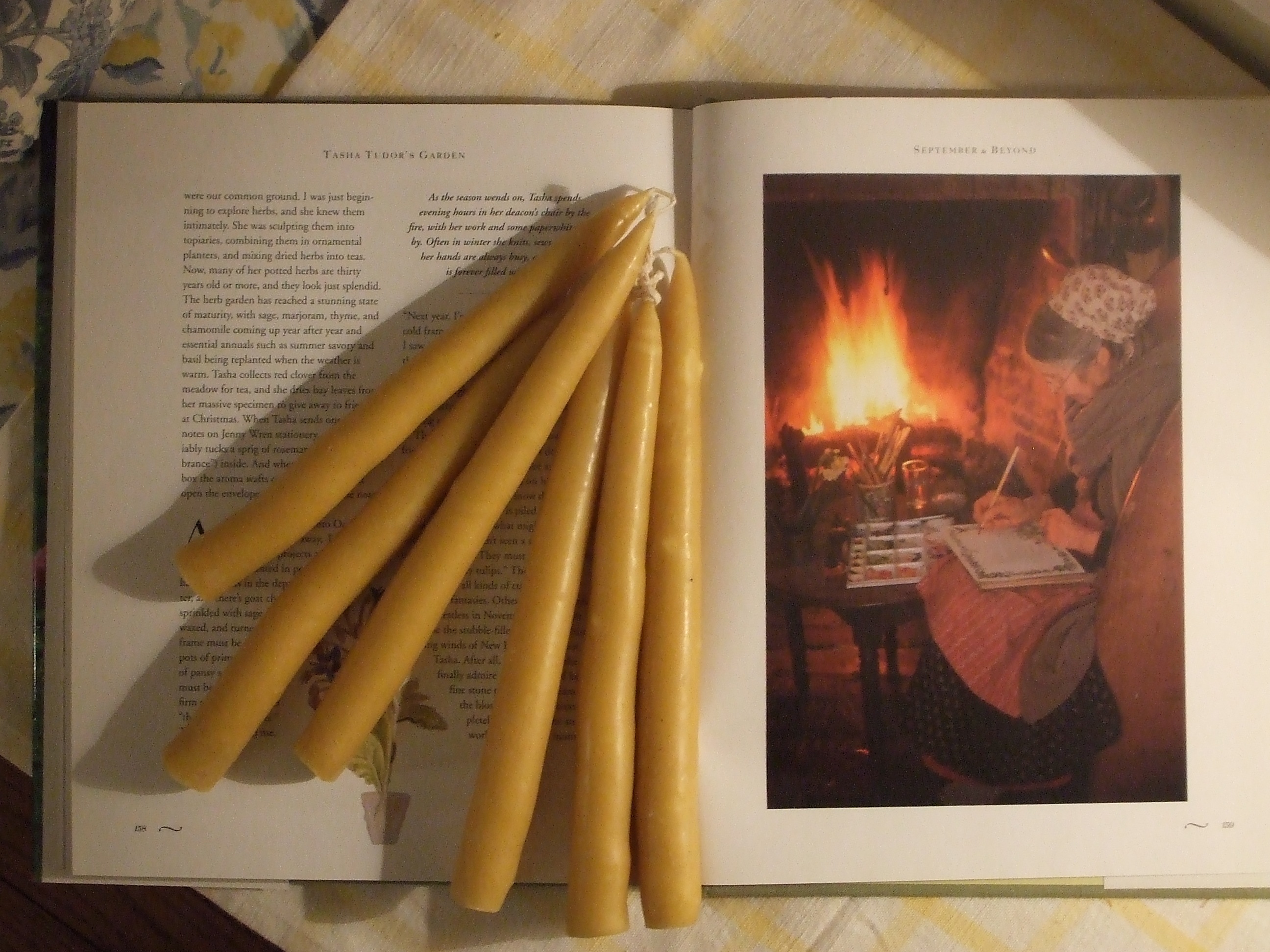
i don’t even have to close my eyes to see the thumbelina page in tasha tudor’s book of fairy tales, the one i have loved since i was so very little, curled in a corner, the page in my lap. on the page that i love, the little spit of a girl floats on a red tulip petal, two wisps of perhaps a cat’s whisker for her oars. she has been floating on that page, trying to get to the edge of the bowl that is wrapped in a bank of bleeding heart, and lily-of-the-valley and sweet yellow pansies for 46 years, since 1961, when tasha published the book, and probably near the time that my mama gave it to me.

it might have been thumbelina who made me love books. or maybe my mama.

because today is a day at school in which all children are reading, or being read to, in hopes that illiteracy can be wiped out in schools not far away, i pulled two of my favorites off of the shelf.

they would be, for now, the beginning and end of my favorites, for one, “what you know first,” by patricia maclachlan, engravings by barry moser, has been my favorite since i stumbled upon it years and years ago in the stacks of a dusty old book store, a used-book store with the marvelous name aspidistra, squeezed in next to a hamburger joint at the not-so-quaint corner of clark and wrightwood in chicago.

the other book, “ox-cart man,” by donald hall, illustrations by barbara cooney, i call the caboose of my favorites only because it’s the last one in the door. it should have been a favorite for a long, long time. but i only just came upon it, waiting for me on a table at just about the coziest, most thoughtfully considered place to find children’s books in all chicago these days–the sweden shop, on foster near kimball, where my dear friend sandra has resettled after closing her own much-loved and missed shop, sweetpea, where some of the best books on my shelves were ever-so-reverently slipped in my most hungry hands.

“what you know first,” is pure heart-breaking poetry. a child is leaving the prairie; the family farm, sold, or, probably, lost. you hear the child’s voice, ache for the child, as he or she, i can never tell which, leaves behind an ocean of grass, endless sky, a cottonwood tree, even uncle bly who sings cowboy songs, eats pie for breakfast. i’ve always heard echoes of “the grapes of wrath” in these few pages, a grownup novel of loss and leaving behind boiled down to its rich, pure essence, in words a young heart can’t help but feel. the black-and-white engravings, i could study forever. could frame and hang on my wall.

“ox-cart man,” a poem that originally appeared in the new yorker, of all places, on oct. 3, 1977, quietly unspools a powerful tale of a man, his wife, his son and his daughter who work all year to gather, to grow and to make goods that he then sells at the market, drawn there by the ox and the cart. it is a book that pounds home the lesson of true economy, you use what you have, you sell what you’ve got, you buy what you need, you start over again. in a disposable world, these pages can’t be fingered often enough.

the u.s. poet laureate billy collins wrote of hall: “[he] has long been placed in the frostian tradition of the plainspoken rural poet.” barbara cooney, one of my truest heroes (she wrote and illustrated “miss rumphius,” which teaches us, “you must do something to make the world more beautiful”), won the caldecott medal for her ox-cart illustrations that remind us of early american paintings, new england quaint.

the power of both books is that they are quiet, so quiet. plainspoken poetry. they are books you can’t close when you get to the last page. you just sit there, holding. holding your breath. holding your heart.

holding on to the power of a poem, poured out on the page, a page best turned oh so slowly.

please forgive me if i rambled. bless you if you got to this bottom. please take a turn. tell us your best children’s book. go ahead, gush.

extending the table

the leaves of the table, perhaps, are the heart of the table. they’re meant for extending. for adding guests. for making room. this is about extending the table.

if you’ve poked about this place we are building, this place called pull up a chair, you might have wandered over to the corner of it called the bottomless cup. i mention there a book i was dying to dash out and get, a book called “extending the table: a world community cookbook.” well, i dashed all right, and i got it. and it is every bit as delicious, as chewy, as i had hoped it would be. there’s a link on the bottomless cup, right where i mention the book, that will hook you right over to the ten thousand villages website, where you could order up a copy all your own. (or you could look for it elsewhere, it’s compiled by joetta handrich schlabach, it’s $20 and it comes from herald press.)

i am reading the book with yellow highlighter in hand. when’s the last time you read a cookbook with a highlighter?

the reason i am highlighting madly is because the book shares a deep underlying theme with pull up a chair. it is about welcoming. taking time. it is about making room at your table. making room in your day.

as my wise wonderful friend susie, the one who told me about “extending the table” in the first place, was musing, she talked about how when she was growing up, if you came to her mother’s house, you got a cup of coffee set down before you. no one even bothered to ask. you just got a coffee. it was assumed you were staying long enough to get to the bottom of the cup. now, says susie, you’re lucky if someone offers you a glass of water from the front of the fridge; no one really has time. no time to make the coffee, no time really for you to stay. a quick swallow of pre-chilled water, you’re back out the door.

not so around the world. not so in places where cold water does not come spitting out the front of the fridge.

“in turkey,” one passage of “extending the table” begins, “it is a great virtue to be known as someone who loves company and has a lot of it.”

the book goes on to tell that when a guest arrives at the door, shoes are removed, a pair of slippers are offered. the guest is ushered into the great room; the host kisses both cheeks, and sprinkles lemon cologne on their hands. coffee is offered, the host asks if they like it with or without sugar. once coffee is finished, the host prepares tea, which must be simmered 17 minutes, and always is made fresh for a guest (family might drink warmed-up tea). tea comes with sweet and salty pastries; the cup is refilled until the guest insists she or he cannot swallow another drop. when the guest insists she must leave, the host hurries to the kitchen, returning with plates of fresh fruit for everyone. when the fruit is finished, and the guest again insists she must leave, the host brings damp washcloths, and arranges shoes with toes pointed toward the door. they part with kisses, handshakes, and an exchange of invitations for future visits.

oh my. nearly makes you squirm. imagine packing that in your blackberry-buzzed day.

makes you think, though. makes me stop and think.

when was the last time you made coffee for someone who came to your door? when was the last time someone came to your door, dropping in for the sole purpose of pulling up a chair to your table?

maybe, one cup at a time, we can begin to change that…