pull up a chair

where wisdom gathers, poetry unfolds and divine light is sparked…

Category: books

when the morning news brings harper lee

DSCF1273

this old house will be a newspaper house as long as fish wrap is dotted with ink. every morning, seven mornings a week, the first sound that reverberates around here — save for the pre-dawn robins who rev up their vocal cords — is the THWOP! of rolled-up papers plopped onto the front stoop (three separate wads each weekday and saturday, two on sundays). twice a year, when the bill comes due, a bill that topples into the hundreds for all that fish wrap, there’s no discussion. we don’t debate the wisdom of rolling out hard-earned cash for an inflow of ink and paper. because you never know what the news will bring. and we couldn’t live without the possibility of getting lost in sentences that swoop our hearts away. or the joy of flipping through a section and discovering a story we otherwise never would have tumbled upon. or the raw eruption of hot tears spilling on the page, as some account of awfulness carries us miles and miles from where we’re reading, and into dingy corners we’d not know were it not for the newspaper’s insistence on wiping out our ignorance and insouciance.

heck, this old house and half the people in it were practically built on the backs of newsprint. were it not for one chicago tribune’s newsroom, i never would have spied — and uncannily fallen hard for — the lanky fellow who became my lifelong paladin, and the father to our children (the two we call our only “double-bylines”).

still, not every morning brings what this one did; these words from the one spooning oat-y Os into his hungry gullet: “you’re gonna go nuts over this one.” and then he shoved before my eyes the front page of the wall street journal’s friday arts-and-culture section.

“the first chapter of harper lee’s new book,” he mumbled between Os, lest i miss the red-hot scoop, the unparalleled capital-e Exclusive, the biggest leak in publishing in plenty a while, the newspaper’s literary splash four days in advance of tuesday’s worldwide release of what’s being called the reclusive ms. lee’s “new novel.”

DSCF1270

actually, it’s harper lee’s old novel, “go set a watchman,” her first go-around with a manuscript, submitted back in 1957, when she was all of 31, to her new york publisher, j.b. lippincott.

as the book-peddling legend goes, ms. lee’s editor back then found the story “lacking,” and advised that the would-be author instead zero in on the flashback scenes, in what would become the searing tale of scout and dill and jem and atticus finch and boo radley, and racial inequity and empathy played out in small-town maycomb, alabama: “to kill a mockingbird,” the pulitzer-prize winner that went on to be named “the 20th-century’s best novel,” according to a vote taken by the nation’s librarians.

and so, before my first sip of coffee this morning, i was riding the rails with jean louise finch, aka the “scout” of mockingbird fame, as she “watched the last of georgia’s hills recede and the red earth appear, and with it tin-roofed houses set in the middle of swept yards, and in the yards the inevitable verbena grew, surrounded by whitewashed tires.”

i admit to having been among the skeptical when news of this “long-lost discovery” first made headlines. i admit to suspicion when word leaked out that the 89-year-old ms. lee’s not-long-out-of-law-school attorney just happened to find the manuscript tucked away in a safe deposit box, shortly after ms. lee’s 103-year-old sister, lawyer and lifelong protector, alice lee, had died. i worried that the not-altogether-with-it nelle harper lee might have been duped. coerced into publishing something she’d not wanted paraded through the glaring light of day, to say nothing of the folderol and zaniness sure to come after a half-century’s literary silence.

well, i’ve now read every word, every word the wall street journal rolled into print, and i’m here to tell you i’ll be among the ones in line to gobble up the next however many chapters ms. lee has lobbed our way. whoever was that long-ago lippincott editor who found the first-go lacking, i beg to differ. i’d not want to miss the chance to drink in a line like this one: “love whom you will but marry your own kind was a dictum amounting to instinct within her.”

or: “she was a person who, when confronted with an easy way out, always took the hard way. the easy way out of this would be to marry hank and let him labor for her. after a few years, when the children were waist-high, the man would come along whom she should have married in the first place. there would be searchings of hearts, fevers and frets, long looks at each other on the post office steps, and misery for everybody. the hollering and the high-mindedness over, all that would be left would be another shabby little affair a la birmingham country club set, and a self-constructed private gehenna with the latest westinghouse appliances. hank didn’t deserve that.

“no. for the present she would pursue the stony path of spinsterhood.”

dare you not to race out to add your name to the long list at the library, or order up your own copy from your nearest most beloved bookseller.

i for one will be inhaling every line, on the lookout for a passage equal to the one i just might call the greatest american paragraph ever penned, the one that makes my heart roar every time.

for the sheer joy of retyping its every word, here is one walloping passage from atticus finch’s closing argument in his defense of a black man wrongly accused of raping a white girl in the deep south of the 1930s. page 233 in my first perennial classics edition, printed in 2002:

“But there is one way in this country in which all men are created equal — there is one human institution that makes a pauper the equal of a Rockefeller, the stupid man the equal of an Einstein, and the ignorant man the equal of any college president. That institution, gentlemen, is a court. It can be the Supreme Court of the United States or the humblest J.P. court in the land, or this honorable court which you serve. Our courts have their faults, as does any human institution, but in this country our courts are the great levelers, and in our courts all men are created equal.”

heck, the whole closing argument — from the bottom of page 230, clear through to the fourth to last sentence on 234 — the whole magnificent thing was enough to make me a lifelong believer in the pen of harper lee. and the wall street journal’s gift this morning — slick as it was for the newspaper owned by the same outfit as lee’s new publisher, HarperCollins, to steal first crack at the watchman — twas a mighty fine one.

and an indelible reminder of why i’ll forever be a girl with ink pumping through her veins.

what’s your favorite line, or scene, or passage, from mockingbird? 

DSCF1272

and, for your summer reading’s consideration, here’s how the journal lays out the launch of ms. lee’s latest, under the news headline, “scout comes home”:

“The first chapter of ‘Go Set a Watchman’ introduces Ms. Lee’s beloved character, Scout, as a sexually liberated woman in her twenties, traveling from New York to Alabama to visit her ailing father and weigh a marriage proposal from a childhood friend. It also includes a bombshell about Scout’s brother.”

i’ll let you read for yourself and discover that bombshell…..oh, the joy of a byline we thought we’d never see again, one that bears the name harper lee.

the pages turned…

eric carle page turned

sometimes it’s in the immeasurable glimmer flashing by that we catch notice of the years slipping by.

so it was when i got word that eric carle, he who cut and glued the tissue-paper colors of the first childhood i inhaled by heart, he who wrote the rhymes, and pounded out the rhythms of measured bars of caterpillars and brown bears and grouchy ladybugs who ate the page, he would be among the short list of honorees at my firstborn’s college graduation.

suddenly, i was back in an overstuffed armchair. a navy plaid. one we’d bought when my belly was full and round, one we’d bought — on what for us amounted to a whim — because suddenly i was overtaken with the urge to have a sitting place, a nesting place, for me and my soon-to-be-born. that boy was not a week old before i cradled him in my arms, plopped him on my lap, perched a book before his eyes, and began to turn the page. one ear pressed against his mama’s heartbeat, and through the other ear, his mama’s voice rising and falling in sing-song brown-bear rhythm.

and so it went, through bedtimes and lull times and any time we happened to be curled together on the floor of his room, where a nook carved along the wall cradled all the books of childhood i had gathered for this and any other child.

suddenly, in my mind’s eye, in that tumble of remembering, i was perched atop my firstborn’s hand-me-down four-poster bed. he was nestled beside me, my long-legged boy in his little boy pajamas. i could see his little hand, dimpled hand, his hand that loved to turn the pages — no pages more so than the ones of eric carle.

every child has their natural-born predilection for a certain page. there must be something about the words, the rhyme, the color, or maybe just the humor deep inside. it’s indecipherable, and unpredictable, just what that book, that page, might be. but in the case of our house, our bookshelf, there was no more-loved page-turner than eric carle’s brown bear.

“brown bear, brown bear,” i can begin to recite. and i can take it — still — clear through to red bird, and yellow duck, and blue horse, and green frog, and purple cat. i stumble on white dog, but pick right up with black sheep, and goldfish, and then, skipping right by teacher and children, crescendo comes: in which, in rat-a-tat retelling, we tick through the whole menagerie of curiously-colored critters.

if i read that book once, i read it three million times. it was in these pages, i’m fairly certain, that my sweet boy learned his yellow from his blue. and for some reason, one that might forever escape me, it’s where i heard him laugh on cue, each time we came to that horse of blue. did he know that horses were not blue? is that what struck him silly?

and here we are, the pages barely touched in years. but when i got the news, the news that mr. carle would be presiding, i tumbled up the stairs to the nook in his little brother’s room where the books now stand, forgotten soldiers, stiff-backed, listing, and i pulled out the trinity of carles — hungry caterpillar, grouchy ladybug, and brown bear — and there, i turned the pages, and there i saw the years-old crinkles on a page that once upon a time must have so excited a little page-turner that he up and scrunched that charming goldfish that swims across two pages.

that the author of the cornerstones of my firstborn’s childhood would, all these years later, be there, in the flesh, at his college graduation, the ceremonial whirl that is the close of college, well, it just put a zap to my heart, and melted me. and washed me over in a sudden measure of just how many years have passed. how many pages have been turned. and made me ask, again and again, how did we get here? how did we get to this brink of college graduation, a moment that shimmered in the far-off distance, an indecipherable mirage that felt miles beyond my reach?

and as is my wont to do, i tick back across time, i hold the celluloid frames up to the light. i study one after another. measured bars all unspooling toward this moment of glory-be, he-made-it. i think of the shadowed hours, the ones when darkness descended, the ones when that blessed child bared his deepest fears and worries. i think of the broken hours, when a dream slipped just beyond his fingers’ reach. i think of the occasional glory, when that beautiful boy felt invincible and whole and understood just why it was he was planted on this holy earth.

and so there is symmetry, full circle, weaving together the beginning and the end of this particular chapter, the chapter called school life (even his little brother announced the other afternoon, as if he’d just put two and two together: “gosh, willie is about to be a real adult!”). the beginning and end here seem to have serendipitously been marked by eric carle, a fellow who found his joy, his purpose, in making shapes of brightly-colored tissue paper, and who wrote the score for a childhood measured out in the joy of turning pages, the delight of stumbling on a page that makes you laugh out loud.

i wonder if i might wiggle my way through the crush of all those college kids, and yank the wise man’s sleeve, and whisper my almighty thanks for the animation he stitched into our long ago just-beginning picture-book days?

red bird carle

who wrote the score of your childhood, or a childhood you’ve been blessed to watch up close? which picture books can you close your eyes and still recite, page by page, word by word?

on this particular morning i am particularly tied to my firstborn, who is about to step into the defense of his thesis, his 180-page page-turner. with all my heart and soul i offer up this morning for his prayers and dreams to come tumbling true….

soul pickings…

book pickings

pray tell, you might ask, what is she doing now? perhaps, given the tower of pages above, i’m devising a rube-goldbergian contraption for felling the wintertime ants that dare to cross my kitchen table. or, perhaps, it’s the latest in literary aerobics: hoist this pile off the tabletop and see how many jumping jacks i can count — before dropping the load on my poor baby toes, or tumbling under the weight of the heart-pumping challenge.

or, perhaps this: in the plummest assignment a girl could dream up, my old newspaper, the chicago tribune, has asked me to basically peruse the literary all-you-can-eat and fill my tray with the juiciest morsels — month after month after month. now, you’ll not find me weighing the caloric wonders nor the narrative arc of sultry page turners. and i won’t be digesting the latest in graphic novels, or avant-garde fiction. my little assignment, which runs on the pages of the tribune’s literary supplement, printers row journal (special subscription only), is called “round up: books for the soul.” and i’ll be lassoing soul-stirrers every four to six weeks.

and, in case you hadn’t already guessed, my definition of soul is a broad one, a deep one, so watch out bookshelves, i’m coming right at you. i’ve been asked to mine the lists of just-published pages to pluck out the ones that stir me — and maybe you — the most deeply. in my book, that means children’s picture books are near the top of the pile. and so too is the 8.4-pound, 4,448-page, two-volume whopper, the norton anthology of world religions, a collection i could — and i will — spend the rest of my days inhaling. it means poetry and essay, and even a book of black-and-white images with very few words, if that finds a way to the depth of the place that stirs us, inspires us, sets us wanting to right the world’s wrongs (or at least to course-correct the fumblings that hold us back from all whom we were meant to be).

at the moment, i’m whittling my latest short list down to the final three, and i’ll be defending my picks in short pithy blurbs — all to be handed over to my editor by monday morn. while i can’t let on here what’s next on the docket, i can pass along the trinity of titles that were picked for the perch of the new year, the first installation in what promises to be a perpetual devotion.

a marvelous and hilarious side note on the list just below. when dear, marvelous, and often quite wacky anne lamott spied the review online (i had no idea it had even been edited, yet alone posted) she went bonkers with joy, and declared it “the single best review anyone has ever gotten in the history of publishing,” which made me chuckle on an otherwise gloomy new-year’s-eve day, and slam-dunked my certainty that hyperbole is a jocular, life-giving art. when last i checked, a mere 24,362 of annie’s beloved friends had “liked” the review on facebook, and i for one was simply tickled that ms. lamott felt the love, as it were. (may we all know the joy of being loved out loud, over and over and over again….)

here, with no further ado, is my first round of round ups: books for the soul. i cannot emphasize emphatically enough how wonderful each title is. nor how very much i love this assignment that has me back in the news pages i love. (i’ll post the link, but i don’t think it will work if you don’t already have a tribune subscription. just in case, though, click here.)

Round Up: Books for the Soul 
By Barbara Mahany

Small Victories: Spotting Improbable Moments of Grace
By Anne Lamott, Riverhead Books, 304 pages, $22.95

Anne Lamott is practically a household word in the peeling-back-the-soul department. She’s utterly disarming. She’s hysterically funny. One minute, you’re falling off your chair laughing, and the next, you’re gasping for air, because Lamott has just unfurled a sentence that cuts straight to the heart of what you really needed to know. She’s been doing that for so many books now (this is her ninth nonfiction title), I keep thinking she’ll run out of ways to take my breath away.

Which is why I didn’t expect to see her latest collection of essays tumble into my short list of soulful treasures. I was wrong, so wrong. Lamott is one in a million. Who else would make this leap, writing of a moment that’s so serene and holy, “I was sure I was going to end up dating the Dalai Lama.” Or: “I thought such awful thoughts I cannot even say them out loud because they would make Jesus want to drink gin straight out of the cat dish.”

Hers is an inimitable mix of irreverence and deep-down holy wisdom. Her wit is so sharp, her synapses fire so quickly, she deftly connects the dots and vaults across the spiritual landscape like nobody else. Never suspecting we’re about to come around some light-drenched bend, we practically sputter when she steers us head-on into one of her wild-eyed illuminations.

Lamott grounds the holy in the messy, hilarious, madcap adventure that is her life. And she sees the truth so piercingly perceptibly, we’re left slack-jawed and wiser in her wake.

Paradise in Plain Sight: Lessons from a Zen Garden
By Karen Maezen Miller, New World Library, 192 pages, $15.95

This little slip of a book, like the best of all soulful books, slips deep in your soul practically unnoticed. Suddenly, you’re sitting bolt upright, because you’ve been reading quietly along and you realize you’ve just inhaled a sentence that packs a spiritual wallop.

As in: “We live stupefied by our own deep terror, our unmet fears. Out of fear, we crush our own spirits, break our own hearts and — if we don’t stop — rot our own flesh,” writes Miller, a Zen priest and teacher, in an essay about crossing the threshold of fear. “All that is ever required of us is that we lift one foot and place it in front of the other.”

Miller’s plainspoken wisdom, the essence of her Zen Buddhist practice, is couched in the story of discovering and tending a long-neglected 100-year-old Japanese garden, the paradise in her own Southern California backyard. Amid a landscape of rocks and ponds and pines and orange trees heavy with fruit, Miller doles out Zen lessons on fearlessness, forgiveness, presence, acceptance and contentment.

“This book isn’t really about Zen, and it isn’t really about gardening,” writes Miller in the prologue. “It might seem like I’m talking to myself, but I’m talking to you. Now, about this paradise. You’re standing in it.”

Indeed, you needn’t be a gardener, nor inclined to long hours of meditation, nor a disciple of Zen. And you certainly needn’t travel to the nearest Japanese garden to unearth the truths Miller so generously lays at your mud-sodden soles.

The Lion and The Bird
By Marianne Dubuc, Enchanted Lion Books, 64 pages, $17.95

A so-called children’s book, a picture book, among the most soul-lifting books of the year? Why, yes. Emphatically yes.

Tripping upon this marvel of a book, by French Canadian designer and illustrator Marianne Dubuc, is to tumble into a tale of unforgettable tenderness — the story of a lion who finds a wounded bird in his garden one autumn day and nurses it back to flight, a winter’s convalescence of warmth and friendship that banishes loneliness, for lion and bird. It’s one that tears at and stitches together again the heart.

Words here are spare, as are the pencil-shaded drawings, and thus the tempo is slow, the mood quiet. It’s the intimate details that draw in the reader, and thus the reader’s heart — the wounded bird pecking seed off a dinner plate, little bird dozing the night away curled inside lion’s bedside slipper, bird peeking out of lion’s winter cap as the two lumber off for a romp in the snow.

By spring, when bird is healed and its flock returns, a nod to the sky is all lion needs to know that it’s time for bird to leave, to put flight to his wings. And so, the summer is passed — lion alone. Come autumn, lion can’t help but wonder, can’t help but study the canvas of sky. And then, after two achingly empty pages, a musical note exalts on a page. There’s bird, perched on the limb of a tree. Lion’s heart leaps — and so does the reader’s.

It’s a lesson in unspoken, ineffable love. And it unspools in gentlest wisps. Sometimes, that’s all the soul needs.

Barbara Mahany is the author of Slowing Time: Seeing the Sacred Outside Your Kitchen Door (Abingdon Press, Oct. 2014). Twitter: @BarbaraMahany

and what books would you add to a list of those fine for the soul? even though i’m limited to just-published titles, you can add all-time favorites, classics, can’t-live-withouts to this ever-lengthening list…..(and i promise to keep posting once the round ups take their twirl in the tribune…)

led by a deep, still voice


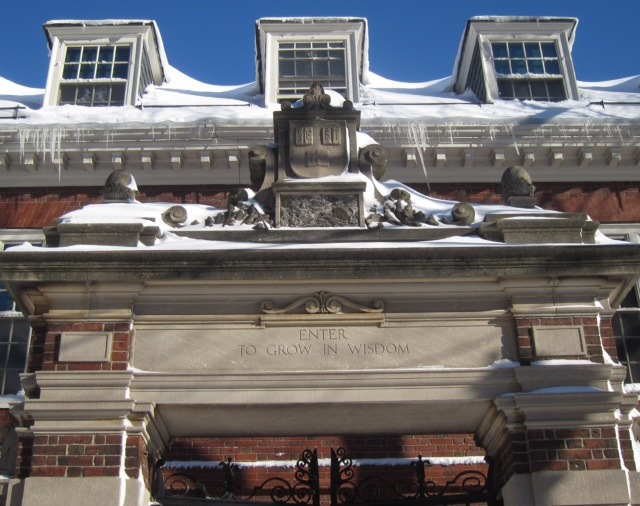
enter to grow wisdom

here is an essay i wrote this week for the nieman storyboard, a writerly nook of the nieman foundation for journalism at harvard that explores the craft of longform narrative and storytelling in all its guises. this was an essay that took particular courage. you’ll read why. you can read it below, or see it here on the storyboard, where you might decide to poke around and find a host of marvels and morsels….

I’ve written about my mother’s cancer. And the string bean of an unborn baby who slipped through my fingers in the dark of the hollowest night, amid clots of blood and a wail of primal grief.

I’ve written about the abyss of the hour when I paced an emergency room, waiting to hear if my older son’s spinal cord had been severed when he flew from his bike to a trail in the woods. I even once dared to write — in the pages of the Chicago Tribune, my hometown newspaper — how I became anorexic my senior year of high school, and, in the flash of a few short spring months, plunged from glory to shame in my infamy as the homecoming queen who had to be hospitalized after dropping 50 pounds.

But saying out loud that I look for and find God nearly everywhere I wander? That scared me.

Especially among my fellow journalists, for whom skepticism is religion. Pulling back Oz’s curtain, taking down the too-powerful, those are the anointed missions. To stand before an imagined newsroom and say I bow to the Almighty source of all blessing, I believe in the Unknowable, the Invisible, a force I know to be tender and endless and ever in reach, a magnificence that animates my every hour, that is to stand before the firing line. That is to expose yourself, I feared, as unfit for Fourth Estate duty.

But I did it. Led by a deep, still voice.

Now, it’s all bound in a book, called Slowing Time: Seeing the Sacred Outside Your Kitchen Door (Abingdon Press, 2014). And, as of Oct 7, you’ll find it in bookstores, on Amazon, even on the shelf of my town’s library.

The burning question for a journalist who’d dare to chart the spiritual landscape is how, using the tools of the craft, do you toughen the fibers, sharpen the edges, of a subject that, by definition, is formless? How do you put hard-chiseled words to believing, indeterminate act that it is?

For me, it boils down to three non-negotiables: Pay exquisite attention, even when it’s your soul you’re sliding under the examiner’s lens; root yourself in the earthly while soaring toward the heavenly; and don’t flinch. Your edge comes from your capacity to pull back the veil where others dare not.

Paying Attention.

It struck me recently that my paying-attention curriculum, the part that came from syllabus as much as natural-born curiosity, began in the halls of a college of nursing, where in shiny-linoleum-tiled classrooms, in the fall of 1976, a whole lot of us — sophomore nursing students on a four-year track — began to learn to see the world through a nurse’s dare-not-miss-a-detail eyes.

My very first assignment, once a white nurse’s cap had been bobby-pinned to my run-away curls, was to bathe a woman who was dying of a cancer. I was taught, straight off, to look deep into her eyes, to read the muscles flinching on her face, to hear the cracking of her words as she tried to tell me how warm she liked her bath, and which limb hurt too much for me to lift it.

And on and on, the learning went — as I became a pediatric oncology nurse at Chicago’s Children’s Memorial Hospital, and watched the waning light in the eyes of a 15-year-old boy at the hour of his death. As I gauged the depth of blue circling the lips of 6-year-old girl with cystic fibrosis. As I buried the sobs of a wailing father against my shoulder, as he absorbed the diminuendo of his 12-year-old daughter’s final breaths.

At the precipice of life and death, I learned to live a life of close examination. And when I made the leap from nursing to newsroom, a narrative twist brought on by the sudden death of my father, and an off-handed comment after his funeral that I ought to try my hand at journalism, I only broadened my lens. Paid keener attention to the singular detail that revealed the deeper story.

Root yourself in the earthly.

Even if I’ve never broadcast the holiness that informs my every day, it’s always been there. It was front and center, back in 1985, when I criss-crossed the country, documenting the faces and forms of hunger in America, for a 10-part series unspooled in the Tribune. It was a pilgrimage that put flesh to my own personal gospel: One that drove me to see the face of God in everyone whose path I happened to tread, everyone whose story spilled into my notebooks. From ramshackle cabins in Greenwood, Mississippi, to urine-stenched stairwells in Chicago’s Cabrini-Green, high-rise housing hell.

I never set out to be a religion writer, though when the slot opened once at the Tribune, I gave it a moment’s consideration. Nor did I ever set out to expose the whispers and truths of my soul. All I wanted was to hold up to the light the stories of everyday sinners and saints who so richly animate the grid, urban or rural or spaces between. It was in the backwash of the forgotten, the pushed aside, the indomitable that I noticed the glimmering shards.

In my own way, always drifting toward stories that fell in the crosshairs of human struggle or anguish and rose in crescendo toward triumph or wisdom gained, I was gathering notes on the human spirit, and never surprised when I felt the hand of God — like a thud to the heart, or, more often, a tickle at the back of my neck.

There’s an ancient Hebrew text, one with echoes of Plato’s “Allegory of the Cave,” that teaches us that while we can’t see God, we can see God’s shadows. The more etched the shadows, the more we know God, according to the teaching. It’s wisdom that drives me to tether my prose in the concrete, to allow the metaphor to spring from the particular, to capture a glimpse of the Holy from the depths of ordinary.

Don’t flinch.

Back in 2006, my then 13-year-old, who’d scored enough in bar mitzvah gifts to cash in on a refurbished MacBookPro, bequeathed his old laptop to me. As part of the deal, he built me a website one December night when the winds whistled in through the cracks in the door. He told me I could handle a blog. I shivered.

Then I started to type. Called it “Pull Up a Chair.” Set out to write about the heart and soul of the home front.

Each weekday morning for a year, I rose before dawn, poured a tall mug of caffeine, and I wrote. Exercised narrative muscles I’d never known were there. Connected dots in the course of free-flowing sentences. Sometimes felt the particular buzz that tells you you’ve tapped just the right vein. The one, in my case, that flowed from my heart to my soul. I’ve been writing that blog ever since. Nearly eight years of accumulated essays.

By day, I forged on with the daily grind of newspapering. But what happened at dawn – the writing that drew me into places I’d never explored aloud – it freed a particular voice. What had been un-utterable became a tremulous whisper, and, in time, a brave clear call.

Along the way, I’ve endured what might be the hardest lesson: The one where I find myself plumbing depths that are truer than true, though I’d never quite put them to words. As in: “I seem to hum most contentedly when my canvas has room for the paint dabs of God. When I hear the wind rustling through pines, when I take in the scarlet flash in the bushes, when I trace the shift in the shadows through the long afternoon, that’s when I feel the great hand of the Divine slipping round mine, giving a squeeze. That’s when I know I am not deeply alone. But, rather, more connected than in a very long time.”

Or: Writing of the sleepless night when, in desperation, I reached for a rosary I’d not fingered in years. “It’s the [rosary] I squeezed till my fingers turned white when they threaded the wire into the heart of the man who I love, the man who I married. And when they dug out the cancer from the breast of my mother. And that I would have grabbed, had I known, on the crisp autumn night when the ambulance carried me and my firstborn through the streets of the city, his head and his neck taped to a stretcher. I prayed without beads that night, I prayed with the nubs of my cold, clammy fingers.”

Call me crazy — or oddly courageous — to invite readers under my bedsheets, where I finger the rosary. To whisper aloud the words of my prayer, not cloaked in cotton-mouthed vagaries, but laid bare in the most intimate script, the one that unfurls from my heart to the heavens.

Instead of playing it safe, instead of turning and running, I plunge forward. I follow the truth. I say it out loud. And then I hit “publish.” Often, I find myself queasy. Call a dear friend. I rant, and I fret. Consider deleting the post. Then the emails come in, the ones that tell me I’ve captured a something someone never quite noticed, something that gave them goosebumps. And therein, I discover communion, in its deepest iteration. That’s how you learn not to flinch.

The story of how my book came together — how hundreds of pages were sorted and sifted and whittled and culled, how words written in silence at my old kitchen table would emerge to be passed from friend to friend — is, like most things spiritual, an amalgam of the mystical and the prosaic.

It all traces back to books I spied on the desk of the Cambridge professor who would become our landlord during our Nieman year. I knew, once I saw the stacks of poetry and divinity titles, that his book-lined aerie, the top floor of a triple-decker just off Harvard Square, was the one we needed to rent. What I didn’t know is that the gentle-souled professor would soon introduce me to a Boston book editor he termed, “the best of the best.” Nor that I would fly home to Chicago at the end of that Nieman year with a contract and an end-of-summer deadline for a book I’d loosely conceived of as a Book of Common Prayer, believing it’s the quotidian rhythms that hold the deepest sparks of the Divine, and it’s in the rush and the roar of the modern-day domestic melee – held up to the light — that I find improbable holiness.

And so, what had been occasional dabblings into the sacred realm — written over seven years, refined over one summer — became a tightly woven tapestry that now, as I read from beginning to end, feels something like a banner. Or maybe a prayer shawl in which I quietly, devoutly, wrap myself.

I’m braced – I hope – for the cynicism, or maybe worse, sheer dismissal. A dear friend, one whose book spent the summer on the New York Times best-seller list, gave me what amounts to a lifeline: “The real reviews,” she said, “come in handwriting and human voices.” Already, those voices have begun to trickle in, to tell me they’re staining the pages with coffee rings as they read and ponder and read some more. To tell me they’re giving the book to their dearest circle of friends. To tell me they’ve underlined and scribbled in the margins. To tell me one particular essay carried one reader through the week-long dying of her mother.

I’ve found my holiness slow and steady. It crept up unawares, almost. I never expected that I’d write a prayerful book, with my name on the cover, and my heart and my soul bared across its pages.

But nothing has ever felt quite so right. Nothing so quietly sacred.

Barbara Mahany is an author and freelance journalist in Chicago, who writes these days about stumbling on the sacred amid the cacophony of the modern-day domestic melee. She was a reporter and feature writer at the Chicago Tribune for nearly 30 years, and before that a pediatric oncology nurse. She tagged along on the 2012-13 Nieman fellowship of her husband, Blair Kamin, the Tribune’s longtime architecture critic.

veritas

mullipuffed

dandelion_gone_to_seed

…it is written.

those were the words onto which my eyes locked, as i turned to page 108 in the morning prayer service of the new union prayer book for the days of awe:

“on rosh hashanah it is written..” 

those words burrowed deeper than they might otherwise have burrowed, those words that inform us that God is on high, is etching our fates into the great book of life, of destiny; a refrain of the jewish new year that is ancient and every year new. it is the beginning somber note of a two-part doxology: on rosh hashanah, it is written; on yom kippur it is sealed.

weighty enough. but even weightier this year for me.

for far beyond the walls of the synagogue, where i bent in prayer yesterday, i knew that cardboard boxes were plopping on door stoops, sliding into the hungry maws of mail boxes. i knew because blessed friends had been sending me pictures. a book landing here, landing there. each one a birth.

indeed, it was written.

and that’s when suddenly the image popped into my mind: the wafting seeds, airborne puffs roto-coptering across the landscape, over farmer fields, over desert mountaintops, from sea to shining sea.

there’s a word that’s gone out of vogue, but i am on a one-woman campaign to revive it, breathe life back into it. it’s mullipuff, a delightful collection of syllables and spill-from-your-mouth cotton-ball consonants, and it is the word for the seed head of the dandelion, when its yellow fronds are spent, but its deepest job is just beginning: it’s about to take flight, and in that breathtaking way, transformation has occurred. it has seed dropping to do. holy act of faith, indeed. flinging itself to the winds and the rains. counting on calm blanket of air, of breeze, to carry it to where it might plop, sink in, begin the birth and rebirth.

mullipuff.

…it is written.

and so i find myself this morning, twirling and spinning the thought of all those books, of those pages being turned, and i know this is where i need to pray most mightily. this is where the holy act begins. the book is landing, and with it the words, the prayers burrowed deep down inside. lying in half-sleep this morning, i prayed that those words — like seedlets in motion — would begin their journey, their voyage, their sacred beginning….i imagined each word propelled, each one decked out with little flagella, those microbiological wings — propellers — that scurry amoeba along. if you’ve ever put your eye to the microscope lens, you know what i mean, the little flippers that make the droplets of pond water swim across the microscope slide.

so, i imagine, the words. so i pray for the words. now that they’re unloosed on the world, now, i pray, “please do your job.”

it’s what happens, i suppose, when you don’t set out to write literature, don’t sink your heart into plot twist or narrative arc. but when all you do is set out to unfurl your heart, to write a plainspoken book of common prayer. the prayer from one harried mama who is looking so hard for the holy. who, after practice and practice, is beginning to gather it, to fill her heart with it. to find the holy bliss she’s been looking for. looking for so very long.

and so, this morning, i hold my breath, i pray my prayers, i ask the heavens to take over where i can’t go. the words that i typed are dandelion seeds. they are wafting now. landing, burrowing down.

dear God, let the seedlings take root. let something begin deep in the hearts and the souls. a scratching the surface, and quietly quietly sinking deep down where wonder takes root. where eyes are widened, and ears are perked. let the holy begin to rustle. let it quiet the noise, and peel back the hard dull edge, make known the unnoticed. let the hours be mined for all that they hold — magnificence, mystery, luminescence and shadow. let us see the beauty, behold the beautiful. let the books that land on the doorsteps, let them be the field guide to what lies deep within. the wonder, the wisdom, the Sacred.

so now you’ve read along as i prayed out loud. saying your prayers aloud gives them a bit more heft, adds ballast. i’ve been blanketed in that prayer all week, as i knew that little book, the one called Slowing Time, was miraculously being boxed and shipped and delivered. it’s as if a hundred thousand prayers of my heart, the seeds of the mullipuff, are finally released, finally getting to work. and all i can do is pray that they land where they’re likely to burrow and bloom.

what constitutes the mullipuff you choose to blow into the world?

p.s. because i was enchanted by the noun, mullipuff, i turned it into a verb (up above), as in a weightless something blown upon the whisper of breath out across the landscape. mullipuffed. may what matters to your heart, be mullipuffed….

because i was wholly entranced, as i always am, by the prayers i find in the jewish prayer books, and because i was struck by how deeply i’ve been informed by the lens through which ancient jews marveled at the world, i carried home the prayer book, so i could share this prayer with you. it’s called, Your Endless Blessing, and it begins on page 82.

Great and holy Maker of all the living, 

You create the world, Your child, anew at every moment.

An instant’s pause in Your creative love, and all things would turn to naught.

But Your blessing glows in every spark of time.

Again and again the morning stars unite to hymn Your love.

Again the sun comes forth to sing Your light. 

Again the angels sing their sacred chant to You.

Again the souls intone their need for You.

Again the grasses sing their thirst for You.

Again the birds chirp their joy before You.

Again abandoned chicks voice their orphan-song to You.

Again springs softly bubble their prayer to You.

And still the afflicted pour out their complaint to You.

And still their souls’ prayer splits Your heavens. 

And still they tremble in awe of Your glory.

And still in hope they lift up their eyes to You.

One ray of Your light, and we are bathed in light!

One word from You, and we are reborn!

One hint of Your eternal presence, and we are refreshed with the dew of youth!

Author of life, as You renew all things, take us, Your children, and make us new.

Breathe Your spirit into us, that we may start life afresh, with childhood’s unbounded promise.

an invitation

an invitation

the invitation is broader and deeper than simply offering you a date and a time and a place. yes, there is that (details below). but the invitation i’m gently laying here at the table, it’s a doorway, an entering in….

the invitation is to slow time, to savor, to pay attention, to carve out quietude in the rush and the whirl of your every day.

we’ve been circling around those notions for years now, here at the chair. and somehow, in a mystical, magical, marvelous way, those quiet ideas have tucked themselves into the pages of a book, a book that might plop onto my front stoop any hour now. while i’ve not yet lifted it out from a box, haven’t felt its weight hard against my palms nor flipped through its pages, haven’t marveled forward and back that words typed here in the murky first light of so many mornings have found their way off the screen and onto the page. spelled out in ink — a newsgirl’s primary intoxicant.

but i’ve seen proof that those pages are finally off the printing press. they’re bound, slipped between covers.

any hour now, i’ll christen those pages with my freshly spilled tears.

so it’s time for the invitation.

for starters, consider the book, Slowing Time: Seeing the Sacred Outside Your Kitchen Door (Abingdon Press, Oct. 7, 2014), a portable iteration of this old chair. why, you can take it wherever you go. you can bring it to bed, tuck it under your pillow. you can spill it with crumbs (and not have to worry that your keyboard gets jammed with a bit of a cracker). you can climb into a tree, and turn its pages. you can even slink in the bathtub (and not have to worry about glug-glugging your screen under the bubbly suds). it’s the chair unleashed. the chair on the loose. we’ve snipped the cords and numbered the pages.

ah, but there’s something even more enticing than the fact that Slowing Time, the book, can follow you anywhere, can go where’er you go.

and that’s where the invitation begins: my prayer all along has been that what’s tucked in the pages of Slowing Time is simply a field guide into the depths of your holiest hours. my hope is that it might become your whispered companion. a place to begin to contemplate how your life might look and feel and radiate if we dial down the noise, hit pause, and sift through the mess for the shards of the Sacred.

it’s a sketch pad, really, in which the flickers of half-baked ideas clothe themselves in words. and those words become the stepping path into the woods, into the depths. or at least point you in intriguing direction.

professor elisa new, beloved poetry scholar at harvard, talks about how a poem is a “communal resource, a convening space — written in a language we all understand.” it’s a place, she says, “where one human being has tried to make meaning, using a tool — the language we all share — that belongs to all of us. and so, by entering into inquiry, discussion, and interpretation of that poem, we can fully engage in that activity so central to the humanities, that activity of human conversation about what it is really to be human.”

and so, too, with the words you find spilled on the pages of Slowing Time, it’s an invitation to “shared inquiry.” and its words are, at heart, prayer unfurled in plainspoken prose. one someone’s prayer searching, searching for companion — be that gentle journeyer God, or the soulmate you find along your stumbling way, or sitting just inches across from you.

after all, the geometry of the old maple table, and the chairs that are tucked up against it, is the circle. heart linked to heart, hands within squeezing range, eyes close enough together that we can catch the sparkle on a joy-filled day, or the empty hollows in the hours when sadness or grief has eclipsed the light.

it is in those circles of our life — the circles we create out of love, or even when carved by accident of geography — that we find communion. and our own plumbing of the depths becomes shared inquiry, scaffolded exploration. a safe zone, where even our rawest tender spots can be laid before us, with no fear of harm or scorn or raised eyebrow.

still, though, it is in solitude, and in the sanctuaries of time we’ve hollowed out of the day, that the deepest paying attention begins.

as with so many spirit-filled vespers, slowing time — here at the table over the years, most lately every friday morning — has become a practice. practice, as in trying over and over and over to hew closer to the anointed edge at our most blessed core. practice, as in a ritual that surrenders to a rhythm. and, as with all holy acts, the holiness is found burrowing into the nooks and the crannies of a place — an interior, our interior — at once familiar and still to be explored.

it is the nautilus of prayer.

and it is the invitation that pulses at the heart of Slowing Time: use these words, little more than one pilgrim’s prayer, to lead you deeper into your own heart’s vault. settle in. deep breathe. catch the light. embrace the shadow.

and, once you’ve breathed Holiness in and in and in again, lift your eyes, and discover the light of the circle around you, within you. there is Holiness abounding, and it’s ours, radiant with grace.

and here’s the date-time-and-place invitation:

Slowing Time begins here: Reading, Conversation and Book Signing 

Wednesday, September 17 (feast of St. Hildegard of Bingen, the great medieval mystic, composer, writer, visionary)

7 p.m. to 9 p.m.

Francis Xavier Warde School at Old St. Patrick’s Church

120 South DesPlaines Avenue, Chicago

(leave it to Old St. Pat’s to prompt the heavens to rain down books before the publication date…)


yet another reading, after the actual publication date of Oct. 7, is now inked onto the calendar of a marvelous magical bookshop in Evanston:

Slowing Time Reading and Conversation

Bookends & Beginnings bookstore, a magical bookshop tucked in an alley that feels as if it’s popped off the pages of Harry Potter. Co-hosted by Evanston Public Library. To reserve a seat, please contact Bookends and Beginnings at 224-999-7722.

Thursday, Oct. 9

6 to 7:30 p.m.

1712 Sherman Avenue, Alley #1, Evanston

bookendsandbeginnings.com

and yet another marvel:

Slowing Time Reading and Conversation and Autumnal Joys

Women & Children First, a Chicago literary landmark in magnificent Andersonville, is hosting a reading, conversation and celebration of autumn, Season of Awe.

Wednesday, Oct. 29

7:30 p.m.

North Clark Street, Chicago, IL

womenandchildrenfirst.com

more readings to come…..stay tuned.

and now a question: how do you slow time? (oh, and what will be your crumb of choice to spill onto the pages and clutter the book binding gulley?)

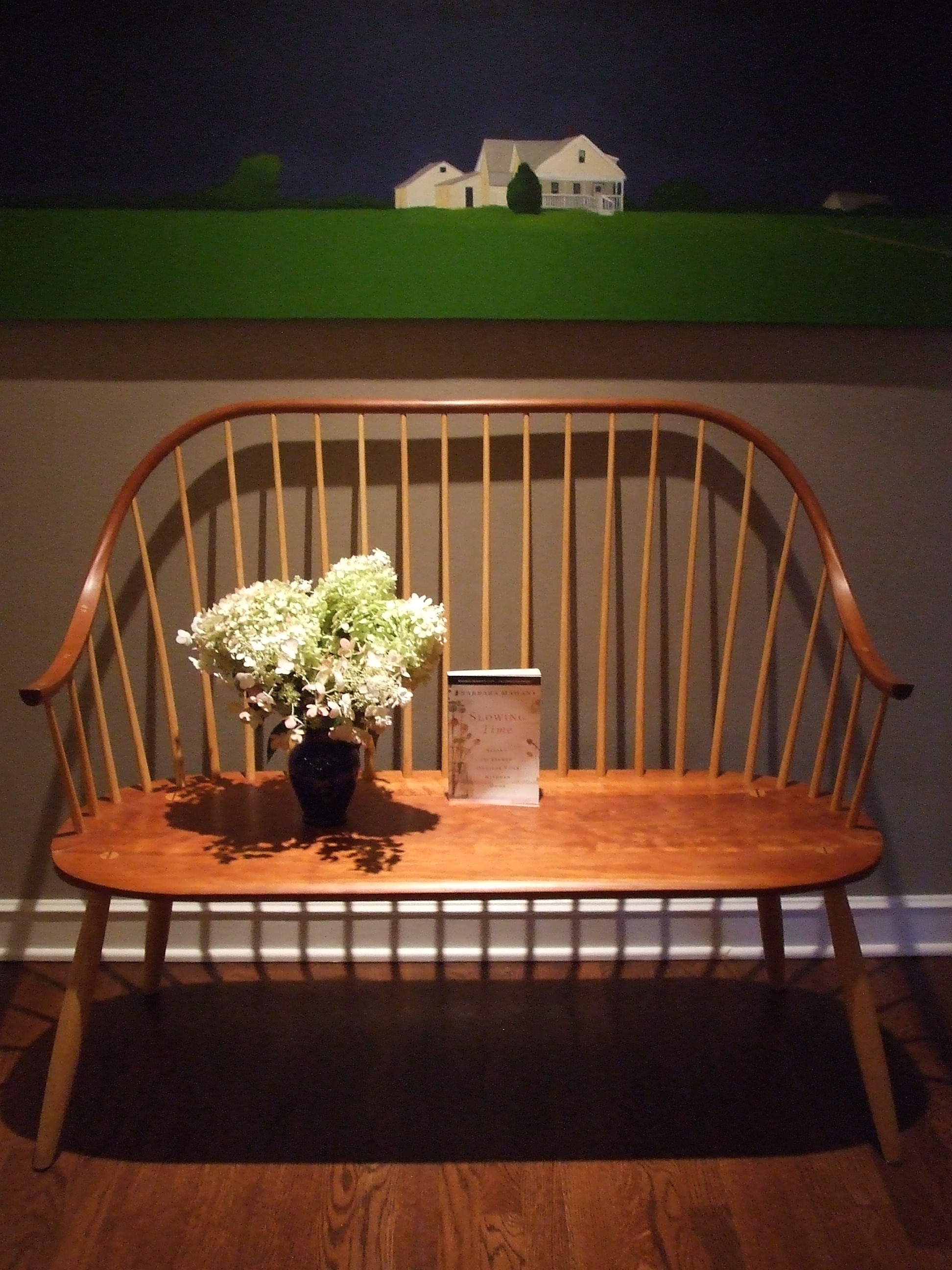
slowing time cover

dear mama, for all of this…

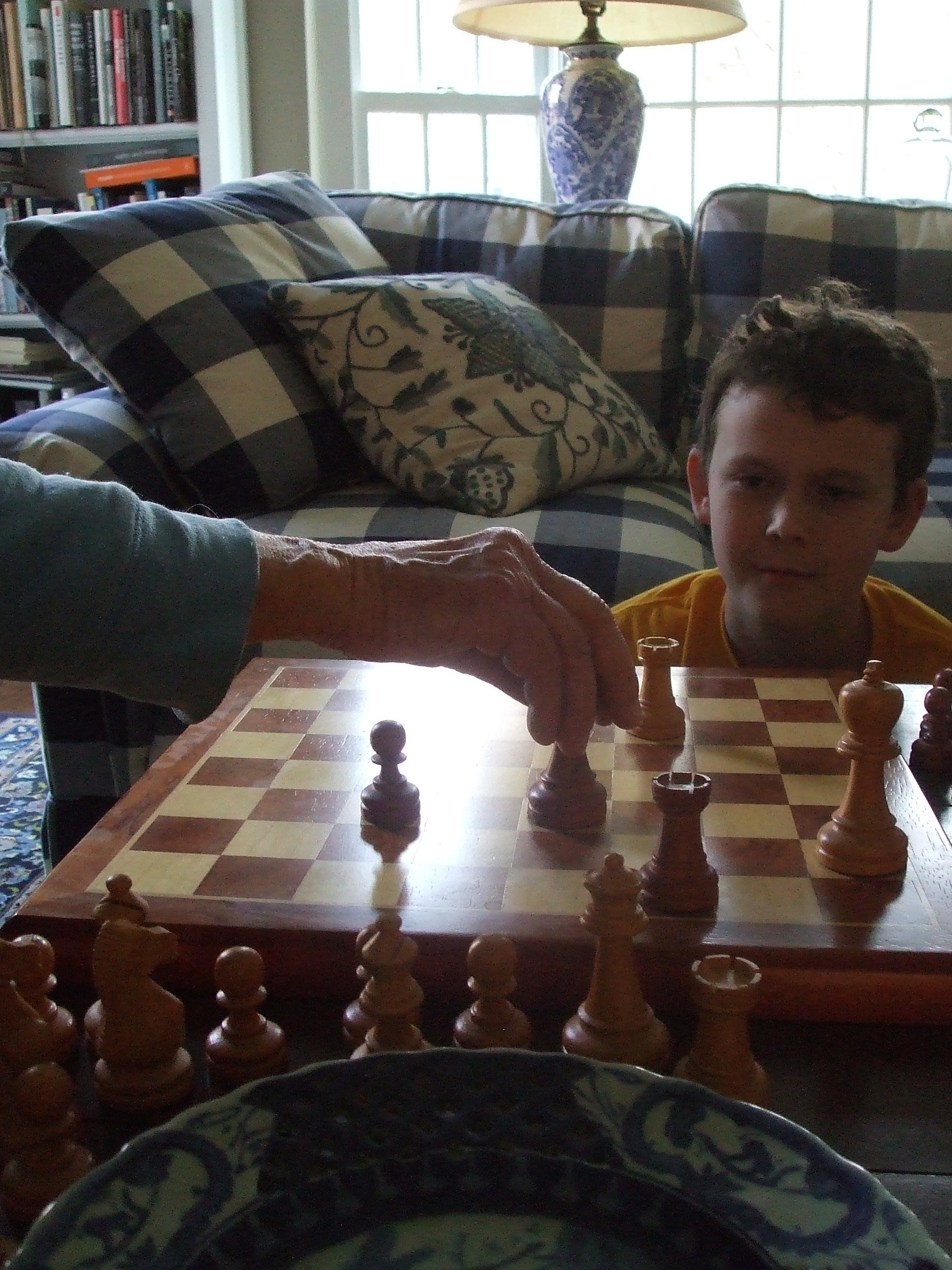
grammy tedd chess

day after tomorrow, it’s the day when the globe pauses in its spinning so toast can be sprung from the toaster, violets can be clutched by little hands, and college kids can shoot a quick text: “luv u mom.”

otherwise known as children-remember-your-mom day, a wholly artificial slow-down in the whirl so cinnamon-raisin crumbs can be hansel-and-greteled between the bedsheets, violets can suffer strangulation, and mothers can get bleary-eyed at being remembered. or not.

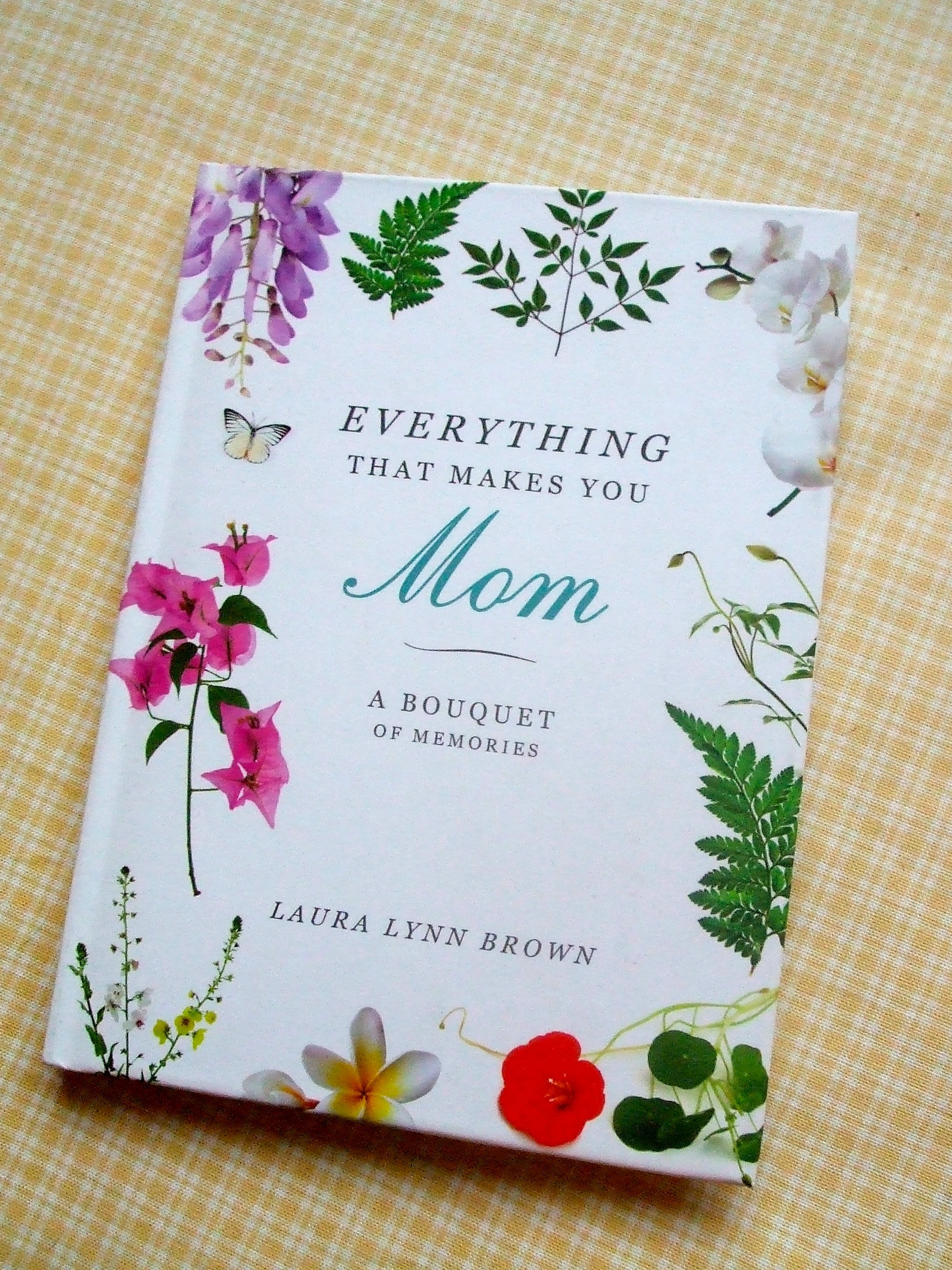
sometimes, though, the day affords much more. it allows us to dig down to where our memories lie, and pull a few good ones out by the roots. that’s the notion at the heart of a breathtaking essay written by a friend i met a few weeks back. my friend is laura lynn brown, and before i met her at a crowded noisy dinner table, i’d read her essay, the one the iowa review printed in its esteemed pages, and the one slated to run on slate, the uber cool website, today.

her essay, “fifty things about my mother,” started out as an experiment in crafting pure-gold sentences, one at a time, in no particular order.

laura, then and now a daily newspaper editor in little rock, arkansas, was getting close to 50, the age at which her mama had died, and she found herself aswirl in rememberings. around that very time, twitter, that 140-character writer’s challenge, was gliding onto the horizon. rather than scoff at such syllabary confines, laura was intrigued by the notion of power-packing a sentence.

you’ll read, as you scroll through her sentences, how magnificently she mastered that challenge. and why no less than susan orlean picked the whole lot of them to win the 2013 iowa review nonfiction award.

what happened next was that laura’s essay caught an editor’s eye, and, lo and behold, a book was born, everything that makes you mom: a bouquet of memories. only five of the original 50 sentences are tucked in the book, and rather than making it a book in which you’d read only laura’s memories of laura’s heavenly-sounding mom, she’s made it a book that tickles the reader’s heart and uproots some of your own most delicious mama memories.

laura brown book

laura wondered if maybe a gaggle of her writerly friends might open the pages of the book and see what happened. i got to page 108, and found my assignment, under the heading “essay question”: “remember when Mom taught you how to write a thank-you note (promptly, saying thank you, naming the gift given, and telling how you will use it or why you appreciate it or why it was a just-right choice)? write your mother a thank-you note now.”

here at the chair, i’ve written over the years what amount to thank-you notes to my mama. the original mother nature is one, and so is grammy tuesday.

but borrowing from my writerly friend laura, i’ll take a crack at crafting a few thank-you sentences to my very own mama, who, at 83.5 and ticking strong, still parks her sleek silver SUV at the curb of our old house every tuesday, ambles up the walk with her blue-plastic cooler of whatever groceries she needs to cook and lay on the table one of her ever-revolving repertoire of the dinners i grew up with: chicken rice grammy, 3-4-5 stew, meatloaf crusted with catsup, and bags and bags of frozen carrots and peas.

dear mama,

for tucking me by your side on the hardwood stairs the summer’s afternoon the hive of yellow jackets shimmied up my skinny little legs, trapped inside my jeans, and stung me mercilessly straight up to my bum. for making like julie andrews and singing into my ear, “when the dog bites, when the bee stings, when i’m feeling sad, i simply remember my favorite things, and then i don’t feel so bad,” the tune from “the sound of music” that still clicks on auto-play when i find myself inside-out, upside-down or just plain afraid.

for flipping open my bedroom window shades on especially sunlit mornings with robert browning’s song from pippa passes, “the lark’s on the wing/the snail’s on the thorn/God’s in His heaven/all’s right with the world!”

for the image of you in the rainy cemetery i’ll never forget: you with your sturdy sole to the cusp of the garden shovel, slicing into the oozy earth, at the mound of your beloved’s — my papa’s — grave — right above his heart, you whispered to me — digging the hole for the mahogany jewelry box that held our stringbean-sized baby girl, the one stillborn in the hollow of night, the one you helped us lay to rest, tucked snug against her grandpa’s stilled heart “where they’ll both always be safe,” you promised me.

for the 1,048 grammy tuesdays since boy 1 was born, and the 572 grammy thursdays you tacked on once boy 2 arrived. for forging connections to those two boys that are at the bedrock of who they are and always will be. for knowing the instant you met my “old shoe” of a newsroom friend, the one with the holes in his penny loafers and the hanging-down hem on his seersucker shorts, that despite the fact that i was a lifelong catholic and he was a devoted jew, i’d met my soul’s desire. 

an abbreviated list of what you taught me: love like there’s no tomorrow; don’t ever stop; poetry is prayer; 101 things to do with frozen peas; and if you want julie andrews, plop her on the record player.

for all of this, and so very much more, dear mama, thank you and thank you and happy blessed mama’s day. please come for 3-4-5 stew, washed down with slippery buttery baby frozen peas.

what would you write in your thank you note to your mama?

photo above is my mama playing chess just this past tuesday with boy 2, aka teddy. and here is one more thing she taught me to love…

viburnum

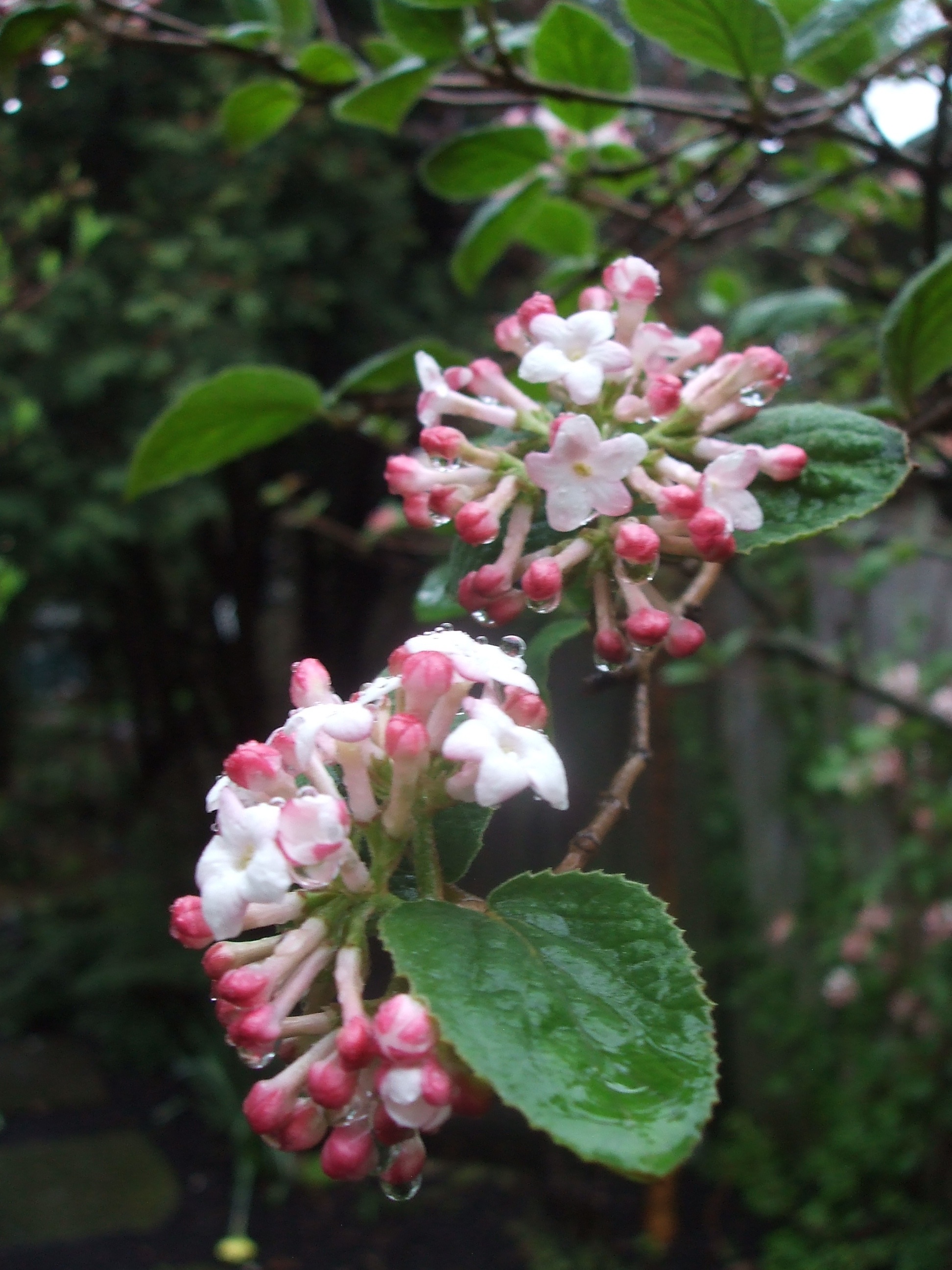
korean spice viburnum, blooming just this morning outside my kitchen door, a bouquet for my mama..

and for all my beautiful friends whose mamas are no longer here, a bundle of extra deep hugs. it’s a bottomless loss, stirred all the more painfully on this day when it seems everyone else is bathing in the very thing that brings you heartache. 

road trip: words upon words, stopping at the intersection of faith, doubt and ink in between

ffw-logo-shadow

before the sun rises over the steel mills of gary, indiana, tomorrow morn, i’ll be motoring toward motor city for a three day festival of words, words and more words. with a fat dash of big questions stirred in for good measure.

i’ll hit the brakes before i hit the outskirts of detroit. in fact, i’ll be stopping mid-mitten, at just about the palm of the hand, to pull into the fine burg of grand rapids. i could roll down the windows and listen for the voice of anne lamott, a faith-filled writer you might have read. but i’m actually a bit more keen on listening closely to uwem akpan, the nigerian catholic priest who penned the haunting “say you’re one of them,” five short stories of african atrocities told through the voices of children; or amy leach, a shy and brilliant essayist whose debut book, “things that are,” is a madcap collection of nature essays encouraging communion with the wild world (she’s been said to be “a descendent of lewis carroll and emily dickinson,” be still my heart — a girl after my very own chambered vessel, indeed).

a clutch of poets will be in the bunch, and i intend to be in the room when mary szybist, the author of “incarnadine,” winner of the 2013 national book award for poetry, tackles “reverence without curtsying.” or when jeanne murray walker, poet and playwright, talks memoir, or okey ndibe, the nigerian poet, novelist, journalist and political commentator,  takes on “negotiating between the visible and invisible: deities and writing.”

i’ll have notebook flapped open and pen perched (for i’m among the last of the pen-and-paper note takers) when guggenheim fellow eliza griswold, best-selling author of “the tenth parallel: dispatches from the fault line between christianity and islam” steps to the podium, or when james mcbride, author of the brilliant “the color of water: a black man’s tribute to his white mother,” and most recently, “good lord bird,” a comedy about the abolitionist john brown, which won the 2013 national book award, settles in for a thursday night’s conversation.

it’s called the “festival of faith & writing,” and who knew that such a gathering of great minds has been convening every other year on the rolling campus of calvin college — smack dab between the literati-littered coasts — since 1990. and that over the years, elie wiesel, john updike, maya angelou, salman rushdie, annie dillard, kathleen norris, and donald hall — to name but a handful — have been putting voice not to unwavering belief but the far more animated living-breathing blurred boundary between doubt and hope.

it’s that very crack in the veneer of faith, the place where shadow seeps, that birthed the festival in the first place.

“because of a long interest in writers between the cracks — writers who struggle with and deal honestly with the challenges of human experience, while writing with skill and poise and quality. these are not people who are easy believers, but that is part of what makes reading such authors worthwhile. we can learn a lot from these folks and their honest portrayals of the human experience,” says dale brown, the former calvin english professor who dreamed up the festival, one literary invitation at a time, and presided over it until he left the college to run the buechner institute in 2007.

it’s a mere 204 miles away, and it’s a landscape i’m learning, one page at a time.

if laptop and lulls allow, i’ll post dispatches from the front. fine thoughts, stirring questions, readings you might want to track down. if not, click on any of the above links and partake in a virtual festival of faith & words, all on your own.

in the meantime, what writers/thinkers/poets might you drive a couple hundred miles to encounter, page to page?


the blessing of an eeyore day

eeyore day

count me in the company of arthur wellesley, 1st duke of wellington, and eeyore, the donkey with the pinned-on tail. mistake us not for misanthropes of the first order, but rather aficionados of the rainy day. the gloomy day. the day when it seems the heavens have dropped down an afghan the color of soot, and punctuated it with the drippings of a long and leaky pipe.

wellesley, you might recognize, was the fellow who thought to rubberize his war boots, back in the early days of the 19th century — voila, “the wellie.” eeyore, well, hopefully, you know him from the early pages of a.a. milne’s “the house at pooh corner,” the titular house being the one constructed of sticks and twigs to give poor gloomy eeyore a place to cower from whatever poured from high above.

it’s been months and months since anyone around here woke up to the ping-ping-ping of precipitation pouncing against the downspouts. or rat-a-tat, hard upon the windowpanes. and when’s the last time the squawking voice in the radio box spewed the onomatopoeic forecast “drizzle,” all morning long? pureed with fog and mist.

to borrow a line from john hersey’s “hiroshima,” maybe it’s merely an “irresistible atavistic urge to hide under leaves.” or maybe it’s the irish in me, most at home when the thinning between heaven and earth is all a blur, and we face the day cloaked in skein upon skein of sheep sacrifice.

i fear i might have been the little child who, when faced with a crayola super pack of 64 waxen sticks, grabbed straight for the shadowed hues, charcoal gray and periwinkle (colors added in 1949), ignoring altogether the sunnier, carnation pink and aquamarine (both ’49ers, as well).

it’s the depth of texture i find in gray days, in sodden days. there’s something to sink into, to rub up against — even if it waterlogs your socks.

perhaps it’s my fondness for worms, which come out to play when sidewalks slick and water gurgles up from the thawing terrestrial ooze.

but i’ve a hunch it all circles back to page 11, of pooh’s corner, the page on which the world of children’s literature, and generations curled on mama’s and papa’s laps, first met the sad-eyed donkey, in this little exchange that might be the battle cry of the glass-half-full brigade:

“hallo, eeyore,” said christopher robin, as he opened the door and came out. “how are you?

“it’s snowing still,” said eeyore gloomily.

“so it is.”

and freezing.”

“is it?”

“yes,” said eeyore. “however,” he said, brightening up a little, “we haven’t had an earthquake lately.”

who could not fall hard — and forever — for a four-legged prognosticator who works so hard to find a shard of light amid the endless shadow?

no earthquake lately, indeed. nothing but the silent falling snow. and cold that takes your breath away without a word. so what’s not to delight with the noisy brand of precipitation? the pit-a-pat that lulls you into dreamland, and syncopates your morning’s rhythm?

it’s but a whisper in the world beyond our windows, but it’s one that draws me in, and holds me close. and i consider it a blessing. the blessing of an eeyore day.

short, sweet, simple. more like weather dispatch with a bit of muse. or maybe just excuse to pull an old favorite from the bookshelf. i’m headed out for worm patrol any minute now, that long-held mission to save all squirmy things from dry-docked death. 

when you were little, what color did you grab primarily from the crayon box? and what might that say about your natural-born palette? and in the silly questions department, who was your favorite character from the 100-acre wood? pooh? piglet? christopher robin? or, mine, eeyore? (truth is, i love them each and all.)

official enough: Slowing Time

slowing time

the manuscript is off in copy editing. and just this week, i discovered a name that i’ve long known, long answered to, has been added to the “authors” roster.

so that must make it official enough.

and there it is, almost like getting a peek at the amniotic-slicked crown of a baby’s head as it wedges through the birth canal.

almost.

it’s slowing time, a book with my name on the cover. and pages and pages of my heart inside.

and it will be in bookstores come october. or maybe even september.

and for a girl who long ago sat tucked between her twin beds, splayed upon the braided oval rug, folding blank pages in halves and quarters, drawing pictures, pressing pencil to page to add sentences and paragraphs, it rather makes my heart thump to see that this time someone other than me is doing the work of rolling those pages off the presses, stamping that copyright on the page with the bit about the library of congress.

it’s a book that was born here, at the old banged-up maple table, where for so many mornings now we’ve pooled our wisdoms and our paying attentions. i think the page that made my heart thump the loudest as i was writing it, was perhaps the dedication page. that’s where you dig down deep and pull out the plumpest roots, the ones without which your heart might wither and die. you’ll find the chair sisters nestled there, in that abbreviated roster of literary midwives, the ones who propped me up on days when i might otherwise have wilted. or crumbled. or run away to hide.

what that means is that you and you and you are among the winds that blew me forward, that would not let me fade away and give up hope.

it’s not so easy putting words to the whispers of a heart. but what i found is that the more i typed, the more i believed.

what i love best about slowing time is that it’s a compilation of the quiet art of paying attention. and paying attention, i’ve found, is a silent — yet deeply animated — form of prayer. it’s tiptoeing through the holy hours of the day, of the seasons, and opening your heart wide enough to feel — and shlurp up — the brushstrokes of the Divine.

sometimes that comes in the words of a five-year-old boy who asks, “mama, what will happen when i die?” and follows rat-a-tat with: “will you die? will daddy die?”

sometimes it comes in keeping watch as mama bird builds her nest, as she scans the clumps of rustling grasses, plucks the fattest one and flies it back to the hatching branch. and, all the while, she’s teaching you a thing or two about resilience. and inexhaustibility. and faith, no matter the pounding of the springtime’s downpour.

often, for me, a lifelong churchgoer — one who pedaled her bike six weeks straight to early-morning mass the lent that i was eight and working hard to put shine to my halo — the Divine has skipped across my heart as i tiptoed into synagogue and wrapped myself in prayer at once ancient and timeless.

the undiluted premise of slowing time and the heart behind it is that the Divine is all around, if we slow down and pay close enough attention. it is a life of prayer lived in the thick and the messiness of the everyday.

it’s pure wonder that mary oliver, my poet priestess, graces the book’s first page, and it’s no accident that emily dickinson — “some keep the Sabbath going to church/ i keep it, staying at home” — is my patron saint.

my prayer is not bound by religion, but thrust heavenward by heart and because i’ve learned — stumbling all along the way — that most essential element of every prayer: the unspoken line where we are deeply listening.

here’s a peek at the publisher’s catalog for slowing time.

and bless you every one who pulled up a chair, and shared a wisdom — silent or otherwise — here where we call it holy communion. with a splash of cream.

how do you practice the art of slowing time?