pull up a chair

where wisdom gathers, poetry unfolds and divine light is sparked…

Month: February, 2025

in search of the common
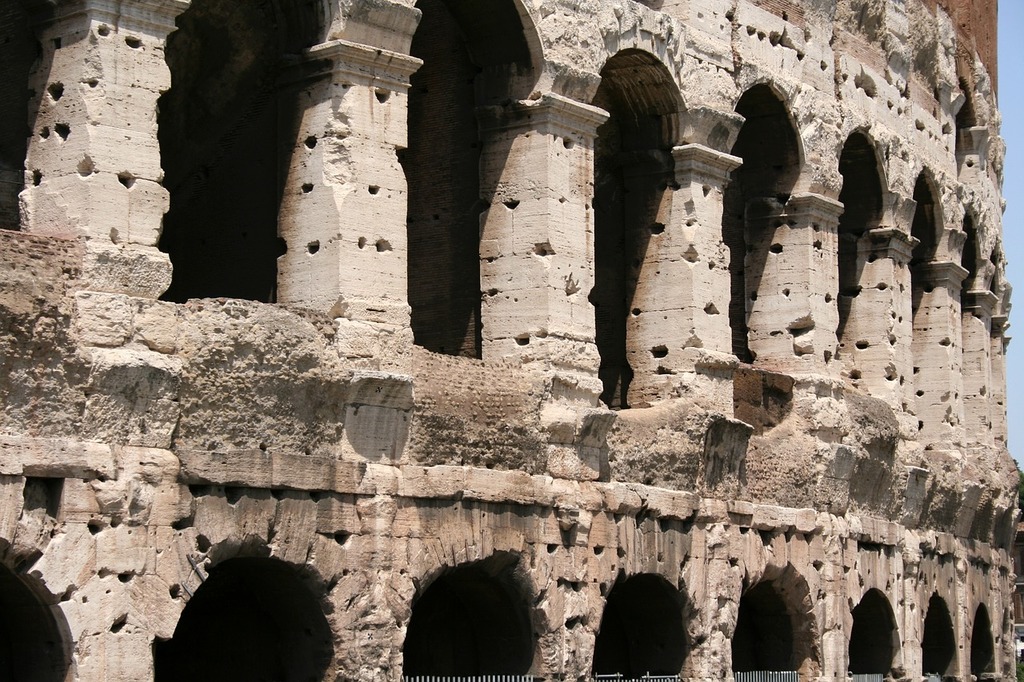
in which we take a hard look at the crumbling discourse in this country, and consider a solution or two….

i’ll be honest. these are hard times. i pick up the news and feel pummeled by each new blow. i see pillars of democracy crumbling one after another. jeff bezos and the washington post, only the latest. i read of law firms—white shoe ones, meaning old-guard firms who take on some of the highest-profile clients, the most complex cases, aka “the elite”—being stripped of security clearance, being considered for criminal investigation only because they represented a client the current administration has inked onto the enemies list. 

i see revenge as the rule of the day. 

i’m sickened.

i’ve never prayed to a God of revenge. 

but i read, too, that there are stirrings of hope. faint, yet beginning to stir. 

you might call it an occupational hazard, but i happen to pay attention to the ways we get news and i worry desperately that we all cower in distant silos. (getting more distant by the day.) i get my news and you get yours and, often, ne’er the twain shall meet. 

so how do we have a shared conversation? how do we sit down to the same old table and begin to listen? how do we reach across the table, and in a quiet, unquivering voice, utter the words, “i hear your point”? or the certain conversational lubricant, “say more”? or the nervier, and necessary, “that’s not actually true”?

i hold onto my hunch that most of us want what we think is fair, is just. and i’m not giving up on my fervent belief that if you saw me bleeding on a sidewalk, you would not ask first how i voted and then decide whether or not to lift me off the ground. 

i’m fairly certain that in the nearly two decades we’ve been pulling up chairs here, some of us do get our news from different silos. i try to tread lightly. i respect divergence of thought. but the problem, as i see it, is that we are all being fed news in the flavors most to our liking. and that’s not the way the news is supposed to work. it’s not the way it worked for the time i was one of the ones writing what counted as news. and not in the newsroom i knew.

so here’s the jam: if the news you’re being fed is slanted, if some of it’s filtered out, and some of it’s twisted, if both sides aren’t fairly presented, it’s not any sort of surprise that conclusions are drawn, and wedges are wedged. 
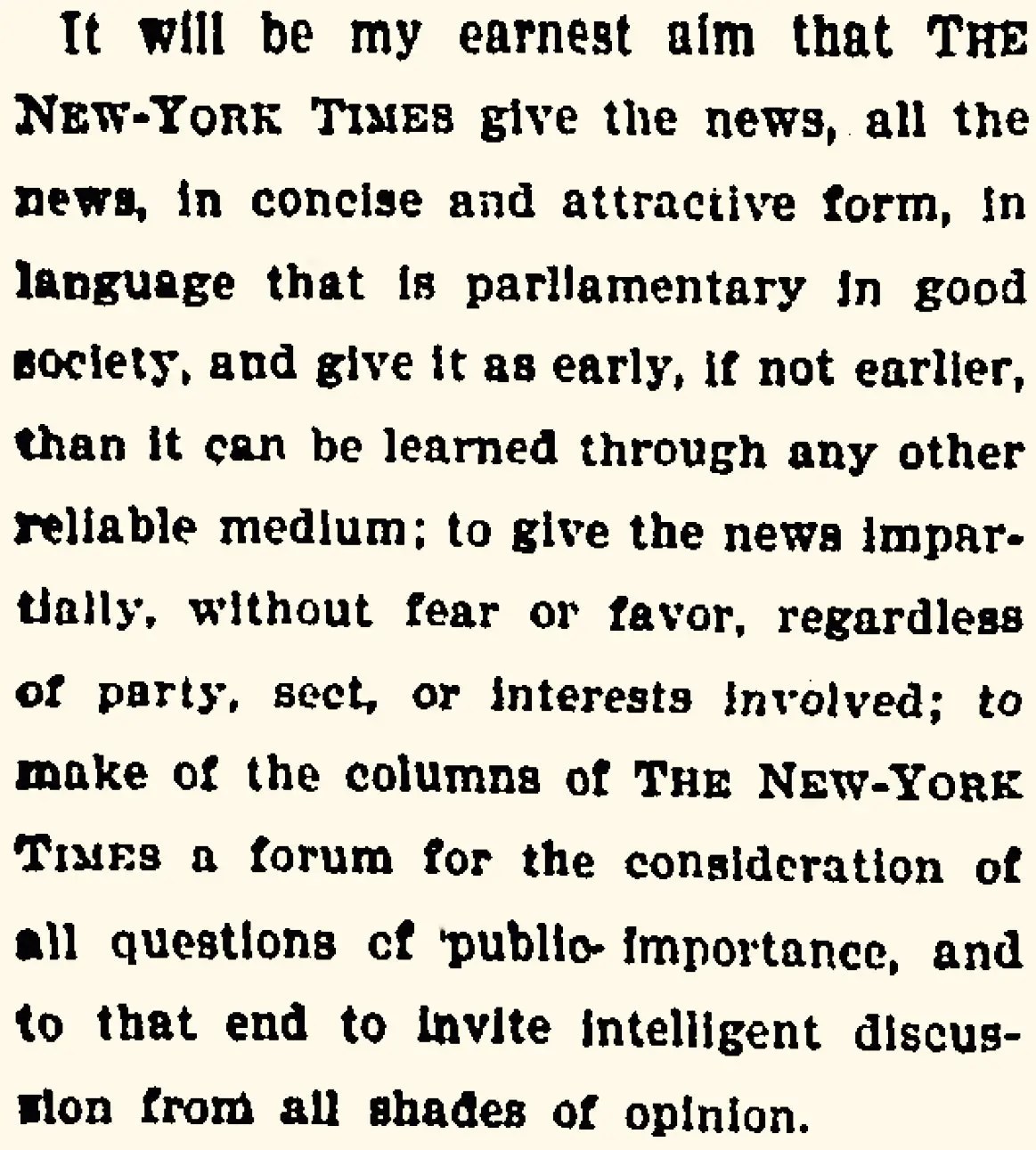
“…without fear or favor…”

these days, the ones helming the news––the owners, the billionaires who thought it a romp to claim a slot on the masthead––they seem to be in it for hard, cold cash. the one with the most wins. cozying up to power seems a game to which we’re not invited. to get there, you need to fly in your private jet, hopefully not one of the ones making a mess on the runways. 

so much for democracy dying in darkness. or that now quaint-seeming declaration of adolph s. ochs in april of 1896, that his newspaper, the venerable new york times, would “give the news impartially, without fear or favor.” 

good journalists hold firm to those words. good journalists have died defending those words.

you don’t get into the news biz––chasing after crooks and pols, climbing rickety stairs in darkened hallways, knocking on doors knowing full well you might find a muzzle pointed at the bridge of your nose––because it’s a sure way to raise your heart rate. or just cuz you’re nosey.

you get into the news biz cuz you’re a mad dog for the truth. and the fair telling of stories. you dig and you dig till you find that shimmering shard that, to your best knowledge, and according to more than one reliable source, is unassailably true. i sat beside folks in the newsroom who thought nothing of holing themselves in the dungeons of city hall or the bowels of bureaucrat mazes, riffling through file after file to track down the name and the dollar amount on contracts that might or might not have been legal. that might have unearthed wrongful convictions. or identified bodies dumped on the roadside. and those subterranean scribes had the pallor to prove it, after months and months under the glow of flimsy fluorescent lights. and cups of stale coffee. (we’ll leave the bottles of whiskey for another day.)

these days, the ones coursing the landscape with their reporter pads and pens, their itty-bitty microphones and their smartphone recorders, are plenty besmirched. discounted as little more than rousers of rabble. there’s a strong scent of disdain souring the air. 

that’s an unfair and erroneous swipe at all those who abide by the time-tested codes. you might have heard that, um, democracy dies in darkness. and the reporters i know refuse to turn off their flashlights.

my little screed here won’t make a dent. but i cannot give up. none of us can. my faintest hope is that even one someone who reads this might take up the dare: fight fallacy and fiction with verifiable fact. there was an old maxim in the newsroom, one that we more or less lived by: if your mother tells you she loves you, check it out. 

check your sources for news. read beyond your usual silo. sit down at a table and listen. exercise your ears more than your tongue. 

at least for now, it’s a place to begin….

p.s. i know there is a good handful of journalistic heroes who pull up a chair, so if any of you wander by today or tomorrow or anytime soon, feel free to pen your prolific and profound views on the state of news consumption in america, and how it might be at least part of the root of what’s tearing us apart….


only one poem this week, and it’s a wonder from a poet who is a chicago legend, a hero in Black arts…..it’s an ode to books, which is a great place to begin a grounding in knowledge, and finding common language…..be sure to get to the last line, where i’m guessing you’ll let out a sigh. as i did. so much in common….

So Many Books, So Little Time
by Haki R. Madhubuti

My sanctuaries are liberated lighthouses of shelved books,
featuring forgotten poets, unread anthropologists of tenure-
seeking assistant professors, self-published geniuses, remaindered
first novelists, highlighting speed-written bestsellers,
wise historians & theologians, nobel, pulitzer prize, and american book
award winners, poets & fiction writers, overcertain political commentators,
small press wunderkinds & learned academics.
All are vitamins for my slow brain & sidetracked spirit in this
winter of creating.

I do not believe in smiling politicians, AMA doctors,
zebra-faced bankers, red-jacketed real estate or automobile
salespeople, or singing preachers.

I believe in books.
It can be conveniently argued that knowledge,
not that which is condensed or computer packaged, but
pages of hard-fought words, dancing language
meticulously & contemplatively written by the likes of me & others,
shelved imperfectly at the level of open hearts & minds,
is preventive medicine strengthening me for the return to my
clear pages of incomplete ideas to be reworked, revised &
written as new worlds and words in all of their subjective
configurations to eventually be processed into books that
will hopefully be placed on the shelves of libraries, bookstores, homes,
& other sanctuaries of learning to be found & browsed over by receptive
booklovers, readers & writers looking for a retreat,
looking for departure & yes spaces,
looking for open heart surgery without the knife.

—Haki R. Madhubuti, who turned 83 this week, is a poet, writer, and educator, who in 1967 founded Chicago’s Third World Press, the largest independent Black-owned press. He’s regarded as an architect of the Black Arts Movement. Born Donald Luther Lee, he changed his name in 1973 after traveling to Africa: “Haki” means “justice” or “rights,” while “Madhubuti” means “precise, accurate, and dependable.” Both names are derived from Swahili. Of his renaming, Madhubuti explained at the time that he wanted to arrive at a new definition of self.

have you had any hard conversations of late? were you afraid to go there? what peaceable tools did you use to navigate? how did it go? will you try again?

apologia

A screenshot of a video released by the Ukrainian Police Department Press Service of military helicopters, apparently Russian, flying over the outskirts of Kyiv, February 24, 2022 

dear blessed, blessed, good people of ukraine,

we are without words for the depth of our sorrow and our shame. we have betrayed you. cruelly. mercilessly. and we are sorry. we are so, so deeply sorry.

you have no idea of my existence. i am just a silver-haired lady in the middle of america, thousands and thousands of anonymities away, and yet i woke up trembling for the betrayal, and the insanity rained upon you in the form of words. words spoken by an elected leader of a country that until a month ago was doing all it could to ensure your safety, to uphold your humanity.

it is a sordid twist in history i’d prayed i’d never live to see. i thought we vowed never to forget.

the horror is that i don’t think anything is forgotten. from where i sit in an old shingled house on a quiet street near a big cold lake, it sounds as if the betrayal is the worst kind, the knowing kind, the horror not forgotten but ignored. it’s a supreme act of evil hubris the likes of which don’t belong in any century, let alone the one where we’ve allegedly evolved so much as to make machines that almost think like humans. perhaps we should have been investing in our souls. instead of masterminding brains.

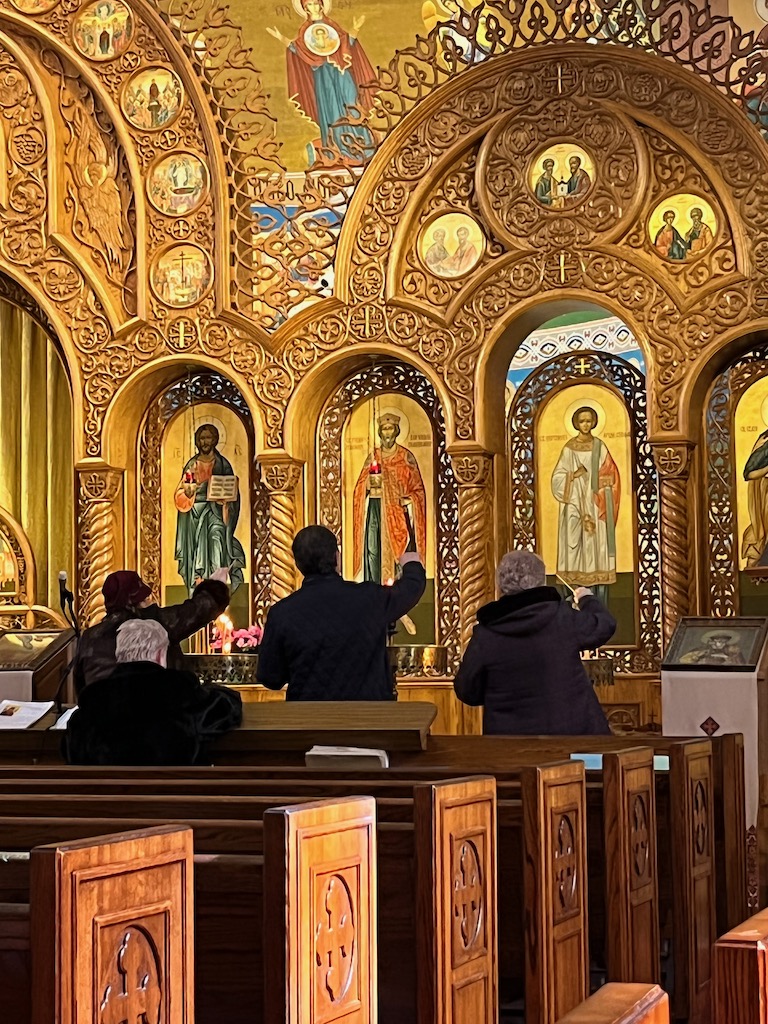
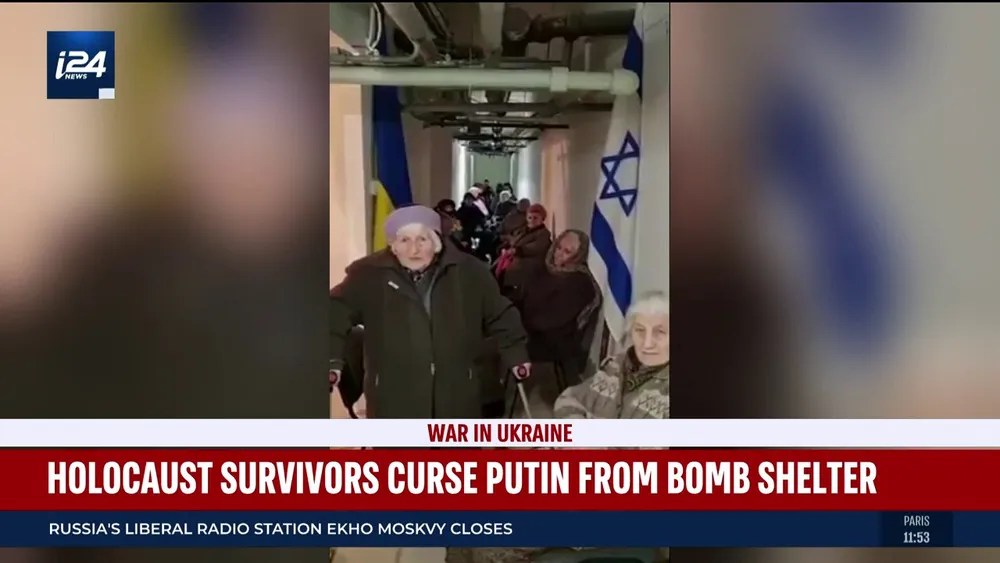
three years ago, we sat in front of screens frozen by the sights of maternity wards in rubble, of old ladies huddled in subway tunnels. some of us crowded into the nearest ukrainian churches, to pray with you. to bend our knees, bow our heads, and make the orthodox sign of the cross at the end of prayers whose words we did not know but whose intent we felt with every fiber of our being.

i can’t count the tears i’ve shed, reading stories of newborns blown to bits, of mothers laboring in bomb shelters, imagining the terror of a sky raining bomb after bomb after bomb. as, for three unbearable years, i read the stories of russian soldiers traipsing house to house, raping woman after woman, regardless of her decade. stories of herding children onto buses, tearing them away from families, all but delivering them to lives of sordid inner torture, tortures whose scars might never heal. stories of villagers lined up, plastic bags pulled over heads, shot execution style. the last sound each one heard, the sound of a rifle shot, and a body thudding to the ground, knowing that sound would next be them.

and yet, words from the white house occupant this week turned truth to lies, blamed the war on you, name-called your president, a man whose courage in the face of abysmal fear and threat not long ago brought burning hope to a darkened world. count me among the ones who cried as he walked the aisle of the house chamber of the u.s. capitol to ascend to the podium where his words shook a silent nation to the core. and where the roaring ovation from those in the chamber, and those in living rooms and rec rooms all around this country seemed a wave without end crashing to a shore. we saw hope in you. we prayed we could muster a modicum of the courage you showed, should we ever, ever find ourselves in a plight with even a fraction of the horror in which you lived.

and now, we are the people of this nation that might well become a living symbol of cruel betrayal.

and so, this humble letter, which you shall likely never read, is but one voice, speaking for many, as i fall to my knees, bow my head, and beg forgiveness for the sins thrust upon you.

this ukrainian grandma one of the lasting symbols of a feisty nation that would not, would not surrender.

three years ago, i wrote “exercise in empathy, another name for prayer,” and left it here on the chair. i am leaving it again, complete with the end note and question i left at the time. to remind us of the time when our whole nation felt united in praying for mercy, and willing to do all we could to make it happen…

exercise in empathy, another name for prayer

can you imagine? can you imagine waking up with your bedroom windows shaking, a distant thump unmistakably drenching you in dread, even in the liminal fog of your pre-dawn dreams? 

can you imagine lifting your newborn from the crib, cradling him against your breast, and running in the cold to the nearest subway shelter, where you will then spend hours upon endless hours, hearing the faint cacophony of what you know to be bombs exploding on a land you call your own?

can you imagine? 

can you imagine rushing to your kitchen, clearing shelves of whatever might fuel you in the long hours ahead, grabbing your dog, your kids, your passport, and climbing behind the wheel of a car with only a half tank of gas, a tank you meant to fill the day before but one of the kids got cranky so you thought you’d put it off? 

can you imagine if you were due to show up for an MRI to see how far the cancer had spread, how fractured was the tibia, the hip, the wrist, but now the air-raid sirens blare through the dawn and you have to weigh a trip to the hospital or the nearest border? 

can you imagine watching your father fill his duffle bag, turning toward the door, pausing to kiss you on the forehead, watching the tears well up in your mother’s eyes, seeing how her hand now is shaking, how she clutches the sleeve of your father’s coat, and how he pulls himself away, unlocks the door and steps out into darkness? and your mother fills the sudden emptiness with a wail you’ve never heard before?

can you imagine holding a ticket to a flight out in the morning only to awake to find the airports all are closed, bombed in the night, and no air space is safe for flying?

imagining is imperative. imagining is how we weave the invisible threads that make us one united people, that make us begin to know what it is to walk in another’s hell. 

imagining is the birthing ground of empathy. 

and empathy fuels our most selfless urgent prayer. 

empathy––a necessary precondition for loving as you would be loved, the necessity of imagining another someone’s pain or fear or desperation, for sometimes imagining nothing more complicated than cold or hunger or exhaustion so overwhelming you’re sure your heart is on its last full measure––empathy is the exercise that puts form and fuel to prayer, that enfolds its stripped-down architecture in the flesh of humanity. be it agony, or terror. be it frenzy, or dizzying confusion.

empathy is what lifts our prayer out of the trench of numbness, muttering words we memorize but do not mean. empathy fine chisels each and every prayer. catapults us beyond our own self-obsessed borders, across time zone or geography. conjoins our circumstance with that of someone we have never met, someone whose predicament is dire, and is––in fact––beyond our most ignited imagination.

truth is, our empathy cannot take us the whole distance. cannot––despite our deepest straining––plant us in the fiery pit of what it is to be awaking to the bombs, watching the ones we love walk into the inky darkness, not knowing for weeks if they’re dead or alive, maimed or shackled, or someone else’s prisoners of war.

but it’s the place to begin.

and isn’t the whole point of praying to reach across the emptiness, the void, to unfurl the one first filament that might begin to bring us side-by-side, in soul and spirit if not in flesh? 

don’t we sometimes pray as if to hoist another’s leaden burden onto the yoke of our own shoulders? 

isn’t the heart of it to lift us as one? we’re not here as parties of one, churning up our own little worries, butting our place to the front of the God line. we’re here to pay attention. to scan for hurt and humiliation, to go beyond, far beyond, lip service and throw-away lines.

imagination––the exercise of empathy––is a God-given gift, it’s the thing that equips us to love as you would be loved. without it, our every petition is flat. is a waste of our breath, really.

we invoke the hand, the heart of God, yes. but isn’t it our business, our holy business, to get about the work of trying to weave us into true holy communion?

it is our empathies that just might save us as a people, that just might move us toward the place where all our prayers rise in echo, from all corners, nooks, and crannies.

it’s not often we wake up to war. but we did this week. and so we will in the weeks and weeks to come.

i awake now in unending prayer. another name for exercising empathies, to stay awake to the suffering now inflicted on ones we’re meant to love. even if we’ll never know their names.

***

i searched for a prayer for peace, and came circling back to this, from ellen bass; it is a prayer for all, no matter to whom or what or how you pray:

Pray for Peace

Pray to whomever you kneel down to:
Jesus nailed to his wooden or plastic cross,
his suffering face bent to kiss you,
Buddha still under the bo tree in scorching heat,
Adonai, Allah. Raise your arms to Mary
that she may lay her palm on our brows,
to Shekhina, Queen of Heaven and Earth,
to Inanna in her stripped descent.

Then pray to the bus driver who takes you to work.
On the bus, pray for everyone riding that bus,
for everyone riding buses all over the world.
Drop some silver and pray.

Waiting in line for the movies, for the ATM,
for your latte and croissant, offer your plea.
Make your eating and drinking a supplication.
Make your slicing of carrots a holy act,
each translucent layer of the onion, a deeper prayer.

To Hawk or Wolf, or the Great Whale, pray.
Bow down to terriers and shepherds and Siamese cats.
Fields of artichokes and elegant strawberries.

Make the brushing of your hair
a prayer, every strand its own voice,
singing in the choir on your head.
As you wash your face, the water slipping
through your fingers, a prayer: Water,
softest thing on earth, gentleness
that wears away rock.

Making love, of course, is already prayer.
Skin, and open mouths worshipping that skin,
the fragile cases we are poured into.

If you’re hungry, pray. If you’re tired.
Pray to Gandhi and Dorothy Day.
Shakespeare. Sappho. Sojourner Truth.

When you walk to your car, to the mailbox,
to the video store, let each step
be a prayer that we all keep our legs,
that we do not blow off anyone else’s legs.
Or crush their skulls.
And if you are riding on a bicycle
or a skateboard, in a wheelchair, each revolution
of the wheels a prayer as the earth revolves:
less harm, less harm, less harm.

And as you work, typing with a new manicure,
a tiny palm tree painted on one pearlescent nail,
or delivering soda or drawing good blood
into rubber-capped vials, twirling pizzas–

With each breath in, take in the faith of those
who have believed when belief seemed foolish,
who persevered. With each breath out, cherish.

Pull weeds for peace, turn over in your sleep for peace,
feed the birds, each shiny seed
that spills onto the earth, another second of peace.
Wash your dishes, call your mother, drink wine.

Shovel leaves or snow or trash from your sidewalk.
Make a path. Fold a photo of a dead child
around your Visa card. Scoop your holy water
from the gutter. Gnaw your crust.
Mumble along like a crazy person, stumbling
your prayer through the streets.

–Ellen Bass

how did you learn to pray?

a note in an age of war: when the first reports started seeping in, when the news broke the other night that shelling had started along the northern, eastern, and southern borders of ukraine, it wasn’t long till i found myself thinking of all of you here at the chair. i knew we would all be huddled on the edge of our armchairs, keeping watch, keeping terrible watch. made me wish that every once in a while we could be together in real time, with our real faces and voices. our hearts and souls come to life. maybe after two years without company, without mornings when i set out mugs and bowls spilling with clementines, i am getting hungrier for human contact. made me wonder if maybe one day soon we should gather in a zoom room. i’ll leave this as a thought. i know we’re a gaggle of rather shy souls, but even us shy ones sometimes hunger for company. true company.

my question on this cold february morning of 2025, is what oh what shall we do?

iterations of love

the God of every religion tells us to do it. commands us: love thy neighbor as thyself. 

i’ve felt it in my own life, know it to be a force that transcends time, space, and matter. i’ve felt it all but align planets whose orbits were out of whack. i’ve felt it pierce through to the core of me, prompt me to reach down and seize a source, a muscle, i didn’t know that i had. it’s made me more than i ever imagined i could be. lured me out of mighty dark years. 

love, thank heaven, is patient. love is keenly perceptive. love, often, won’t take No for an answer.

i’ve felt it shrink distance, make the sound coming through the telephone as close as if we were sidled, thigh to thigh touching, on the seat of a couch in the very same room. 

i’ve heard it in barely audible whispers, and in shouts across the corridors of an airport, a hospital, a college campus––a sound so ebullient my heart leaps to quicken its pace. 

i’ve spent my life learning how to do it. keeping close watch on the ones i encounter who do it the best. the most emphatically. 

i’ve learned it from the little bent man who perched on a hydrant, befriending the pigeons. flocks and flocks of pigeons, he lovingly tended. even in the face of taunts and jeers from the cars passing by.

i’ve learned it from my first best friend who knew without asking how deeply it hurt, how tender it felt to be seen in shadow and light. 

i’ve learned it from my long-ago landlady, the one who would knock at my door, come dinnertime, and hand me a hot steaming bowl of avgolemeno, the egg-and-lemon-rich chicken-rice soup that serves as Greek penicillin, and cured what ailed me no matter how awful the day.

i’ve learned it from a 12-year-old girl who lay in a hospital bed, her legs unable to move, paralyzed from the waist down by a tumor lodged in her spine. i’ll never forget the glimmer in her eye, as she looked up and laughed, as she handed me her hand-made papier-mâché green pumpkin head, the one she’d made flat on her back, and with which she crowned me her Irish Pumpkin Queen of a hospital nurse.

i’ve learned it, and felt it: in the canyon of grief, in the vice hold of fear, and in long seasons of haunting despair. it’s the ineffable force with the power to pull us up off the ground, inch us just a little bit forward, and shake off the worries that freeze us in our tracks. 

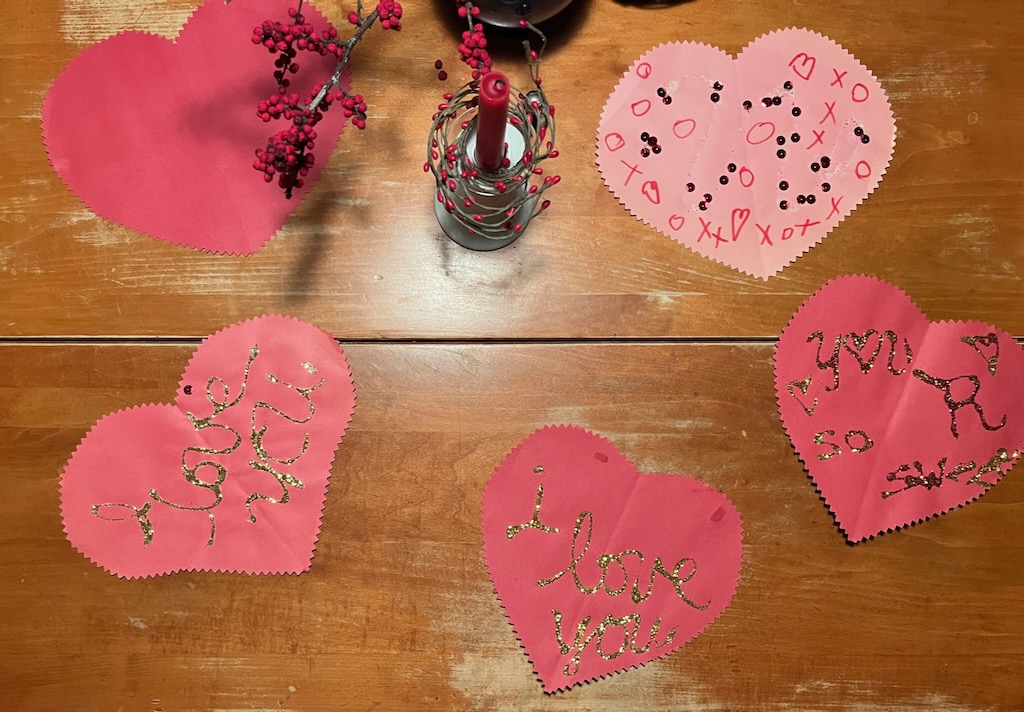
my hunch is that someone at hallmark international invented today, the day in which pink paper hearts are soared hither and yon. or maybe it was the three catholic saints, all named valentine or valentinus, and, as was so often the story, all of whom were martyred for breaking some reason or rule. in the case of third century rome, a priest named valentine defied the emporer who’d ruled that single men made better soldiers than those with a wife, and thus outlawed marriage. valiant valentine, seeing the injustice in the loveless decree, kept about the business of marrying young sweethearts in secret. for this, he lost his head. 

earlier still, pagans seized the midpoint, or ides, of the month––february 15––as Lupercalia, a fertility festival dedicated to Faunus, the roman god of agriculture, and to Romulus and Remus, the founders of rome. a priestly order of roman pagans, the Luperci, gathered at the secret cave where Rom and Rem were thought to have been raised by she-wolves, to sacrifice a goat, which they then stripped of its hide, and sliced into strips. then, according to historians, “they would dip [the strips] into the sacrificial blood and take to the streets, gently slapping both women and crop fields with the goat hide.”* 

maybe pink paper hearts are, after all, a step in the right romantic direction. 

truth be told, 34 years in, it’s recycled hearts adorning someone’s place at the breakfast table…

*postscript on those slap-happy romans: far from being fearful of the bloody slaps, young roman women were said to welcome the mark of the bloody hides, for it was thought to make them more fertile in the year to come. 


lifting the day out of its purely-romantic framing, here are three takes on iterations of love, reminding us of the evolution of love across the decades of marriage, and the love of this one sacred Earth we’ve been given to tend:


first up, the sage from kentucky, farmer-poet-secular priest wendell berry, from a much longer poem, but i was drawn to these three parts, meditations on a long and deepening love…

excerpts from The Country of Marriage
by Wendell Berry

III.
Sometimes our life reminds me
of a forest in which there is a graceful clearing
and in that opening a house,
an orchard and garden,
comfortable shades, and flowers
red and yellow in the sun, a pattern
made in the light for the light to return to.
The forest is mostly dark, its ways
to be made anew day after day, the dark
richer than the light and more blessed,
provided we stay brave
enough to keep on going in.

IV.
How many times have I come to you out of my head
with joy, if ever a man was,
for to approach you I have given up the light
and all directions. I come to you
lost, wholly trusting as a man who goes 
into the forest unarmed. It is as though I descend
slowly earthward out of the air. I rest in peace
in you, when I arrive at last.

V.
Our bond is no little economy based on the exchange
of my love and work for yours, so much for so much
of an expendable fund. We don’t know what its limits are–
that puts us in the dark. We are more together
than we know, how else could we keep on discovering
we are more together than we thought?
You are the known way leading always to the unknown,
and you are the known place to which the unknown is always
leading me back. More blessed in you than I know,
I possess nothing worthy to give you, nothing
not belittled by my saying that I possess it.
Even an hour of love is a moral predicament, a blessing
a man may be hard up to be worthy of. He can only
accept it, as a plant accepts from all the bounty of the light
enough to live, and then accepts the dark,
passing unencumbered back to the earth, as I
have fallen tine and again from the great strength
of my desire, helpless, into your arms.


and the belle of amherst turns our attention to this world that keeps loving us, despite the ways we batter it, and ignore it…

This world is just a little place, just the red in the sky,
before the sun rises, so let us keep fast hold of hands,
that when the birds begin, none of us be missing.
— Emily Dickinson, in a letter, 1860


and finally, the late great naturalist and essayist Barry Lopez, on how to be awake to this still blessed world, from the foreword to Earthly Love, a 2020 anthology from Orion magazine. He is describing walking a vast landscape––a spinifex plain, or grassy coastal dunes, in North-Central Australia––for the first time, but the wisdom is how to attend to a deepening love:

My goal that day was intimacy — the tactile, olfactory, visual, and sonic details of what, to most people in my culture, would appear to be a wasteland. This simple technique of awareness had long been my way to open a conversation with any unfamiliar landscape. Who are you? I would ask. How do I say your name? May I sit down? Should I go now? Over the years I’d found this way of approaching whatever was new to me consistently useful: establish mutual trust, become vulnerable to the place, then hope for some reciprocity and perhaps even intimacy. You might choose to handle an encounter with a stranger you wanted to get to know better in the same way. Each person, I think, finds their own way into an unknown world like this spinifex plain; we’re all by definition naive about the new, but unless you intend to end up alone in your life, it seems to me you must find some way in a new place — or with a new person — to break free of the notion that you can be certain of what or whom you’ve actually encountered. You must, at the very least, establish a truce with realities not your own, whether you’re speaking about the innate truth and aura of a landscape or a person.

. . . I wanted to open myself up as fully as I could to the possibility of loving this place, in some way; but to approach that goal, I had first to come to know it. As is sometimes the case with other types of aquaintanceships, to suddenly love without really knowing is to opt for romance, not commitment and obligation.

and, later in the same essay, his call to attention for a world suffering from what he quite plainly calls, “a failure to love,” a message of urgency on a day in which love, in its many many iterations, is held up to the light.

EVIDENCE OF THE failure to love is everywhere around us. To contemplate what it is to love today brings us up against reefs of darkness and walls of despair. If we are to manage the havoc — ocean acidification, corporate malfeasance and government corruption, endless war — we have to reimagine what it means to live lives that matter, or we will only continue to push on with the unwarranted hope that things will work out. We need to step into a deeper conversation about enchantment and agape, and to actively explore a greater capacity to love other humans. The old ideas — the crushing immorality of maintaining the nation-state, the life-destroying beliefs that to care for others is to be weak and that to be generous is to be foolish — can have no future with us.

It is more important now to be in love than to be in power.

who were some of your great teachers of love?

no whistling in the dark here. but maybe some chocolate…

these are dark times. chaotic times. times so upside down and alarming, i’m groping for what i can do. sometimes i think the solutions are way, way above my paygrade. 

what i know i can’t do is whistle in the dark. blather on about incidental ponderings, pretend that all this will soon go away. it feels as if we’re witnessing wide-eyed the wielding of sledge hammers to bedrock pillars of democracy. who are these 19-year-olds re-writing code in the department of treasury? why in the world would anyone waste a minute of breath renaming a mountain, a gulf, except for extreme case of hubris? and what of claiming gaza, the land of a people who have sustained unthinkable horrors to simply exist on the land of their ancestors, a land now so deeply bloodied i fear it seeps to the core of the planet? to say nothing of erasing the existence of aid to the poor, the hungry, the marginalized around the globe. to strike language and data from federal websites, all but telling vast swaths of humanity they’ve been expunged. to imagine the labs where cures for disease are suddenly stalled, where lives––like mine––depend on those cures.

i have aimed from the beginning not to bleed into politics here. and i still hold firm to that core. what i address here, what i disdain here, is something far more foundational, a vengeance fueled by a mindset that it’s always always us v. them. a philosophy of division, of payback in the cruelest of iterations. a credo of greed. let the weak be weakened, and the few take the pot. and let it all be built on a mound of mistruths, fictions of wild proportion. 

we’ve an unspoken bond here at this table that once a week i will leave some platter of words that might open a window. even a crack. let light in to our collective souls. so maybe in these dark times my place is shifting. maybe i’m meant to listen in silence, to keep close watch, to defend the tenets of the God of justice and love. a God whose wisdom is not twisted, turned on its head, shoved to the side for malevolent purpose. 

maybe the chair, in these dark and cruel times, is simply a place to swing by, to listen for voices wiser and keener than mine. maybe the chair is a place to come catch your breath. to embolden your spirit. to find brief reprieve. 

until the darkness lifts––and wise and faithful souls believe that it will, that We the People in our undeniable goodness and courage shall overcome––i’ll do what i quietly can. my platter today comes with two poems and a slather of chocolate. yes, chocolate. though in this case, it’s the priceless morsel of the story behind katie hepburn’s very own chocolatey brownies that might best the brownies themselves. you decide. 


a beauty of a new poem found on diana butler bass’s straight-talking, life-sustaining, deeply soulful the cottage….

WHAT COMES NEXT
by Rosemerry Wahtola Trommer

Love relentlessly.
—Diana Butler Bass

Love relentlessly, she said,
and I want to slip these two words
into every cell in my body, not the sound
of the words, but the truth of them,
the vital, essential need for them,
until relentless love becomes
a cytoplasmic imperative,
the basic building block for every action.
Because anger makes a body clench.
Because fear invokes cowering, shrinking, shock.
I know the impulse to run, to turn fist, to hurt back.
I know, too, the warmth of cell-deep love—
how it spreads through the body like ocean wave,
how it doesn’t erase anger and fear,
rather seeds itself somehow inside it,
so even as I contract love bids me to open
wide as a leaf that unfurls in spring
until fear is not all I feel.
Love relentlessly.
Even saying the words aloud invites
both softness and ferocity into the chest,
makes the heart throb with simultaneous
urgency and willingness. A radical pulsing
of love, pounding love, thumping love,
a rebellion of generous love,
tenacious love, a love so foundational
every step of what’s next begins
and continues as an uprising,
upwelling, ongoing, infusion
of love, tide of love, honest love.


an ode to kindness….aptly titled…

Small Kindnesses

I’ve been thinking about the way, when you walk
down a crowded aisle, people pull in their legs
to let you by. Or how strangers still say “bless you”
when someone sneezes, a leftover
from the Bubonic plague. “Don’t die,” we are saying.
And sometimes, when you spill lemons
from your grocery bag, someone else will help you
pick them up. Mostly, we don’t want to harm each other.
We want to be handed our cup of coffee hot,
and to say thank you to the person handing it. To smile
at them and for them to smile back. For the waitress
to call us honey when she sets down the bowl of clam chowder,
and for the driver in the red pick-up truck to let us pass.
We have so little of each other, now. So far
from tribe and fire. Only these brief moments of exchange.
What if they are the true dwelling of the holy, these
fleeting temples we make together when we say, “Here,
have my seat,” “Go ahead—you first,” “I like your hat.”
Danusha Laméris


and now, for katie’s brownies, the story of which first appeared in the letters to the editor of the new york times….

July 6, 2003

To the Editor:

Re the death of Katharine Hepburn last Sunday: For many decades, my father used to walk across town to do his food shopping on Second Avenue. He often shopped at a Gristede’s around the corner from Miss Hepburn’s town house on East 49th Street.

One day he suddenly came face to face with Miss Hepburn, who was also picking up groceries. He acknowledged her with a nod, and she responded in kind. He began thinking of her as a neighbor.

In 1983, my senior year at Bryn Mawr, Miss Hepburn’s alma mater, I was frustrated and was doing poorly, and at Christmas break, I decided to quit. I had the romantic notion of running away to Scotland to write screenplays. My father was frantic. My mother had died two years before, leaving him with all the responsibility for his headstrong daughter.

He knew that Miss Hepburn had gone through her own struggles at Bryn Mawr, so he wrote her a letter asking her to intervene. ”She’s a great admirer of yours, and perhaps she’ll listen to you,” he wrote. On the way to the grocery store, he dropped the letter in her mail slot.

At 7:30 the next morning, the phone woke me up. I answered it and heard that famous voice, crackling with command. ”Is this the young woman who wants to quit Bryn Mawr?” I said it was. ”What a damn stupid thing to do!” she snapped. She went on to give me a lively lecture, the gist of which was that I had to finish my studies and get my degree, and after that I could do what I wanted to do. There was no arguing with her imperiousness. Then she said she wanted to meet us for tea.

The day of our appointment was gray and wintry. Walking the long blocks to Turtle Bay, my father and I didn’t speak much. It felt as if we were about to meet the Queen.

Miss Hepburn greeted us warmly. With casual hauteur, she provided us with tea and some of her famous brownies. Though she was in her 70’s, she had a youthful look, enhanced by her girlish clothes: a turtleneck, a black cardigan and shabby khaki-green pants.

We talked about many things, including Bryn Mawr. She said that she was miserable there and still had nightmares about it, but she was glad she went. At the end of the afternoon she told me, in a rather grim tone, ”You’re smart.” It was a compliment, but also an admonition not to be foolish in the future.

My father was invited to visit her a few times after that. Once, he had heard that she was recovering from a serious car accident, and he stopped by to drop off a package of homemade brownies and a get-well note. To his surprise, he was ushered in and invited into her boudoir, where she greeted him in her nightgown. She sampled his brownies.

”Too much flour!” she declared. She then rattled off her own recipe, which he hastily wrote down. ”And don’t overbake them! They should be moist, not cakey!”

I’ll always be grateful to Miss Hepburn for making me stick it out at Bryn Mawr and for giving me these rules to live by: 1. Never quit. 2. Be yourself. 3. Don’t put too much flour in your brownies.

KATHARINE HEPBURN’S BROWNIES

1/2 cup cocoa
1 stick butter
2 eggs
1 cup sugar
1/4 cup flour
1 cup broken-up walnuts or pecans
1 teaspoon vanilla
pinch of salt

Preheat oven to 325 degrees. Melt butter in saucepan with cocoa and stir until smooth. Remove from heat and allow to cool for a few minutes. Mix in eggs, one at a time. Add sugar, flour, nuts, vanilla and salt. Pour into a greased 8×8 square pan. Bake 40 minutes. ”Don’t overbake!” They should be gooey. Let cool (an essential step) and cut into bars.

Heather Henderson
St. Paul, Minn.

how, pray tell, are you finding your way? chocolatey or otherwise…